


We may earn a commission when you buy through links on this page, at no extra cost to you. Learn more.
In a malbec vs tempranillo comparison, Malbec generally brings dark, plush fruit and rounder-feeling tannins, while Tempranillo more often shows brighter red fruit, savory complexity, and oak influence. Both are dry red wines that can be full-bodied, structured, and excellent with food, but they usually communicate those qualities in different ways. Malbec is most closely associated with Argentina, while Tempranillo is Spain’s signature red grape, especially in Rioja and Ribera del Duero. The region, vintage, and winemaking choices still matter more than the grape name alone.
Use the comparison below to match flavor, structure, region, and food to the style you prefer.
Malbec vs Tempranillo at a Glance
Malbec is usually the more immediately plush and dark-fruited choice, while Tempranillo often gives a more savory profile with red fruit and oak-shaped detail. Neither grape has only one style: a high-altitude Malbec can be fresh and floral, and a young Rioja Tempranillo can be juicy, light, and easy to drink.
Argentine Malbec often suggests plum, blackberry, black cherry, cocoa, or violet, with deep color and a rounded texture. Rioja Tempranillo more often suggests cherry, raspberry, plum, dried herbs, tobacco, and leather, especially after oak or bottle aging. Ribera del Duero versions can be darker and firmer than many Rioja bottlings.
The distinction is not simply “strong” versus “light.” Malbec often emphasizes ripe dark fruit and a generous middle palate; Tempranillo balances fruit with acidity, savory notes, and maturation character. A young Tempranillo may be fresher than an oak-aged example, just as high-altitude Malbec can be more restrained than a warm-site bottling.
| Comparison point | Malbec | Tempranillo |
|---|---|---|
| Signature fruit | Plum, blackberry, black cherry | Cherry, raspberry, red and dark plum |
| Other common notes | Violet, cocoa, sometimes vanilla | Tobacco, herbs, leather, spice |
| Typical tannin feel | Medium to high; often rounded in Argentine styles | Medium to high; can feel firmer in Ribera del Duero and Toro |
| Best-known benchmark regions | Mendoza and Cahors | Rioja, Ribera del Duero, and Toro |
| Serving range | 60–65°F for a full-bodied version | 55–60°F for a lighter style; 60–65°F for a fuller style |
| Standard bottle yield | About 5 glasses from 750 ml at 5 oz each | About 5 glasses from 750 ml at 5 oz each |
Treat the table as a guide, not a guarantee: harvest timing, extraction, blending, and vessel choice can all change the result. The site’s Wine vs Wine overview explains how to compare structure and flavor beyond grape names.
Flavor and Aroma Differences
Malbec commonly leads with ripe dark fruit, while Tempranillo more often combines red fruit with savory aromas that become clearer as the wine develops. These are tendencies, not fixed tasting notes, and the growing region can shift the balance.
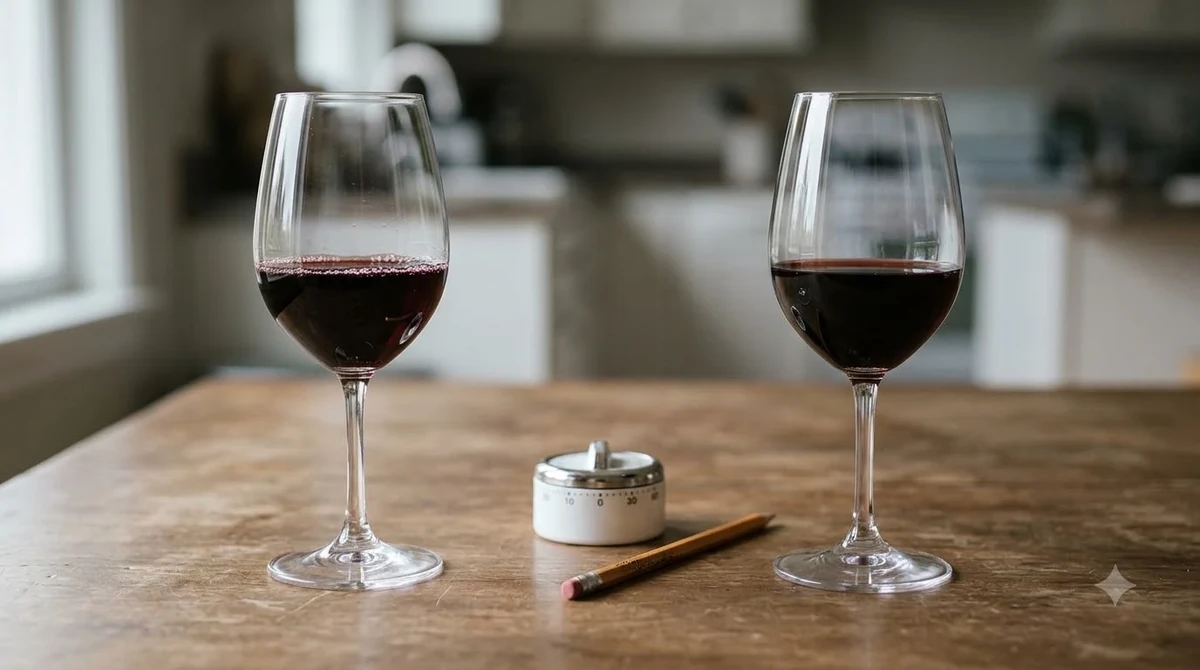
For many Argentine Malbecs, the first aromas are ripe plum, blackberry, and black cherry, sometimes followed by cocoa, sweet spice, or floral violet. Decanter’s Malbec profile describes the familiar Argentine style as fruit-forward and juicy, with ripe plum and darker berries; it also notes that higher-altitude Uco Valley Malbec can lean toward red fruit and violet. Ripe fruit aromas do not mean the wine is sweet; most dry Malbec has little residual sugar.
Tempranillo often suggests cherry, raspberry, and plum, with tobacco, herbs, and leather appearing as developed notes. Bottle age can add dried fruit, earth, and spice. An oak-aged Rioja beside a young Mendoza Malbec makes a clear contrast, although region and cellar choices also shape it.
Both grapes can show plum and spice, and each can be made fresh and unoaked or richer and oak-influenced. Choose Malbec for black fruit first, or Tempranillo for cherry and savory notes. Smell each glass before sipping, then revisit it after several minutes as air reveals additional detail.
Body, Tannin, Acidity, and Alcohol
Malbec and Tempranillo can both have enough body and tannin to stand up to hearty food, but their texture often differs. Malbec is commonly described as full-bodied with rounded tannins, while Tempranillo ranges from medium-bodied and supple to firmly structured and concentrated.
Tannin is the drying sensation that grips the gums and sides of the mouth. In many Argentine Malbecs, ripe fruit and a relatively soft tannin impression make the wine feel smooth and broad, even when its tannin level is not low. The grape can also produce high-tannin wines, particularly in Cahors, where the traditional style has a darker, more structured profile. Decanter notes that Malbec has the potential for high tannin and acidity alongside ripe fruit, which helps explain why some examples age well rather than simply drinking as soft, young reds.
Tempranillo’s structure depends strongly on origin and extraction. A fresh, young Rioja can feel supple and balanced, with lively fruit and enough acidity to keep it from seeming heavy. Ribera del Duero and Toro versions are often more concentrated and tannic. Tempranillo also responds well to blending: in Rioja, Garnacha can contribute fruit, while Graciano and Mazuelo can contribute structure and acidity. A varietal label does not always mean the wine is made from only one grape, so the back label or producer notes can help explain the blend.
Alcohol warmth is another useful clue, although it should not decide the purchase by itself. Decanter points out that Mendoza Malbecs commonly exceed 14 percent alcohol by volume, reflecting the challenge of managing ripeness in a warm climate. Higher-altitude sites can preserve freshness, and the final alcohol level still varies by harvest and cellar decisions. Acidity refreshes the palate between bites, while tannin interacts with protein and fat. Salt and fat soften tannin, helping both wines work with grilled meat; seasoning still matters.
Tip: If a red wine feels hot or heavy, serve it slightly cooler rather than leaving it at a warm room temperature. Start a full-bodied Malbec or Tempranillo around 60–65°F, and try a lighter-bodied Rioja closer to 55–60°F.
Growing Regions Shape the Style
Malbec’s best-known modern identity comes from Argentina, while Tempranillo is most strongly associated with Spain. However, Malbec also has a historic home in southwest France, and Tempranillo’s styles vary considerably across Spanish regions.
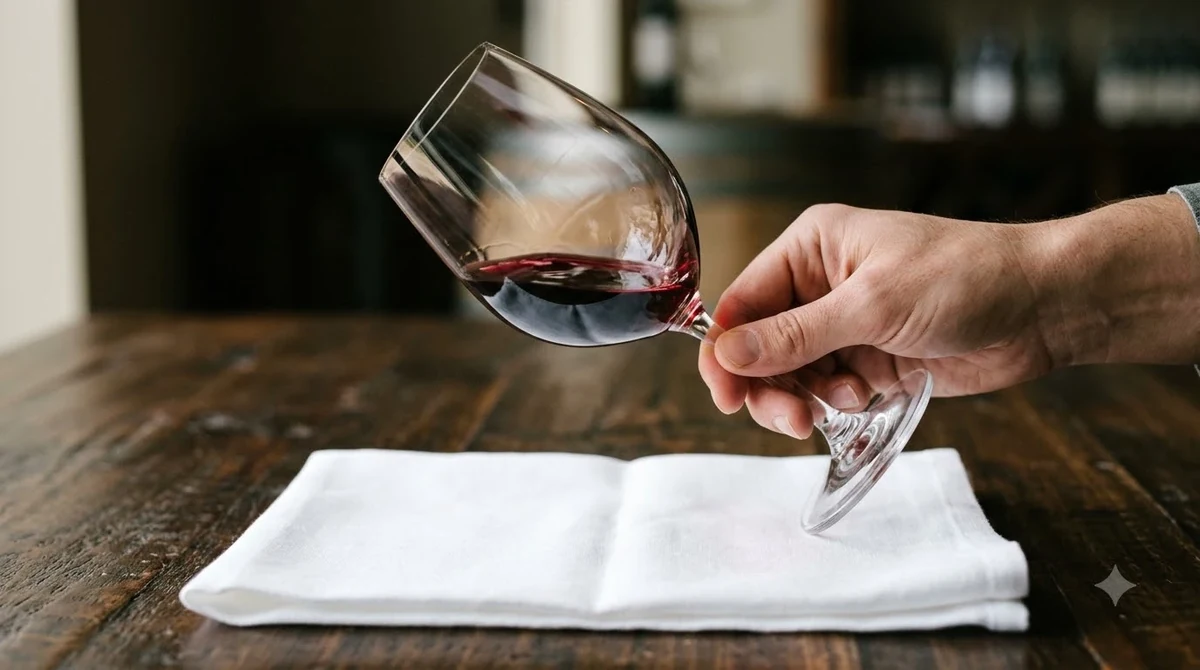
Argentina’s Mendoza region is the reference point for many drinkers exploring Malbec. Sunny, dry conditions and the Andes’ rain shadow help define the region, but altitude creates meaningful differences within it. The Uco Valley’s higher sites can produce Malbec with fresher acidity, more red-fruit detail, and floral notes such as violet. Lower and warmer sites are more likely to give a riper, fuller impression. Wines of Argentina describes Malbec as a variety that expresses the diversity of the country’s regions, rather than a single uniform style.
Malbec’s French home is Cahors in southwest France, where it is also known as Côt. These wines can be more savory, earthy, and tannic than the plush Argentine style. A Cahors bottle is useful for anyone who likes Malbec’s dark color and fruit but wants firmer structure and a less overtly ripe character. Malbec is also grown in Chile and other countries, so the grape name on its own does not establish a wine’s flavor profile.
For Tempranillo, Rioja is a familiar starting point. Rioja wines may be single-variety or blends, and the region’s styles range from youthful and fruit-driven to oak-aged and complex. Ribera del Duero, farther inland along the Duero River, is known for more concentrated expressions, while Toro also produces powerful Tempranillo under local names such as Tinta de Toro. The Wine Enthusiast overview describes Rioja as highly varied and notes that Ribera del Duero and Toro wines are often more powerful and concentrated than most Rioja examples. Climate, elevation, soil, and harvest timing shape ripeness and freshness, so wines from one appellation can still differ. If you like Spanish Garnacha, the site’s Grenache vs Tempranillo comparison can help clarify the difference between a typically generous, fruit-forward red and Tempranillo’s range of fruit and savory structure. For a different comparison with Malbec, Chianti vs Malbec looks at how Sangiovese’s acidity and savory character contrast with Argentine Malbec.
Oak Aging and Label Terms
Oak can be a major part of Tempranillo’s identity, especially in Rioja, but it is not a requirement for every bottle. Malbec is also aged in oak, though many everyday examples emphasize primary fruit rather than a clearly marked aging category.
Rioja uses regulated aging terms that help consumers understand minimum maturation. According to the Rioja Control Board’s classification, a red Crianza must undergo at least two years of aging, including at least one year in a 225-liter oak barrel. A red Reserva requires at least three years across barrel and bottle, with a minimum of one year in oak and at least six months in bottle. A Gran Reserva requires at least five years overall, including a minimum of two years in oak and two years in bottle. These are minimum requirements, not tasting guarantees; a producer may age a wine longer, and the wine’s fruit, acidity, vintage, and storage condition still matter.
Oak can add vanilla, clove, cedar, toast, or baking spice, depending on barrel origin, age, size, and toast. Bottle aging can soften fresh fruit and bring leather, tobacco, or earthy notes forward. For the category rules, the Rioja Control Board’s classification details explain the minimum maturation periods.
Malbec labels rely more on grape and place names than on a universal aging ladder. Mendoza examples may be unoaked, matured in concrete, or aged in barrels, from vivid and fresh to dense and layered. Structure alone does not prove a wine spent a long time in oak; treat “barrel aged” and producer notes as clues. To separate grape from maturation, first compare young examples, then an oak-aged Rioja with a structured Malbec. Crianza and Reserva signal minimum Rioja aging, not a quality score or a guarantee of heavy oak flavor.
Food Pairings and Serving Temperature
Malbec is a natural match for grilled and roasted meats, while Tempranillo is especially versatile with Spanish flavors, roast pork, and dishes with herbs or paprika. Both can pair well with food because their fruit and structure balance savory flavors, protein, and fat.
For Malbec, try grilled steak, beef short ribs, lamb burgers, or smoky mushrooms. Dark fruit complements char, while tannin works with steak’s protein and fat; richer versions also suit aged cheddar. Keep chili moderate because alcohol and tannin can amplify heat.
Tempranillo suits roast pork, lamb chops, grilled sausages, tomato stews, and tapas with paprika. A young Rioja works with patatas bravas, grilled chicken, or chorizo; a Reserva can handle braised beef or aged Manchego. Red fruit and savory notes complement herbs, garlic, and browned flavors.
Serve by body, not just color: full-bodied examples suit 60–65°F, while lighter reds work around 55–60°F. A brief refrigerator rest can cool a warm bottle. Excess heat emphasizes alcohol; excessive chill can mute aroma and make tannin seem firmer. A 750 ml bottle yields about five 5-ounce pours. Open each wine shortly before the meal; a young, full-bodied red may benefit from 30–60 minutes in a decanter if its tannins feel tight. For another Spanish white-wine comparison with seafood and lighter dishes, see Albariño vs Sauvignon Blanc.
Frequently Asked Questions
A Rioja Crianza’s two-year minimum and the 3–5-day window for storing an opened still red are practical details that often affect a buying decision. The answers below also explain what grape and regional names can—and cannot—tell you.
Is Malbec sweeter than Tempranillo?
Both are generally made as dry red wines, so neither grape is inherently sweeter. Malbec is also known by the name Côt in its French home of Cahors, while Tempranillo’s name refers to its relatively early ripening. Those names describe grape history, not different sweetness levels.
Which wine is better for someone new to red wine?
A ripe Argentine Malbec is often an approachable starting point because its fruit is easy to recognize and its tannins can feel rounded. In Rioja, the generic category generally covers first- or second-year wines that retain fresh, fruity character, making it a useful label cue for a youthful style. Producer choices still matter, so taste before committing to a full bottle.
Can Malbec and Tempranillo be blended together?
They can be blended where the applicable wine rules allow it, but the pairing is not a standard regional formula. Malbec is one of the grapes permitted in Bordeaux red blends, while Rioja’s authorized red varieties include Tempranillo, Garnacha tinta, Graciano, Mazuelo, and Maturana tinta. The appellation on the label therefore matters as much as the grape names.
Does Tempranillo always taste like vanilla and oak?
No. In Ribera del Duero, Tempranillo may also be called Tinto Fino, while Toro uses the name Tinta de Toro; neither regional name means that the wine must taste of oak. Vanilla and toast are barrel-derived possibilities, not defining flavors of the grape itself.
Can an opened bottle of either wine be saved?
Yes. Recork the bottle or use a suitable closure, refrigerate it, and aim to finish a still red within about 3–5 days. Bring the remaining wine back toward its recommended serving temperature before pouring; refrigeration slows oxidation but does not stop the wine from changing.
Choose Malbec when you want dark fruit, a generous texture, and a natural partner for grilled beef; choose Tempranillo when you want cherry-led fruit with savory detail and a wide range of oak-aged styles. For the most useful comparison, taste bottles from clearly identified regions and similar quality levels so you can notice the grape as well as the place and winemaking choices.
More in Wine vs Wine
 Nero d’Avola vs Pinot Noir: Taste, Body, and Pairing DifferencesUpdated Nov 21, 2026
 Chenin Blanc vs Pinot Blanc: Key Differences in Taste, Acidity, and PairingsUpdated Nov 21, 2026
 Chardonnay vs Shiraz: Key Differences in Taste, Serving, and PairingUpdated Nov 21, 2026
 Chardonnay vs Verdejo: How Spain’s Crisp White Compares to the World’s ChameleonUpdated Nov 21, 2026
 Chardonnay vs Sancerre: Key Differences in Taste, Grapes, and PairingUpdated Nov 21, 2026
 Chardonnay vs Malbec: Key Differences in Taste, Body, and PairingUpdated Nov 21, 2026