

We may earn a commission when you buy through links on this page, at no extra cost to you. Learn more.
The masi costasera wine price typically falls around $65 to $80 for a 750 ml bottle of standard Masi Costasera Amarone della Valpolicella Classico in the United States. This premium Italian red wine comes from Veneto and uses partially dried Corvina, Rondinella, and Molinara grapes to develop concentrated fruit, structure, and depth. The exact amount depends on the vintage, retailer, bottle format, and local availability, while the more elaborate Riserva version occupies a separate premium category.
Masi Costasera is a recognizable name in the Amarone category, offering a fuller and more concentrated style than many everyday Italian reds. Its appeal comes from traditional grape-drying methods, substantial alcohol, ripe cherry and plum flavors, and the ability to accompany rich meals. Understanding its production, different versions, and typical retail range makes it easier to decide whether a bottle deserves a place in your wine collection or on your dinner table. Readers looking for a closer look at the wine itself can also explore this Masi Costasera wine overview.
Who Should Consider Buying Masi Costasera?
Masi Costasera suits wine drinkers who enjoy full-bodied Italian reds with concentrated fruit, noticeable alcohol, and a substantial finish. It is particularly appealing to people who appreciate Amarone’s traditional character and want a bottle suitable for special dinners, mature cheese boards, or thoughtful gifts.
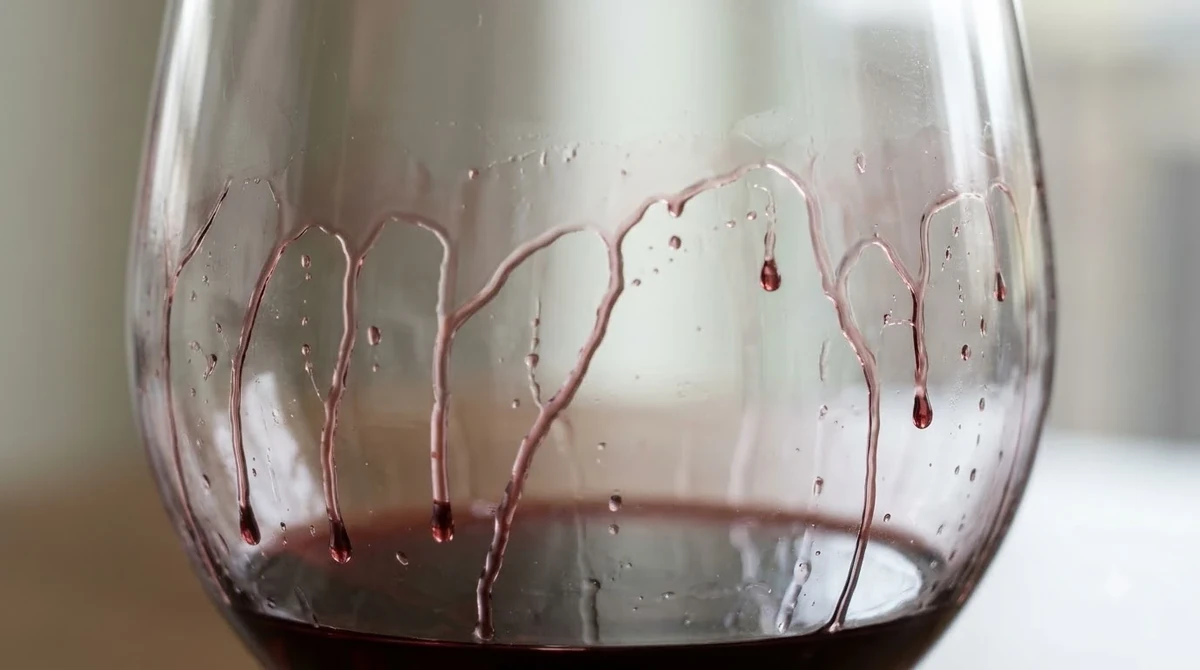
The wine comes from Valpolicella Classica in Veneto, north of Verona. Masi uses Corvina, Rondinella, and Molinara, three traditional local varieties, to create its standard Costasera Amarone. According to the producer’s information, the wine develops a deep ruby appearance, aromas of cherry and plum, and additional hints of cinnamon and cloves. Coffee and cocoa notes contribute to its distinctive character.
Its concentrated character also makes it different from lighter Italian reds. Someone accustomed to everyday Chianti or inexpensive table wine may find Costasera noticeably richer, warmer, and more substantial. Its listed alcohol level in Masi’s US brand information is 14.85%, so it is not a particularly light choice.
Costasera makes sense for several types of buyers:
- Amarone enthusiasts: Drinkers who already appreciate dried-grape wines and want a recognizable producer from Valpolicella.
- Special-occasion buyers: People looking for a substantial red to accompany a celebratory dinner or an important gift.
- Red-meat enthusiasts: Diners who regularly prepare roast beef, lamb, braised short ribs, or game.
- Wine collectors: Buyers interested in keeping bottles for future occasions, provided they have appropriate storage conditions.
- Italian wine explorers: Drinkers interested in understanding why Amarone occupies a distinctive position among Italian red wines.
Costasera may be less suitable for someone seeking a light, inexpensive weekday red or a refreshing wine for warm-weather sipping. It also is not the obvious choice for delicate seafood, lightly seasoned vegetables, or meals where a high-alcohol wine could overwhelm the food.
Buyers comparing different price categories can also explore our guide to Wine Brands for additional context about choosing producers and understanding their product ranges. For a contrast with an everyday, widely distributed wine, our Barefoot wine guide covers a very different buying category.
Key Factors That Determine Masi Costasera Wine Price
The price of Costasera depends on more than the producer’s name. Bottle size, vintage, wine designation, retailer, and storage history can all influence the amount a US buyer encounters.
| Buying factor | What to look for | Why it matters |
|---|---|---|
| Standard designation | Amarone della Valpolicella Classico DOCG | The regular Costasera expression |
| Riserva designation | Amarone della Valpolicella Classico Riserva DOCG | A distinct, more elaborate wine |
| Standard bottle size | 750 ml | Common retail comparison format |
| Magnum format | 1,500 ml | Double the volume of a standard bottle |
| Grape blend | Corvina, Rondinella, Molinara | Identifies the standard Costasera blend |
| Riserva grape blend | Corvina, Rondinella, Oseleta, Molinara | Includes the additional Oseleta variety |
| Alcohol content | Approximately 14.85% for standard Costasera | Indicates its substantial style |
| Retail availability | State, retailer, and vintage | Can change the final purchase cost |
Standard Costasera retail range
For a standard 750 ml bottle, a practical US shopping expectation is approximately $65 to $80. Total Wine’s listing displays $72.99 for a 750 ml bottle, while Vivino shows a listing around $68.25. These retailer listings support that general shopping range, although individual stores may carry different vintages and availability. Prices vary by state and retailer.
These figures are reference points rather than guaranteed nationwide prices. State alcohol regulations, distributor arrangements, shipping restrictions, inventory, and retailer pricing policies can all affect what appears at checkout.
Vintage also matters. A current release and an older bottle may not be interchangeable purchases, even if both display the Costasera name. Older vintages can attract different pricing because of limited remaining stock, condition, provenance, and consumer demand.
Why the Riserva costs more
Riserva Costasera is a separate wine rather than simply a different label applied to the standard bottle. Masi includes Oseleta alongside Corvina, Rondinella, and Molinara, and its technical information specifies at least three years of aging in wood casks.
Those additional production considerations help explain why shoppers should compare standard Costasera and Riserva separately. A higher price for the Riserva does not automatically mean it is the better choice for every dinner. Its more structured style and longer finishing character make it particularly attractive to drinkers who appreciate concentrated, complex reds.
When comparing two listings, look at the complete designation, vintage, bottle size, and producer description rather than relying on the word Costasera alone. The official Masi Costasera product information is a useful reference for checking the standard wine’s grape varieties, production approach, and tasting profile.
Tip: Compare two 750 ml bottles from the same vintage category before deciding whether one listing represents better value. A standard Costasera and a Riserva Costasera are different wines, so their prices should not be compared as though they were identical products.
Step-by-Step: How to Choose the Right Costasera Bottle
Choosing the right Costasera starts with identifying the wine designation and intended occasion. A few straightforward checks can prevent confusion between standard Amarone, Riserva, older vintages, and larger bottle formats.
-
Identify the exact wine.
Start by looking for Amarone della Valpolicella Classico DOCG on the standard Costasera bottle. If the description includes Riserva, you are considering a different expression with Oseleta in the blend and a specified minimum of three years in wood casks.
-
Decide how much wine you need.
A 750 ml bottle provides approximately five standard 5 oz servings. A 1,500 ml magnum provides roughly ten such servings, making the larger format useful for dinners with several guests.
-
Compare the vintage.
Check the vintage shown on the retailer’s listing and bottle. Older Amarone can offer a different stage of development, while younger examples generally show more primary fruit. Avoid paying a premium for age without considering the bottle’s storage history.
-
Establish your spending limit.
Use the approximate $65 to $80 standard-bottle range as a starting point for US shopping. Compare the total cost, including shipping where applicable, rather than considering the displayed bottle amount in isolation.
-
Check the retailer’s information.
Review the product designation, bottle volume, vintage, country of origin, and return policy. For older bottles, ask about provenance and storage conditions before committing to the purchase.
-
Match the wine to your occasion.
Standard Costasera is a suitable option for a substantial roast-beef dinner or a cheese-focused evening. Riserva makes more sense when the occasion calls for a more structured expression and a wine intended for slower appreciation.
-
Plan the serving conditions.
Prepare a suitable wine glass and allow the bottle to reach approximately 60-65°F before serving. If the wine is young and particularly concentrated, consider giving it 30-60 minutes in a decanter.
These steps also help distinguish a genuine buying decision from a comparison based only on the producer’s reputation. A well-chosen standard bottle can be more appropriate than a more expensive Riserva if the goal is simply to enjoy Amarone with dinner.
Types and Styles of Masi Costasera Explained
The main distinction is between standard Costasera Amarone and Riserva Costasera Amarone. Both belong to the Amarone della Valpolicella Classico DOCG category, but they differ in grape composition, production details, and the experience they are intended to provide.
Standard Costasera Amarone
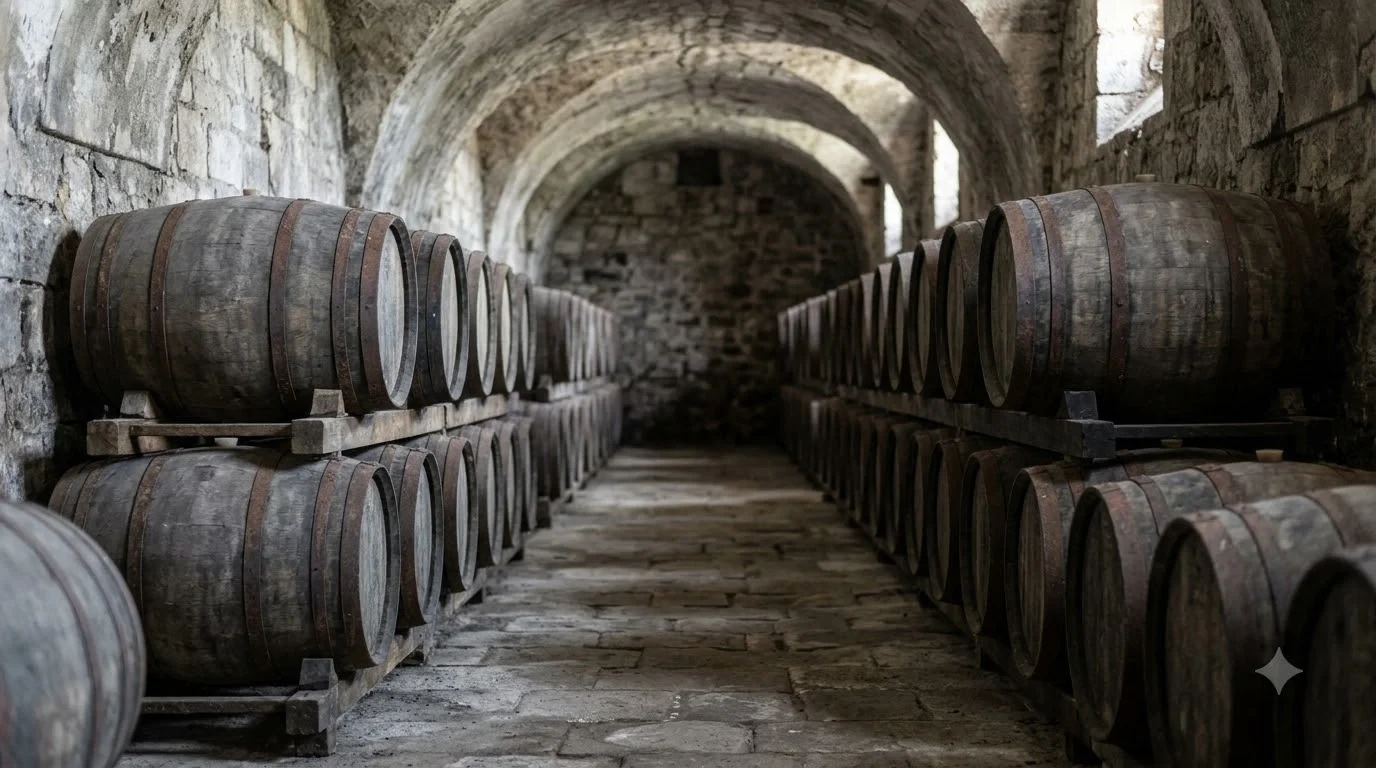
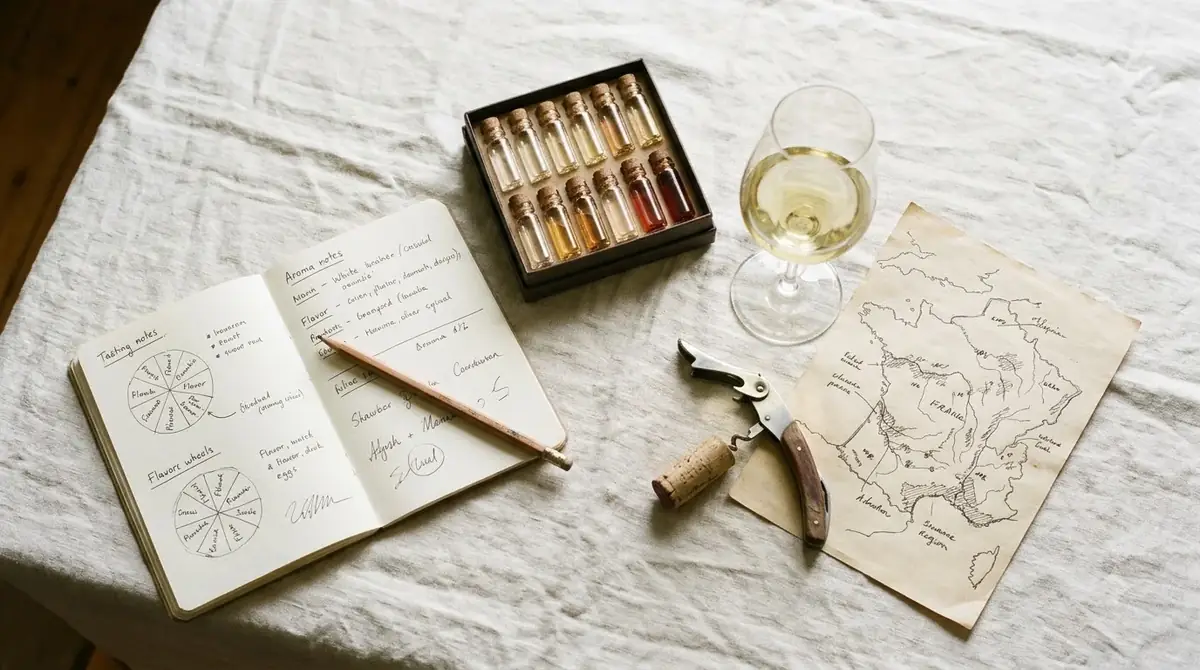
The standard expression uses Corvina, Rondinella, and Molinara. Masi dries selected grape clusters on bamboo racks during the winter months using the traditional appassimento method. HERITA USA describes a drying period of approximately 3-4 months before fermentation and subsequent aging in stainless-steel and oak vessels.
This process is central to the wine’s concentrated character. As grapes lose water during drying, their remaining juice becomes more concentrated. The resulting Amarone can develop ripe fruit flavors, a fuller texture, and substantial alcohol.
Masi identifies baked fruit, plum, and cherry among the wine’s principal aromatic characteristics. Coffee and cocoa contribute additional layers, making it a natural match for richly flavored meals. The standard Costasera is the appropriate starting point for most first-time buyers interested in the producer’s Amarone.
Riserva Costasera
Riserva Costasera takes the same broad Valpolicella tradition in a more specialized direction. Its blend includes Oseleta alongside Corvina, Rondinella, and Molinara, while Masi’s technical information specifies a minimum of three years in wooden casks.
Its profile includes very ripe fruit, cinnamon, vanilla, cooked cherries, and cloves. The producer describes a long, dry finish, while HERITA USA highlights velvety tannins and refreshing acidity. The result is a structured red that can suit mature cheeses, game, and substantial meat dishes.
Its listed alcohol content is 15.5%, compared with the 14.85% figure given for standard Costasera in HERITA USA’s technical information. This distinction is useful for buyers who want to understand the differences between the two versions rather than treating them as interchangeable bottles.
Older vintages and bottle formats
Older Costasera vintages are another consideration. A mature bottle may show more developed aromas and a less overtly fruit-driven profile than a younger release. K&L Wine Merchants’ professional review collection for the 2007 vintage includes descriptions involving balsamic notes, cinnamon, sandalwood, ripe berries, and black cherry.
However, age alone does not guarantee quality. Storage conditions and bottle provenance are particularly important for older wines. A bottle kept in a consistently cool, dark environment is a more sensible purchase than one with an uncertain history, regardless of its age.
Bottle format also affects the buying decision. A 750 ml bottle is practical for approximately five servings, while a 1,500 ml magnum provides approximately ten. Larger bottles can be attractive for group celebrations, although they require appropriate storage space and serving equipment.
Common Mistakes When Buying Masi Costasera
Most purchasing mistakes involve confusing the standard wine with Riserva, misunderstanding the Amarone style, or judging a bottle exclusively by its age. Knowing what to examine before purchasing makes the price easier to evaluate.
Confusing Costasera with Riserva
The standard Costasera and Riserva Costasera have different compositions and production details. Standard Costasera uses three principal grape varieties, while Riserva includes Oseleta and has a specified extended wood-aging requirement.
For that reason, a listing that simply says Masi Costasera is not enough information for a detailed comparison. Identify the complete designation before deciding whether the asking amount is reasonable.
Assuming Amarone is a sweet wine
Amarone is made using partially dried grapes, which concentrate fruit flavors and contribute to its rich, sometimes almost sweet-smelling character. However, Costasera is a dry red wine rather than a dessert wine.
Its ripe cherry, plum, and baked-fruit aromas can create an impression of sweetness without making the wine sugary. This distinction matters when selecting a bottle for a meal. A drinker expecting a light, fruity, inexpensive red may find the texture, alcohol, and intensity quite different from expectations.
Ignoring alcohol content
Standard Costasera is listed at 14.85% alcohol in HERITA USA’s product information, while Riserva is listed at 15.46% there. Masi’s own Riserva technical sheet rounds its alcohol figure to 15.5%.
These are substantial figures for red wine. Serve moderate pours rather than filling large glasses, particularly during a long meal. A standard 5 oz serving is a useful reference for portion planning.
Buying old bottles without checking their condition
Costasera has an estimated aging potential of 30-35 years according to Masi’s product information. That does not mean every bottle will remain in excellent condition for that entire period regardless of storage.
Heat exposure, sunlight, temperature fluctuations, and damaged closures can undermine wine quality. When considering a mature vintage, ask the seller about storage conditions and inspect the bottle for signs of leakage or an unusually low fill level.
Serving the wine too warm
Full-bodied red wines often lose definition when served excessively warm. Costasera’s substantial fruit and alcohol benefit from a controlled serving temperature rather than prolonged exposure to a warm dining room.
Although Masi lists a serving temperature around 68°F for standard Costasera through its US brand information, a practical full-bodied red serving range is 60-65°F. Allow the bottle to warm slightly in the glass if it has been stored cooler.
Care and Storage Tips for Masi Costasera
Proper storage helps protect Costasera’s concentrated fruit, structure, and aging potential. Keep unopened bottles away from sunlight, excessive heat, and repeated temperature changes, ideally in a consistently cool environment near 55°F.
Store unopened bottles correctly
For bottles sealed with natural cork, horizontal storage keeps the cork in contact with the wine. A wine refrigerator or dedicated cellar is useful because it provides more stable conditions than an ordinary kitchen cabinet.
Try to maintain a dark storage area with minimal vibration. Avoid keeping wine near an oven, radiator, window, or appliance that produces regular heat. A stable environment is more important than constantly adjusting the bottle’s position.
Masi estimates a shelf life of 30-35 years for standard Costasera and Riserva. This is an indication of the wines’ potential rather than a promise that every bottle will improve continuously for that period.
Serve at a controlled temperature
Costasera is best appreciated when it is not excessively warm. A practical target is approximately 60-65°F for a full-bodied red. If the bottle has been stored in a cool cellar, allow it to approach serving temperature gradually before pouring.
For Riserva, Masi’s technical information recommends 18°C, approximately 64°F. This falls comfortably within the practical serving range for full-bodied red wines.
Decanting and glassware
A young Costasera can benefit from approximately 30-60 minutes in a decanter before serving. This allows the wine to interact with air and can make its concentrated fruit and aromatic layers more expressive.
Older bottles require more care. Extended exposure to air may cause delicate developed aromas to fade, so a mature vintage is better approached with a cautious, shorter decanting period. If sediment is present, careful pouring can help leave it behind in the bottle.
Choose a reasonably large red-wine glass with enough room for the wine’s aromas to collect. Pour approximately 5 oz rather than filling the glass to the rim. This leaves space to swirl and appreciate the changing aromas.
Food pairing and serving occasions
Masi specifically recommends Costasera with grilled or roasted red meat, game, quail, and flavorful cheeses. Parmesan, Pecorino, and Gorgonzola are particularly appropriate choices because their savory intensity complements the wine’s concentrated fruit and structure.
Other suitable dishes include slow-braised beef, roast lamb, mushroom risotto, and beef short ribs. The richness of these meals provides a suitable match for the wine’s full body and concentrated character.
Avoid pairing this Amarone with delicate white fish or lightly seasoned dishes that could disappear beneath its intensity. Very hot chili dishes can also make the alcohol feel more pronounced. For a cheese course, choose mature and flavorful selections rather than very mild fresh cheeses.
Once opened, a still red wine such as Costasera will generally remain in reasonable drinking condition for approximately 3-5 days when properly recorked and refrigerated. Bring the remaining wine toward serving temperature before pouring again.
Frequently Asked Questions
Is Masi Costasera considered a luxury wine?
Costasera belongs to the premium Amarone category rather than the everyday entry-level red wine segment. Its DOCG designation, traditional appassimento production, and concentrated style contribute to its positioning. The Riserva expression adds a more specialized production approach with Oseleta and extended wood aging.
What does the word Costasera mean?
Masi connects the name with the sunset-facing slopes of Valpolicella Classica. The vineyards overlook Lake Garda and benefit from reflected light and a milder local climate. This geographical association is central to the producer’s explanation of the wine’s identity.
Is Masi Costasera suitable as a wine gift?
Yes, particularly for someone who enjoys Italian reds or already knows Amarone. Its recognizable DOCG designation and distinctive bottle presentation make it appropriate for a special dinner or wine-focused celebration. A 750 ml bottle is generally a practical gift format, while a magnum can suit a larger gathering.
Does Masi Costasera contain added sugar?
Amarone’s concentrated fruit character comes primarily from the appassimento process, which removes water from the grapes before fermentation. That process does not mean the finished wine is a sweet dessert wine. For precise residual-sugar information, consult the technical documentation for the particular vintage.
What is the difference between Amarone and Recioto?
Both wines are associated with the traditional appassimento method in Valpolicella. Amarone is fermented into a dry red wine, while Recioto retains substantial natural grape sweetness and is traditionally served as a dessert wine. Masi identifies Recioto as the traditional sweet counterpart to Amarone.
Masi Costasera is a compelling choice for buyers who appreciate concentrated Italian reds, traditional winemaking, and a substantial food-friendly style. A standard 750 ml bottle in the approximate $65 to $80 US retail range provides a useful starting point, while Riserva offers a more specialized alternative. Compare the vintage, designation, and bottle condition before purchasing to make sure the wine suits both your occasion and expectations.
More in Wine Brands
 Underwood Wine Price: Compare Bottles, Cans, and Pack SizesUpdated Nov 21, 2026
 Zenato Wine Price: Compare Styles and Choose the Right BottleUpdated Nov 21, 2026
 Zuccardi Wine Price: Compare Bottles and Find the Right RangeUpdated Nov 21, 2026
 Yellow Tail Moscato Review: Taste, Sweetness and Serving TipsUpdated Nov 21, 2026
 Wolf Blass Yellow Label Review: Choose Your Best StyleUpdated Nov 21, 2026
 Wolffer Estate Rose Review: Choose the Right Bottle for Your TableUpdated Nov 21, 2026