

We may earn a commission when you buy through links on this page, at no extra cost to you. Learn more.
The franzia sangria alcohol content is 9% alcohol by volume (ABV) for Franzia Fruity Red Sangria. That means a measured 5-ounce pour contains about 0.45 fluid ounces of pure alcohol, or roughly three-quarters of a U.S. standard drink. The 5-liter box is listed as providing about 34 five-ounce servings, and Franzia recommends serving the sangria chilled over ice.
Franzia’s Fruity Red Sangria is a sweet, light-bodied red wine drink with citrus and berry notes. The important distinction is that the 9% figure applies to this sangria product, not to every Franzia wine; other wines in the brand’s range can have different strengths. The following breakdown explains the ABV, the real amount in a glass, and how package size affects the number of pours.
Franzia Sangria Alcohol Content at a Glance
Franzia Fruity Red Sangria is listed at 9% ABV, and its familiar large format is a 5-liter box. Franzia describes the wine as vibrant and sweet, with citrus and berry notes, and recommends serving it chilled over ice.
The 9% figure is alcohol by volume: alcohol represents 9% of the drink’s total volume. It is not a statement about the share of calories from alcohol, the amount of sugar, or the strength of every wine sold under the Franzia name. For this product, BevMo’s listing identifies a 5-liter box at 9.0% ABV, while Franzia’s own product page confirms the style, package sizes, serving size, flavor description, and suggested serving method. That combination gives a useful way to read the number without assuming that all sangria or all boxed wine has the same strength.
Franzia’s page gives a serving size of 5 ounces and says a 5-liter box yields 34 servings. That arithmetic is consistent: 5 liters is about 169 U.S. fluid ounces, while 34 measured 5-ounce pours total 170 ounces. The small difference comes from rounding the package volume and serving count. A 5-liter box is therefore a little more than six standard 750-milliliter wine bottles by volume, rather than one very large bottle.
What 9% ABV Means in a Measured Pour
A five-ounce glass of 9% ABV sangria contains about 0.45 fluid ounces of pure alcohol. This is lower than the 0.6 fluid ounces in the National Institute on Alcohol Abuse and Alcoholism (NIAAA)‘s reference example of a 5-ounce glass of 12% table wine, but the serving still contains a meaningful amount of alcohol.
The calculation is straightforward: multiply the serving volume by the alcohol percentage. For a 5-ounce pour, 5 multiplied by 0.09 equals 0.45 fluid ounces of alcohol. The same calculation can be used for any measured serving, so a larger 8-ounce glass contains about 0.72 fluid ounces of alcohol before accounting for ice or other additions. A generous free-pour can therefore contain substantially more alcohol than the five-ounce serving printed on the product page.
The U.S. standard drink is defined by the NIAAA as 0.6 fluid ounces, or 14 grams, of pure alcohol. Using that measure, a 5-ounce pour of Franzia Fruity Red Sangria works out to about 0.75 standard drinks. A 10-ounce serving would be about 1.5 standard drinks, while a 2.5-ounce half-pour would be about 0.375. These figures are calculations from the listed 9% ABV, not separate serving claims made by the winery.
| Measured amount | Pure alcohol at 9% ABV | Approx. U.S. standard drinks |
|---|---|---|
| 2.5 oz | 0.225 fl oz | 0.38 |
| 5 oz | 0.45 fl oz | 0.75 |
| 8 oz | 0.72 fl oz | 1.20 |
| 10 oz | 0.90 fl oz | 1.50 |
The figures are rounded to two decimal places where useful. The standard-drink column divides the estimated pure alcohol by 0.6 fluid ounces, the NIAAA’s U.S. reference amount. A glass filled to the brim is not automatically a standard serving: the liquid volume, rather than the shape or capacity of the glass, determines the calculation. For a more dependable comparison between drinks, measure the pour instead of estimating it from glass height.
Tip: Use a 5-ounce measure for the first pour so you can see how large Franzia’s stated serving looks in your glass. Many everyday wine glasses hold considerably more than 5 ounces, so a glass that looks half full can still contain more than one labeled serving.
How It Compares With Table Wine and Other Boxed Wines
At 9% ABV, Franzia Fruity Red Sangria is below the 12% table-wine example used by the NIAAA to illustrate one standard drink in a 5-ounce glass. A five-ounce serving of the sangria contains about three-quarters as much pure alcohol as that reference pour. The difference is useful when comparing labels, but it does not mean that every red wine or every boxed wine has a fixed strength.
Wine alcohol levels vary with grape variety, ripeness, fermentation choices, and the style a producer intends to make. Sangria adds another layer because it is a flavored wine drink, not simply a generic red wine poured into a glass. Franzia’s product description emphasizes sweetness and citrus-berry flavors, while a conventional Pinot Grigio or Sauvignon Blanc is usually described by its grape variety and wine style. It is more accurate to compare the printed ABV on the exact products than to assume a whole category shares one number.
Readers comparing boxed wines can use our separate explainer on black box pinot grigio alcohol content as a second reference point. A bottle comparison is also useful: see the information on cavit pinot grigio alcohol content before assuming two wines with similar color or serving style have similar alcohol levels. For a broader look at labels and styles across producers, the Wine Brands section offers more brand-specific explanations.
One practical way to compare two wines is to put the same serving volume beside each ABV. For example, a 5-ounce pour at 9% contains 0.45 fluid ounces of pure alcohol, while a 5-ounce pour at 12% contains 0.60 fluid ounces. The second serving has one-third more pure alcohol than the first, even though both glasses contain exactly five ounces of liquid. This is why a sweet, fruit-forward wine should not be judged by taste alone: sweetness can make alcohol seem less prominent, but it does not change the ABV printed for the drink.
Sweetness, Citrus Flavor, and Food Pairings
Franzia describes its Fruity Red Sangria as sweet, light-bodied, and marked by citrus and berry notes. Its own pairing suggestions include fried chicken and themed picnics, while the product listing also points to barbecue and citrus dishes. These cues make it a casual match for savory food, outdoor meals, and dishes with a little char rather than a wine that needs a formal tasting menu.
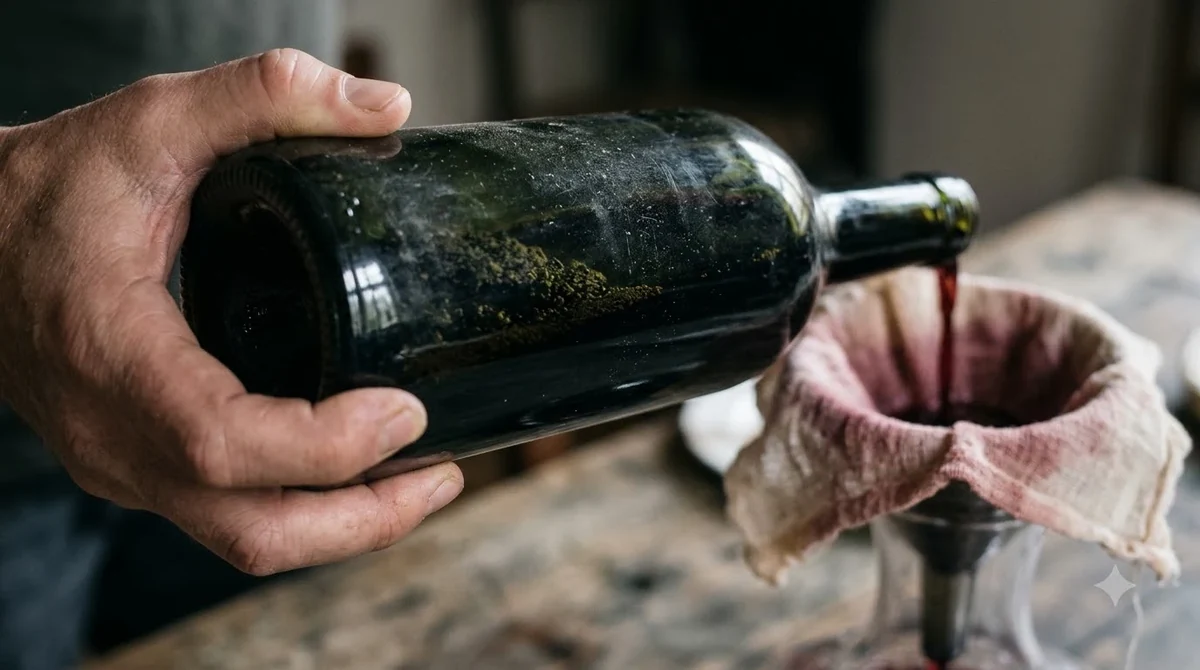
Fried chicken works because a crisp, salty coating and rich texture provide contrast to the sangria’s fruit and sweetness. Barbecue is a natural match for a similar reason: smoky, savory flavors can sit comfortably beside berry and citrus notes. For a picnic, try roast chicken, grilled sausages, mild cheeses, olives, or a fruit-and-cheese plate with fresh berries. The wine’s sweetness is more likely to feel balanced beside savory food than beside a dessert that is markedly sweeter than the drink.
Sweetness matters in food pairing. A wine should generally be at least as sweet as the dessert served beside it; otherwise, the wine can taste sharper or less fruity by comparison. For example, a moderately sweet berry tart may work better than an intensely sugary frosting cake. Acidic foods also need enough acidity in the wine to keep the pairing lively, so a sharp lemon dressing can make a softer, sweeter drink seem less crisp. When the dish is especially tart, include a less acidic component such as roast chicken, grains, or a creamy dip.
Keep strong chili heat in mind. Alcohol can make spicy heat feel more pronounced, and a sweet fruit profile does not cancel that effect. If the meal includes hot wings or heavily spiced barbecue, keep the seasoning moderate and offer water or a nonalcoholic drink as another option. The goal is to let the fruit and citrus flavors complement the food rather than have the heat dominate the pairing.
Serving Franzia Sangria Chilled and Over Ice
Franzia’s serving direction is simple: serve Fruity Red Sangria chilled over ice. Cooling the drink emphasizes its refreshing fruit character, and ice makes it easy to serve at a casual gathering without preparing a separate pitcher. Start with a clean glass, add a few ice cubes, and pour a measured 5-ounce serving over them.
Ice changes the drink as it melts. The amount of alcohol in the glass does not increase, but added water increases the drink’s total volume and lowers its concentration. That is why a slowly sipped glass over ice may taste lighter near the end than it did at the first sip. The total pure alcohol originally poured remains the same, assuming no additional sangria or spirits are added.
For a group, set out a measuring cup or a marked pourer next to the box. Franzia lists 5 ounces as one serving, and that reference helps hosts estimate how many glasses a package will provide. The official product page says a 5-liter box contains 34 such servings. A larger party glass may be convenient, but it changes how many portions the box supplies and how much alcohol is in each glass.
Serve the sangria with its suggested food rather than treating it as a substitute for a mixer or a low-alcohol soft drink. The product is still an alcoholic wine drink at 9% ABV, even though it tastes sweet and is served with ice. A glass with extra fruit, soda, or sparkling water will have a different final concentration from the straight product, depending on how much nonalcoholic mixer is used. For consistency, keep additions separate until serving and use the same ratio from glass to glass.
Box Sizes, Tap Storage, and Freshness
Franzia’s product page shows 5-liter and 3-liter size options for Fruity Red Sangria and gives the serving size as 5 ounces. It lists 34 servings for a 5-liter box, 10 for 1.5 liters, and 3 for 500 milliliters. The 5-liter figure is the clearest party-planning reference because the brand states both the package volume and the number of measured servings.
When estimating a gathering, multiply the number of guests by the number of servings each person is likely to choose, then compare that total with the package’s stated 34 pours. For example, 10 guests receiving two five-ounce pours each would use 20 servings, leaving about 14 of the listed servings in the box. A group of 17 people receiving two measured servings each would use the full 34. Those are planning examples rather than a recommendation about how much anyone should drink.
Franzia says the boxed wine stays fresh for up to six weeks after opening. Treat that as the brand’s stated maximum freshness window, not a guarantee that every opened box will taste identical for six weeks under all conditions. Keep the box in a cool refrigerator after opening, close the tap between pours, and avoid leaving it in a warm car or in direct sun during an outdoor event. Good storage helps preserve the fruit character that makes the sangria appealing.
The box format is also different from an ordinary bottle once it has been opened: wine is dispensed through a tap, so the remaining wine is not exposed to air in the same way as a partly empty bottle with a large air space. Franzia specifically promotes the wine-tap package and says it uses less packaging waste than glass bottles. For best quality, keep the tap clean, store the box upright as designed, and follow the freshness guidance on the product packaging.
Frequently Asked Questions
These answers address common questions about sangria style, recipe adjustments, and serving choices that go beyond the ABV printed for Franzia Fruity Red Sangria.
Can Franzia sangria be mixed with soda or juice?
Yes. A splash of soda water, lemonade, or fruit juice can make a glass longer and change its sweetness and texture. For a party-sized pitcher, a useful starting ratio from BBC Good Food is approximately 500 milliliters of mixer for 1.4 liters of wine, with fruit added to taste.
Can sangria be made with white or rosé wine?
Yes. Sangria is not limited to red wine; white wine and rosé versions are common, and sparkling bases such as Cava or Prosecco can also be used. White sangria is sometimes described as sangría blanca, and its fruit selection can emphasize peaches, apples, or white grapes.
Can brandy be added to a pitcher of sangria?
Brandy is a traditional addition in many homemade recipes, although it is not necessary for every version. BBC Good Food gives a guide of roughly one part spirit to five parts wine for a party batch, while emphasizing that the amount depends on the spirit and the desired result.
What Spanish foods are commonly served with sangria?
Classic companions include paella, Spanish tortilla, and chorizo stew. A tapas spread also works well because guests can combine small savory bites, vegetables, cured meats, and cheeses with the fruit-forward drink.
Should fruit be prepared ahead for homemade sangria?
Preparing the fruit ahead gives it time to take on the drink’s flavors. BBC Good Food describes Spanish chef José Pizarro marinating cherries, peaches, or strawberries the day before serving, with sugar and spices such as cloves and cinnamon.
Franzia Fruity Red Sangria’s listed 9% ABV makes a five-ounce pour straightforward to compare with a standard wine serving, while its 5-liter box offers about 34 measured glasses. Measure the pour, serve it chilled over ice, and keep the opened box refrigerated so its citrus and berry character stays fresh.
More in Wine Brands
 Sofia Blanc De Blancs Price: What to Expect and How to BuyUpdated Nov 21, 2026
 Stags Leap Wine Review: Compare Napa Wines and Choose the Right BottleUpdated Nov 21, 2026
 Sea Smoke Wine Review: Choose the Right Bottle for Your TasteUpdated Nov 21, 2026
 Sofia Wine Review: Choose the Right Bottle for Every OccasionUpdated Nov 21, 2026
 Spy Valley Wine Price: Compare Bottlings and Find the Right WineUpdated Nov 21, 2026
 Screaming Eagle Wine Review: Understand Its Wines Before BuyingUpdated Nov 21, 2026