


We may earn a commission when you buy through links on this page, at no extra cost to you. Learn more.
This screaming eagle wine review finds that Screaming Eagle is best understood as a collectible Oakville Cabernet Sauvignon producer known for exceptional vineyard selection, limited production, and finely structured wines. Its flagship Cabernet Sauvignon combines concentrated dark fruit, floral aromas, freshness, and polished tannins rather than relying on power alone. The Flight offers a Merlot-led alternative, while the exceptionally scarce Sauvignon Blanc gives collectors another expression of the estate. Understanding the differences between these wines, their availability, and their drinking requirements helps buyers decide whether Screaming Eagle deserves a place in their cellar.
Screaming Eagle occupies a distinctive position in Napa Valley wine culture. Its reputation comes from a combination of its Oakville vineyard, careful selection of individual vineyard blocks, influential early critical attention, and a production model that makes its wines difficult to obtain. However, its reputation does not automatically make every bottle the right purchase for every wine enthusiast. This guide examines the producer’s background, wine styles, buying considerations, food pairings, and storage practices so that collectors and curious Cabernet Sauvignon drinkers can make informed decisions.
Who This Is For: Understanding Screaming Eagle’s Appeal
Screaming Eagle is primarily suited to experienced Cabernet Sauvignon enthusiasts, serious Napa Valley collectors, and buyers interested in distinctive single-estate wines. Its appeal extends beyond the famous label because the estate’s approach to vineyard management and blending creates a recognizable combination of concentration, freshness, and structure.

The winery’s history begins with Jean Phillips, who purchased the Oakville property in 1986. The vineyard initially contained mostly white varieties, although a small section of approximately one acre was planted with Cabernet Sauvignon. Phillips recognized the potential of that Cabernet fruit and eventually developed the property into one of Napa Valley’s most recognizable luxury wine estates. The first vintage was 1992, and its commercial release followed in 1995. Heidi Peterson Barrett made that inaugural wine, which received extraordinary critical attention. The early success helped establish Screaming Eagle as a leading name in the American cult-wine category.
Location is central to the producer’s identity. Oakville is an established Napa Valley growing district particularly associated with Cabernet Sauvignon. Its combination of warm afternoons, cooling influences, varied soils, and favorable growing conditions supports wines with ripe fruit and substantial structure. The Decanter examination of Screaming Eagle’s vineyard and blending process explains how differences between individual vineyard sections contribute to the finished wines.
Potential buyers should understand that Screaming Eagle is not simply a familiar Napa Cabernet label available through ordinary supermarket wine departments. Production is limited, and mailing-list allocations have historically played an important role in distribution. Secondary-market availability can vary substantially between vintages, bottle sizes, and sellers.
This makes the producer particularly relevant to people who already appreciate structured red wines and want to explore an important Napa Valley estate. Someone primarily interested in inexpensive weekday Cabernet Sauvignon may find that other producers offer a more practical introduction to the grape. For a broader introduction to producers at different price and style levels, the Wine Brands directory provides a useful starting point.
Key Factors to Compare Before Buying Screaming Eagle
The most important buying considerations are the specific wine, vintage, bottle condition, provenance, and intended drinking date. Comparing these factors is more useful than relying on the famous name or an isolated critic score.
| Buying factor | Verified detail | What it means for buyers |
|---|---|---|
| Estate location | Oakville AVA, Napa Valley | Identifies the origin and regional Cabernet Sauvignon style. |
| Vineyard area | 19.4 hectares | Provides context for the estate’s focused vineyard identity. |
| Vineyard management | 50 individually managed blocks in Decanter’s 2016 account | Shows the attention given to differences between vineyard sections. |
| Blending components | More than 100 components in the 2016 study | Allows detailed selection of fruit and press fractions. |
| Flagship Cabernet production | Approximately 500–850 cases, according to The Napa Wine Project | Helps explain the limited availability. |
| Flagship grape emphasis | Cabernet Sauvignon-led Bordeaux blend | Appeals to drinkers who enjoy concentrated, structured reds. |
| The Flight | Historically approximately 55%–75% Merlot | Offers a different balance of fruit and tannin. |
| Retail bottle formats | 750 ml bottles and larger magnums are listed by Wine.com | Gives collectors different options for serving and cellaring. |
These figures describe different aspects of the estate rather than a guarantee that every vintage follows identical production or blending decisions. Vineyard conditions, crop size, and the winemaking team’s selection decisions influence the final composition. For example, the number of cases produced can change with vintage yield, while the proportions of individual grape varieties can also vary.
Provenance deserves particular attention because Screaming Eagle is a collectible wine. A bottle purchased directly through an authorized allocation channel generally offers a more straightforward ownership history than one that has changed hands repeatedly. For older vintages, buyers should request information about storage conditions, previous ownership where available, and the bottle’s physical condition.
Vintage selection should also reflect drinking preferences. A buyer planning to open a bottle soon may prefer a mature vintage with developed aromas and integrated tannins. Someone building a cellar may instead select a younger bottle with sufficient structure for extended development. Professional tasting notes can help narrow the options, but they should not replace attention to storage history and individual bottle condition.
Tip: Before purchasing a collectible bottle, ask for photographs of the fill level, capsule, label, and bottle condition. For older Screaming Eagle vintages, storage provenance can be more important than a small difference between published critic scores.
Step-by-Step: How to Choose a Screaming Eagle Wine
A sensible buying process starts with identifying the wine style, then moves through vintage selection, seller verification, provenance checks, and serving plans. Following these steps helps prevent an expensive purchase from becoming an unsuitable or poorly stored bottle.
-
Decide which wine you want.
Begin by distinguishing the flagship Cabernet Sauvignon from The Flight and Sauvignon Blanc. The flagship is the central expression of the estate and is generally the natural starting point for Cabernet collectors. The Flight provides a Merlot-led alternative, while the white wine is an unusual option for collectors interested in the producer’s less familiar bottlings.
-
Establish your preferred drinking window.
Decide whether the bottle is intended for a special meal soon or for a longer cellar hold. Young Cabernet Sauvignon can have firm tannins and concentrated fruit that benefit from additional bottle development. A mature bottle may provide more developed aromas and a softer overall impression, although its condition must be considered individually.
-
Research the specific vintage.
Read professional reviews that describe fruit character, acidity, tannin, alcohol, and expected drinking maturity. Compare at least two independent tasting assessments where possible. A score alone does not explain whether a vintage is particularly structured, floral, ripe, or approachable.
-
Verify the seller and bottle history.
Look for an established fine-wine merchant with clear provenance information and appropriate storage practices. Ask whether the bottle has remained in professional temperature-controlled storage and whether the seller can document its chain of ownership. Be cautious about unusually inexpensive offers, incomplete photographs, or vague explanations of origin.
-
Choose the bottle size.
A standard 750 ml bottle is suitable for a conventional dinner with several guests. A 1.5-liter magnum provides a larger format and can be useful for a substantial celebration or longer-term cellar plans. Larger formats also require appropriate storage space and a serving plan.
-
Plan the food pairing.
Match the wine’s structure with food that has sufficient flavor and texture. Cabernet Sauvignon is particularly suitable for grilled beef, roast lamb, and aged hard cheeses. The Flight’s Merlot-led character can work well with roast pork, duck, or mushroom-based dishes.
-
Prepare for proper service.
Stand the bottle upright before opening if sediment is present or suspected. Serve a full-bodied red at approximately 60–65 degrees Fahrenheit, rather than at an excessively warm room temperature. For a young, structured Cabernet Sauvignon, allow approximately 30–60 minutes of decanting when appropriate.
These steps are especially important when buying a bottle for a milestone occasion. The cost and scarcity of Screaming Eagle can create pressure to select a particular vintage without considering whether it suits the meal or drinking date. A more deliberate approach puts the wine’s actual characteristics first.
Types and Styles Explained: Cabernet Sauvignon, The Flight, and Sauvignon Blanc
Screaming Eagle offers distinct expressions rather than one uniform wine style. The flagship Cabernet Sauvignon is the principal collectible red, The Flight emphasizes Merlot, and the limited Sauvignon Blanc provides a rare white-wine alternative.
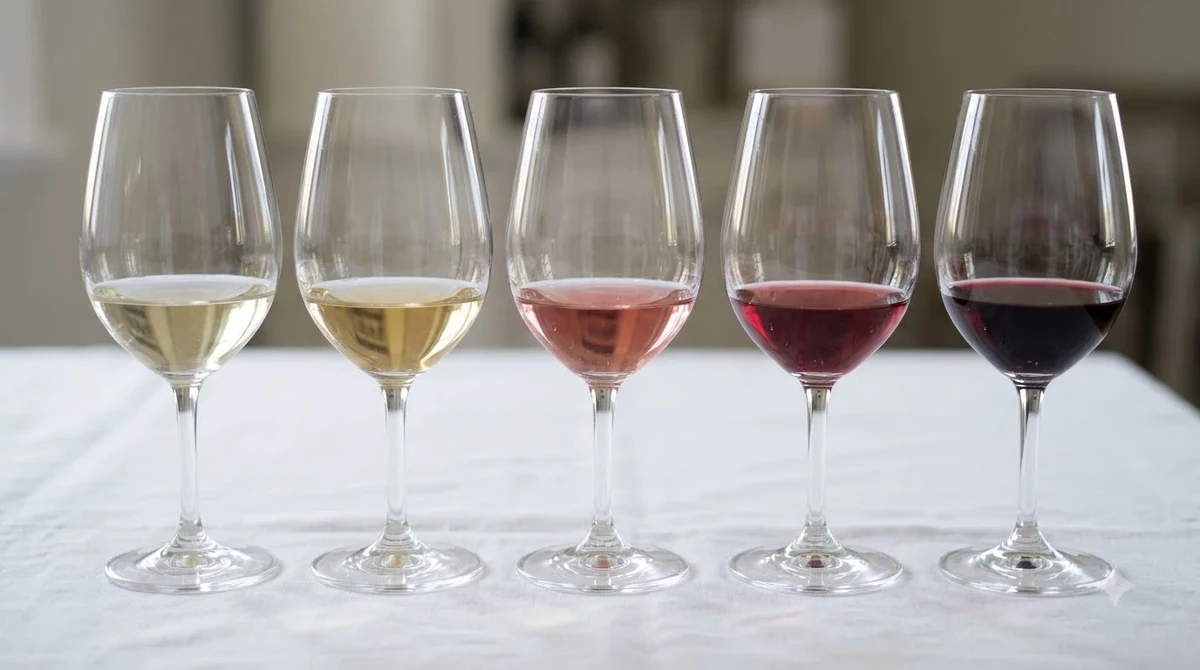
Screaming Eagle Cabernet Sauvignon
The flagship Cabernet Sauvignon is the wine most closely associated with the producer’s reputation. Its composition is Cabernet Sauvignon-led, with Cabernet Franc and Merlot used as blending varieties in documented vintages. This Bordeaux-inspired approach allows the winemaking team to combine Cabernet’s structure with complementary fruit, aromatic detail, and textural qualities from the other varieties.
The typical sensory profile includes blackcurrant, cassis, dark cherry, blackberry, plum, and floral notes. Depending on the vintage, additional characteristics can include cedar, graphite, dried herbs, spice, and mineral impressions. The palate generally combines concentrated fruit with substantial but refined tannins and enough freshness to prevent the wine from feeling excessively heavy.
Decanter’s account of the 2016 vineyard components provides useful insight into this style. Different Cabernet Sauvignon blocks contributed distinct qualities: some provided concentrated cassis and structure, while others supplied floral aromas and a more approachable texture. This detailed selection helps explain why the finished wine is not simply a powerful, fruit-heavy Napa Cabernet.
The Flight
The Flight is the estate’s second principal red wine. It originally appeared under the name Second Flight, and its first vintage was 2006. The wine was introduced in 2012 and subsequently became known as The Flight.
Merlot provides the foundation for its style. Historical descriptions place its Merlot proportion at approximately 55% to 75%, although individual vintage compositions vary. Cabernet Sauvignon and Cabernet Franc can contribute additional structure, aromatic complexity, and depth.
The Flight typically emphasizes a more Merlot-driven profile, with plum, red cherry, raspberry, and dark berry characteristics. Its tannins can feel more approachable than those of the flagship Cabernet Sauvignon, although it remains a serious structured red rather than a simple early-drinking wine.
The difference is particularly important for buyers deciding between the two wines. Someone seeking the classic Cabernet Sauvignon experience associated with Oakville should start with the flagship. Someone who enjoys Merlot’s softer fruit expression and wants to explore another side of the estate may prefer The Flight.
Screaming Eagle Sauvignon Blanc
The estate also produces an exceptionally limited Sauvignon Blanc. It is much less familiar than the flagship red and is produced in very small quantities. The Napa Wine Project describes typical production as approximately one or two barrels, illustrating why this bottling is particularly difficult to encounter.
Sauvignon Blanc offers a fundamentally different drinking experience from Cabernet Sauvignon. Its expected style emphasizes freshness, acidity, and aromatic fruit rather than substantial red-wine tannins. It can be more suitable for seafood, salads, and lighter dishes than the estate’s powerful red bottlings.
Buyers interested in this wine should verify the exact vintage and bottle identity carefully. Its limited production means that availability is not consistent, and its rarity should not be confused with a guarantee that it will suit every Sauvignon Blanc enthusiast.
The following comparison summarizes the main differences:
| Wine | Main grape emphasis | General style | Suitable occasion |
|---|---|---|---|
| Screaming Eagle Cabernet Sauvignon | Cabernet Sauvignon | Concentrated, structured, floral, refined | Special dinners and cellar collections |
| The Flight | Merlot | Plum-driven, supple, balanced | Collector dinners and premium red-wine occasions |
| Screaming Eagle Sauvignon Blanc | Sauvignon Blanc | White wine with a freshness-focused profile | Seafood and lighter meals |
For buyers comparing different producers, the contrast between Screaming Eagle and more widely distributed labels can be substantial. A bottle of Screaming Eagle wine represents a highly collectible Oakville estate, whereas Barefoot wine is a familiar, accessible brand with a very different distribution model and everyday drinking audience. These are not direct substitutes, but the comparison helps clarify the importance of matching a producer to the intended occasion.
Common Mistakes When Buying and Evaluating Screaming Eagle
The biggest mistakes involve treating the brand name as a substitute for vintage research, assuming that every bottle is equally collectible, and overlooking the importance of storage. Understanding the wine itself is essential, even for buyers who are primarily interested in collecting.
Assuming every vintage tastes the same
Vintage conditions affect ripeness, acidity, tannin, and overall balance. A warmer growing season can produce a different fruit profile from a cooler or more variable season. Vineyard selection and blending decisions also change according to the fruit available.
Consequently, a review of one vintage should not be treated as a universal description of every Screaming Eagle Cabernet Sauvignon. Buyers should read vintage-specific notes rather than relying on a single historical review to characterize the entire range.
Confusing scarcity with personal preference
A wine can be exceptionally rare and still not match someone’s preferred style. Cabernet Sauvignon drinkers who prefer lighter-bodied reds may find Screaming Eagle more concentrated and tannic than expected. Those who favor softer Merlot-based wines may find The Flight more appealing.
Rarity explains demand, but it does not establish whether a wine is the right choice for a particular meal, collector, or drinking occasion. The same principle applies to the limited Sauvignon Blanc: its scarcity does not make it automatically preferable to other high-quality white wines.
Buying from an unverified source
Collectible wine attracts sellers with varying levels of expertise and documentation. Bottles can pass through multiple owners, storage facilities, and shipping environments before reaching a buyer. Each stage introduces potential uncertainty.
For older bottles, examine fill levels, capsules, labels, and evidence of leakage. Ask whether the bottle has experienced significant temperature fluctuations. A reputable seller should be able to provide a clear explanation of the bottle’s history and storage arrangements.
Expecting immediate drinking perfection
Young Cabernet Sauvignon can have concentrated fruit and firm tannins that require time to integrate. Opening a bottle too soon without preparation may make it seem less harmonious than its potential suggests.
Decanting can help a young wine become more expressive, but it should not be treated as a replacement for bottle aging. Older vintages require a more cautious approach because excessive exposure to oxygen can reduce their remaining aromatic intensity.
Comparing critic scores without reading tasting notes
Professional scores can provide a convenient reference, but two highly rated vintages may offer very different experiences. One might emphasize dark fruit and structure, while another might be more floral, fresh, and approachable.
Read the tasting description, alcohol information, drinking window, and vintage context before deciding. The wine’s actual style is more useful than a numerical ranking when selecting a bottle for a particular occasion.
Care, Serving, and Storage Tips for Collectible Napa Cabernet
Proper storage and service protect the quality of collectible wine and help reveal its intended character. Temperature stability, bottle position, careful opening, and appropriate serving temperatures are particularly important for mature Cabernet Sauvignon.
Store bottles consistently
Store Screaming Eagle bottles on their sides in a dark, temperature-controlled environment near 55 degrees Fahrenheit. Horizontal storage keeps the cork in contact with the wine and helps maintain a consistent seal in traditional cork-closed bottles.
Avoid locations exposed to direct sunlight, kitchen heat, radiators, or repeated temperature fluctuations. A wine refrigerator or professional cellar is preferable to a standard household cupboard for long-term storage. Excessive vibration should also be avoided where practical.
Serve at the right temperature
Full-bodied red wines are generally best served at approximately 60–65 degrees Fahrenheit. A wine served too warm can emphasize alcohol and make its structure feel heavy. A bottle served too cold may seem tighter and less aromatic.
If the bottle has been stored in a cellar near 55 degrees Fahrenheit, allow it to warm gradually before serving. Avoid placing a valuable bottle near a heater or using rapid temperature changes to prepare it for dinner.
Decant according to age and structure
A young full-bodied Cabernet Sauvignon can benefit from approximately 30–60 minutes of decanting. This exposure to air may help reveal its aromatic complexity and soften the initial impression of firm tannins.
Mature bottles deserve more caution. If sediment is present, careful decanting can separate the wine from the deposits without unnecessarily exposing it to oxygen. Some older wines are best poured gently and consumed soon after opening.
Choose food that complements the wine
Cabernet Sauvignon works particularly well with beef, lamb, and other richly flavored dishes. Grilled ribeye, slow-roasted short ribs, and roast lamb provide enough flavor and texture to complement the wine’s tannins. Salt and fat also help soften the perception of tannin.
Hard cheeses such as aged cheddar and Parmigiano-Reggiano can make suitable accompaniments. Mushroom dishes with roasted herbs and savory sauces can also complement the wine’s earthy and floral characteristics.
Avoid pairing a highly tannic red with delicate oily fish. The combination can create an unpleasant metallic impression. Spicy food also requires care because alcohol and tannin can amplify the perception of chili heat.
Handle opened bottles carefully
Once opened, still wines generally keep for approximately three to five days in the refrigerator, although the quality of a premium older wine may decline sooner. Use a suitable closure and minimize unnecessary exposure to air.
For a special bottle, opening it with a group large enough to enjoy most of the wine is often preferable to leaving substantial quantities unfinished. A standard 750 ml bottle provides approximately five conventional 5-ounce servings, which makes planning the guest list relatively straightforward.
Collectors should also avoid repeatedly moving a mature bottle between storage environments. Stable conditions are more valuable than frequent attempts to adjust the cellar temperature. Proper handling helps protect both the wine’s drinking quality and its collectible condition.
Frequently Asked Questions
Who owns Screaming Eagle Winery?
Stan Kroenke acquired the estate in 2006 alongside Charles Banks. Banks subsequently left the ownership arrangement, and Kroenke became the sole proprietor in 2009, according to the historical account published by The Napa Wine Project. The estate’s ownership history is separate from its winemaking team’s history.
Is Screaming Eagle open for public winery tours?
The Napa Wine Project identifies the property as private and reports that regular public tours are not offered. Access is therefore different from that of many Napa Valley tasting rooms. Buyers should not assume that purchasing a bottle automatically includes an opportunity to visit the winery.
Who was Screaming Eagle’s first winemaker?
Heidi Peterson Barrett made the inaugural 1992 vintage. Her involvement helped establish the estate’s early identity during the period when Napa Valley cult Cabernet Sauvignon was attracting substantial international attention. Her contribution is an important part of the producer’s historical reputation.
What does the Screaming Eagle name refer to?
The brand name was selected by founder Jean Phillips while developing the estate’s identity. The Napa Wine Project recounts that some Robert Mondavi Winery staff members who sampled the early wine did not initially favor the proposed name. Nevertheless, Screaming Eagle became one of the most recognizable names in American collectible wine.
Does Screaming Eagle use only estate-grown grapes?
The estate is closely associated with its Oakville vineyard and its detailed management of individual vineyard sections. Its winemaking approach involves selecting and separately evaluating numerous vineyard components before blending. This process is an important part of its identity, rather than simply combining finished wines from unrelated sources.
Screaming Eagle stands out because its wines combine a distinctive Oakville vineyard identity with careful selection and limited production. The flagship Cabernet Sauvignon is the natural choice for collectors seeking the estate’s signature style, while The Flight and Sauvignon Blanc provide different expressions worth understanding. Buyers who prioritize vintage, provenance, storage, and personal taste will be better positioned to appreciate what makes this Napa Valley producer so distinctive.
More in Wine Brands
 Sofia Wine Review: Choose the Right Bottle for Every OccasionUpdated Nov 21, 2026
 Spy Valley Wine Price: Compare Bottlings and Find the Right WineUpdated Nov 21, 2026
 Sangre De Toro Wine Price: How to Choose the Right BottleUpdated Nov 21, 2026
 Smoking Loon Wine Price: What to Expect From Each BottleUpdated Nov 21, 2026
 Silver Oak Cabernet Review: Choose the Right California RedUpdated Nov 21, 2026
 Robert Mondavi Private Selection Wine Price: What to Budget by StyleUpdated Nov 21, 2026