

We may earn a commission when you buy through links on this page, at no extra cost to you. Learn more.
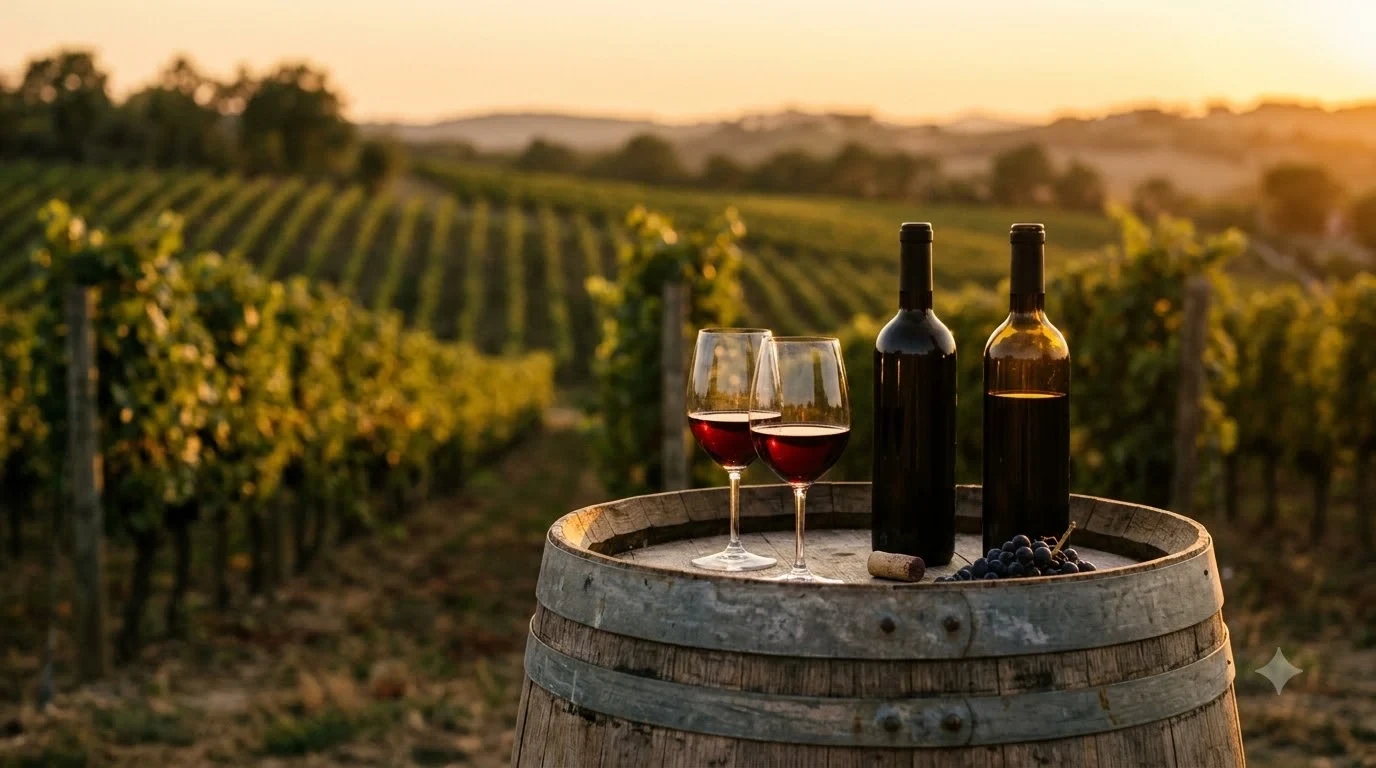
Screaming Eagle wine is a rare Cabernet Sauvignon from a small Oakville estate in Napa Valley, first made in 1992 and sold almost entirely through a closed mailing list. It is one of the best-known cult wines in California, and its reputation rests on a tiny production, old vines and a sales system that makes most bottles hard to buy. This guide covers the wine’s history, its style and why collectors treat it differently from everyday Napa Cabernet.
Napa Valley produces some of the most celebrated Cabernet Sauvignon in the world, but Screaming Eagle occupies a category of its own. Its story is part winemaking, part marketing and part the economics of scarcity. If you want context on how producers and their brands differ, the overview of wine brands is a useful reference point.
How Screaming Eagle started
The estate began when Jean Phillips, a former real estate agent, bought a 57-acre property on the Oakville bench in 1986. Most of the vineyard’s grapes were sold to other Napa wineries, and she kept back a small block of Cabernet Sauvignon for a wine of her own. That decision, to keep a sliver of a larger site, is the root of the wine’s rarity.
Phillips was encouraged to make wine herself, and she hired Heidi Peterson Barrett as winemaker. The first commercial vintage was 1992, and it was released in 1995. Early bottles caught the attention of critics quickly, and the wine’s reputation grew from there.
According to one wine newsletter’s account of Napa cult Cabernets, the estate was sold in 2006, and it has since been owned by Stan Kroenke. Ownership changes matter less to most buyers than the wine itself, but they help explain why the brand continues to carry such a strong reputation for consistency and quality.
Why production stays so small
Screaming Eagle makes a very small amount of wine each year. Output is typically measured in a few hundred cases, and in some years it reaches roughly 800 cases. That figure is tiny next to most Napa estates, and it is the main reason bottles are hard to find.
The vineyard works with old, well-sited Oakville vines grown at low yields. Grapes are hand-picked in small, selective passes, and the wine is aged in new French oak. Each of these choices adds cost and effort, and together they make a wine that is concentrated, structured and built for a long life in the bottle.
What the wine tastes like
Screaming Eagle is a big, concentrated Cabernet Sauvignon. Its profile leans toward dark fruit, firm structure and a long finish, with the oak adding spice and depth rather than dominating the fruit. Writers who have followed the wine describe real concentration and a structure built to age, rather than a soft, early-drinking style.
That style rewards patience. Young bottles can feel tightly wound, and many collectors prefer to cellar them for years before opening. Older bottles soften and develop savory notes, though the fruit remains a strong feature through the middle years.
| Feature | What to know |
|---|---|
| Region | Oakville, Napa Valley |
| Grape | Cabernet Sauvignon |
| First commercial vintage | 1992, released 1995 |
| Annual output | A few hundred cases, up to about 800 in some years |
| Buying route | Mailing list, with the market serving most buyers |
Tip: If you want to taste Oakville Cabernet without the allocation hunt, look at other Napa bottlings from valley-floor sites. They show a similar regional profile at a much more open market.
How the mailing list works
The main official route to buy Screaming Eagle is a mailing list. That list has been closed to new members for many years, which makes access a matter of existing relationships and a long wait. Once a buyer is on the list, purchases are limited, and the wine is priced well above what an ordinary Napa Cabernet would cost.
Most buyers therefore meet the wine through the secondary market, at auctions or through specialist merchants. Prices in that market are driven by scarcity, the wine’s critical reputation and the limited number of bottles released each year, not by a simple comparison with other Napa Cabernets.
How to serve a bottle
For a wine built to age, decanting is a sensible step, especially for younger vintages that need time to open. Serve it slightly below room temperature, and allow the wine to warm gradually in the glass. A large red-wine glass will let the aromas gather.
The wine pairs naturally with rich, savory dishes such as prime beef, roasted lamb or a dish with aged hard cheese. Those foods match its weight and give the structure a reason to shine. Keep the rest of the meal simple so the wine has room to be the focus.
Is it worth the effort?
Whether the wine is worth the effort depends on what you want from a bottle. Many people who buy Screaming Eagle are interested in the story, the rarity and the chance to taste one of Napa’s most discussed Cabernets. Others prefer to spend the same energy on well-made Napa bottles that are easier to open and enjoy in a normal week.
If you are looking for a more open entry point to Napa, consider barefoot wine for everyday tables, or explore the Stella Rosa wine range for a very different, lighter approach to the glass.
What the cult label means
The term cult wine describes a small group of Napa Cabernets that gained a following through limited output, a high critical profile and a sales system that rewards loyalty. Screaming Eagle is often placed at the top of that group, alongside a handful of other estates that built their reputations on one tiny vineyard. The label is more about the mystique of access than a formal category, but it helps explain why the wine draws so much attention.
Winemaking choices matter a great deal for a wine like this. Low yields concentrate the fruit, and selective hand-picking helps keep only the best material. New French oak adds structure and aroma, but the core of the wine is its fruit. The team’s approach centers on careful picking and long aging, which is why the wine feels built for the cellar rather than for early drinking.
Vintage variation still applies. Even a site with old vines can produce uneven years, and a wine made in small quantities feels every change in the weather. Collectors usually compare vintages carefully, and the most admired years are often those in which the vines ripened fully without losing their freshness.
Anyone who ends up with a bottle should store it well. A cool, dark cellar at a steady temperature protects the structure and keeps the fruit from fading. Because the wine is built to age, it is sensible to keep it for several years before opening, unless you have a specific reason to drink it sooner.
Frequently Asked Questions
Who makes Screaming Eagle wine?
Screaming Eagle is made at an estate in Oakville, Napa Valley. The property was bought by Jean Phillips in 1986, and Heidi Peterson Barrett was hired as winemaker for the first vintage.
Is Screaming Eagle a cult wine?
Yes. It is widely described as a Napa cult Cabernet because of its tiny production, its closed mailing list and the strong demand from collectors and critics.
How can I buy Screaming Eagle wine?
The main official route is the winery’s mailing list, which has been closed to new members for years. Most buyers find bottles through the secondary market, including auctions and specialist merchants.
Should Screaming Eagle wine be decanted?
Decanting is a sensible step for a structured Cabernet built to age, especially for younger bottles. Serve it slightly below room temperature and let it open in the glass.
Screaming Eagle wine is a rare Oakville Cabernet whose reputation comes from a small estate, old vines, a limited output and a closed sales system. Understanding that background helps explain why it sits apart from the rest of Napa Valley. For a wider view of producers and their styles, the wine brands guide is a good place to continue.
More in Wine Brands
 Underwood Wine Price: Compare Bottles, Cans, and Pack SizesUpdated Nov 21, 2026
 Zenato Wine Price: Compare Styles and Choose the Right BottleUpdated Nov 21, 2026
 Zuccardi Wine Price: Compare Bottles and Find the Right RangeUpdated Nov 21, 2026
 Yellow Tail Moscato Review: Taste, Sweetness and Serving TipsUpdated Nov 21, 2026
 Wolf Blass Yellow Label Review: Choose Your Best StyleUpdated Nov 21, 2026
 Wolffer Estate Rose Review: Choose the Right Bottle for Your TableUpdated Nov 21, 2026