

We may earn a commission when you buy through links on this page, at no extra cost to you. Learn more.
The smoking loon wine price generally falls in the affordable everyday-wine category, with observed US retailer listings placing selected 750 mL bottles at approximately $6 to $12. The exact amount depends on the variety, retailer, location, and availability. Smoking Loon offers approachable red and white wines, including Cabernet Sauvignon, Merlot, Pinot Noir, Chardonnay, and Pinot Grigio, making it a practical option for casual dinners and everyday drinking.
Smoking Loon appeals to shoppers who want recognizable grape varieties, fruit-forward flavors, and accessible wine without paying premium-winery prices. Its portfolio includes both familiar single-variety wines and blends, so comparing the specific bottle matters just as much as comparing the shelf price. This guide explains typical retail costs, popular varieties, differences between styles, and practical buying and serving tips.
Who This Is For
Smoking Loon is worth considering for shoppers who prioritize approachable flavors, familiar grape varieties, and reasonable everyday spending. Its portfolio covers several common wine styles, making it easier to choose a bottle for a weeknight meal, informal gathering, or relaxed dinner with friends.
The brand is part of Don Sebastiani & Sons, and its producer describes the range as fruit-forward, balanced, and approachable. Alec McTaggart is identified as its winemaker. The producer also explains that its wines use fruit sourced from California, Chile, and South Africa. This international sourcing means shoppers should not assume that every bottle comes from the same growing region.
The range is particularly relevant to three types of shoppers:
- Budget-conscious wine buyers: People looking for a familiar red or white without moving into expensive reserve-level bottles.
- Casual wine drinkers: Shoppers who prefer recognizable fruit flavors and approachable styles rather than highly structured or experimental wines.
- Meal planners: People who want a versatile bottle for pizza, grilled meat, pork, pasta, seafood, or simple appetizers.
It also makes sense for people exploring different grape varieties. Someone who normally buys Merlot can compare it with Cabernet Sauvignon or Pinot Noir without immediately moving into a much more expensive category. Similarly, a Chardonnay drinker can investigate the Steelbird unoaked bottling alongside the regular Chardonnay.
Smoking Loon may be less suitable for someone specifically seeking collectible wines, prestigious vineyard designations, or highly age-worthy bottles. Its central appeal is everyday accessibility rather than an elaborate hierarchy of vineyard-specific releases.
Shoppers comparing other accessible American wine labels can also explore Barefoot wine. The useful comparison is not simply which brand costs less, but which grape variety, sweetness level, and flavor profile better match the occasion.
Key Factors to Compare Before Buying
The most useful comparison involves bottle size, grape variety, style, and retailer pricing. A 750 mL bottle is the standard reference size, but the taste and intended use can differ considerably between Merlot, Cabernet Sauvignon, and unoaked Chardonnay.
| Comparison factor | What to look for | Why it matters |
|---|---|---|
| Typical bottle size | 750 mL | Standard retail comparison size |
| Observed retail reference | Approximately $6–$12 | Practical everyday-wine budget |
| Red varieties | Cabernet, Merlot, Pinot Noir, Syrah, Zinfandel | Different tannin levels and body |
| White varieties | Chardonnay, Pinot Grigio, Sauvignon Blanc | Different acidity and texture |
| Unoaked option | Steelbird Chardonnay | Less emphasis on oak influence |
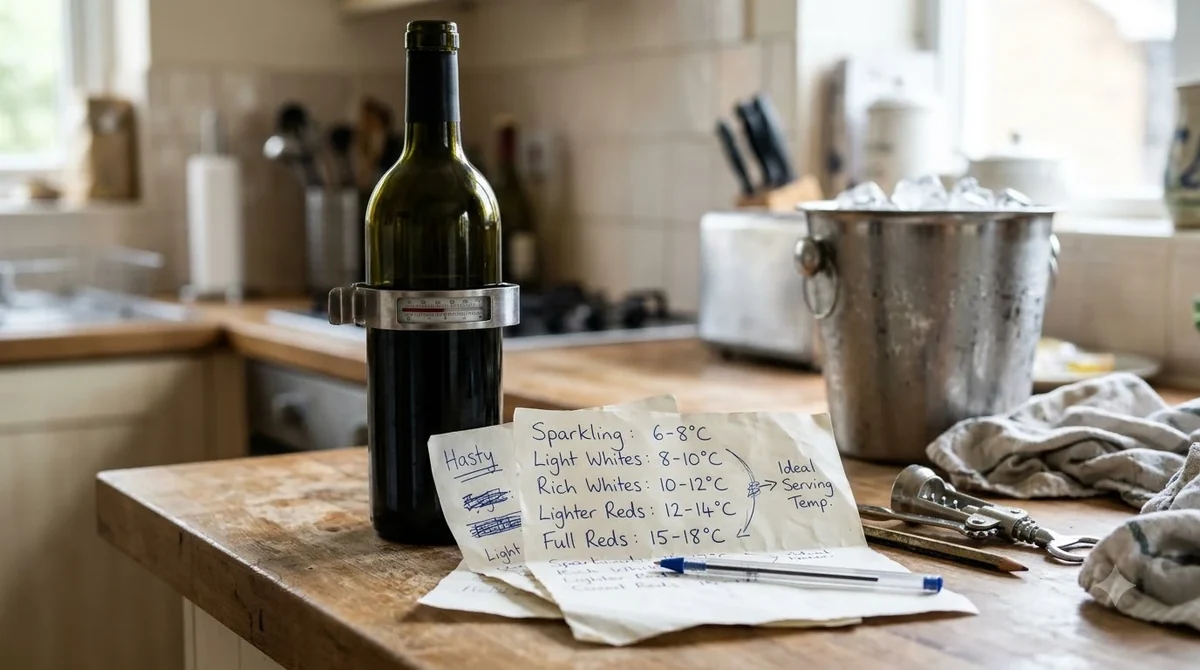
| Light red serving temperature | 55–60°F | Helps preserve freshness and balance |
| Full red serving temperature | 60–65°F | Allows fuller-bodied wines to show their character |
| Light white serving temperature | 45–50°F | Preserves refreshing acidity |
Retail listings provide useful reference points for the brand’s everyday positioning. H-E-B displays Smoking Loon Merlot in a 750 mL bottle, while Kroger lists its California Red Wine in the same standard size. Based on these retailer listings, approximately $6 to $12 is a reasonable observed reference range for selected bottles. These are retail observations, not guaranteed prices for every variety. Prices vary by state and retailer, and local inventory can affect what shoppers actually find.
For example, H-E-B’s listed Merlot provides a lower-priced retail reference, while Kroger’s California Red Wine listing provides a reference for the blended red. Neither listing should be treated as a universal price for the complete Smoking Loon portfolio. Different retailers can carry different varieties, and the same product can have different prices across locations.
Price comparisons should also account for the difference between a varietal wine and a blend. A Cabernet Sauvignon labeled by grape variety offers a different buying proposition from a red blend, even when both bottles come from the same brand. Grape composition, oak treatment, and intended flavor profile can matter more than a small difference in shelf price.
Consider the occasion before selecting a bottle. A medium-bodied Merlot may suit a casual pasta dinner, while a more structured Cabernet Sauvignon may work better with grilled beef. A crisp Pinot Grigio may be more practical for a warm afternoon or seafood meal.
Another useful consideration is availability. A retailer may display a product online but not stock it at every store. H-E-B specifically notes that prices can differ between in-store, curbside, and delivery purchases. Checking local inventory before making a special trip is sensible.
Tip: Compare the same bottle size and grape variety across retailers. A 750 mL Merlot should be compared with another 750 mL Merlot, not with a different grape or a larger bottle.
Step-by-Step: How to Choose the Right Bottle
A straightforward buying process helps shoppers avoid choosing solely by label design or shelf price. Start with the meal or occasion, narrow the choice by grape variety, and then compare available bottles at local retailers.
- Decide whether you want red or white. Red wine generally works well with grilled meats, tomato-based pasta, and richer dishes. White wine is often a more natural fit for seafood, lighter poultry meals, and fresh salads. For a mixed gathering, consider buying one red and one white.
- Choose a grape variety. Cabernet Sauvignon generally has higher tannin and a firmer structure. Merlot is typically softer, Pinot Noir has lower-to-medium tannin and higher acidity, and Chardonnay offers a different texture from lighter whites such as Pinot Grigio.
- Consider the flavor profile. If you enjoy blackberry, black cherry, and vanilla, a Merlot or Cabernet-style red may appeal. If you prefer fresh, lighter flavors, look toward Pinot Grigio or Sauvignon Blanc.
- Compare oak influence. Smoking Loon’s Steelbird Chardonnay is identified by the producer as an unoaked Chardonnay. This makes it a useful option for shoppers who prefer less obvious oak character. Regular Chardonnay offers another style to investigate.
- Set a realistic budget. Use the observed retail range as a starting point, then compare the same variety across available stores. Avoid assuming that every bottle in the portfolio carries an identical price.
- Check the retailer’s stock. Search by the full product name and bottle size. Online listings do not necessarily indicate that a bottle is available at a nearby location.
- Plan the serving temperature. Chill light whites to approximately 45–50°F and serve light reds around 55–60°F. Full-bodied reds are generally better around 60–65°F.
This process is particularly useful when shopping for a group. Not everyone enjoys the same amount of tannin, acidity, or oak. Offering a medium-bodied red alongside a refreshing white provides a straightforward choice without needing an extensive wine selection.
For an informal dinner, a single bottle can also be enough if the food and wine share a compatible flavor profile. Merlot with pork tenderloin or pizza is a practical example, while Pinot Grigio may be more suitable for lighter seafood dishes.
When comparing online listings, it is also useful to distinguish between a current product page and a general brand page. A brand portfolio can show which varieties exist, but a retailer listing is more useful for checking a specific bottle’s size, displayed price, and local availability.
Types and Styles Explained
Smoking Loon’s portfolio includes several recognizable grapes, with both red and white options. Understanding their general characteristics makes it easier to choose a bottle that suits personal preferences rather than relying on the brand name alone.
Cabernet Sauvignon
Cabernet Sauvignon is generally a fuller, more structured red with higher tannin. Its familiar black-fruit character can work particularly well with beef, lamb, burgers, and grilled foods. Smoking Loon includes Cabernet Sauvignon in its listed portfolio.
Oak can contribute additional aromas and flavors associated with vanilla, cedar, and spice. For shoppers who prefer a more substantial red, Cabernet Sauvignon is a sensible starting point. Serve it around 60–65°F if it has a fuller body.
Cabernet Sauvignon is also useful for richer dishes because its tannin and structure can stand up to protein and fat. A grilled steak or a beef burger offers a more natural match than a delicate white fish dish.
Merlot
Merlot generally offers softer tannins than Cabernet Sauvignon, making it an accessible choice for people who enjoy red wine but do not want an especially firm structure. Smoking Loon Merlot is described by H-E-B with blackberry, black cherry, cherry, currant, pomegranate, cranberry, and toasted black walnut characteristics.
H-E-B also identifies American oak aging as a source of vanilla character in the finish. Its suggested food pairings include pork tenderloin, rosemary-roasted potatoes, grilled T-bone steak, and pizza. This combination of fruit and oak makes Merlot a versatile option for everyday meals.
The listed H-E-B Merlot has an alcohol content of 13.5% by volume. This is a specific retailer-listed bottling detail, not a universal alcohol percentage for every Smoking Loon wine. Shoppers comparing alcohol levels should consider the particular variety and bottle.
Pinot Noir
Pinot Noir generally has lower-to-medium tannin and higher acidity than Cabernet Sauvignon. It often offers red-fruit flavors such as cherry and strawberry, with a lighter structure that can complement poultry, mushroom dishes, salmon, and roasted vegetables.
It is a useful choice for shoppers who find heavier reds too intense. Serve light-bodied Pinot Noir around 55–60°F rather than at a warm room temperature.
Its acidity can also help balance dishes containing mushrooms, herbs, and moderate amounts of fat. For a dinner where guests prefer lighter reds, Pinot Noir can provide an alternative to Cabernet Sauvignon without switching to white wine.
Zinfandel and Syrah
Old Vine Zinfandel and Syrah provide alternatives for shoppers who enjoy more expressive red wines. Zinfandel is commonly associated with ripe berry fruit and spice, while Syrah can show darker fruit, pepper, and a more substantial structure.
These wines can suit grilled foods and barbecue. Zinfandel’s fruit-forward character is particularly useful alongside smoky sauces, while Syrah can complement pepper-seasoned meats and roasted dishes.
Both varieties offer something different from the softer style typically associated with Merlot. They are useful alternatives when a dinner includes bold seasoning, grilled vegetables, or richer meat dishes.
Chardonnay and Steelbird Chardonnay
Chardonnay is a versatile white grape that can produce a range of textures depending on growing conditions and winemaking choices. Smoking Loon lists both regular Chardonnay and Steelbird Chardonnay, with the latter specifically identified as unoaked.
Unoaked Chardonnay is useful for shoppers who prefer fruit and freshness without prominent barrel-derived vanilla or toast. Regular Chardonnay can be a better direction for someone who enjoys a rounder texture and more noticeable oak influence.
Fuller-bodied Chardonnay is generally served around 50–55°F. It can complement roast chicken, creamy pasta, and richer seafood dishes. The unoaked style may be more suitable for grilled fish, vegetable dishes, and lighter preparations.
Pinot Grigio and Sauvignon Blanc
Pinot Grigio is a useful choice for a refreshing, relatively light white wine. It can pair with shrimp, grilled fish, salads, and simple vegetable dishes. Sauvignon Blanc typically has higher acidity and can offer citrus, green-fruit, and herbal characteristics.
Both varieties are practical choices for warm-weather meals. Serve them around 45–50°F, allowing the wine to retain its refreshing character without becoming excessively cold.
Shoppers interested in sparkling alternatives can compare these still wines with La Marca Prosecco. Prosecco is a different category, generally made from Glera grapes using the tank method, and is a better fit when bubbles are part of the occasion.
The complete range is outlined on the official Smoking Loon portfolio page, which identifies the listed grape varieties and describes the producer’s approach to fruit sourcing and wine style.
Common Mistakes When Comparing Wine Prices
A low shelf price does not automatically mean that two wines offer the same value. Comparing bottle size, grape variety, availability, and style helps shoppers make a more meaningful decision.
One common mistake is treating all Smoking Loon bottles as interchangeable. A Cabernet Sauvignon and a Pinot Noir may have different structures, food-pairing strengths, and preferred serving temperatures. Choosing the wrong style for a particular meal can make a reasonably priced bottle feel like a poor purchase.
Another mistake is comparing an online displayed price with an in-store price without considering location. Retailers can have different inventory systems, delivery charges, and regional pricing arrangements. H-E-B explicitly states that its displayed price may vary between store, curbside, and delivery purchases.
Shoppers should also avoid assuming that an online listing guarantees availability. A product can appear in a retailer’s catalog even when the selected location has no stock. This is especially relevant for varieties that are not carried consistently across every market.
There are also several wine-selection mistakes worth avoiding:
- Buying by grape reputation alone: A famous grape does not guarantee that its particular bottling will suit your preferences.
- Ignoring oak treatment: Someone who dislikes pronounced oak should consider the Steelbird unoaked Chardonnay rather than automatically selecting regular Chardonnay.
- Serving reds too warm: A full-bodied red served at an overly warm room temperature can seem heavy and alcoholic.
- Serving whites too cold: Excessive chilling can suppress aromas and make a wine seem less expressive.
- Pairing tannic reds with delicate oily fish: Strong tannin can clash with oily fish, making lighter, fresher wine styles a better direction.
- Expecting every bottle to taste the same: Different varieties and blends are designed to offer different experiences.
Food compatibility also deserves attention. Acidic dishes generally need wines with equal or higher acidity, while salt and fat can soften the perception of tannin. Chili heat can become more pronounced with wines high in alcohol and tannin, so a fresher, lower-tannin option may be more comfortable with spicy meals.
Another mistake is assuming that a red blend and a single-variety Merlot are interchangeable. Kroger’s California Red Wine listing describes a blend with black cherry, blueberry pie, cedar, and vanilla bean characteristics. That description differs from the specific Merlot listing at H-E-B, which emphasizes dark berry fruit, cherry, currant, and vanilla. These are separate product descriptions, not interchangeable tasting notes.
Finally, do not judge a wine exclusively by the cheapest listing available online. A retailer with a slightly higher displayed price may have convenient local pickup, reliable stock, or a better selection of the exact variety you want. The useful comparison is the total buying experience, not just a number displayed in a search result.
Care, Serving, and Storage Tips
Proper serving and storage can make an accessible everyday bottle more enjoyable. Temperature, glassware, opening time, and storage conditions all affect how a wine presents itself.
Serving temperatures
Different wine styles benefit from different serving temperatures. A simple temperature guide is:
- Light whites such as Pinot Grigio: 45–50°F.
- Fuller-bodied whites such as Chardonnay: 50–55°F.
- Light reds such as Pinot Noir: 55–60°F.
- Fuller reds such as Cabernet Sauvignon and Syrah: 60–65°F.
These are practical starting points rather than strict rules. If a bottle has been stored in a warm room, a short period of refrigeration can bring it closer to its preferred serving temperature. Avoid leaving white wines in the freezer for extended periods.
Serving temperature can change how a wine feels. Excessive warmth can make alcohol seem more prominent, while excessive cold can suppress aroma and flavor. A moderate temperature adjustment is often more useful than adding elaborate serving equipment.
Opening and pouring
A standard 750 mL bottle provides approximately five servings when poured at 5 oz each. This is a useful planning reference for a small dinner or casual gathering. For a group of ten adults, two bottles provide approximately ten standard 5 oz servings.
Most approachable wines do not require elaborate decanting. A young, full-bodied red can benefit from approximately 30–60 minutes of aeration if its structure seems especially firm. Lighter reds and fresh whites are generally better enjoyed without prolonged exposure to air.
Choose ordinary wine glasses that allow some space above the pour. Filling a glass too high makes it harder to appreciate aromas and leaves less room for swirling. A moderate 5 oz serving is a practical starting point for both red and white wine.
Storing unopened bottles
For longer storage, keep bottles in a cool, dark location near 55°F, away from direct sunlight and substantial temperature changes. Bottles with traditional cork closures are generally stored on their sides to help keep the cork from drying out.
Everyday wines such as those in the Smoking Loon range are generally purchased for relatively near-term enjoyment rather than long-term cellaring. There is little reason to hold an ordinary everyday bottling for years in the expectation that it will necessarily improve.
A cupboard away from ovens, windows, and heating equipment can work for short-term storage. For longer periods, a consistently cool environment is preferable to a location that repeatedly warms and cools throughout the day.
Storing opened wine
After opening, reseal the bottle and refrigerate it, including red wines. As a general guideline, still wines retain their best character for approximately 3–5 days after opening, although the actual result depends on the wine and how much oxygen enters the bottle.
Keep the bottle upright in the refrigerator and limit repeated exposure to air. Before serving again, allow a red wine a little time outside the refrigerator to approach its preferred serving temperature. Whites can usually be poured directly from refrigeration.
For people who regularly drink only one glass at a time, a smaller pour and an effective closure can help reduce waste. Buying a bottle at an accessible retail price is most useful when it is enjoyed while its fruit and freshness remain appealing.
Frequently Asked Questions
Is Smoking Loon wine made in California?
Smoking Loon is associated with California wine, but its producer says it sources fruit from California, Chile, and South Africa. This means the broader portfolio should not be assumed to have one exclusive grape-growing origin. Individual wines can have different sourcing details.
Who makes Smoking Loon wine?
Smoking Loon is part of the Don Sebastiani & Sons portfolio. The producer identifies Alec McTaggart as the brand’s winemaker. Its brand philosophy emphasizes accessible wines with recognizable varietal character rather than formal or complicated wine presentation.
What alcohol percentage does Smoking Loon Merlot have?
H-E-B’s product description identifies its listed Smoking Loon Merlot as containing 13.5% alcohol by volume. This is a detail for that particular retailer-listed bottling, not a universal figure for every variety. Other Smoking Loon wines may have different alcohol levels.
Does Smoking Loon offer a wine suitable for vegetarian meals?
Several varieties can work with vegetarian dishes, depending on the ingredients and preparation. Pinot Grigio can complement vegetable salads and grilled zucchini, while Pinot Noir can suit mushroom-based dishes. Ingredient-specific wine pairing is generally more useful than choosing solely according to whether a dish is vegetarian.
How many glasses are in a Smoking Loon bottle?
A standard 750 mL bottle contains approximately 25.4 US fluid ounces. At a standard 5 oz serving, that works out to approximately five glasses. Smaller tasting pours will produce more servings, while generous restaurant-style pours will produce fewer.
Smoking Loon is a practical brand to consider if you want accessible red and white wines across several familiar grape varieties. Compare the specific bottling, retailer availability, and flavor profile before buying rather than treating every label as identical. With a suitable food pairing and sensible serving temperature, its approachable style can fit comfortably into everyday wine drinking.
More in Wine Brands
 Underwood Wine Price: Compare Bottles, Cans, and Pack SizesUpdated Nov 21, 2026
 Zenato Wine Price: Compare Styles and Choose the Right BottleUpdated Nov 21, 2026
 Zuccardi Wine Price: Compare Bottles and Find the Right RangeUpdated Nov 21, 2026
 Yellow Tail Moscato Review: Taste, Sweetness and Serving TipsUpdated Nov 21, 2026
 Wolf Blass Yellow Label Review: Choose Your Best StyleUpdated Nov 21, 2026
 Wolffer Estate Rose Review: Choose the Right Bottle for Your TableUpdated Nov 21, 2026