

We may earn a commission when you buy through links on this page, at no extra cost to you. Learn more.
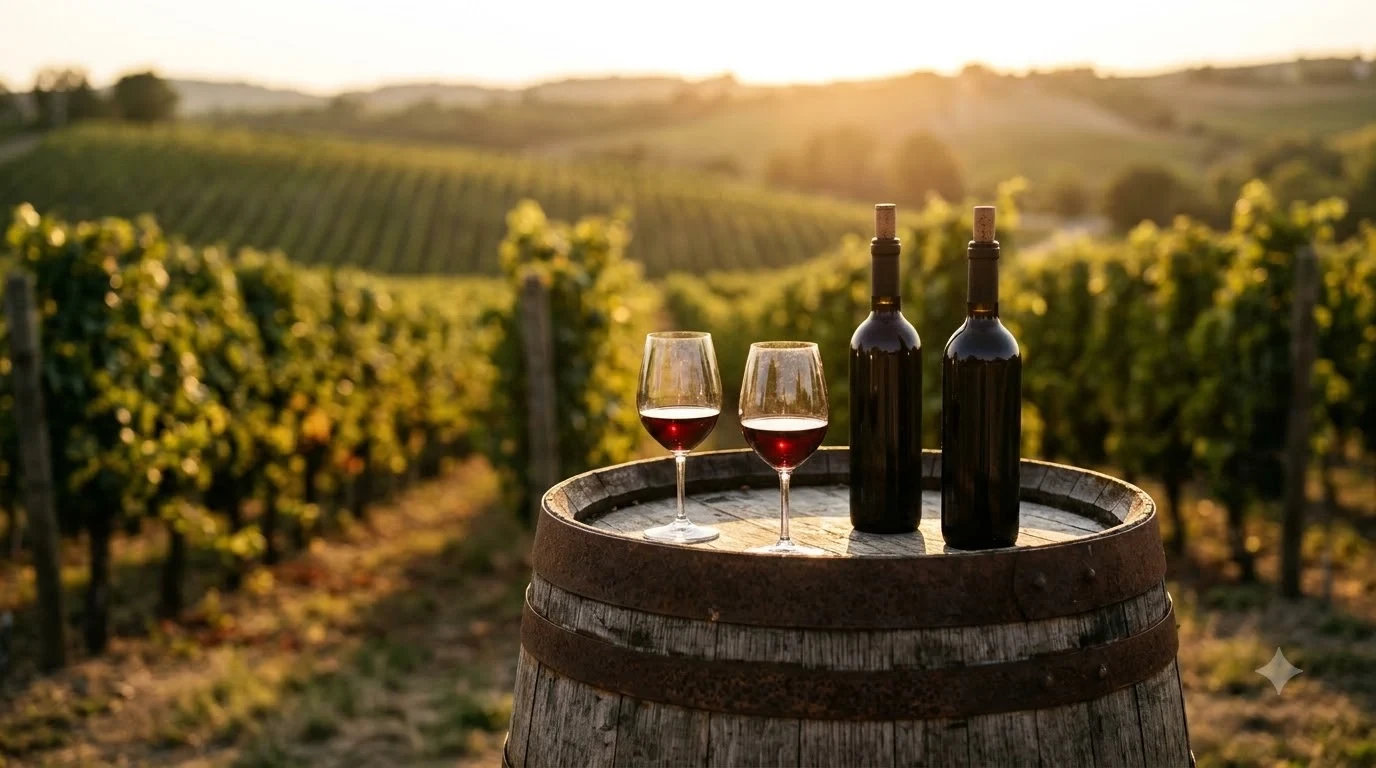
Robert Mondavi Winery is a Napa Valley producer in Oakville, California, founded by the winemaker Robert Mondavi after he left the family’s Krug Winery in 1965. The winery opened its building in 1966 and is known for popularizing varietal labeling, for its 1968 Fumé Blanc, and for Opus One, its joint venture with Baron Philippe de Rothschild. If you are exploring Napa Valley, it is one of the names that shaped how California wine is sold and described.
Robert Mondavi Winery is one of the most recognized names in California wine, yet many shoppers know the brand only from the bottle on the shelf. This guide explains who Robert Mondavi was, how the winery began, what its most important wines represent, and how to think about the brand when you are choosing a bottle or planning a visit to the Napa Valley.
Who Robert Mondavi was
Robert Mondavi was an American winemaker born in 1913. He worked at his family’s Krug Winery before leaving in 1965 to start his own business. According to the Wikipedia entry on Robert Mondavi, he set up the new winery in Oakville, in the Napa Valley, and the winery building opened the following year.
His approach to marketing and labeling is often cited as his most lasting influence. Mondavi promoted labeling wines by grape variety rather than by generic names, a practice that became standard for many New World wines. For shoppers, this is the reason a bottle that says Cabernet Sauvignon or Chardonnay tells you what is inside.
The Oakville estate and its history
The winery sits in Oakville, one of the most celebrated sub-regions of the Napa Valley. Part of the original land included the To Kalon vineyard, which was first planted in 1868 by H.W. Crabb. That historic vineyard lent the estate a long viticultural history before the modern winery was built. Oakville is part of the larger Napa Valley American Viticultural Area, which the Napa Valley Vintners association describes as a recognized AVA with nested sub-appellations and more than three dozen white and red grape varieties grown across its vineyards.
The winery building was designed by Cliff May in the California mission style, and it is widely regarded as an architectural landmark of the Napa Valley. The design is one reason many visitors recognize the estate even if they have never tasted its wine.
Because the estate sits inside the Oakville sub-region, its wines are often compared with other valley-floor Cabernets, which makes the local vineyard names on a label worth checking.
| Milestone | What it means |
|---|---|
| 1965 | Robert Mondavi leaves the family’s Krug Winery to start his own business |
| 1966 | The Oakville winery building opens |
| 1968 | Mondavi produces a dry, oak-aged Sauvignon Blanc he calls Fumé Blanc |
| 2004 | Constellation Brands acquires the winery |
Fumé Blanc and the Opus One partnership
In 1968, Mondavi made a dry, oak-aged Sauvignon Blanc and gave it the name Fumé Blanc. According to the Wikipedia article, the style was unusual in California at the time, and the name became widely used for oak-aged Sauvignon Blanc from the region. For shoppers today, the name still signals a richer, more structured white than a crisp, unoaked Sauvignon Blanc.
Opus One is the best-known of the winery’s partnerships. It is a joint venture with Baron Philippe de Rothschild of Château Mouton Rothschild, and it produces a Bordeaux-style red blend from Napa Valley fruit. The partnership linked a Napa estate with one of the great Bordeaux houses, and it remains a reference point for Napa red blends. The winery also produces a Chardonnay Reserve and a cabernet blend made with Mondavi’s brother Peter.
When you compare these wines, look at the vintage, the grape list, and the producer’s own tasting notes. Those details tell you more about the bottle than the family name alone.
What the Robert Mondavi lineup tastes like
Mondavi’s wines are generally made in a classic Napa style, with ripe fruit, clear oak, and structure. A Cabernet Sauvignon from the valley tends to show blackberry, cassis, and dark chocolate, with firm tannin that softens with age. Chardonnay from the Napa Valley often has ripe apple, pear, and vanilla notes from oak aging, while a Fumé Blanc feels fuller and more savory than a crisp Sauvignon Blanc from cooler regions.
Because the brand produces many styles, the best approach is to start with a single wine and taste it against the producer’s description. If you want a richer red, a Napa Cabernet is a good place to begin. If you want a lighter white, look for a crisp style from a different producer and compare.
How to choose a Robert Mondavi bottle
Start with the grape and the vintage. Napa wines age in different ways, so a younger Cabernet will be bold and tannic, while an older bottle may be softer and more savory. Check the alcohol statement on the back label, since Napa reds are often fuller than wines from cooler regions. Then read the tasting notes to see if the style matches what you enjoy.
If you plan a visit, book in advance and ask about tasting options. Many Napa estates offer seated tastings with food pairings, and the Oakville location makes it easy to combine a visit with other stops in the valley. For a different Napa estate to compare, see Spottswoode Wine, which is another historic producer in the region.
Robert Mondavi and the wider wine market
The winery’s history includes a major change in ownership. On December 22, 2004, Constellation Brands acquired the winery in a deal that included assumed debt. The sale was controversial at the time, but the winery kept its Oakville base and its focus on Napa Valley wines. For a shopper, the lesson is that a brand’s ownership can change while the vineyards and winemaking team continue to shape the wine.
If you are comparing large and family-owned producers, the Wine Brands hub covers how big names differ in sourcing, style, and price positioning. Reading the producer’s own history and the back label is the best way to see how a brand has evolved.
Tip: When you visit the Napa Valley, ask whether the tasting focuses on the estate’s own vineyards or on sourced fruit. The answer tells you how closely the bottle reflects one place.
Frequently Asked Questions
When was Robert Mondavi Winery founded?
Robert Mondavi started his own winery in Oakville after leaving the family’s Krug Winery in 1965, and the winery building opened in 1966. Wikipedia does not give a single founding date, so the 1965 to 1966 span is the most accurate way to describe its start.
Where is Robert Mondavi Winery located?
The winery is in Oakville, in the Napa Valley of California. The To Kalon vineyard, first planted in 1868, is part of the historic land around the estate.
What is Fumé Blanc?
Fumé Blanc is a name Robert Mondavi gave to a dry, oak-aged Sauvignon Blanc in 1968. It signals a richer style than an unoaked Sauvignon Blanc, and the name is now used widely for oak-aged versions of the grape.
What is Opus One?
Opus One is a joint venture between Robert Mondavi and Baron Philippe de Rothschild of Château Mouton Rothschild. It makes a Bordeaux-style red blend from Napa Valley grapes.
Robert Mondavi Winery is a useful starting point for understanding Napa Valley wine, from its Oakville history to its influence on varietal labeling. Read the vintage and grape on each label, compare styles, and visit if you can. For more background on brands and producers, continue with the Wine Brands guides.
More in Wine Brands
 Underwood Wine Price: Compare Bottles, Cans, and Pack SizesUpdated Nov 21, 2026
 Zenato Wine Price: Compare Styles and Choose the Right BottleUpdated Nov 21, 2026
 Zuccardi Wine Price: Compare Bottles and Find the Right RangeUpdated Nov 21, 2026
 Yellow Tail Moscato Review: Taste, Sweetness and Serving TipsUpdated Nov 21, 2026
 Wolf Blass Yellow Label Review: Choose Your Best StyleUpdated Nov 21, 2026
 Wolffer Estate Rose Review: Choose the Right Bottle for Your TableUpdated Nov 21, 2026