

We may earn a commission when you buy through links on this page, at no extra cost to you. Learn more.
This sofia wine review finds that Francis Ford Coppola’s Sofia collection is a good choice for approachable, fruit-forward sparkling wines and refreshing California rosé, particularly for celebrations, brunches, and casual gatherings. Its strongest appeal is the combination of lively bubbles, accessible flavor profiles, distinctive presentation, and convenient single-serving cans. The Blanc de Blancs and Brut Rosé are the main sparkling choices, while Sofia Rosé offers a still-wine alternative for drinkers who prefer pink wine without carbonation.
Sofia wines occupy an approachable corner of California wine, combining recognizable grape varieties with an emphasis on freshness and presentation. The collection is especially associated with its sparkling wines, which helped make canned wine a more familiar option for American consumers. However, choosing the right Sofia bottle requires looking beyond the packaging. The difference between sparkling Blanc de Blancs, Brut Rosé, and still Rosé affects sweetness expectations, food compatibility, and the occasions each wine suits. This guide explains the main styles, what to compare before buying, and how to serve them well.
Who Should Choose Sofia Wine?
Sofia is best suited to people who enjoy approachable California wines with fresh fruit character, moderate alcohol levels, and an uncomplicated drinking experience. Its sparkling selections are particularly appropriate for social occasions where a refreshing glass matters more than the complexity associated with traditional prestige sparkling wine.
The collection has a personal story behind its name. In an interview with Forbes, Francis Ford Coppola explained that he made a sparkling wine for his daughter Sofia when she was nine years old, imagining that it would eventually be served at her wedding. The name subsequently became associated with a recognizable line of wines rather than a single celebratory bottle. The original idea and its family connection are discussed in the Forbes interview with Francis Ford Coppola.
The wines make the most sense for several types of buyers:
- Casual sparkling wine drinkers: People who enjoy fresh bubbles, fruit-forward flavors, and an accessible alternative to more expensive traditional-method sparkling wines.
- Brunch hosts: Blanc de Blancs and Brut Rosé work well alongside pastries, eggs, smoked salmon, fruit, and lighter appetizers.
- Rosé enthusiasts: The still Sofia Rosé provides an option for people who prefer a pink wine without bubbles.
- Small-party planners: Single-serving cans are convenient when guests want individual portions rather than opening an entire bottle.
- Gift buyers: The distinctive presentation makes Sofia recognizable and suitable for informal celebrations, hostess gifts, and festive occasions.
There are also buyers who may want to look elsewhere. Collectors seeking complex traditional-method sparkling wines, extended bottle aging, or the distinctive structure of vintage Champagne are unlikely to find Sofia a direct substitute. Similarly, someone who prefers powerful, oak-aged reds should not assume that the collection’s sparkling and rosé identity represents every style of wine they enjoy.
The important distinction is between buying a wine for its intended purpose and expecting it to perform like a different category. Sofia generally emphasizes freshness, accessibility, and convenience rather than the long lees aging, intricate texture, and bottle-development characteristics associated with more elaborate sparkling wines.
Key Factors to Compare Before Buying Sofia
The most useful comparisons are wine style, grape composition, production method, alcohol level, sweetness, and packaging. These factors help distinguish a refreshing everyday sparkling wine from a bottle intended for a particular meal or celebration.
| Comparison factor | Sofia example | What it means for buyers |
|---|---|---|
| Wine style | Blanc de Blancs | White sparkling wine suited to light appetizers and seafood. |
| Wine style | Brut Rosé | Pink sparkling wine with red-fruit character and lively bubbles. |
| Wine style | Still Rosé | Non-sparkling wine for casual meals and warm-weather occasions. |
| Traditional bottle size | 750 ml | Approximately five standard 5 oz glasses. |
| Single-serving format | 187 ml | Approximately one 5 oz glass plus a little extra. |
| Brut Rosé alcohol | 12% ABV in the version described by The Inquirer | A useful reference when comparing similar sparkling wines. |
| Still Rosé alcohol | 12.8% ABV in the 2019 technical sheet | A vintage-specific reference, not a guarantee for every release. |
| Production method | Charmat method for Sofia sparklers | Emphasizes fresh fruit and lively sparkling character. |
Grape composition deserves particular attention because the different Sofia wines are not interchangeable. The 2019 still Rosé technical sheet lists a blend of 50% Syrah, 30% Grenache, and 20% Pinot Noir. By contrast, the Inquirer describes the current Brut Rosé version it discusses as made entirely from Pinot Noir grown in Monterey County. These are different wines, and the blend from one should not be attributed to the other.
Alcohol content is another useful comparison. The Inquirer identifies 12% ABV for its Sofia Brut Rosé, while the 2019 still Rosé technical sheet lists 12.8%. These figures illustrate why it is important to compare the specific style and release rather than assume that every Sofia wine has identical specifications.
Packaging can change the experience as well. A 750 ml bottle provides enough for several glasses, making it practical for a shared meal. A 187 ml can is closer to an individual serving and is more convenient when a full bottle would be unnecessary. The Los Angeles Times documented how Sofia became an early recognizable name in the canned-wine category.
For a wider look at how different producers organize their collections, the Wine Brands overview provides useful context for comparing wine styles, labels, and buying decisions.
Step-by-Step: How to Choose the Right Sofia Wine
Choosing Sofia is easier when the decision starts with the occasion rather than the packaging. A few straightforward comparisons can narrow the selection to a style that suits the food, serving format, and preferences of the people drinking it.
-
Decide whether you want sparkling or still wine.
Start with the biggest distinction. Blanc de Blancs and Brut Rosé offer bubbles, while Sofia Rosé is a still wine. If the occasion involves a toast or a festive aperitif, sparkling wine is the natural starting point. For an ordinary lunch or a relaxed afternoon meal, still Rosé may be more appropriate.
-
Choose between white sparkling wine and sparkling rosé.
Blanc de Blancs is the choice for someone who generally prefers citrus, apple, pear, and delicate floral notes. Brut Rosé is more appropriate for drinkers who enjoy red-fruit impressions such as raspberry and strawberry alongside fresh acidity. Both can work as aperitifs, but their fruit profiles give them different food-pairing strengths.
-
Consider how sweet you want the wine to taste.
Do not assume that pink wine is sweet. The 2019 Sofia Rosé technical sheet specifically describes its wine as dry, with 0.2% residual sugar. The Inquirer likewise describes the Brut Rosé it reviewed as finishing dry. Buyers who prefer noticeably sweet sparkling wine should distinguish these styles from sweeter sparkling categories such as Demi-Sec and Doux.
-
Match the wine to the menu.
For seafood, oysters, shrimp, and light appetizers, sparkling Blanc de Blancs is a useful option. For fruit plates, grilled chicken, and savory snacks, Brut Rosé offers more red-fruit character. Still Rosé works with salads, vegetable dishes, grilled poultry, and picnic food.
-
Pick the appropriate format.
A 750 ml bottle is suitable for a group of approximately five standard pours. A 187 ml can is closer to one generous individual serving. For a party with several guests, calculate the number of servings before deciding how many bottles or cans to purchase.
-
Plan the serving temperature.
Chill sparkling Sofia to approximately 40–50°F. Serve still Rosé around 45–50°F. These temperatures help maintain freshness without making the wine so cold that its aromas become difficult to recognize.
-
Check the particular release.
Wine specifications can change between vintages and product versions. Confirm the grape composition, alcohol percentage, and sweetness description for the specific wine being considered, particularly if those details are important to the menu or personal preference.
Tip: If you are buying Sofia for a mixed group, a sparkling Blanc de Blancs and a Brut Rosé offer two different flavor profiles without making the selection unnecessarily complicated. Chill both before serving and offer small 5 oz pours so guests can compare them.
These steps also help prevent a common buying mistake: selecting a wine based entirely on the label. The pink presentation may be distinctive, but the grape varieties, production method, and finished style are what determine how the wine behaves in the glass.
Sofia Wine Styles Explained
The Sofia range is particularly associated with sparkling Blanc de Blancs, Brut Rosé, and still Rosé. Understanding the distinction between these three styles is more useful than treating the collection as one uniform wine.

Sofia Blanc de Blancs
Blanc de Blancs is the natural starting point for buyers who want a light, refreshing sparkling wine with a white-fruit profile. The name traditionally refers to white wine made from white grapes. In sparkling wine, Chardonnay is a familiar example, although the exact grape composition depends on the producer and bottling.
Sofia Blanc de Blancs has been central to the collection since its beginning. The Inquirer explains that the original wine was made using the Charmat method, a production approach in which the secondary fermentation takes place in a pressurized tank rather than individually in each bottle. The technique is associated with fresh, fruit-forward sparkling wines and is also used for Prosecco.
For serving purposes, think about citrus, apple, pear, and light floral flavors. These characteristics make this style suitable for shrimp cocktail, oysters, sushi, mild cheeses, and delicate seafood appetizers. It can also work without food as a welcome drink before dinner.
Buyers should not confuse the term Blanc de Blancs with Champagne. Champagne is a protected regional designation for sparkling wine made in the Champagne region of France under specific production requirements. Sofia is a California sparkling wine, so its production method and category should be judged on their own merits.
Sofia Brut Rosé
Brut Rosé is the sparkling choice for people who prefer pink wine with a more obvious red-fruit character. The word Brut indicates a dry sparkling style, although the perception of dryness also depends on acidity, fruit intensity, and residual sugar.
The Inquirer describes the Brut Rosé as having fresh raspberry and lemon flavors, lively bubbles, and a clean, dry finish. It identifies the version discussed in the article as a 12% ABV wine made from Pinot Noir sourced from Monterey County.
That flavor profile makes Brut Rosé particularly useful at brunch, parties, and informal celebrations. It can accompany smoked salmon, shrimp, vegetable appetizers, mild cheeses, and strawberry-based desserts. Its acidity helps refresh the palate between bites, while the red-fruit character provides a slightly different experience from Blanc de Blancs.
For more details about the individual sparkling selection, see the Sofia Blanc de Blancs overview. It helps distinguish the white sparkling style from the collection’s other expressions.
Sofia Still Rosé
Still Rosé is the alternative for drinkers who want the freshness of a pink California wine without carbonation. It can be easier to incorporate into an ordinary meal because its flavor and texture are closer to a conventional still wine than to a celebratory sparkling bottling.
The producer’s 2019 technical sheet gives a useful illustration of its style. That release came from Monterey County and combined 50% Syrah, 30% Grenache, and 20% Pinot Noir. Its listed alcohol level was 12.8%, with a pH of 3.35 and total acidity of 0.60 grams per 100 ml.
The same technical sheet describes wild strawberry, cardamom, lemon peel, tangerine, and stony mineral notes. It also identifies the wine as dry, with 0.2% residual sugar. These specifications belong to that particular vintage and should not automatically be applied to every later Sofia Rosé release.
The production notes are interesting because they explain how the wine’s color and aromatic character were developed. The grapes were harvested at lower Brix to retain a lighter style, held briefly in the press to obtain the desired pink color, and fermented in stainless steel tanks to preserve aromatic intensity.
For a meal, this style makes sense alongside grilled chicken, tomato salads, roasted vegetables, light pasta dishes, and picnic food. It is a particularly sensible option when the table includes several different dishes and a flexible wine pairing is preferable to a powerful red.
Common Mistakes When Buying Sofia Wine
The biggest mistakes involve confusing the different Sofia styles, assuming that all pink wines are sweet, and treating California sparkling wine as equivalent to Champagne. A little attention to terminology prevents most of these misunderstandings.
Assuming all Sofia wines are sparkling
Although sparkling wines are the collection’s best-known products, still Rosé is a distinct option. The difference matters because carbonation changes the wine’s texture, serving occasion, and food-pairing possibilities. Someone looking for an uncomplicated pink dinner wine may prefer the still version, while someone buying for a toast will probably want the bubbles.
Confusing Brut with sweet
Brut is a dry sparkling wine designation, not a synonym for sweetness. Fruit aromas can make a wine smell ripe or seem fruity, but that does not necessarily mean it contains substantial residual sugar. The 2019 Sofia Rosé technical sheet explicitly identifies its still wine as dry, and the Inquirer describes the Brut Rosé it discusses as having a dry finish.
Expecting Champagne production
Charmat and traditional bottle fermentation are different production methods. Charmat sparkling wines undergo their secondary fermentation in tanks, while Champagne and Cava use a second fermentation in the bottle. Sofia’s fresh, approachable style should be considered within the context of its own production method rather than judged against the expectations of a long-aged Champagne.
Buying only for the packaging
The Sofia presentation is recognizable, but the appearance of a bottle or can does not tell the entire story. A buyer who prefers dry red-fruit flavors may find Brut Rosé a better match than Blanc de Blancs, while someone who prefers white-fruit freshness may be happier with the latter.
Using the wrong food pairing
High-tannin red wine is not automatically the best match for every dinner. Delicate seafood, oily fish, and light vegetable dishes often work better with wines that have freshness and acidity rather than pronounced tannin. Similarly, a very sweet dessert can make a dry sparkling wine seem sharp and less expressive. The wine should generally be at least as sweet as the dessert it accompanies.
Spicy dishes require additional care. Alcohol and tannin can amplify the sensation of chili heat, so a lighter, refreshing wine is often a better starting point than a powerful red. For Sofia, that usually means considering the sparkling selections or still Rosé rather than choosing a heavily structured red wine simply because it is available.
Serving, Storage, and Food Pairing Tips
Sofia wines are generally best served cool, with sparkling bottles receiving the coldest treatment. Correct serving temperatures help retain bubbles and freshness while allowing fruit and floral aromas to remain recognizable.
Recommended serving temperatures
- Blanc de Blancs: Approximately 40–50°F.
- Brut Rosé: Approximately 40–50°F.
- Still Rosé: Approximately 45–50°F.
For a bottle that has been stored at room temperature, refrigeration is a practical way to prepare it. Avoid leaving sparkling wine in the freezer for an extended period. A sudden temperature change and forgotten bottle can create unnecessary problems, especially with pressurized sparkling wine.
Use ordinary wine glasses when possible. A flute helps preserve the visual effect of the bubbles, while a slightly wider white-wine glass can make fruit and floral aromas easier to appreciate. Either is appropriate for an informal serving occasion.
Food pairing suggestions
Blanc de Blancs works particularly well with food that does not overpower its fresh character. Oysters, shrimp, sushi, mild goat cheese, and delicate fish appetizers are sensible choices. Its acidity can also balance the richness of fried seafood and creamy appetizers.
Brut Rosé is a flexible partner for savory dishes and fruit-based appetizers. Try it with grilled shrimp, smoked salmon, chicken salad, vegetable frittata, and mild cheeses. Strawberry and raspberry flavors can also make it a pleasant accompaniment to fresh fruit or lightly sweet desserts, provided the dessert is not substantially sweeter than the wine.
Still Rosé has a wider range of casual meal applications. Grilled chicken, Mediterranean salads, vegetable pasta, tomato dishes, and mild charcuterie are useful starting points. For an outdoor lunch, serve it with a simple spread of fresh vegetables, cheese, bread, and grilled seafood.
Storage and opened bottles
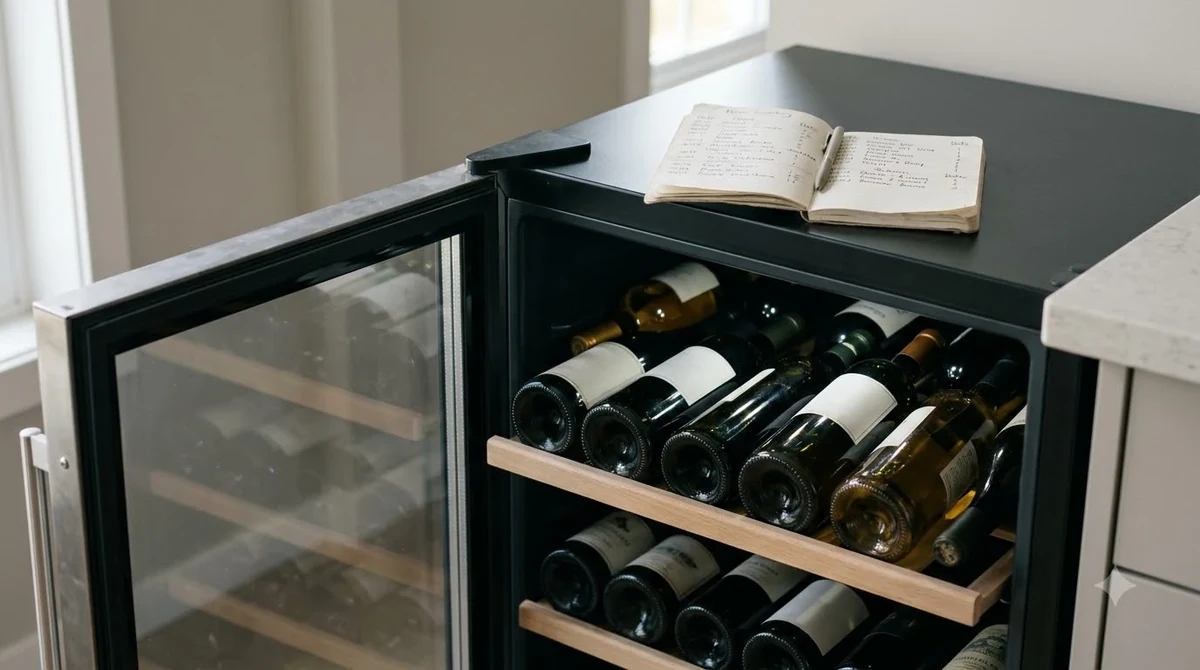
Unopened bottles should be kept away from direct sunlight, heat, and repeated temperature fluctuations. A storage temperature near 55°F is a useful general target for wine. Bottles with natural cork closures are normally stored on their sides to help maintain contact between the cork and the wine.
Once opened, sparkling wine generally retains its best character for approximately one to three days in the refrigerator when properly sealed with a sparkling-wine stopper. Still Rosé is generally best consumed within three to five days when refrigerated and closed securely. These are practical quality guidelines rather than guarantees; aroma, freshness, and carbonation gradually decline after opening.
For cans, the simplest approach is to open one when it is ready to be consumed rather than treating an opened can like a resealable bottle. Their single-serving format is one of the practical advantages of the Sofia range.
Serving size also deserves attention. A standard wine pour is approximately 5 oz, meaning a 750 ml bottle supplies about five glasses. A 187 ml can contains slightly more than one standard serving, making it useful for individual occasions without requiring an entire bottle to be opened.
Frequently Asked Questions
Is Sofia wine named after Sofia Coppola?
Yes. Francis Ford Coppola named the wine after his daughter, filmmaker Sofia Coppola. He explained in a Forbes interview that the original sparkling wine was created when she was nine years old and that he imagined it being served at her wedding. The family connection is part of the collection’s original story.
Is Sofia wine made in California?
Yes. The Sofia wines discussed in the producer materials and wine coverage are associated with California, particularly Monterey County. Monterey County’s cool growing conditions and temperature differences between daytime and nighttime are highlighted in the producer’s technical notes for the 2019 still Rosé.
Does Sofia use the same production method as Prosecco?
The Sofia sparkling wines described by The Inquirer use the Charmat method, which is also used for Prosecco. This method conducts secondary fermentation in a pressurized tank. It differs from traditional bottle fermentation, the method associated with Champagne and Cava.
Why did Sofia become associated with canned wine?
The collection became recognizable through its small sparkling-wine cans and distinctive presentation. The Los Angeles Times reports that Sofia Blanc de Blancs appeared in cans in 2004, followed by Brut Rosé cans in 2018 and still Rosé cans in 2019. Its early visibility helped establish canned wine as a more familiar option for consumers.
Can Sofia wine be used in sparkling wine cocktails?
Yes. Sofia sparkling wines can be used as the bubbly component in simple cocktails. Blanc de Blancs can be combined with a small amount of peach puree for a Bellini-style drink, while Brut Rosé can work with fresh berries and a modest splash of citrus. Keep additions restrained so the wine’s own fruit character and carbonation remain noticeable.
Overall, Sofia is a sensible collection to consider if the priority is approachable California sparkling wine, refreshing rosé, and convenient presentation. Blanc de Blancs is the most natural choice for white-fruit freshness, Brut Rosé suits drinkers who prefer sparkling red-fruit character, and still Rosé provides a flexible option for everyday meals. Choose according to the wine style and occasion rather than the packaging alone, and serve each bottle at the appropriate temperature for the best experience.
More in Wine Brands
 Underwood Wine Price: Compare Bottles, Cans, and Pack SizesUpdated Nov 21, 2026
 Zenato Wine Price: Compare Styles and Choose the Right BottleUpdated Nov 21, 2026
 Zuccardi Wine Price: Compare Bottles and Find the Right RangeUpdated Nov 21, 2026
 Yellow Tail Moscato Review: Taste, Sweetness and Serving TipsUpdated Nov 21, 2026
 Wolf Blass Yellow Label Review: Choose Your Best StyleUpdated Nov 21, 2026
 Wolffer Estate Rose Review: Choose the Right Bottle for Your TableUpdated Nov 21, 2026