

We may earn a commission when you buy through links on this page, at no extra cost to you. Learn more.
Calera wine price typically ranges from about $26 to $165 per 750 ml bottle, depending on the wine, vineyard designation, and vintage. Central Coast Chardonnay and Pinot Noir are the more accessible choices, while Mt. Harlan vineyard-designated Pinot Noir commands substantially higher prices. Understanding the differences between these collections makes it easier to choose a Calera bottle that fits your budget and drinking preferences.
Calera is a California winery particularly associated with Pinot Noir grown on the limestone-rich slopes of Mt. Harlan. Its wines appeal to consumers interested in distinctive vineyard expressions, mountain-grown fruit, and California wines with a more restrained style. However, the difference between an entry-level bottle and an estate vineyard selection can be considerable. Before purchasing, it helps to understand the winery’s different ranges, what influences their pricing, and which bottles offer the most appropriate introduction to the producer.
Who Should Consider Calera Wine?
Calera is particularly suitable for wine drinkers who appreciate Pinot Noir, Chardonnay, and California wines with a strong sense of regional identity. Its portfolio includes accessible Central Coast bottlings as well as more specialized Mt. Harlan selections, making it possible to explore the producer at different spending levels.
The winery was founded by Josh Jensen, whose experiences in Burgundy influenced his interest in limestone soils and the potential of Pinot Noir. After searching for suitable California vineyard land, Jensen purchased property on Mt. Harlan in 1974. The location became the foundation of Calera’s distinctive approach to mountain-grown wines.
The winery’s estate vineyards sit within California’s Gabilan Mountains AVA, where limestone-rich soils and elevation are central to the site’s identity. Calera takes its name from the Spanish word for lime kiln, a reference to the area’s geological heritage. These details help explain why the producer emphasizes vineyard origin rather than presenting every Pinot Noir as an interchangeable California red.
Calera is worth considering for several types of buyers:
- Pinot Noir enthusiasts: The winery’s Central Coast and Mt. Harlan bottlings provide different expressions of the grape, from regional blends to individual vineyard selections.
- Chardonnay drinkers: Central Coast Chardonnay offers an accessible starting point, while Mt. Harlan Chardonnay provides a more specialized alternative.
- Collectors: Jensen, Ryan, Mills, Reed, and de Villiers vineyard bottlings offer opportunities to compare individual sites and vintages.
- Gift buyers: A vineyard-designated Mt. Harlan bottle can make a more distinctive present than a general-purpose California wine.
- Curious California wine drinkers: Calera provides an opportunity to explore the influence of mountain conditions and limestone-rich vineyard soils.
Calera is less suitable for shoppers whose main priority is inexpensive everyday wine. Its entry-level selections are more accessible than its estate bottlings, but the brand’s emphasis on vineyard character generally places it above basic supermarket wine ranges. Shoppers comparing different California producers can also explore our broader Wine Brands directory.
Key Factors That Determine Calera Wine Price
The main factors behind Calera wine pricing are regional designation, vineyard origin, grape variety, and vintage. The distinction between a Central Coast wine and a named Mt. Harlan bottling is especially important because the two categories occupy different positions in the producer’s portfolio.

Vineyard designation is one of the clearest pricing indicators. A Central Coast Pinot Noir represents a broader regional expression, whereas Jensen, Ryan, Mills, Reed, and de Villiers identify individual Mt. Harlan vineyard bottlings. These named selections are generally positioned at higher retail levels.
Grape variety also matters. Pinot Noir is a central part of Calera’s identity, particularly in its vineyard-designated collection. Chardonnay provides another important category, with both regional and Mt. Harlan expressions available. Other varieties in the producer’s portfolio include Viognier, Chenin Blanc, and Aligoté.
Vintage and availability can create additional differences between bottles. Retailers may carry different vintages of the same vineyard wine, and older bottles can be harder to locate. A previous vintage is not automatically superior to a newer one. Storage conditions, the characteristics of the growing season, and the wine’s development all matter when evaluating an older bottle.
The following table summarizes the approximate US suggested retail price ranges published in Calera’s brand presentation. These are useful reference points rather than guaranteed current shelf prices. The Calera brand presentation provides the underlying suggested retail ranges for these wine categories.
| Calera wine | Grape | Approximate US SRP range | Positioning |
|---|---|---|---|
| Central Coast Chardonnay | Chardonnay | $26-$34 | Entry-level white |
| Central Coast Pinot Noir | Pinot Noir | $30-$38 | Entry-level red |
| Mt. Harlan Chardonnay | Chardonnay | $60-$75 | Estate selection |
| Mt. Harlan Mills Vineyard Pinot Noir | Pinot Noir | $95-$125 | Vineyard-designated red |
| Mt. Harlan de Villiers Vineyard Pinot Noir | Pinot Noir | $95-$125 | Vineyard-designated red |
| Mt. Harlan Ryan Vineyard Pinot Noir | Pinot Noir | $95-$125 | Vineyard-designated red |
| Mt. Harlan Jensen Vineyard Pinot Noir | Pinot Noir | $125-$165 | Premium vineyard selection |
The ranges in this table come from Calera’s brand presentation, which provides suggested retail pricing for these wine categories. Actual US retail prices vary by state, retailer, vintage, availability, and distribution arrangements. For a current comparison, the winery’s official online shop and established wine retailers are useful starting points.
For example, Calera’s official shop has listed Central Coast Chardonnay at approximately $26 to $30 per bottle and Central Coast Pinot Noir at approximately $30 to $35, depending on the release. These approximate shopping ranges reflect the winery’s published bottle listings and are not guaranteed prices at independent retailers. Prices vary by state and retailer.
The premium vineyard wines occupy a different spending category. Calera’s official shop has listed Mt. Harlan vineyard-designated Pinot Noir selections at approximately $100 to $145 per bottle across the releases shown. The specific vineyard and vintage influence the final retail figure, and prices vary by state and retailer.
Tip: Compare the vineyard designation and vintage before comparing two Calera price tags. A Central Coast Pinot Noir and a Jensen Vineyard Pinot Noir are different portfolio categories, so their retail prices should not be treated as direct equivalents.
Step-by-Step: How to Choose a Calera Bottle
The simplest way to buy Calera is to start with a spending limit, select a grape variety, and then decide whether a regional or vineyard-designated wine better suits the occasion. This approach prevents paying a premium for a specific vineyard name without knowing whether that style is what you want.
-
Set your spending range.
Start by deciding whether you want an accessible bottle or a premium selection. Central Coast Chardonnay and Pinot Noir are generally the most straightforward introductions. Mt. Harlan selections are more appropriate when the vineyard designation itself is part of the buying decision.
-
Choose between red and white wine.
Pinot Noir is the obvious starting point for shoppers interested in Calera’s reputation for California mountain wines. Chardonnay is a sensible alternative for those who prefer white wine, particularly alongside seafood, poultry, and creamy dishes.
-
Decide whether you want a regional or vineyard-designated wine.
Central Coast bottlings provide a broader regional expression. Named selections such as Ryan, Jensen, Mills, Reed, and de Villiers provide more specific vineyard identities. The latter generally command higher prices.
-
Compare the available vintages.
Check which vintage is being offered and whether its price is appropriate for the bottle. An older vintage can be attractive to collectors, but its storage history becomes increasingly important as the wine ages.
-
Check the retailer and bottle size.
Compare standard 750 ml bottles rather than assuming that every listing represents the same quantity. Shipping charges and local taxes can also affect the final purchase cost.
-
Consider the occasion.
A Central Coast bottle may be the more sensible choice for a casual dinner, while a vineyard-designated Mt. Harlan wine may be better suited to a special meal or a gift for an experienced Pinot Noir drinker.
-
Confirm availability and purchase conditions.
Use Calera’s official wine finder to locate retailers, or compare the winery’s direct sales options. If buying directly, check whether the winery can ship to your state.
This process is especially useful when two bottles appear similar but have very different retail prices. A higher price can reflect a specific vineyard selection, a particular vintage, or limited availability rather than a simple difference in grape variety.
Calera Wine Types and Styles Explained
Calera’s portfolio includes several grape varieties, but Pinot Noir and Chardonnay are the most useful categories for understanding its pricing structure. Central Coast wines provide an accessible introduction, while Mt. Harlan bottlings represent the winery’s more specialized vineyard-focused range.

Central Coast Pinot Noir
Central Coast Pinot Noir is one of the most approachable ways to discover Calera. Its regional designation makes it a practical introduction for people who want to understand the producer’s general style without beginning with a premium vineyard bottling.
Pinot Noir typically has lower tannin than Cabernet Sauvignon, with medium-to-high acidity and flavors that can include red cherry, raspberry, cranberry, and earthy notes. These characteristics make it versatile at the dinner table. Roast chicken, mushroom dishes, salmon, and pork can all work well, depending on preparation and seasoning.
Calera’s published suggested retail range for Central Coast Pinot Noir is approximately $30 to $38 per bottle, according to its brand presentation. Its official shop has also displayed releases in the low-$30 range. Independent retailer prices vary by state and retailer.
Central Coast Chardonnay
Central Coast Chardonnay is another accessible entry into the Calera range. It is a useful option for consumers who prefer white wine or want something suitable for a wider range of meals.
Chardonnay generally has medium acidity and can show citrus, apple, pear, stone fruit, and, depending on winemaking, richer buttery or toasted characteristics. It works with roast chicken, grilled shrimp, creamy pasta, and moderately rich fish dishes.
Calera’s published suggested retail range for Central Coast Chardonnay is approximately $26 to $34 per bottle, according to the winery’s brand presentation. This makes it one of the less expensive ways to explore the producer. Actual retail prices vary by state and retailer.
Mt. Harlan Pinot Noir
Mt. Harlan Pinot Noir is central to Calera’s identity. Rather than presenting a single regional red, the winery offers individual vineyard expressions, including Jensen, Ryan, Mills, Reed, and de Villiers.
These names are important because they identify different vineyard bottlings rather than different grape varieties. Buyers interested in comparing the wines can explore how vineyard origin and growing conditions influence the expression of Pinot Noir.
The winery’s published suggested retail ranges place Mills, Ryan, and de Villiers in approximately the $95 to $125 category. Jensen is positioned higher, at approximately $125 to $165, according to Calera’s brand presentation. These are reference ranges, and individual retailer listings can differ substantially.
Mt. Harlan Chardonnay
Mt. Harlan Chardonnay provides an alternative to the more prominent Pinot Noir selections. It appeals to buyers who want to explore the winery’s estate identity through white wine rather than red.
Its published suggested retail range is approximately $60 to $75, according to Calera’s brand presentation. That places it above the Central Coast Chardonnay category, making it a more specialized purchase.
For food pairing, Chardonnay is particularly flexible. A bottle can accompany roast poultry, grilled scallops, crab, and dishes with butter-based sauces. For serving, a temperature around 50 to 55 degrees Fahrenheit is a sensible starting point for a fuller-bodied white wine.
Other Calera Varieties
Calera also identifies Viognier, Chenin Blanc, and Aligoté among its grape varieties. These wines broaden the portfolio beyond Pinot Noir and Chardonnay, although their availability and pricing can vary between releases and retailers.
Viognier is generally more aromatic and fuller in texture than many crisp white varieties. Chenin Blanc can range from dry and refreshing to richer expressions, while Aligoté is typically associated with lively acidity. Buyers looking for something different from Pinot Noir can use these varieties as alternatives when available.
Consumers who enjoy exploring different California producers may also compare Calera with Calera wine selections across the broader portfolio, or look at other approachable labels such as Barefoot wine to understand the difference between premium vineyard-focused wines and everyday commercial bottlings.
Common Mistakes When Comparing Calera Prices
The biggest buying mistakes involve comparing different vineyard categories as though they were identical wines, assuming that the highest-priced bottle must be the best choice, and overlooking vintage and storage conditions. A little attention to these details makes price comparisons considerably more meaningful.
Comparing Central Coast and Mt. Harlan Directly
A Central Coast Pinot Noir and a Mt. Harlan Jensen Vineyard Pinot Noir are not simply two different prices for the same product. Their vineyard origins and positions within Calera’s range are different.
The Central Coast category is intended to provide a broader regional expression. A named vineyard bottling represents a more specific selection and is positioned at a higher retail level. Buyers should compare bottles within the same category before deciding that one offers better value.
Assuming the Most Expensive Vineyard Is Automatically Best
Jensen Vineyard sits at a higher suggested retail level than Mills, Ryan, and de Villiers in Calera’s published pricing structure. However, that does not mean every drinker will prefer Jensen.
Wine preference is subjective. A consumer who appreciates the character of another vineyard may find a less expensive bottling more satisfying. Comparing the vineyard identities and vintage characteristics is more useful than making a decision based on price alone.
Ignoring Vintage Differences
Two bottles carrying the same vineyard name can have different vintages and different retail prices. Weather conditions during the growing season influence grape development, acidity, ripeness, and the overall character of the wine.
Older bottles also require additional consideration. Their condition depends on how they have been stored, transported, and handled. A poorly stored older wine may be less attractive than a properly maintained bottle from a more recent vintage.
Overlooking Retailer Differences
Calera’s direct shop and independent retailers may display different vintages, bottle availability, and prices. Local alcohol taxes, shipping arrangements, and state distribution rules can also affect the amount paid.
Another common error is comparing an advertised bottle price with the total cost of a delivered order. Shipping, insurance, and applicable taxes should be considered before making the purchase decision.
Buying a Premium Bottle Without a Clear Occasion
Not every dinner requires a vineyard-designated Pinot Noir. Central Coast Chardonnay or Pinot Noir may be a more practical choice for a casual meal, especially when the wine is intended to accompany several dishes rather than serve as the focus of the evening.
Premium bottles make more sense when the occasion, recipient, or interest in a particular vineyard justifies the additional spending. This distinction helps prevent unnecessary purchases and makes the overall collection more useful.
Calera Wine Buying, Serving, and Storage Tips
Good purchasing decisions do not end when a bottle is selected. Storage, transportation, serving temperature, and the retailer’s shipping policies all influence how successfully a Calera wine reaches the table.
Find a Reliable Retailer
Calera provides an official wine finder for consumers looking for local stockists. This is particularly useful for vineyard-designated wines that may not appear in every retail store.
When comparing retailers, look at the vintage, bottle size, storage practices, and return policies. A retailer with a well-maintained wine cellar can be preferable to a cheaper source that has kept bottles in unsuitable conditions.
Calera’s FAQ also provides information about direct shipping restrictions. The winery identifies Arkansas, Delaware, Indiana, Louisiana, Mississippi, New Jersey, Rhode Island, and Utah as states where it cannot currently ship wine directly. Buyers in those locations should investigate local retailers instead.
Protect Wine During Delivery
Temperature is an important consideration for wine transportation. Excessive heat can damage wine, while extreme cold can also create problems during shipping.
Calera states that during periods of high heat above 85 degrees Fahrenheit or extreme cold, it generally ships Monday through Wednesday to help ensure delivery within the same week. The winery also indicates that gel packs may be used to protect orders from heat spikes.
Consumers ordering premium bottles should avoid leaving wine packages outside for extended periods. If delivery conditions are unsuitable, arranging a more appropriate delivery time or holding the shipment can help protect the purchase.
Store Bottles Correctly
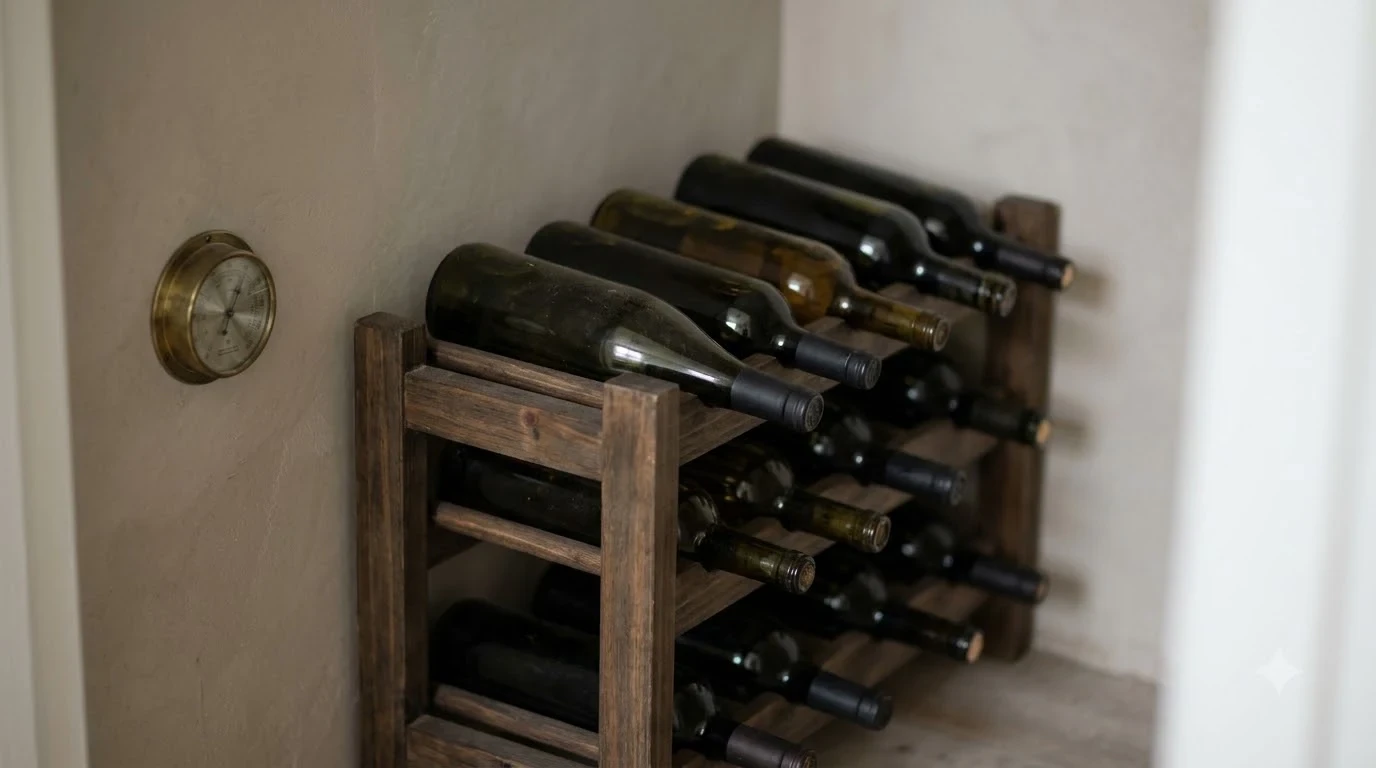
For bottles with natural cork closures, horizontal storage helps keep the cork in contact with the wine. A cool, dark location near 55 degrees Fahrenheit is a useful general target.
Avoid storing wine near ovens, radiators, direct sunlight, or areas with frequent temperature changes. Stable conditions matter more than finding an exact temperature that is difficult to maintain.
Premium vineyard-designated Pinot Noir deserves particular care because its higher purchase cost makes preventable storage damage especially frustrating. A dedicated wine refrigerator is useful for consumers who regularly purchase several bottles for future enjoyment.
Serve at the Appropriate Temperature
Pinot Noir generally benefits from slightly cooler service than many full-bodied red wines. A temperature around 55 to 60 degrees Fahrenheit helps retain freshness and makes its acidity and aromatic qualities easier to appreciate.
Chardonnay is generally served around 50 to 55 degrees Fahrenheit when it has a fuller-bodied style. Avoid serving it so cold that its aromas and texture become difficult to appreciate.
For a standard 750 ml bottle, a 5-ounce pour produces approximately five glasses. This is a practical serving reference when planning a dinner or deciding how many bottles to purchase.
Allow Opened Wine to Develop
Once opened, still wine generally keeps for approximately three to five days when properly recorked and refrigerated. Pinot Noir and Chardonnay can change noticeably after opening, so preserving the remaining wine with a suitable closure helps maintain its character.
A young, structured red may also benefit from some exposure to air before serving. However, Pinot Noir is generally more delicate than heavily tannic Cabernet Sauvignon, so extensive decanting is not automatically necessary. Begin with a short period of aeration and adjust according to the wine’s aromas and structure.
For a special dinner, serving a vineyard-designated Calera Pinot Noir with roast poultry, mushroom risotto, or simply prepared pork is a sensible approach. The wine’s acidity and relatively moderate tannin can complement these dishes without overwhelming their flavors.
Frequently Asked Questions
Is Calera considered a luxury wine brand?
Calera occupies a premium position in California wine, particularly through its Mt. Harlan vineyard-designated releases. Its wines are not all luxury-priced, however, because the Central Coast collection provides more accessible options. The distinction between its regional and estate ranges is important when assessing the brand’s overall positioning.
What does the name Calera mean?
Calera is a Spanish word meaning lime kiln. The name reflects the limestone heritage associated with the winery’s Mt. Harlan location. This geological connection is central to the identity established by founder Josh Jensen.
Who makes Calera wine today?
Calera’s official FAQ identifies Mike Waller as its winemaker and states that the winery is part of the Duckhorn Portfolio. Founder Josh Jensen passed away in 2022, leaving behind the vineyard-focused philosophy that helped establish the producer’s reputation. The winery continues to present its Mt. Harlan estate as the center of its identity.
Can Calera wine be purchased directly from the winery?
Yes, Calera operates an official online wine shop. However, direct shipping is restricted in certain states because of alcohol distribution regulations. The winery also offers a wine finder for locating local retailers, which is useful when direct delivery is unavailable.
Can visitors taste Calera wines at the winery?
Calera offers tasting appointments at its property at 11300 Cienega Road in Hollister, California. Its FAQ describes tastings as lasting approximately 40 to 50 minutes, with appointments available Monday through Sunday from 11 a.m. to 3:30 p.m. Reservations are recommended for guaranteed availability.
Calera offers several ways to explore California Pinot Noir and Chardonnay, from accessible Central Coast releases to more specialized Mt. Harlan vineyard bottlings. The best buying decision depends on the grape, vineyard designation, vintage, and occasion rather than price alone. Start with a Central Coast bottle if you are discovering the producer, or consider a named Mt. Harlan selection if you want to explore Calera’s distinctive vineyard expressions in greater depth.
More in Wine Brands
 Franzia White Zinfandel Review: Taste, Sweetness and Serving TipsUpdated Nov 21, 2026
 Franzia White Zinfandel Price: Compare Box Sizes and ValueUpdated Nov 21, 2026
 Erath Wine Review: How to Choose the Right Oregon BottleUpdated Nov 21, 2026
 Franzia Sunset Blush Price: Compare Box Sizes and Get Better ValueUpdated Nov 21, 2026
 Franzia Sangria Review: Taste, Sweetness, Serving Tips and ValueUpdated Nov 21, 2026
 Franzia Chillable Red Price: 5L Box Costs and Buying TipsUpdated Nov 21, 2026