

We may earn a commission when you buy through links on this page, at no extra cost to you. Learn more.
Calera Wine is a California winery best known for Pinot Noir from a single estate on Mt. Harlan, in the Gabilan Mountains on the Central Coast. The brand was founded by Josh Jensen, who came home from Burgundy in 1971 with a strong interest in limestone soils and a plan to find a California site that could grow Pinot Noir with similar depth. The winery’s name refers to a lime kiln. Calera also makes Chardonnay and other varietals, and its wines are usually described as structured, fresh, and site-driven.
Calera is a name that shows up often in wine shops and restaurant lists, but many buyers know only that it makes Pinot Noir without knowing where the grapes come from or why the wines taste the way they do. This guide covers the winery’s background, the style of its wines, how to serve them, and what to eat with them. The goal is to help you decide whether a Calera bottle suits the way you drink wine.
Who Founded Calera and Why the Site Matters
According to the winery’s own history page, Josh Jensen returned from France in 1971 after spending time in Burgundy. In Burgundy he studied the limestone-rich soils that give many classic Pinot Noir and Chardonnay their character. He then looked across California for a site that could produce wines with similar depth and structure. The timeline on the winery’s page records that he found the Mt. Harlan slopes in 1974, and the brand has been marking its history since then.
That search explains the winery’s identity. Calera’s vineyards sit in the Gabilan Mountains American Viticultural Area on California’s Central Coast, and the estate’s soils are described on the winery’s site as rare and limestone-rich. The site is the reason the brand puts so much weight on individual vineyard bottlings. Each wine is meant to show where it came from, not only the grape variety on the label.
The Early Milestones
The brand’s timeline offers a clear sequence of firsts. The first wine released was 1,000 cases of Zinfandel in 1975. The first Mt. Harlan Pinot Noir followed in 1977, and the first Mt. Harlan Chardonnay came in 1978. The first estate Pinot Noir was released in 1984. These dates matter for buyers because they show that the estate’s Pinot Noir and Chardonnay programs were built early and have a long track record. In 2013, Jensen was named a Wine Spectator Pinot Noir Pioneer, a recognition that reflects his role in establishing California Pinot Noir as a serious category.
What Calera Pinot Noir Tastes Like
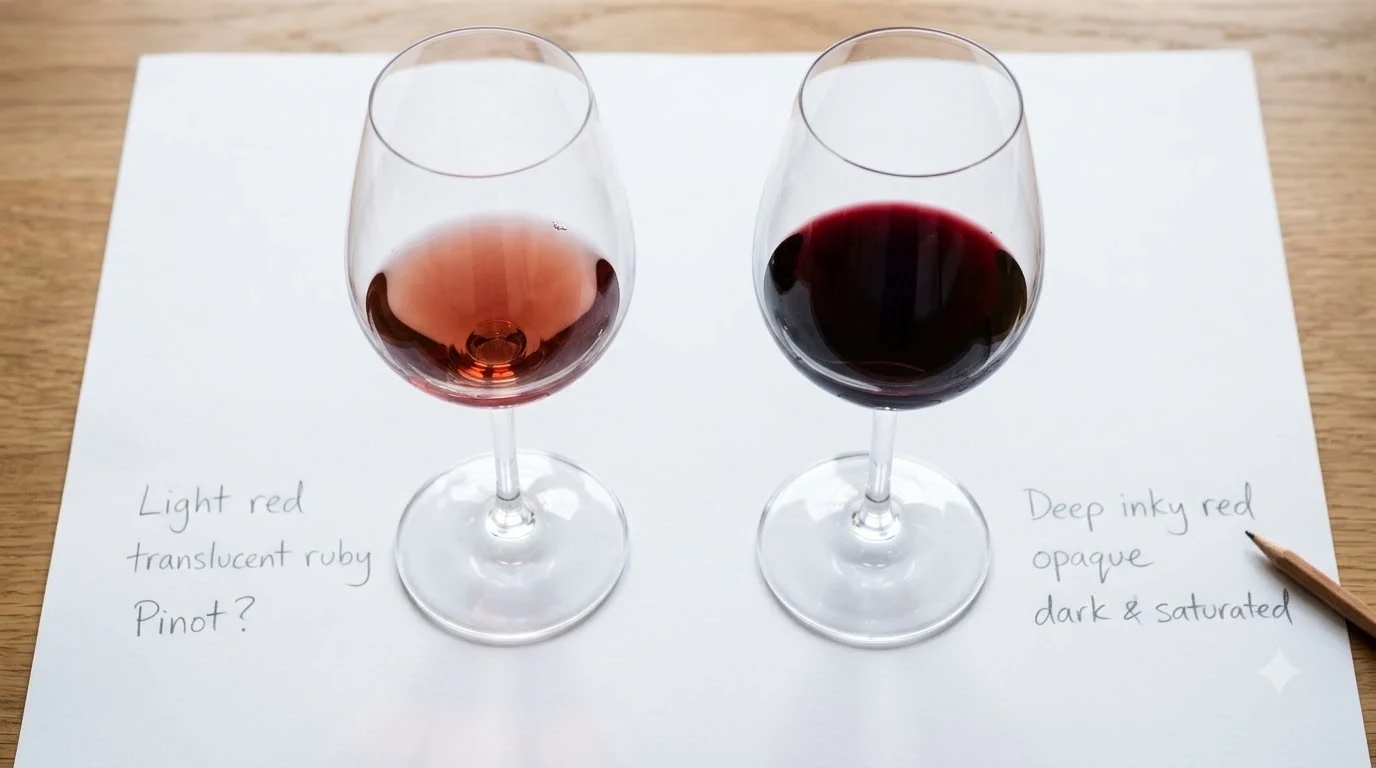
Calera’s Pinot Noir is usually described as balancing richness with finesse, a combination that many fans of the grape look for. Pinot Noir from cooler sites tends to show red fruit, earth, and fresh acidity, and the winery’s site describes each vineyard bottling as a reflection of its own ground. That means two Calera Pinots can taste different even when they carry the same producer name.
Because the wines are tied to the estate’s limestone soils, buyers who expect a big, jammy California Pinot may find Calera more structured and less fruit-forward. The wines are built to age and to show a sense of place. If you like bright acidity, fine tannin, and a finish that lingers, Calera is a good style to explore. If you prefer a soft, sweet, very ripe red, you may want to start with a lighter California Pinot first.
| Calera wine | What to expect | Best way to enjoy it |
|---|---|---|
| Pinot Noir (estate and vineyard bottlings) | Red fruit, earth notes, fresh acidity, fine structure | With roast chicken, mushroom dishes, or salmon |
| Chardonnay | Winery describes a focus on purity and freshness | With seafood, soft cheeses, or light chicken dishes |
| Zinfandel (early release) | The winery’s first release in 1975 was a Zinfandel | With grilled meats and hearty fare |
How to Serve Calera Wines
Serving temperature depends on the wine. Pinot Noir is best served a little cooler than room temperature, so the acidity stays lively and the fruit does not taste heavy. Chardonnay is generally poured cooler still, in the range used for most white wines of its style. A standard red wine glass with a generous bowl helps Pinot Noir show its aroma, while a white wine glass works for the Chardonnay.
Decanting is not usually needed for a young Pinot Noir. If you open an older bottle, you can pour it into a decanter for a short time to separate the wine from any sediment. For everyday drinking, let the bottle sit for a short time after opening so the aromas can develop.
Food Pairings for Calera Pinot Noir
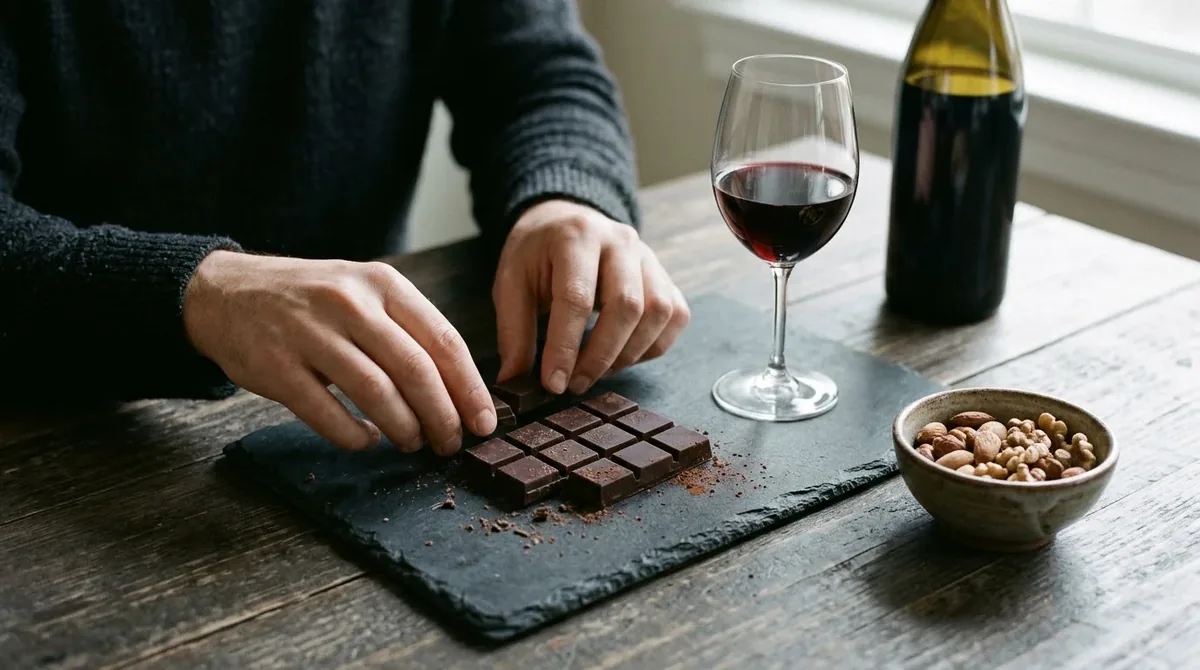
Pinot Noir is one of the most food-friendly red wines, and Calera’s structured style works well with dishes that have savory depth. Roast chicken, duck, mushroom risotto, and salmon are classic matches. The wine’s acidity cuts through rich sauces, and its earthy notes echo roasted vegetables and herbs.
For Calera Chardonnay, lighter seafood dishes and soft cheeses are a natural fit. The wine’s focus on freshness means it suits grilled fish with lemon, creamy pasta with vegetables, or a plate of mild cheeses. Avoid pairing a delicate Chardonnay with very spicy food, because heat tends to overpower the wine’s finish.
How to Buy and Store Calera
Calera is a Central Coast producer with a clear identity, so it is worth checking the vintage and bottling on the label. Vineyard-designated bottlings and estate wines can differ in style, and reading the back label or the winery’s description will help you choose the one that fits your taste. Because the wines are built to age, a bottle from a recent vintage will often benefit from a few years in the cellar, especially the Pinot Noir.
When you compare Calera with other Central Coast Pinot Noir, pay attention to how the producer describes its vineyards. A winery that ties its wines to specific soils and sites usually gives you more to work with when you read a back label or a shop description. Calera’s own materials put the emphasis on land, patience, and stewardship, so a bottle from this producer is best judged by how well it shows that sense of place rather than by how heavy or sweet it tastes on first sip.
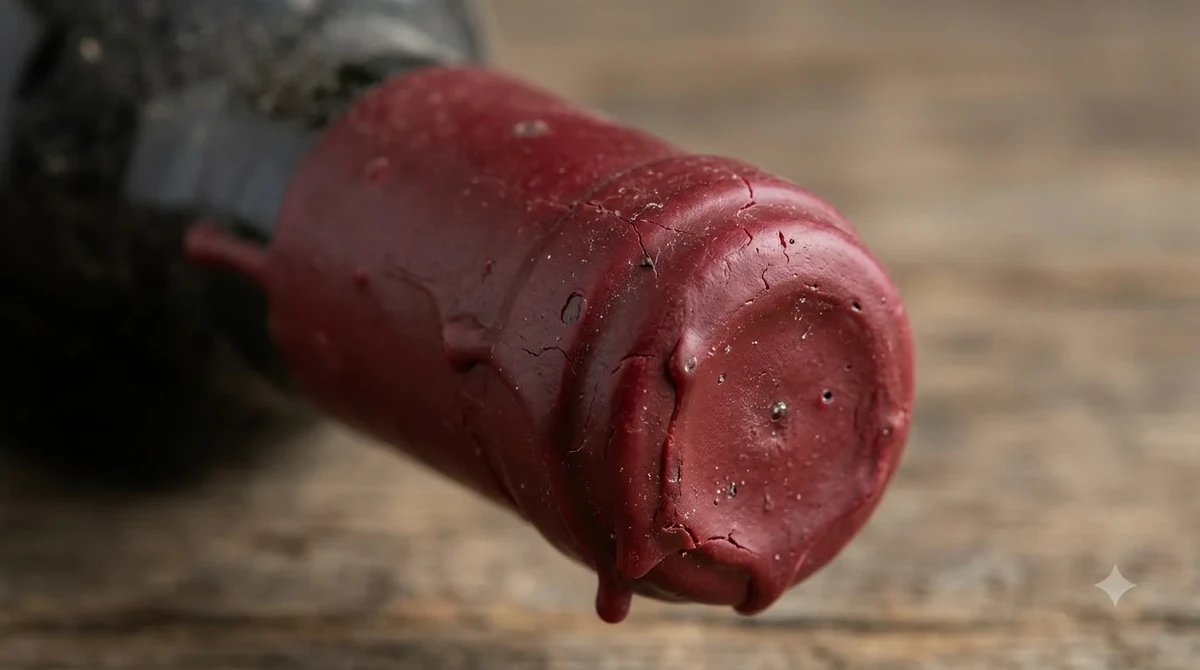
Store bottles on their side in a cool, dark place away from heat and sunlight. A steady temperature matters more than a specific number, and a wine fridge or a quiet closet works well for most collectors. Keep an eye on the cork if you plan to hold a bottle for many years, and drink younger bottles first.
Frequently Asked Questions
Who founded Calera Wine?
Calera was founded by Josh Jensen, who returned from France in 1971 after time in Burgundy and then searched California for a limestone-rich site for Pinot Noir. The winery’s history page places his discovery of the Mt. Harlan slopes in 1974.
What is Calera best known for?
Calera is best known for Pinot Noir grown on its Mt. Harlan estate in the Gabilan Mountains. The winery also produces Chardonnay, and its site describes each vineyard bottling as a reflection of its specific ground.
What does the name Calera mean?
The winery’s site says the name refers to a lime kiln, a nod to the limestone-rich soils that define the estate. The limestone is central to the brand’s approach to Pinot Noir.
How should I serve Calera Pinot Noir?
Serve Pinot Noir slightly cooler than room temperature so the fruit stays clean and the acidity stays lively. A generous red wine glass helps the aromas open, and decanting is only needed for an older bottle with sediment.
Calera is a good choice for drinkers who want a structured, site-driven Pinot Noir from California’s Central Coast. To explore similar producers, see the Pedernales wine guide or the Spottswoode wine page, and for a broader overview of brands, the Wine Brands hub is a useful starting point. For the winery’s own account of its history and vineyards, read the Calera story page.
More in Wine Brands
 Underwood Wine Price: Compare Bottles, Cans, and Pack SizesUpdated Nov 21, 2026
 Zenato Wine Price: Compare Styles and Choose the Right BottleUpdated Nov 21, 2026
 Zuccardi Wine Price: Compare Bottles and Find the Right RangeUpdated Nov 21, 2026
 Yellow Tail Moscato Review: Taste, Sweetness and Serving TipsUpdated Nov 21, 2026
 Wolf Blass Yellow Label Review: Choose Your Best StyleUpdated Nov 21, 2026
 Wolffer Estate Rose Review: Choose the Right Bottle for Your TableUpdated Nov 21, 2026