

We may earn a commission when you buy through links on this page, at no extra cost to you. Learn more.
This franzia white zinfandel review finds that Franzia White Zinfandel is a light-bodied, medium-sweet blush wine suited to casual meals, brunches and gatherings where an approachable, fruity wine is more important than complexity. It offers delicate strawberry, cranberry and other red-fruit characteristics with a clean, refreshing finish. Its convenient boxed packaging, generous serving capacity and six-week freshness claim also make it practical for occasions when a standard bottle might be inconvenient.
Franzia White Zinfandel is designed for people who enjoy fruit-forward rosé with noticeable sweetness rather than a crisp, bone-dry white wine. Although its name includes the word white, this is a pink wine made in the White Zinfandel style. Understanding its sweetness, flavor, alcohol content, serving requirements and food compatibility makes it easier to decide whether it belongs in your refrigerator.
Who This Is For: Understanding Franzia White Zinfandel
Franzia White Zinfandel is a sensible choice for drinkers who prefer light-bodied wine with fruity aromas and a gentle sweet impression. Its uncomplicated profile makes it particularly suitable for casual occasions, outdoor meals and gatherings where guests have different levels of wine experience.
The wine is intended for people who enjoy recognizable fruit flavors rather than pronounced oak, earthy characteristics or firm tannins. Franzia describes its White Zinfandel as semi-sweet, with subtle floral aromas, cranberry and red-fruit notes, followed by a clean finish. These characteristics place it firmly in the approachable blush-wine category.
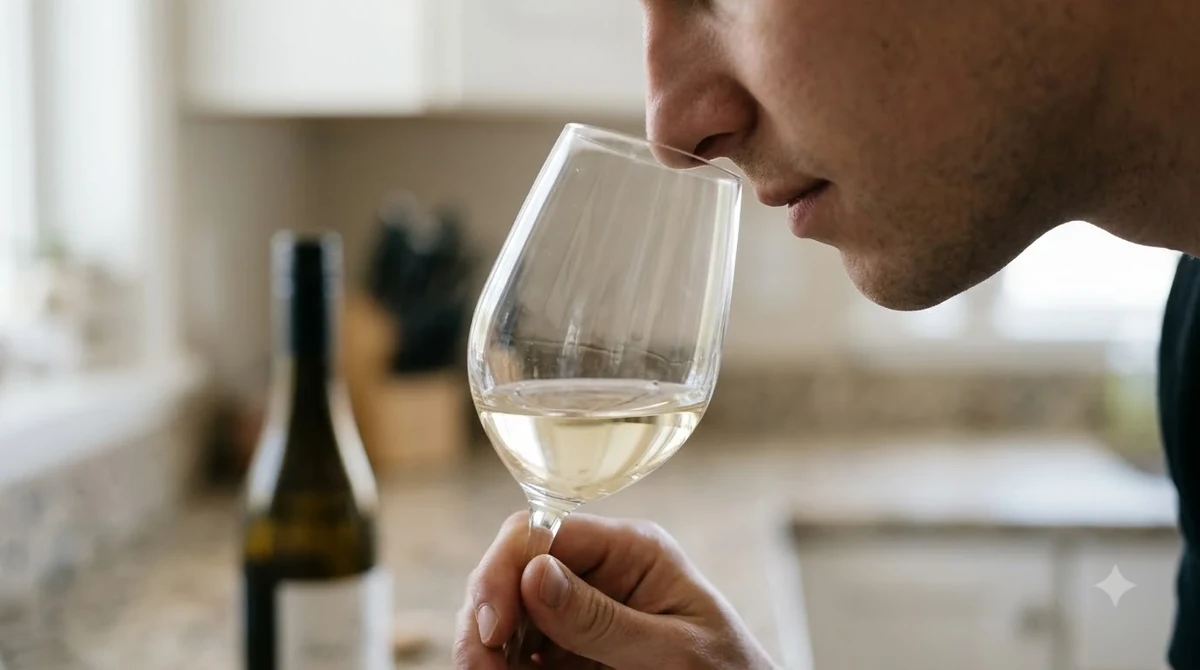
Despite its name, White Zinfandel is not a conventional white wine. It is a rosé-style wine made using the dark-skinned Zinfandel grape. According to Total Wine’s explanation of the category, winemakers typically allow a short period of skin contact to extract the pink color before separating the juice from the skins. The result is quite different from the deeper color and more concentrated structure associated with red Zinfandel.
Franzia’s version is especially relevant for people who want a larger quantity of wine without opening multiple individual bottles. The manufacturer offers 1.5-liter and 5-liter formats, making it possible to choose a package based on the size of the occasion. The larger format is particularly convenient for a party or a household that serves wine regularly.
However, this is not necessarily the right choice for every wine drinker. Someone who prefers dry Sauvignon Blanc, mineral-driven Pinot Grigio or a structured red wine may find Franzia White Zinfandel noticeably sweeter and less complex. Its appeal is its accessible fruit character, not the depth or aging potential of a premium bottle.
For readers comparing other approachable wines from the same producer, the broader Franzia White Zinfandel product information can help clarify the style and packaging options. A wider look at wine brands can also help put Franzia into context alongside other widely available American wine producers.
Key Factors to Compare Before Choosing a Box
The most useful buying considerations are sweetness, fruit character, alcohol content, package size and serving convenience. These factors determine whether Franzia White Zinfandel fits your preferences and the occasion better than another rosé or blush wine.
| Factor | Franzia White Zinfandel | What It Means |
|---|---|---|
| Wine style | White Zinfandel rosé | Pink wine made from Zinfandel grapes |
| Body | Light-bodied | Relatively easy-drinking structure |
| Sweetness | Medium-sweet | Noticeable fruity sweetness |
| Alcohol content | 10.5% ABV | Alcohol by volume listed by BevMo |
| Package option 1 | 1.5 liters | Approximately 10 servings |
| Package option 2 | 5 liters | Approximately 34 servings |
| Serving size | 5 ounces | Manufacturer’s stated serving measure |
| Calories | 105 per serving | Manufacturer’s listed nutrition figure |
| Carbohydrates | 8 grams per serving | Manufacturer’s listed nutrition figure |
| Sugar | 4 grams per serving | Manufacturer’s listed nutrition figure |
| After-opening freshness | Up to 6 weeks | Manufacturer’s claim for its boxed format |
Sweetness deserves particular attention because the phrase White Zinfandel covers wines that can vary in style. Franzia places its version around the medium-sweet category. This means it should taste noticeably fruitier and sweeter than a typical dry rosé, although it is not necessarily as sweet as a dessert wine. Its cranberry and red-fruit notes provide a fruity impression without making the wine taste like a fruit-flavored beverage.
Alcohol content is another useful comparison. BevMo lists Franzia White Zinfandel at 10.5% ABV. This is a specific product figure and is useful when comparing it with other bottles or boxed wines. The separate Franzia White Zinfandel alcohol content guide provides additional context for understanding how ABV relates to serving size and the amount of wine in each package.
Package size can change the purchasing decision considerably. A 1.5-liter box contains twice the volume of a standard 750-milliliter wine bottle, while a 5-liter box contains the equivalent of approximately 6.67 standard bottles. Based on Franzia’s stated 5-ounce serving size, these packages provide approximately 10 and 34 servings respectively.
Nutrition information is also worth comparing, particularly if you are checking product labels across different wines. Franzia lists 105 calories, 8 grams of carbohydrates and 4 grams of sugar per serving. These are manufacturer-provided figures rather than universal values for every White Zinfandel. Other producers may use different grape blends, fermentation approaches and residual-sugar levels.
Tip: Choose the package based on the number of people and the expected number of servings. The 1.5-liter format is easier to manage for smaller occasions, while the 5-liter box offers greater capacity for larger gatherings. A 5-ounce pour is a useful planning measurement for either size.
For a broader style comparison, Total Wine’s White Zinfandel wine guide explains how the grape, short skin contact and fermentation choices influence the category’s sweetness, color and body.
Step-by-Step: How to Choose and Serve Franzia White Zinfandel
Choosing this wine is straightforward once you identify your preferred sweetness and the quantity needed. A few practical steps help ensure that the package, temperature and food pairing match the occasion.
-
Decide whether medium-sweet wine suits your palate.
Start by considering what you normally drink. If you enjoy strawberry-forward rosé, fruity Moscato or other approachable blush wines, Franzia White Zinfandel may suit your preferences. If you regularly choose dry Sauvignon Blanc or very dry sparkling wine, its sweetness may be more noticeable than you expect.
-
Choose the appropriate package size.
The 1.5-liter box provides approximately 10 five-ounce servings, while the 5-liter format provides approximately 34. For a small dinner, the smaller package is easier to handle. For a larger gathering, the 5-liter format reduces the need to open several containers.
-
Chill the wine before serving.
Light rosé wines generally benefit from a serving temperature around 45 to 50 degrees Fahrenheit. Place the box in the refrigerator ahead of time so the wine is sufficiently cold. Serving it too warm can make the sweetness and alcohol more prominent while reducing its refreshing character.
-
Prepare suitable glasses.
Use standard white-wine glasses or versatile wine glasses with enough room to appreciate the aromas. A 5-ounce pour follows Franzia’s stated serving measurement. Avoid filling glasses to the rim, particularly when serving guests at a gathering.
-
Match the wine with suitable food.
Try mild cheeses, fresh salads, fruit plates or simple brunch dishes. The fruit-forward profile can complement foods with gentle sweetness and moderate seasoning. Avoid relying on heavily tannic red-meat pairings, which are generally better suited to structured red wines.
-
Serve and assess the balance.
Notice the strawberry and cranberry character, the gentle sweetness and the finish. If the wine becomes warmer in the glass, return the box to the refrigerator or use a chilled serving arrangement. Small temperature adjustments can make a meaningful difference to its freshness.
-
Close and store the package properly.
Use the built-in dispensing system according to its instructions and keep the box refrigerated after opening. Franzia states that its boxed White Zinfandel can remain fresh for up to six weeks after opening. That is a manufacturer claim, not a guarantee that every opened package will maintain identical quality throughout that period.
These steps are especially useful for hosts who want to serve one approachable wine throughout an event. They also help prevent common problems such as serving a sweet rosé too warm or buying substantially more wine than the occasion requires.
Types and Styles Explained: White Zinfandel, Dry Rosé and Sweet Wines
Franzia White Zinfandel belongs to a particular rosé category, but it helps to understand how that style differs from other pink and white wines. The main distinctions are sweetness, acidity, grape variety, tannin and overall flavor intensity.
White Zinfandel
White Zinfandel is made from the dark-skinned Zinfandel grape and is generally produced as a light pink rosé. Limited skin contact gives the wine its characteristic color. Many examples are medium-sweet, fruity and relatively low in tannin.
Franzia’s version follows this accessible style. Its manufacturer identifies cranberry and red-fruit notes, along with subtle floral aromas. Retail descriptions also mention delicate strawberry aromas and a refreshing finish. The resulting profile is more fruit-forward than many dry rosés.
Dry rosé
Dry rosé can be made from several grape varieties, including Grenache, Syrah, Pinot Noir and Mourvèdre. These wines often have less noticeable sweetness than White Zinfandel and may show citrus, herbs, red berries or mineral characteristics.
For example, a dry Provence-style rosé generally emphasizes freshness and acidity rather than a distinctly sweet strawberry impression. It may be a better choice with grilled seafood, Mediterranean salads and dishes containing olive oil. Franzia White Zinfandel is more appropriate when the drinker specifically wants a sweeter, softer style.
Red Zinfandel
Red Zinfandel is a different expression of the same grape. It is typically darker, fuller-bodied and more concentrated, with flavors such as blackberry, plum, dark cherry and spice. Its tannins and alcohol levels can also be considerably higher than those of a typical White Zinfandel.
White Zinfandel should therefore not be selected as a lighter version of a conventional bold red without considering the difference in structure. The wines serve different purposes at the table and appeal to different preferences.
Pink Moscato
Pink Moscato is another fruit-forward option for people who enjoy sweet wine. Depending on the producer, it can show peach, floral, citrus and berry characteristics. Some examples are sweeter and more aromatic than Franzia White Zinfandel.
The two styles can work for similar casual occasions, but they are not interchangeable in every food pairing. White Zinfandel generally has a recognizable red-berry character, while Moscato often has a more pronounced floral and peach-like profile.
Comparing the main characteristics
The following comparison summarizes the general differences between these styles. Exact sweetness, acidity and body vary between producers and individual wines.
| Wine style | Typical sweetness | Body | Common flavors | Good occasion |
|---|---|---|---|---|
| Franzia White Zinfandel | Medium-sweet | Light | Strawberry, cranberry, red fruit | Brunch and casual gatherings |
| Dry rosé | Dry | Light to medium | Citrus, raspberry, herbs | Seafood and summer meals |
| Red Zinfandel | Usually dry | Medium to full | Blackberry, plum, spice | Grilled meats and hearty dishes |
| Pink Moscato | Sweet | Light | Peach, floral notes, berries | Fruit desserts and casual sipping |
These differences are useful when comparing Franzia with another familiar American boxed or bottled wine. For example, Sutter Home White Zinfandel provides a relevant comparison because it belongs to the same general wine category. The important considerations are the individual product’s sweetness, fruit profile, alcohol content and package format rather than assuming all White Zinfandel tastes identical.
Common Mistakes When Buying and Drinking Franzia White Zinfandel
The most frequent mistakes involve confusing White Zinfandel with dry white wine, overlooking its sweetness, serving it too warm and choosing unsuitable food pairings. Recognizing these differences makes it easier to enjoy the wine for the style it is intended to represent.
Assuming the wine is white
The word white in White Zinfandel can be misleading. This is a rosé wine with a pink appearance, not a conventional white wine made from green-skinned grapes. Its color comes from limited contact between the juice and dark grape skins during production.
This distinction matters when comparing it with Chardonnay, Sauvignon Blanc or Pinot Grigio. Those wines have different grape varieties and commonly offer different combinations of acidity, aromas and texture.
Expecting a dry wine
Franzia identifies its White Zinfandel as semi-sweet, so drinkers who expect a completely dry rosé may be disappointed. Its fruit character is accompanied by noticeable sweetness. That sweetness is part of the intended style rather than an indication that the wine has been stored incorrectly.
If dry wines are your preference, consider a dry rosé or Sauvignon Blanc instead. Sauvignon Blanc generally has higher acidity and a sharper citrus or herbal character, while Franzia White Zinfandel is softer and more fruit-driven.
Serving it at room temperature
Light rosé wines generally show their best balance when chilled to approximately 45 to 50 degrees Fahrenheit. Serving Franzia White Zinfandel warm can make its sweetness feel heavier and reduce the crisp impression of its finish.
However, extremely cold serving conditions can also mute delicate floral and fruit aromas. The objective is a comfortably chilled wine rather than one that has become icy.
Pairing it with the wrong foods
Sweetness and acidity influence how wine interacts with food. A moderately sweet rosé can work with mildly spicy dishes, fruit-based salads and salty cheeses, but very spicy foods can still make alcohol feel more prominent.
Franzia recommends cheese boards and brunch. H-E-B also identifies salads and Manchego cheese as suitable pairings. These suggestions make sense because moderate saltiness and mild flavors can complement the wine’s fruit character without overwhelming it.
Oily fish paired with highly tannic red wine can create an unpleasant combination, although tannin is not a major concern with this particular light-bodied rosé. For salmon or other fish, a dry rosé with greater acidity may provide a more balanced match depending on the preparation.
Buying too much wine
The large 5-liter format can be convenient, but it is not automatically the best choice for every household. A small dinner with four guests may not require 34 five-ounce servings. The smaller 1.5-liter package offers approximately 10 servings and can be more practical for limited consumption.
Consider the expected number of servings, available refrigerator space and how frequently the wine will be used. The manufacturer’s six-week freshness claim is useful, but proper refrigeration and dispensing practices remain important.
Care and Storage Tips for Keeping the Wine Fresh
Proper refrigeration and careful handling help preserve the fruit aromas and clean finish of Franzia White Zinfandel. Its boxed packaging is designed for convenience, but temperature and storage conditions still influence the wine’s quality.
Keep unopened wine in suitable conditions
Before opening, store the box in a cool location away from direct sunlight, heat sources and substantial temperature fluctuations. A cool storage area is preferable to a warm kitchen cabinet beside an oven or other heat-producing appliance.
Unlike traditional wine bottles with cork closures, Franzia’s boxed format uses a dispensing system. This makes it unnecessary to store the package horizontally. Keep it upright and follow the manufacturer’s handling instructions so the dispensing mechanism remains functional.
Refrigerate after opening
Once opened, keep Franzia White Zinfandel refrigerated. The manufacturer advertises freshness for up to six weeks after opening, which is one of the practical advantages of its boxed format. The packaging is designed to limit exposure to air as wine is dispensed.
Still, six weeks should be understood as the manufacturer’s stated freshness period rather than an unconditional promise. The actual drinking experience can vary with storage temperature, dispensing habits and the condition of the packaging. If the wine develops an unusual smell, flavor or appearance, do not assume that it remains suitable simply because the advertised period has not elapsed.
Serve at the correct temperature
A serving temperature of 45 to 50 degrees Fahrenheit is a useful target for light rosé. If the wine has been refrigerated for a long time and seems excessively cold, allow it a few minutes in the glass before drinking.
For outdoor gatherings, an insulated cooler can help maintain the temperature. Keep the box out of direct sunlight, and avoid leaving it on a warm table for extended periods. Returning it to refrigeration between servings helps maintain a consistent experience.
Plan servings efficiently
Franzia’s stated 5-ounce serving measurement makes planning relatively simple. A 1.5-liter package provides approximately 10 servings, while a 5-liter package provides approximately 34. These figures are useful estimates rather than guarantees because actual serving sizes differ.
For a gathering of eight people, for example, one 1.5-liter package provides enough for approximately one standard serving per guest, with a little additional volume. A larger gathering may justify the 5-liter format, particularly when the wine is being served alongside other beverages.
There is little reason to cellar this style for extended aging. Total Wine explains that White Zinfandel is generally intended for relatively early consumption. Its appeal lies in fresh fruit character and approachable sweetness rather than the development of complex bottle-aged flavors.
Frequently Asked Questions
Is Franzia White Zinfandel made entirely from Zinfandel grapes?
Franzia’s public product description identifies the wine as White Zinfandel but does not provide a complete varietal composition. White Zinfandel is generally associated with the Zinfandel grape, although blending and production requirements can differ among wines. A specific grape-percentage breakdown should not be assumed without producer documentation.
Why is White Zinfandel sometimes called blush wine?
Blush is a traditional American wine-industry term for certain pale pink wines. It became particularly associated with White Zinfandel as the style gained popularity among American consumers. The terms blush and rosé can overlap in everyday wine descriptions, although individual producers may prefer one label over the other.
Does Franzia White Zinfandel need to breathe before serving?
No extended aeration is generally necessary for this light-bodied, fruit-forward wine. Unlike a young, concentrated Cabernet Sauvignon that may benefit from 30 to 60 minutes of decanting, White Zinfandel is intended to be enjoyed fresh. Simply chill it and pour it into a suitable glass.
Can Franzia White Zinfandel be used in a wine punch?
Yes, its fruity sweetness can make it a suitable base for casual wine punch recipes. Fresh strawberries, citrus slices and chilled sparkling water are possible additions. Because the wine already has noticeable sweetness, taste the mixture before adding additional sweeteners.
Does White Zinfandel have the same international classification everywhere?
No. Wine labeling terminology and legal classifications vary between countries. White Zinfandel is a familiar American category name, while many European markets use broader rosé terminology and regional designations. This is one reason the same grape can appear under different wine descriptions in international retail stores.
Franzia White Zinfandel is best understood as an affordable-style, light-bodied blush wine for people who appreciate medium sweetness, recognizable red-fruit flavors and convenient boxed packaging. Its 1.5-liter and 5-liter formats make it practical for different occasions, while its chilled serving temperature and cheese-friendly profile help it fit comfortably into casual meals and gatherings. Choose it for its approachable fruit character rather than expecting the dryness, complexity or structure of a premium rosé.
More in Wine Brands
 Mionetto Rose Price: What to Expect for a BottleUpdated Nov 21, 2026
 Merry Edwards Wine Price: Compare Bottles and Find the Right WineUpdated Nov 21, 2026
 Ménage à Trois Moscato Price and What You Get for Your MoneyUpdated Nov 21, 2026
 Lodi Wine Price: Compare Bottles by Budget and StyleUpdated Nov 21, 2026
 Mateus Rose Review: Taste, Sweetness, and Buying TipsUpdated Nov 21, 2026
 Meiomi Cabernet Review: Flavor, Food Pairings, and Buying TipsUpdated Nov 21, 2026