

We may earn a commission when you buy through links on this page, at no extra cost to you. Learn more.
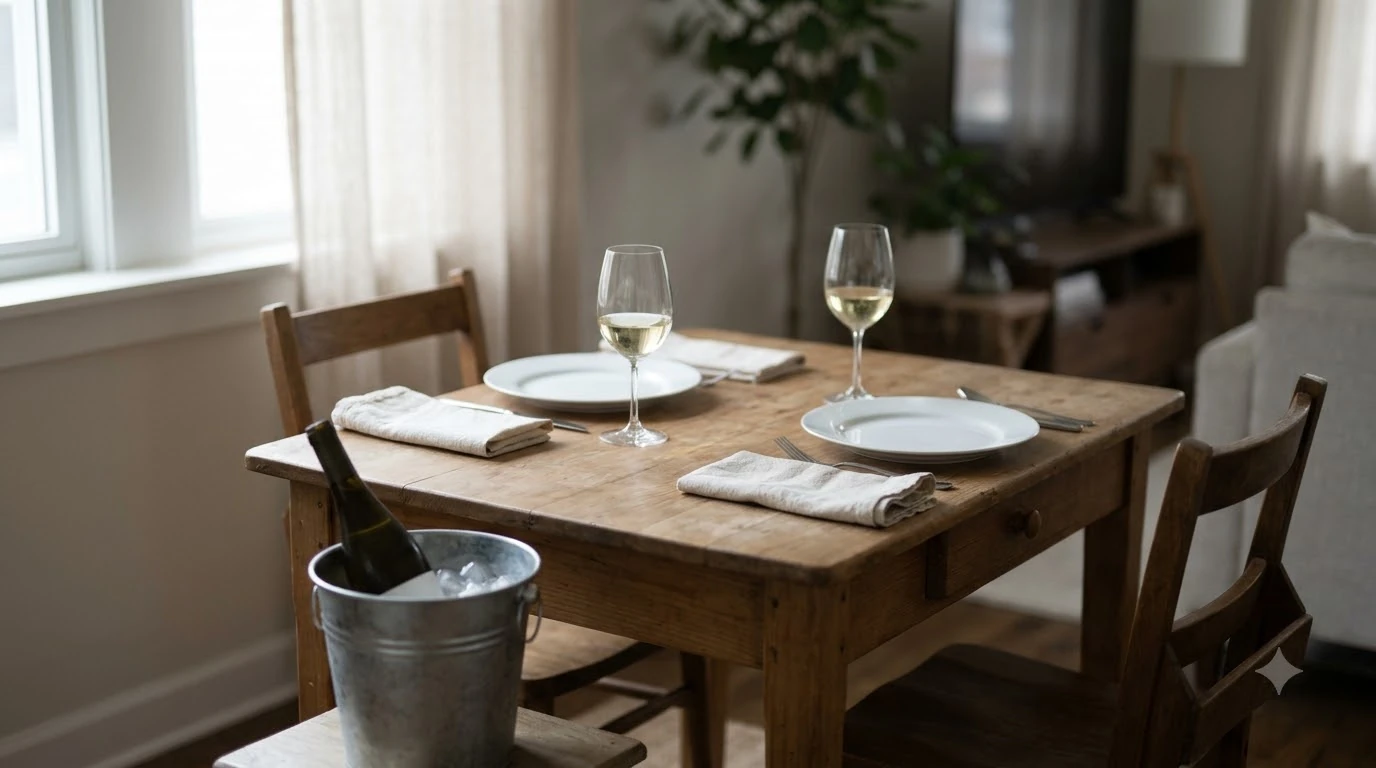
White zinfandel food pairing works best with seafood, grilled chicken, fresh salads, mild cheeses, spicy Asian dishes, and lightly sweet desserts. White Zinfandel is a fruity, generally semi-sweet rosé made from the red Zinfandel grape. Its light body, gentle texture, and moderate sweetness make it particularly useful with meals that benefit from a little fruitiness rather than heavy tannins or intense acidity. For the best results, match the wine’s sweetness to the dish, keep particularly spicy foods moderate, and serve the bottle well chilled.
White Zinfandel is an approachable choice for casual dinners, summer lunches, outdoor gatherings, and appetizer spreads. Its strawberry, raspberry, melon, and citrus notes provide an easy starting point for food matching, while its pink color makes it a natural fit for relaxed meals. The key is understanding how its sweetness and relatively low acidity affect different ingredients. Once you recognize those characteristics, choosing the right main course, side dish, or dessert becomes much easier.
Understanding White Zinfandel’s Flavor Before Choosing Food
White Zinfandel is a light-bodied, fruit-forward rosé with noticeable sweetness and relatively low acidity. Its gentle structure favors foods with delicate textures, moderate seasoning, and enough natural flavor to complement its strawberry and raspberry character.
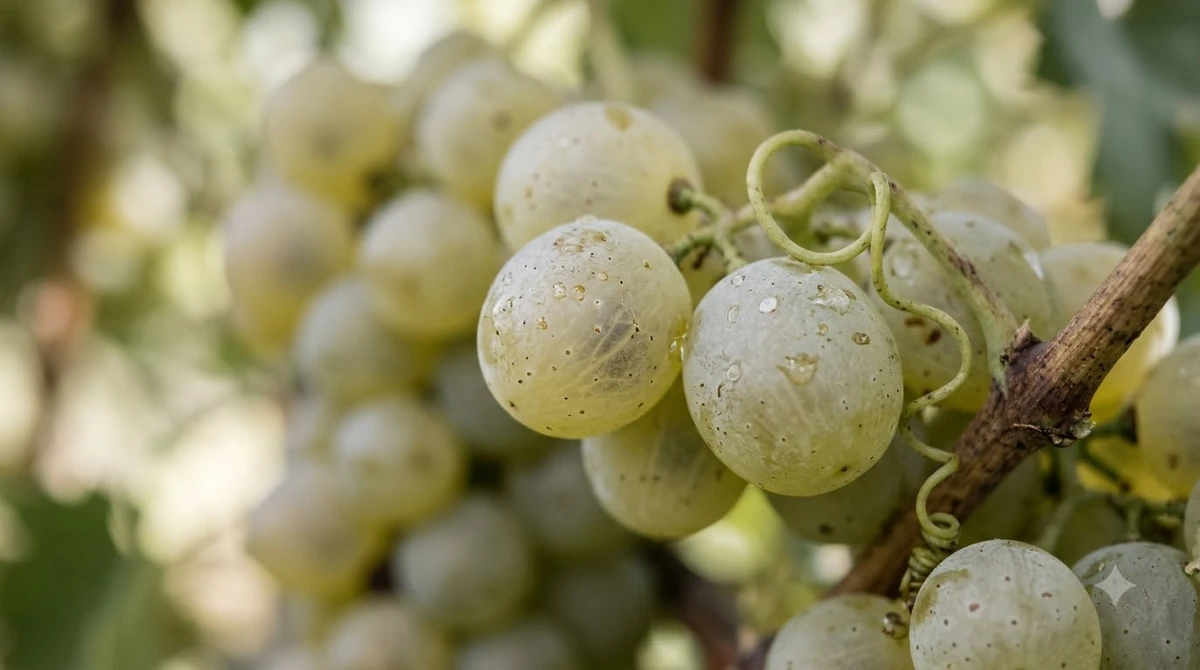
Despite its name, White Zinfandel is not made from a white grape. It comes from Zinfandel, a black-skinned variety associated particularly with California. Winemakers allow the juice limited contact with grape skins to produce its pale pink color. This process gives the wine some of the visual character of rosé without the deeper color and stronger tannin structure associated with red Zinfandel.
According to Wine Enthusiast, White Zinfandel developed through an accidental fermentation event at Sutter Home during the 1970s. A batch of wine failed to ferment completely dry, leaving residual sugar in the finished wine. That sweeter style became an important part of White Zinfandel’s identity. The Wine Enthusiast overview of Zinfandel explains the grape’s different expressions and the origins of its popular pink wine style.
Most White Zinfandel has a medium-sweet profile, although some modern bottles are noticeably drier. Strawberry, raspberry, watermelon, citrus, and melon are common fruit characteristics. Certain examples also show gentle floral, clove, or nutmeg notes. These flavors make the wine particularly comfortable alongside fruit-based sauces, mildly seasoned poultry, and dishes with a touch of sweetness.
Its relatively low tannin is another important characteristic. Tannin creates a drying sensation in the mouth and is more noticeable in many full-bodied red wines. White Zinfandel has little of that gripping texture, so it does not require fatty steaks or heavily seasoned meat to balance its structure. Delicate shrimp, grilled chicken, and mild cheeses are more natural choices.
Acidity deserves special attention. White Zinfandel generally has less acidity than Sauvignon Blanc or Pinot Grigio. That means intensely acidic foods, including vinegar-heavy salads and strongly citrus-based sauces, can make the wine seem flat. A little lemon is useful in cooking, but the overall dish should not depend on sharp acidity for its character.
Think of White Zinfandel as a flexible companion for approachable food rather than a wine that needs elaborate preparation. Fresh ingredients, moderate seasoning, gentle sweetness, and lighter textures are the best starting points. For a broader explanation of balancing these characteristics, the site’s Wine Pairing fundamentals provide useful context for choosing complementary flavors.
Seafood and Fish That Complement White Zinfandel
Seafood is one of the most dependable categories for White Zinfandel because its light body and fruit-forward character complement delicate fish and shellfish. Shrimp, crab, scallops, mild white fish, and lightly seasoned seafood salads are especially practical choices.
Grilled shrimp is an excellent starting point. The natural sweetness of shrimp works with the wine’s strawberry and melon flavors, while light charring adds savory depth without overpowering the glass. Prepare shrimp with olive oil, garlic, a little lemon zest, and chopped parsley. Avoid using so much lemon juice that the finished dish becomes sharply acidic.
Seafood kebabs are another reliable option. Alternate shrimp, scallops, zucchini, and bell peppers on skewers, then grill until the seafood is just cooked. A light herb dressing provides freshness, while the natural sweetness of the vegetables complements the wine. This preparation also makes an attractive choice for outdoor entertaining because it is easy to portion and serve.
Crab cakes can work particularly well when they contain a high proportion of crab meat and a restrained amount of seasoning. A little mayonnaise, parsley, breadcrumbs, and mild mustard create a tender, savory dish that does not overpower the wine. Serve with a creamy herb sauce rather than a highly acidic vinegar dressing.
For fish, consider grilled cod, halibut, tilapia, or snapper. Keep the preparation simple, using olive oil, fresh herbs, and modest seasoning. A fruit salsa made with mango or peach can provide an additional connection to the wine’s fruity character, provided the salsa is not excessively sweet or acidic.
Salmon requires a little more attention because its richness is greater than that of many white fish. A simply grilled salmon fillet with cucumber, dill, or a mild fruit garnish can work with a drier White Zinfandel. However, a heavily smoked, oily, or butter-rich salmon preparation may overwhelm a particularly delicate bottle. The goal is to keep the richness of the fish and the weight of the wine reasonably balanced.
Raw oysters and very delicate sashimi are less dependable matches. Their saline character and subtle textures can expose the wine’s sweetness and lower acidity rather than complement them. Similarly, heavily pickled seafood can make the wine seem less balanced. If serving seafood with a sharp citrus or vinegar dressing, consider a higher-acid alternative such as Albariño. The site’s Albariño food pairing suggestions offer additional ideas for seafood dishes that benefit from greater freshness and acidity.
For a simple seafood menu, serve shrimp skewers as the appetizer, grilled white fish as the main course, and a cucumber salad on the side. This progression keeps the meal light and allows White Zinfandel’s fruit character to remain noticeable throughout dinner.
Chicken, Turkey, and Other Poultry Dishes
Chicken and turkey are natural partners for White Zinfandel because their relatively mild flavors allow the wine’s fruitiness to remain prominent. Grilled chicken, roasted turkey, chicken salad, and lightly glazed poultry are particularly suitable preparations.
Grilled chicken breast is one of the easiest matches to prepare. Season the meat with salt, black pepper, garlic, paprika, and a small amount of olive oil. Cook until the chicken is done while keeping the interior moist. The savory seasoning complements the wine’s fruit notes without introducing excessive heat or bitterness.
A peach or apricot glaze can make the combination even more appealing. The gentle sweetness of stone fruit creates a bridge between the sauce and the wine. Use a modest amount of honey or fruit preserves, and balance the glaze with herbs rather than a large quantity of vinegar. This keeps the food from becoming sweeter than the wine.
Roast chicken also works well, especially when served with carrots, squash, or sweet potatoes. These vegetables contribute natural sweetness and soft textures that suit a medium-sweet rosé. Rosemary, thyme, and parsley provide savory notes that prevent the plate from feeling overly sugary.
Turkey is particularly useful for gatherings because it can be prepared in several styles. Sliced roasted turkey with cranberry relish, a turkey sandwich with mild cheese, or a chilled turkey salad can all work with White Zinfandel. Cranberry sauce should be used moderately, since very sweet sauces can make the wine seem less sweet and more acidic.
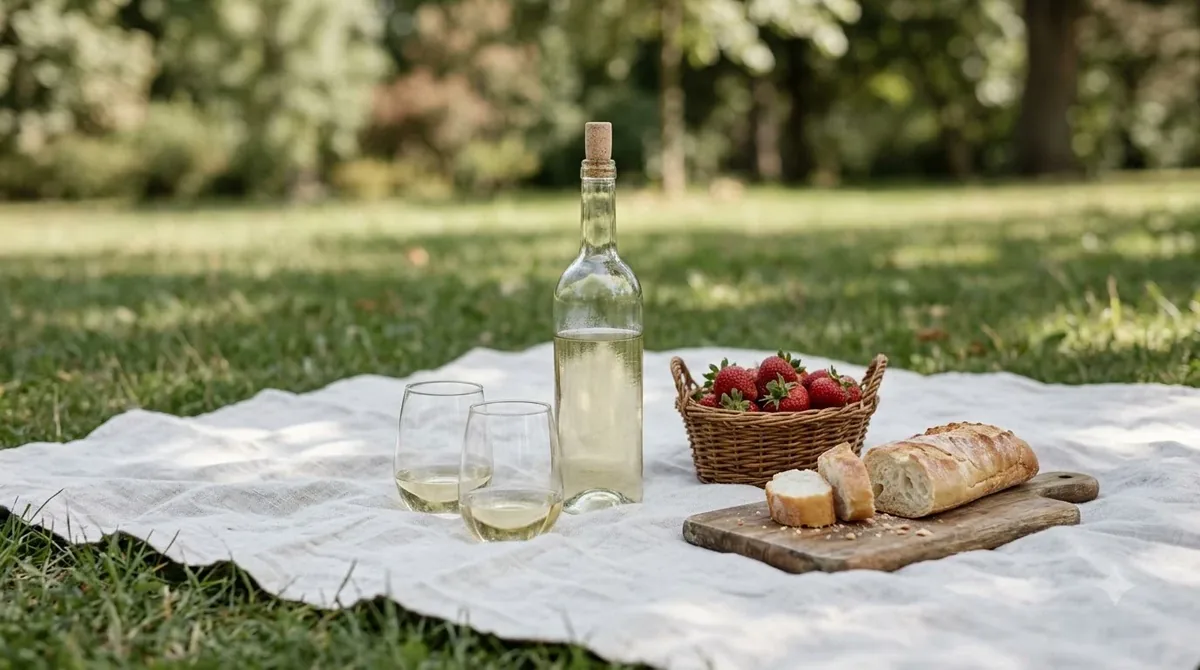
Chicken salad is another convenient pairing for lunches and picnics. Combine cooked chicken with celery, grapes, a little mayonnaise, and fresh herbs. The grapes reinforce the wine’s fruit character, while the creamy dressing adds richness. For a lighter version, use plain yogurt in place of some of the mayonnaise.
Barbecue chicken can also be successful, particularly when the sauce has a gentle sweetness. White Zinfandel works better with a fruit-forward glaze than with extremely smoky, bitter, or heavily peppered barbecue sauce. Keep the seasoning moderate so that the wine’s light structure is not overwhelmed.
For a complete poultry dinner, serve grilled chicken with roasted vegetables and a peach salad. Chill the wine before the meal and use a simple herb dressing rather than a sharp vinaigrette. The combination gives you savory, sweet, and fresh elements without creating a difficult contrast.
Spicy Asian, Indian, and Mexican Food
The natural sweetness of White Zinfandel can complement moderately spicy dishes by balancing chili, ginger, garlic, and aromatic seasoning. Thai curries, Indian chicken dishes, mild Sichuan preparations, and Mexican meals with fruit-based salsa are useful options.
Thai cuisine offers several especially good combinations. Chicken satay with peanut sauce, mild red curry, vegetable spring rolls, and basil chicken can all work with a fruit-forward White Zinfandel. Coconut milk adds richness to curry, while ginger and aromatic herbs connect with the wine’s fruit and spice notes.
For a Thai curry, choose a moderate level of chili heat rather than the hottest version available. A coconut-based chicken curry with bell peppers, carrots, and basil is a sensible choice. The wine’s sweetness complements the savory sauce, while its chilled temperature makes the meal feel refreshing.
Indian cuisine provides similar opportunities. Mild butter chicken, chicken tikka with a yogurt marinade, vegetable korma, and lightly spiced samosas can all be enjoyable matches. Tomato-based sauces should not become excessively acidic, and dishes with very strong chili heat should be avoided.
There is an important distinction between sweetness and heat. A slightly sweet wine can complement chili seasoning, but alcohol can also intensify the sensation of burning. White Zinfandel is often relatively moderate in alcohol compared with many full-bodied reds, yet the actual alcohol level varies between bottles. Keep the spice moderate and let the wine remain cool.
Mexican food is another good opportunity. Chicken tacos with mango salsa, grilled shrimp tacos, quesadillas with mild cheese, and roasted vegetable fajitas offer complementary flavors. Fresh cilantro, avocado, and sweet peppers provide additional layers without introducing excessive acidity or bitterness.
For Sichuan-inspired food, choose preparations with moderate seasoning rather than dishes dominated by hot chili oil. Sweet-and-savory glazed chicken, mild stir-fried vegetables, and ginger-based sauces are easier matches. Extremely hot chili oil can overwhelm the wine and make its fruit character less noticeable.
White Zinfandel is not the only wine worth considering with spicy food. An aromatic Riesling can provide higher acidity and another level of sweetness, while Gewürztraminer offers distinctive floral aromas. If the dish has considerable heat, the best choice is generally a refreshing wine with modest alcohol and enough sweetness to stand up to the seasoning.
Tip: Start with a mildly seasoned version of the dish, then adjust the chili gradually. White Zinfandel’s sweetness can complement moderate heat, but excessive chili and alcohol can make the combination feel hotter rather than more refreshing.
Cheese, Salads, and Appetizers for White Zinfandel
White Zinfandel works particularly well with casual appetizer spreads that combine mild cheese, fresh fruit, poultry, and lightly seasoned snacks. The best selections have enough flavor to complement the wine without relying on sharp acidity, heavy bitterness, or intense salt.
Goat cheese is a useful choice, particularly when served in a mild, creamy style. Its soft texture and gentle tang provide a pleasant contrast to the wine’s fruitiness. Serve it with crackers, sliced peaches, strawberries, or a small amount of honey. Avoid adding too much balsamic reduction, which can dominate the wine’s delicate flavor.
Fresh mozzarella is another versatile option. Its mild milkiness pairs naturally with the wine’s soft texture and fruit character. Arrange mozzarella with watermelon, basil, and a light drizzle of olive oil for a simple summer appetizer. If tomatoes are included, keep the dressing moderate because their acidity can make the wine seem less balanced.
For a cheese board, consider a selection that includes mild goat cheese, young Gouda, Monterey Jack, and a modest portion of Manchego. These cheeses provide different textures and degrees of savory flavor. Sweeter White Zinfandel generally favors milder cheeses, while drier examples can accommodate more assertive choices.
Blue cheese is more challenging. Its strong saltiness and pungent flavor can dominate a delicate wine, although a drier White Zinfandel may work with a small portion served alongside pear slices or plain crackers. If blue cheese is the centerpiece, a more structured wine may be a better choice.
Charcuterie boards are another practical option. Turkey slices, mild ham, chicken pâté, and lightly seasoned cured meats can work well. Add strawberries, melon, almonds, mild cheeses, and plain bread to create a balanced spread. Avoid filling the board with strongly smoked meats, extremely salty salami, or spicy cured sausages.
Fresh salads can also complement White Zinfandel when the dressing is carefully prepared. A spinach salad with strawberries, cucumber, mild goat cheese, and toasted almonds is an especially attractive option. The fruit reinforces the wine’s berry character, while the nuts add texture.
Use a creamy or lightly sweet dressing rather than a strongly acidic vinaigrette. A simple dressing made with olive oil, a little honey, mild mustard, and a small amount of lemon juice can work. Virginia Tech’s food and wine pairing guidance explains that strongly acidic foods can change how sweetness and acidity are perceived in wine.
For a larger appetizer menu, arrange three complementary groups: fresh fruit and mild cheese, grilled shrimp or chicken skewers, and simple crackers with turkey or ham. This gives guests several choices without requiring a separate wine for every dish.
Desserts and Sweet Foods That Work With White Zinfandel
White Zinfandel can accompany fruit-based desserts and lightly sweet treats when its own sweetness is equal to or greater than the sweetness of the food. Strawberry shortcake, peach cobbler, fruit salad, and berry tarts are among the more natural choices.
The most important rule is to avoid desserts that are significantly sweeter than the wine. When a sweet dessert overpowers the wine, the wine can seem thin, tart, and less fruity. This happens because the sweetness of the food changes how the sweetness and acidity of the wine are perceived.
Strawberry shortcake is a particularly appealing match. Fresh strawberries reinforce the wine’s berry aromas, while the cream adds a soft texture. Use a moderate amount of sugar in the fruit and whipped cream so the dessert does not become excessively sweet.
Peach cobbler is another good choice. The cooked fruit provides natural sweetness, and the pastry contributes a buttery texture. A lightly sweet White Zinfandel can complement the peaches, particularly when the dessert is served warm and the wine is chilled.
Fresh fruit salad is a straightforward option for brunch or an outdoor meal. Combine strawberries, melon, peaches, and grapes, then serve without a heavy syrup. The fruit’s natural sweetness and freshness work with the wine’s fruity character.
Berry tarts and fruit pastries can also work well. A strawberry tart with a thin pastry crust and restrained cream filling is more suitable than an intensely sweet confection. Raspberry desserts can create an especially attractive flavor connection, although very tart raspberries should be balanced with a little cream or pastry sweetness.
Chocolate desserts are more difficult. Dark chocolate has bitterness and a concentrated flavor that can overwhelm the wine’s relatively delicate structure. A lightly sweet milk chocolate dessert may be more suitable, especially when served in small portions, but chocolate is not the first choice for this style.
Similarly, very sweet caramel desserts, rich chocolate cakes, and heavily frosted pastries can make White Zinfandel taste noticeably less sweet. If those desserts are the main attraction, choose a sweeter dessert wine instead.
A useful way to plan a dessert course is to begin with the wine. Taste a small amount, assess its sweetness, and then select fruit and pastry components that do not exceed it. A simple peach and strawberry tart with lightly sweetened cream is a better starting point than a rich, heavily sugared cake.
Serving Temperature, Menu Planning, and Pairing Mistakes
White Zinfandel should be served chilled, generally around 45-50 degrees Fahrenheit, to keep its fruit character refreshing and its sweetness balanced. Simple preparation, appropriate glassware, and sensible menu progression help the wine work across a complete meal.
Temperature is especially important because White Zinfandel’s sweetness can become more noticeable as the wine warms. Serving it too warm may make the wine feel heavier and sweeter than intended. On the other hand, serving it extremely cold can mute its aromas and make the fruit character harder to appreciate.
A practical approach is to refrigerate the bottle before serving and pour it once it reaches the desired range. If it warms during a long dinner, return it to the refrigerator or place it in a chilled wine bucket for a short period.
Use a standard white wine or rosé glass. A smaller bowl helps keep the wine cool and makes it easier to appreciate its strawberry, raspberry, melon, and citrus aromas. There is no need for special decanting equipment. White Zinfandel is generally intended for youthful enjoyment rather than extended bottle aging.
Quick food and wine matching reference
The following table provides practical starting points for selecting dishes. The temperature ranges are approximate serving recommendations for the wine and the food is grouped according to its dominant flavor and texture.
| Food category | Recommended dishes | Why the pairing works | Serving approach |
|---|---|---|---|
| Seafood | Grilled shrimp, crab cakes, scallops | Delicate textures complement the wine’s light body | Use herbs and mild seasoning |
| Fish | Cod, halibut, tilapia | Gentle flavors allow fruity aromas to show | Grill or bake with olive oil |
| Poultry | Chicken breast, turkey, chicken salad | Mild meat complements the wine’s soft fruit profile | Roast or grill with herbs |
| Spicy dishes | Thai curry, chicken satay, mild tikka | Residual sweetness complements moderate chili heat | Keep chili and alcohol moderate |
| Cheese | Goat cheese, mozzarella, young Gouda | Creamy textures and mild flavors suit the wine | Serve with fresh fruit |
| Salads | Strawberry spinach salad, chicken salad | Fruit and fresh vegetables echo the wine’s aromas | Use restrained dressing acidity |
| Desserts | Peach cobbler, berry tart, shortcake | Fruit flavors reinforce the wine’s sweetness | Keep dessert no sweeter than the wine |
A simple White Zinfandel dinner menu
For an easy dinner, begin with a small appetizer of goat cheese, strawberries, and crackers. Follow with grilled shrimp or herb-roasted chicken, accompanied by cucumber salad and roasted vegetables. Finish with a peach tart or fresh berries and lightly sweetened cream.
This progression moves from delicate savory flavors to a slightly sweeter dessert. It also avoids introducing heavy tannins, strong vinegar, or excessive chili that could make the wine seem unbalanced.
Common mistakes to avoid
One frequent mistake is pairing White Zinfandel with heavily tannic red-meat dishes. A large steak with a strongly charred crust is generally better suited to Cabernet Sauvignon or another structured red. White Zinfandel’s light body does not have the weight or tannin needed to complement that preparation.
Another mistake is using extremely acidic sauces. Heavy vinegar dressings, intensely sour citrus marinades, and strongly pickled ingredients can make the wine seem sweeter or less balanced. Adjust the seasoning so that acidity provides freshness rather than dominating the dish.
Overly hot food is another challenge. Although moderate chili heat can complement White Zinfandel, very hot sauces can overwhelm the wine and make the alcohol sensation more pronounced. Keep spicy dishes aromatic and flavorful rather than relying entirely on heat.
Finally, do not serve the wine too warm or pair it automatically with every pink-colored food. The wine’s actual sweetness, acidity, and body matter more than appearance. A thoughtfully prepared chicken dish can be a better match than a highly acidic tomato salad, even though both may appear equally light on the plate.
When choosing between White Zinfandel and another wine, consider the structure of the meal. A higher-acid Albariño may be more suitable for sharply dressed seafood, while a fuller red such as Barbera can better complement tomato-based dishes with greater richness. Amarone, with its concentrated body, is intended for a very different category of food. These distinctions help keep White Zinfandel in the situations where it performs best.
Frequently Asked Questions
Is White Zinfandel considered a rosé or a white wine?
White Zinfandel is technically a rosé because it is produced from black-skinned Zinfandel grapes with limited skin contact. Its pale pink color comes from this brief extraction period. The word white in its name is a traditional style designation rather than an indication that white grapes are used.
Can White Zinfandel be used in cooking?
Yes, White Zinfandel can be used in fruit-based sauces, light poultry marinades, and certain seafood preparations. Its residual sugar means that sauces can become sweeter as they reduce, so use it sparingly and avoid reducing it aggressively. It is generally more useful in gentle preparations than in strongly savory reductions.
Is White Zinfandel suitable for a brunch menu?
Yes, its fruity character and moderate sweetness make it a practical brunch wine. It can accompany fruit platters, chicken salad, mild cheese, and lightly seasoned pastries. For a mixed brunch spread, serve it alongside fresh fruit and savory appetizers rather than very rich or heavily seasoned dishes.
Does White Zinfandel need to be decanted before serving?
No, ordinary White Zinfandel does not require decanting. It is designed to be enjoyed young, and pouring it directly into a chilled glass is sufficient. Unlike certain young full-bodied reds, it generally does not benefit from a long period of aeration.
How many servings can you pour from a standard White Zinfandel bottle?
A standard 750-milliliter bottle provides approximately five servings when each pour is 5 ounces. For a gathering of ten adults, plan on approximately two standard bottles for one glass per person. Additional bottles may be appropriate for a longer meal or guests who want a second serving.
White Zinfandel is at its best alongside approachable food that balances fruit, gentle sweetness, and lighter textures. Start with grilled seafood, chicken, mild cheeses, or moderately spicy dishes, and choose fruit-based desserts when the wine has enough sweetness to match them. With the bottle properly chilled and the seasoning kept balanced, White Zinfandel can make an enjoyable companion for everything from a casual lunch to a relaxed dinner with friends.
More in Food & Wine Pairing
 Risotto With White Wine Recipe: Make a Creamy Dinner at HomeUpdated Nov 20, 2026
 Wassail With Wine Recipe for a Festive Spiced Holiday DrinkUpdated Nov 20, 2026
 Spritz Veneziano Recipe: Make a Classic Venetian Aperitivo at HomeUpdated Nov 20, 2026
 Summer Wine Punch Recipe for Easy Homemade EntertainingUpdated Nov 20, 2026
 Bishop Recipe: How to Make a Bright, Citrus-Forward Red Wine CocktailUpdated Nov 20, 2026
 Wine Cupcakes Recipe: Bake Rich Chocolate Cupcakes at HomeUpdated Nov 20, 2026