

We may earn a commission when you buy through links on this page, at no extra cost to you. Learn more.
The best wine bucket depends on whether you need to rapidly chill warm bottles in an ice-and-water bath or keep already cold bottles crisp at the dinner table without condensation. Double-walled vacuum-insulated chillers excel at drip-free indoor dining, whereas wide stainless-steel tubs handle high-volume parties and fast ice-bath chilling. For small spaces, outdoor picnics, or on-the-go hosting, freezer-gel sleeves and collapsible chiller bags offer lightweight, space-saving cooling.
Serving white, rosé, or sparkling wine at the wrong temperature flattens bright acidity and lets alcohol overpower delicate aromatics. Picking the right vessel keeps every pour in its sweet spot from the first glass to the last without soaking your tablecloth or crowding your dining setup.
Quick Comparison
Each chiller style balances cooling speed, bottle capacity, and table footprint differently depending on how and where you serve.
| Bucket Type | Cooling Method | Capacity | Condensation Risk | Best Setting |
|---|---|---|---|---|
| Double-Walled Iceless Chiller | Passive air/vacuum insulation (no ice) | 1 standard 750ml bottle | None (dry exterior) | Indoor dinner tables and weeknight pours |
| Single-Bottle Ice & Water Bucket | Direct ice-and-water slurry bath | 1 bottle (750ml or Champagne) | Low to moderate (varies by wall design) | Fast table-side chilling of warm bottles |
| Multi-Bottle Party Tub | High-volume ice-and-water bath | 3 to 9 bottles | Moderate to high (requires towel) | Dinner parties, patio gatherings, and holidays |
| Heavy Stone or Marble Chiller | Pre-chilled thermal mass (no ice) | 1 standard 750ml bottle | Minimal (absorbs minor moisture) | Formal tablescapes and ambient white/red service |
| Collapsible Sleeve or Gel Bag | Freezer-gel pack or portable ice pouch | 1 bottle (750ml or sparkling) | Low (contained liner) | Picnics, BYOB dining, and tight storage |
Best for Drip-Free Indoor Dining: Double-Walled Iceless Wine Chillers
A double-walled vacuum-insulated chiller is the cleanest way to hold a pre-refrigerated bottle at serving temperature throughout a long meal without ice, water, or wet rings on wood furniture.
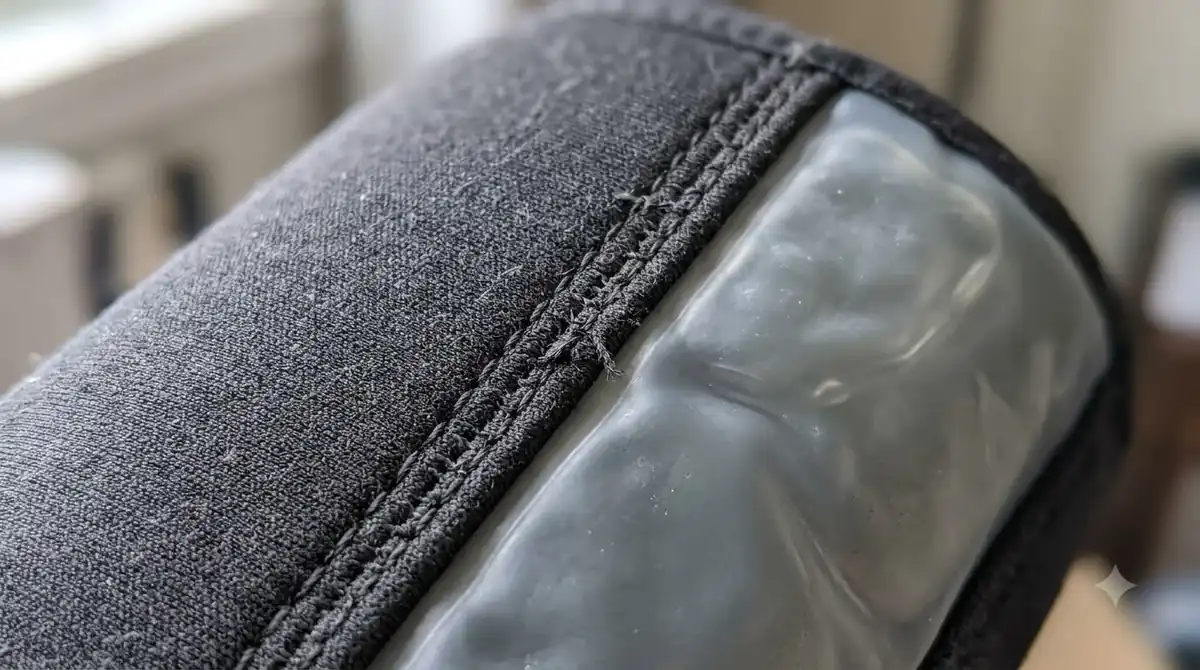
Why it stands out: Because these cylinders trap an insulating layer of air or vacuum between two stainless-steel walls, heat transfer slows to a crawl. A bottle pulled straight from a 40°F refrigerator stays crisp for two to three hours at room temperature, and the bottle shoulder remains completely dry when you lift it to pour. Reviewers at consumer testing outlets consistently praise single-bottle iceless models for eliminating the soggy labels and dripping sleeves common with traditional ice baths.
Keep in mind / Best for: These vessels maintain cold temperatures rather than dropping a warm bottle down quickly, so you must pre-chill your wine in the fridge first. Interior diameters also tend to hug standard Bordeaux and Burgundy bottles tightly, meaning wider Champagne bases may not fit inside narrower sleeves. Choose this style for indoor dinner parties, weeknight pours, and anyone exploring Chillers & Buckets for low-maintenance table service.

- Material
- Clear BPA-free acrylic
- Hold Time
- About 3 hours
- Size
- 4.75 x 9 inches
- Care
- Hand wash only
Dining indoors means no melting ice and no puddle on the tablecloth. Slip in a pre-chilled bottle and this double-wall chiller keeps wine or champagne cold for about three hours without ice. The clear acrylic lets guests read the label, and a stainless steel accent rim makes it equally at home at casual or formal tables.
Pros & ConsView
- No ice, so no drips on the table
- Clear acrylic shows the bottle label
- Stainless steel rim suits formal settings
- Bottle must be pre-chilled before use
- Hand wash only, and holds a single bottle
Best for Fast Chilling Warm Bottles: Single-Bottle Ice and Water Buckets
When you bring home a warm bottle and want it ready to drink in 15 to 20 minutes, a classic deep bucket filled with ice and cold water transfers heat far faster than air-based cooling.
Why it stands out: Liquid water makes full, continuous surface contact with glass, pulling heat out of wine rapidly—especially when you use a mixture of ice, water, and a handful of salt to lower the freezing point, a classic sommelier method highlighted by Wine Enthusiast. Many modern single-bottle buckets feature double-walled stainless steel or thick acrylic construction so the outside stays free of puddles while the inside holds an icy slurry. Taller silhouettes also submerge the bottle up to its neck, ensuring even cooling from top to bottom.
Keep in mind / Best for: Ice melts, which means you will eventually need to dump meltwater and keep a clean bar towel nearby to wipe the bottle before pouring. Paper wine labels can also wrinkle or peel if left submerged too long. This category is best for impromptu hosting, sparkling wines that need brisk 40°F service, or upgrading from a basic ice bucket to a dedicated wine vessel.

- Capacity
- One 750 ml bottle
- Material
- Stainless steel
- Walls
- Double wall insulated
- Size
- 6.25 x 7.5 in
A classic tabletop bucket for white wine or champagne, sized to hold one standard 750 ml bottle. Double-wall stainless steel insulation helps the contents stay at serving temperature longer, and it also keeps red wine at cellar temperature. It works indoors or outdoors, at the table, in the kitchen or at the bar. Hosts with several bottles will need more than one.
Pros & ConsView
- Double-wall insulation holds serving temperature
- Suits white wine, champagne or reds
- Works indoors and outdoors
- Holds a single bottle
- Hand wash only
Best for Large Gatherings and Parties: Multi-Bottle Beverage Tubs
For holidays, backyard barbecues, and cocktail parties where guests serve themselves, a wide-mouthed multi-bottle tub holds three to nine bottles in a shared ice bath.
Why it stands out: Wide oval or flared round tubs provide enough surface area to chill white wine, rosé, sparkling bottles, and cans simultaneously without forcing the host back and forth to the kitchen refrigerator. Heavy-duty side handles make it easier to haul loaded tubs from the counter to a patio table, and single-piece stamped metal basins prevent seam leaks as ice melts over several hours. If you are planning how many bottles to chill for a crowd, checking how many glasses in a bottle of wine helps you size your tub capacity accurately.
Keep in mind / Best for: A tub packed with ice and water becomes heavy quickly and takes up substantial cabinet space between events. Single-wall metal tubs will also sweat heavily in humid weather, so place them outdoors or on a waterproof tray. Best for high-volume entertaining, buffet-style service, and hosts who frequently chill multiple sparkling bottles at once—or pair one with a dedicated champagne bucket for a focal-point toast.

- Capacity
- 2 bottles (3.3 L)
- Material
- Plastic
- Size
- 10.5 x 8.25 x 7.75 inches
- Use
- Indoor and outdoor
For a party table, this wide tub gives bottles room to sit in ice. It holds two bottles of wine or champagne, a six-pack, or other cold drinks, weighs only about a pound, and carries easily to a picnic blanket. Plastic construction will not rust, and it wipes clean, then stores for the next celebration.
Pros & ConsView
- Holds two bottles with plenty of ice
- Lightweight and easy to transport
- Will not leak or rust, wipes clean
- Two-bottle size suits small groups only
- No insulated walls listed, so it relies on ice
Best for Formal Tablescapes: Heavy Stone and Marble Wine Chillers
Carved marble, granite, and terracotta chillers double as sculptural table centerpieces while providing gentle, steady thermal insulation for wine at the table.
Why it stands out: Natural stone holds cold temperatures steadily once pre-chilled in the refrigerator or freezer for an hour before dinner. As interior designers and beverage directors quoted in New York Magazine’s The Strategist note, footed marble vessels add architectural height to a dining table and easily repurpose as utensil crocks or flower vases when not holding wine. Because stone cools gradually without harsh ice shock, it is also ideal for bringing lighter reds like Pinot Noir or Beaujolais down to cellar temperature.
Keep in mind / Best for: Natural stone is heavy, breakable if dropped on hard kitchen tile, and porous enough that red wine drips can stain unsealed light marble if not wiped promptly. It also lacks the rapid cooling power of an ice-water bath. Choose a stone chiller for formal dining rooms, aesthetic gifting, and slow-paced dinners where presentation matters as much as function.
Best for Picnics, Travel, and Tight Storage: Freezer-Gel Sleeves and Chiller Bags
Flexible freezer-gel sleeves and collapsible PVC chiller bags flatten completely in a drawer or tote bag, making them the most portable way to chill wine outdoors.
Why it stands out: Gel-lined sleeves live flat in your freezer until needed, then wrap snugly around a bottle with elastic side panels to chill room-temperature wine in roughly 15 to 20 minutes without a single ice cube. Conversely, collapsible clear vinyl chiller bags let you drop in a bottle, ice cubes, and cold water at a park, beach, or BYOB restaurant, then fold flat once emptied. Restaurant wine directors often rely on both styles for casual patio service because they fit on small bistro tables without crowding plates.
Keep in mind / Best for: Gel packs gradually warm up after about an hour in direct summer sun, and flexible plastic bags lack the rigid stability of a metal or stone cylinder on uneven grass. Both options are best for apartment dwellers with limited cabinet space, picnics, boat days, and casual BYOB outings.

- Type
- Freezer-gel bottle sleeve
- Freeze Time
- At least 6 hours
- Fits
- 750 ml to 1 L bottles
- Color
- Sand
When there is no room for a bucket, this flexible sleeve does the work. Freeze it for at least six hours, wrap it around a bottle, and it chills wine in about 15 minutes, then keeps it cool for hours. It is reusable, stores flat, and suits picnics, patios and boat trips without any loose ice.
Pros & ConsView
- Chills a bottle in about 15 minutes
- Stores flat and refreezes for reuse
- No loose ice or melted water
- Needs at least 6 hours in the freezer first
- Cools one bottle at a time
How to Choose
Before buying a wine bucket or chiller, match the vessel’s physical design to how you actually drink and serve wine at home:
- Decide between chilling speed and temperature maintenance: If you routinely buy wine on the way home and need it cold fast, buy a bucket deep enough for ice and water. If you store white and sparkling wines in the fridge ahead of time, an iceless double-walled or stone chiller keeps bottles cold with zero mess.
- Check internal diameter for Champagne bottles: Standard 750ml Bordeaux bottles measure roughly 3 inches across, while Champagne and sparkling bottles have wider bases around 3.5 inches. Look for an interior opening of at least 4 inches if you drink sparkling wine regularly.
- Look for double-wall construction on metal buckets: Single-wall stainless steel or galvanized tubs look classic on a patio, but they sweat onto indoor wood tables. Double-walled metal traps an air gap that blocks condensation.
- Consider height and bottle stability: A good bucket should cover at least two-thirds of the bottle body so the wine at the shoulder stays just as cold as the wine at the base, while keeping the bottle upright as ice melts.
- Factor in storage footprint: Rigid multi-bottle tubs and heavy marble cylinders require dedicated shelf space, whereas gel sleeves and collapsible bags tuck into a kitchen drawer or freezer door.
Tip: Never fill a traditional wine bucket with ice cubes alone. Air gaps between solid cubes insulate the glass and slow down cooling; adding cold water creates full liquid contact with the bottle, and stirring in two tablespoons of salt drops the water temperature below 32°F for an even faster chill.
Frequently Asked Questions
Should you put water and ice in a wine bucket, or just ice?
Always use a mix of roughly half ice and half cold water. Solid ice cubes leave air pockets against the glass that slow heat transfer, whereas ice water surrounds the entire bottle surface and chills wine in less than half the time.
Do iceless wine chillers actually work without ice?
Yes, provided the bottle is already cold when you place it inside. Double-walled vacuum-insulated chillers act like a thermos for your bottle, blocking warm room air so a refrigerated white or rosé stays near 45°F for two to three hours without sweating.
How long does it take to chill a warm bottle of wine in an ice bucket?
A room-temperature bottle submerged in a bucket of ice and cold water takes about 15 to 20 minutes to reach white-wine serving temperature (45°F to 50°F). Adding a handful of table salt and gently spinning the bottle in the slush can cut that time down to roughly 5 to 8 minutes.
What size wine bucket fits a Champagne or magnum bottle?
Standard 750ml Champagne bottles have wider bases than still wine bottles, so look for a bucket with an interior diameter of at least 4.5 to 5 inches and a height of 8 to 9 inches. For 1.5-liter magnum bottles, choose a wide multi-bottle party tub or an oversized 6-quart bucket so ice and water can circulate around the wider glass.
Choosing the right wine bucket comes down to balancing cooling speed against table convenience. Match an iceless insulated cylinder to quiet indoor dinners, keep a deep ice-and-water bucket on hand for rapid chilling and sparkling wines, and reach for a wide tub or freezer sleeve whenever the party moves outdoors.
More in Chillers & Buckets
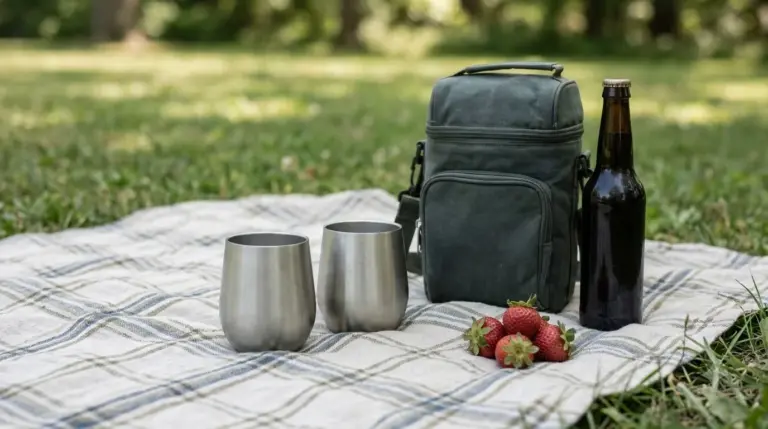 The Best Insulated Wine Bottle for Picnics, Events, and ServingUpdated Nov 18, 2026
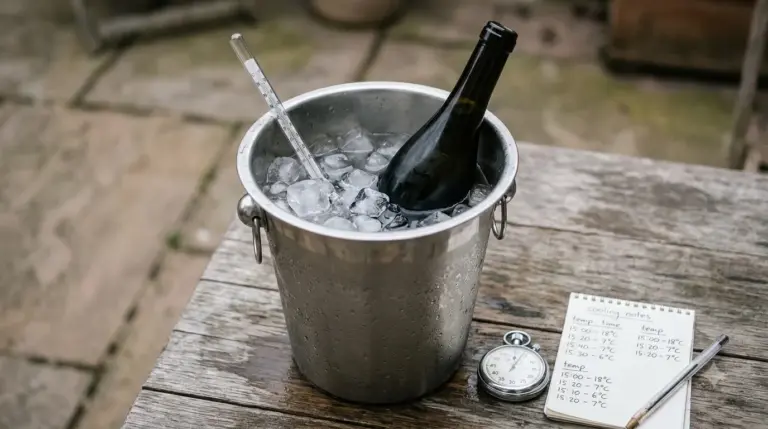 Best Wine Chiller Stick for Fast, Undiluted Cooling at HomeUpdated Nov 18, 2026
 Best Wine Cooler Sleeve: Which Chilling Sleeve Fits Your PoursUpdated Nov 18, 2026
 The Best Wine Travel Bag for Every Trip, From Flights to Road TripsUpdated Nov 18, 2026
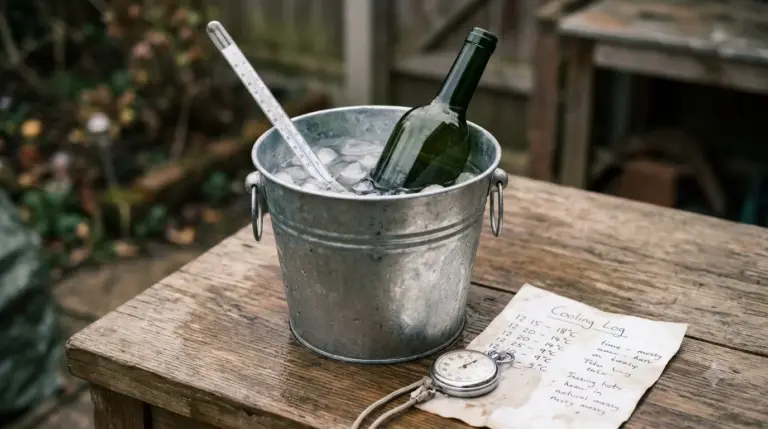 The Best Wine Bottle Chiller for Every Table, Patio, and Bottle ShapeUpdated Nov 18, 2026
 Best Wine Tote Styles for Safe, Chilled Bottle TravelUpdated Nov 18, 2026