

We may earn a commission when you buy through links on this page, at no extra cost to you. Learn more.
A best wine cooler sleeve is a chilling jacket that slides over the bottle and pulls heat out of the wine, usually after it has been frozen, so the bottle reaches a serving temperature in less time than it would sitting on the counter. The right choice depends on how fast you need to chill, whether you pour at the table or outdoors, and how much you want the sleeve to hold its cold. Sleeves are the simplest option for a single bottle, while ice rings, insulated containers and table-top units suit different habits.
Wine chillers come in several forms, and the sleeve is one of the easiest to store and carry. This guide compares the main types, explains how the sleeve fits into the wider set of serving accessories, and lists the features that matter before you buy. It is written for people who want a dependable bottle at the right temperature without buying a full wine fridge.
Quick Comparison
Sleeves sit between two extremes. They cool a bottle faster than a bottle left at room temperature, and they hold a cold bottle longer than a plain sleeve of fabric would. They do not match the steady cooling of an ice bucket filled with ice and water, and they cannot replace a refrigerator-style unit for storing many bottles.
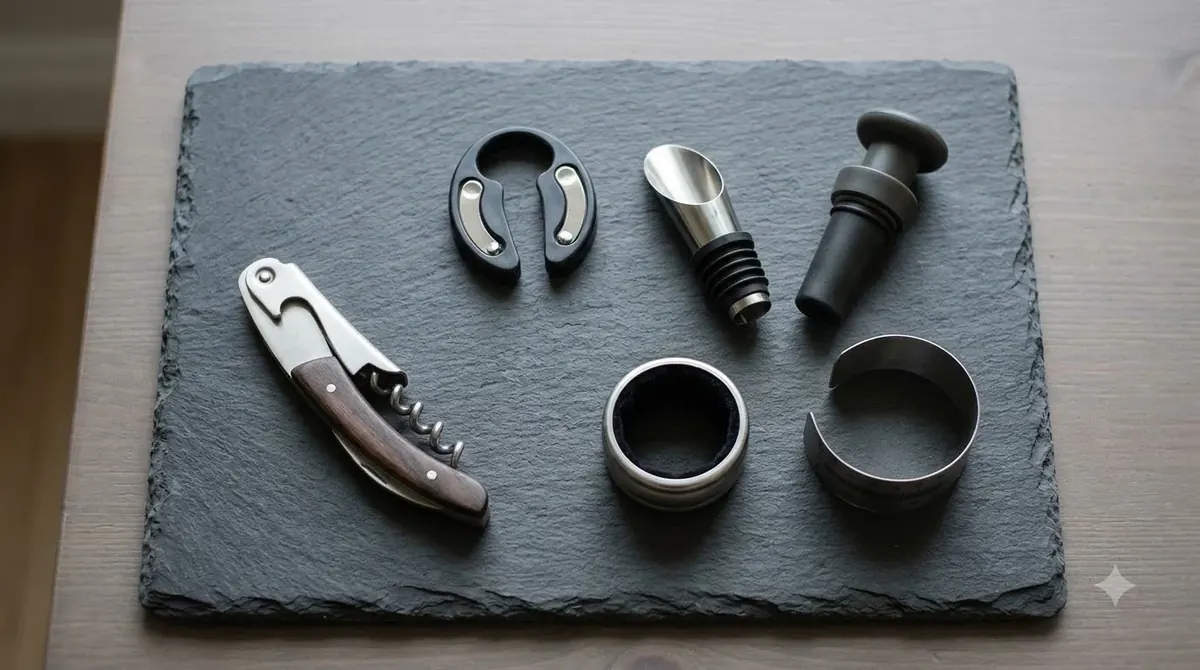
| Type | How it cools | Best for | Main limit |
|---|---|---|---|
| Chilling sleeve | Pre-frozen insert wraps the bottle | One bottle at a time, travel and outdoor use | Cold fades after a while |
| Ice bucket | Ice and water surround the bottle | Steady cooling at a table | Needs ice and a larger container |
| Ice ring | Fits around the neck and chills from the top | Serving one glass at a time | Cools less of the bottle |
| Insulated container | Double-walled body keeps a pre-chilled bottle cold | Keeping a bottle cold between pours | Needs pre-chilling first |
| Table-top unit | Ice or an electric cooling device | Reaching a set temperature | Takes space and power |
Each row answers a different problem. The table makes the trade-off visible: a sleeve is fast and portable, but it is not built for long service, and a larger unit is steadier but harder to move.
Best for Quick Chilling at Home
A sleeve works well when you have a bottle at room temperature and want it ready in a short time. Freezing the insert ahead of time and sliding it over the bottle is a simple routine that needs no ice, water or refrigerator space.
Why it stands out: the setup is quick and clean, and the insert can go back into the freezer between uses. Keep in mind: the cooling works best on a bottle that is already close to serving temperature, and a bottle that is very warm will need more time. Best for: a bottle of white, rosé or sparkling wine you decide to open on short notice.
Best for Keeping a Bottle Cold at the Table
Once a bottle is at the right temperature, the goal shifts to keeping it there through a meal. Sleeves hold cold for a while, but they warm gradually, so this use depends on how long the wine sits out.
Why it stands out: it keeps the bottle out of the way and avoids a wet ring on the tablecloth. Keep in mind: a sleeve that has lost its cold will not refresh the wine, so refreeze the insert between courses if the meal runs long. Best for: dinners where a white or rosé should stay at the right temperature for the whole sitting.
Best for Parties and Outdoor Hosting
Outdoor service puts more heat on a bottle, so the sleeve has to work harder. Hosts pouring for a group often want more than one bottle chilled at a time, which pushes the choice toward a larger setup or several sleeves rotated through the freezer.
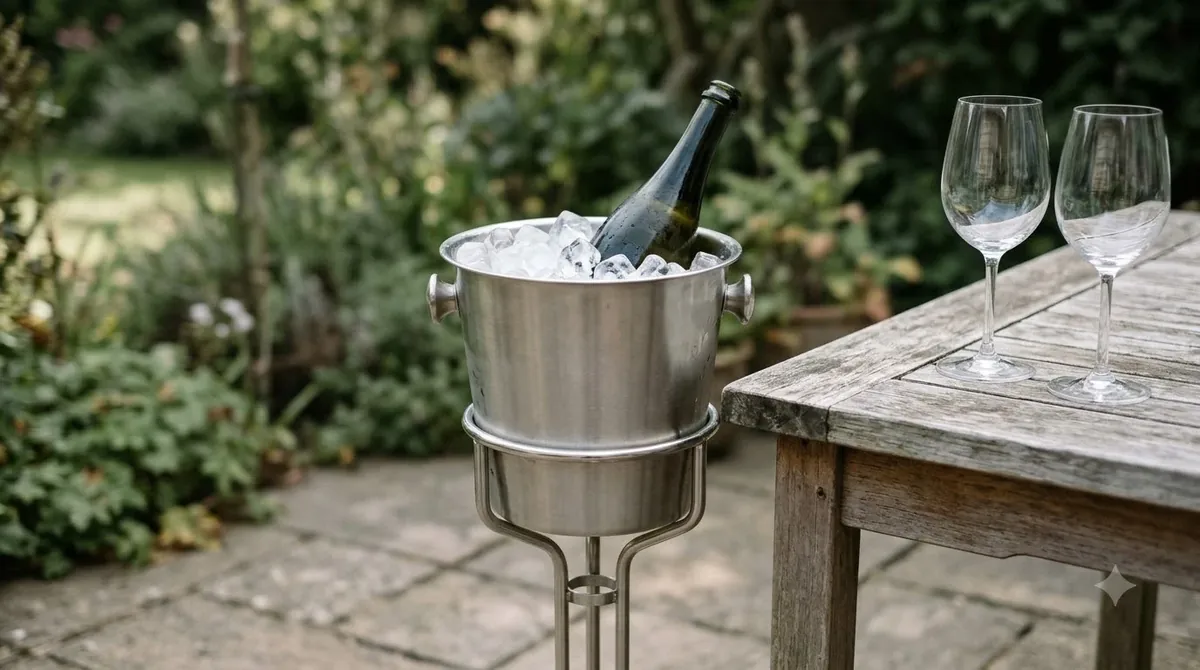
Why it stands out: sleeves are light enough to carry to a patio or a picnic. Keep in mind: sun and high temperatures will shorten the cold, so keep the bottle in shade and bring a spare insert. Best for: small gatherings where you pour several bottles over an afternoon and want each one within a comfortable range.
Best for Travel and Picnics
Packing a bottle is where the sleeve shines. It takes little room, does not leak when the insert is sealed, and avoids carrying a bag of ice. Travelers who bring their own wine to a rental or a campsite often find it the easiest accessory to pack.
Why it stands out: no ice, no melt water and no bulky container. Keep in mind: a long drive in a hot car will warm the bottle, and the sleeve can only do so much against that. Best for: day trips, beach days and any outing where you want a cold bottle without a cooler.
Best for Gift Sets and Collectors
Gift buyers and collectors often want the sleeve to look as good as the bottle it holds. Some designs come with a matching cover or a case, and a well-made insert gives a more polished presentation than a bare freezer pack.
Why it stands out: the presentation helps the wine feel like a considered gift. Keep in mind: appearance should not outweigh the basics of fit and cooling, so check the insert size against the bottle shape you usually buy, including wide or tall bottles. Best for: a wine lover who already has the glassware and wants a practical extra that is easy to give.
How to Choose
Start with the bottles you open most often. A standard 750 ml bottle fits most sleeves, but Champagne-shaped bottles and magnums need a larger insert, so measure before you buy. Next, decide how long the cold must last. If you pour over a long meal, a sleeve may need a partner such as an ice bucket.
Serving temperature is the other half of the choice. Winefolly’s serving temperature guide gives 38 to 45 °F (3 to 7 °C) for light-bodied whites and sparkling wine, and 44 to 55 °F (7 to 12 °C) for full-bodied whites and rosé. Red wine is generally served a little cooler than room temperature, at roughly 55 to 68 °F (12 to 20 °C) depending on body. A sleeve is most useful when it brings a white or sparkling bottle into the first of those ranges.
The Wikipedia overview of wine accessories describes how ice rings draw warmer wine up to a chilled neck, while insulated containers keep a pre-chilled bottle cold. Those designs suit different habits, so match the accessory to how you pour rather than buying on looks alone.
Frequently Asked Questions
How long does a wine cooler sleeve keep wine cold?
It depends on the room temperature, how cold the insert was when you started, and how much sun the bottle gets. A sleeve is designed to bring a bottle down and hold it for a useful stretch, not to keep it cold indefinitely, so refreeze the insert between servings if the wine is still open.
Are wine cooler sleeves better than an ice bucket?
They are better for portability and for a single bottle. An ice bucket is steadier for a table of guests because ice and water surround the bottle, but it needs a container and a supply of ice. Choose the sleeve for travel and quick service, and the bucket for longer sittings.
Will a sleeve fit a magnum or Champagne bottle?
Not always. Standard sleeves are sized for common 750 ml bottles, and wide or tall bottles may not slide in. Measure the bottle diameter and height against the insert dimensions, and check whether the manufacturer lists formats beyond standard bottles.
Should I chill a bottle in the freezer or use a sleeve?
Chilling in the refrigerator is slow but steady, and it is the most reliable method when you have time. A freezer or a sleeve is faster but needs watching, because a bottle left in the freezer can freeze or burst. A sleeve avoids that risk and works well when you plan ahead for a short window.
A sleeve is a practical accessory when you want a bottle at the right temperature without a bucket, a cooler or a refrigerator slot. Pick it for the bottles you open most, check the fit before buying, and pair it with the best wine chillers guide if you need steadier cooling for longer service. For more on the wider range of serving tools, the ice bucket and Chillers and Buckets sections list the other options.
More in Chillers & Buckets
 The Best Insulated Wine Bottle for Picnics, Events, and ServingUpdated Nov 18, 2026
 Best Wine Chiller Stick for Fast, Undiluted Cooling at HomeUpdated Nov 18, 2026
 The Best Wine Travel Bag for Every Trip, From Flights to Road TripsUpdated Nov 18, 2026
 The Best Wine Bottle Chiller for Every Table, Patio, and Bottle ShapeUpdated Nov 18, 2026
 Best Wine Tote Styles for Safe, Chilled Bottle TravelUpdated Nov 18, 2026
 Best Wine Buckets for Crisp, Drip-Free Chilling at Any TableUpdated Nov 18, 2026