

We may earn a commission when you buy through links on this page, at no extra cost to you. Learn more.
The best insulated wine bottles are vacuum-insulated carriers that hold a full bottle for picnics, soft insulated sleeves for concerts and stadiums, and double-wall carafes for pouring chilled wine at the table. Insulation works by slowing heat transfer, so the best choice depends on how long the wine must stay cold and whether you carry the whole bottle or pour from a vessel.
An insulated wine bottle is useful for any day when a bottle has to leave the fridge and stay cool. The category is broader than it sounds. It includes bottle-shaped vacuum carriers, soft sleeves that wrap around a standard bottle, and double-walled carafes that double as serving pitchers. This guide compares those options and shows how to match one to the way you drink.
Quick Comparison of Insulated Wine Bottle Types
Insulated wine bottles fall into four main groups. Vacuum-insulated carriers are rigid and hold a whole bottle with a sealed top, which gives the best cold retention. Soft insulated sleeves are lighter and fold away, but they keep wine cool for less time. Double-wall carafes are designed for serving, so the wine stays chilled while it sits on the table. Chilling sleeves use a gel or frozen core and suit one-off events where the bottle must start cold.
| Type | Holds a full bottle | Cold retention | Portability | Best use |
|---|---|---|---|---|
| Vacuum-insulated carrier | Yes | Longest | Moderate weight | Picnics and day trips |
| Soft insulated sleeve | Yes | Shorter | Lightest | Concerts, stadiums, travel |
| Double-wall carafe | Pours from a vessel | Long at the table | Heavier | Serving at home |
| Chilling sleeve | Yes | Short, needs freezing | Light | One-off events |
Best for Keeping a Full Bottle Cold on a Picnic
A vacuum-insulated carrier is built to hold the whole bottle and keep it cold for hours. These carriers use two walls with a gap between them. The Wikipedia entry on the vacuum flask explains that the gap is partly evacuated of air, which reduces heat transfer by conduction and convection, while silvered surfaces cut down radiation. The same entry notes that most heat loss happens through the neck and opening, where there is no vacuum, so a well-sealed top matters as much as the walls.
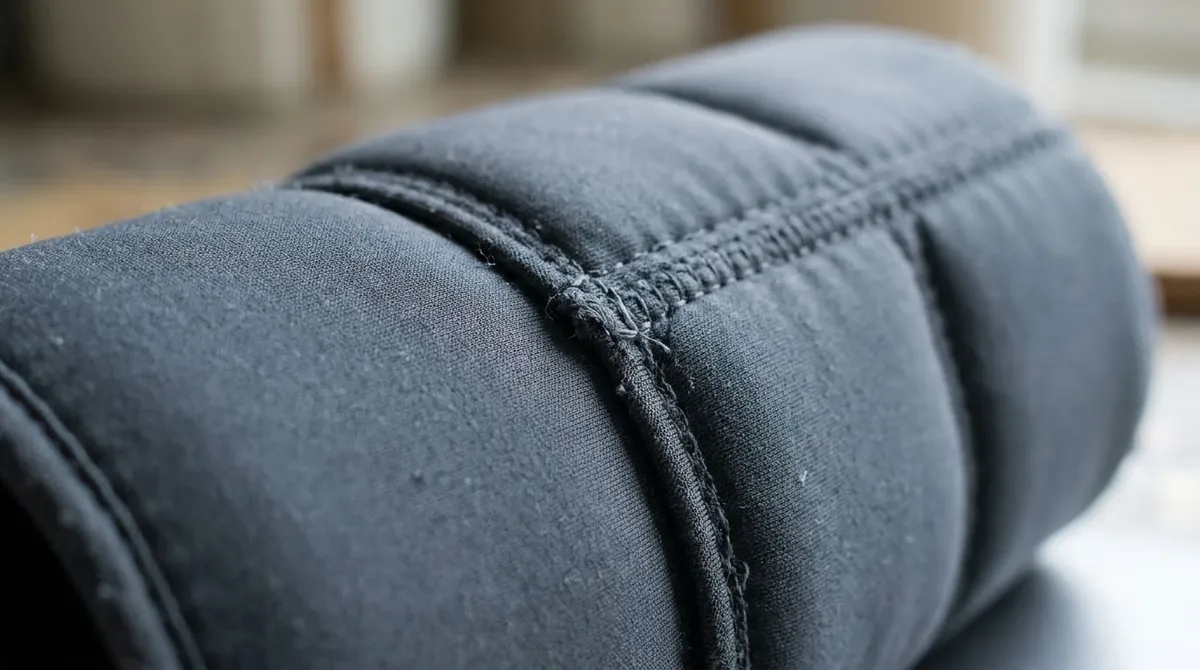
Why it stands out: It keeps a chilled bottle cold through a long afternoon outdoors, and it protects the wine from direct sun.
Keep in mind: Vacuum carriers are heavier than soft sleeves, and their rigid shape takes more room in a bag.
Best for: picnics, beach days, and outdoor dinners where the bottle must stay cold until the last glass.
Best for Concerts, Stadiums, and Crowded Events
Soft insulated sleeves are the easiest to carry. They fold flat, slide into a backpack, and fit most standard bottles. They keep the wine cool for a shorter time than a vacuum carrier, but they are light enough to take to an event where the bag is checked or the crowd is large. A sleeve is also less likely to draw attention than a rigid bottle-shaped container.
Many sleeves rely on a gel or a frozen core, so freeze the insert the night before and refresh it between sessions. Place the bottle in the sleeve only after it has been chilled, since a sleeve keeps cold rather than creating it.
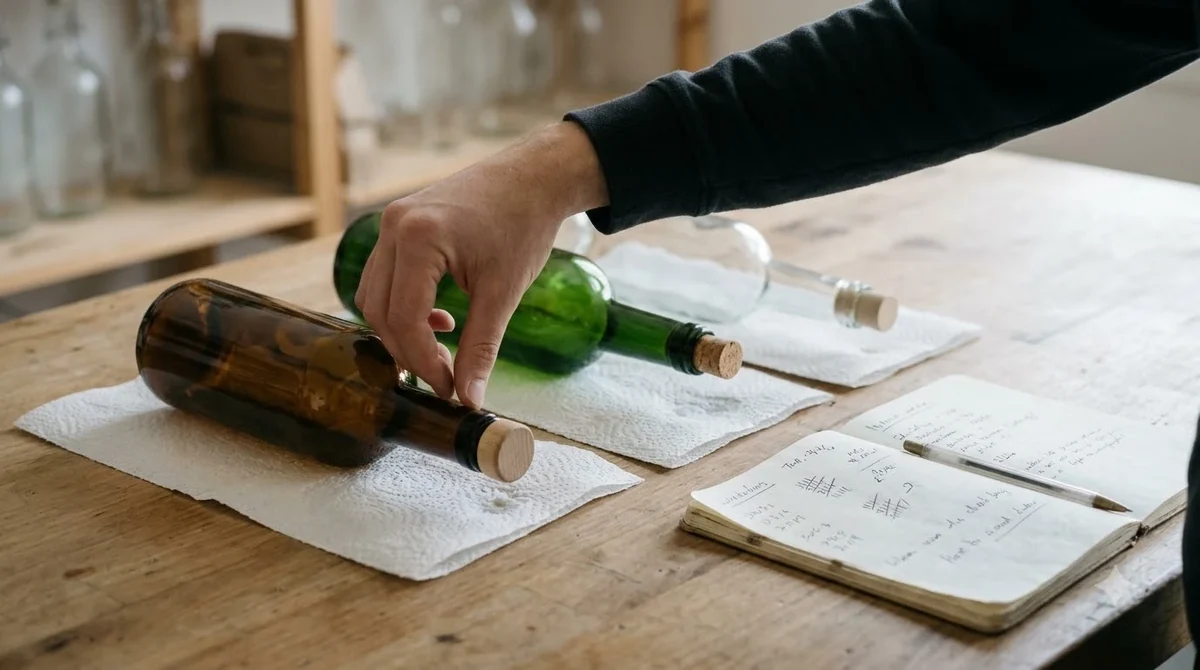
Why it stands out: It is the lightest option, and it fits into a bag without adding bulk.
Keep in mind: Soft sleeves warm faster than a vacuum carrier once the insert has thawed, so plan to drink within a couple of hours.
Best for: concerts, sports games, and events where you carry your own bottle.
Best for Pouring at the Table
A double-wall carafe does a different job. It holds a few glasses of wine and keeps them chilled while people talk and eat. Because the wine is poured from the carafe rather than the bottle, the bottle does not have to sit in an ice bucket all evening.
VinePair’s serving guide lists white wine at 45 to 55 degrees and sparkling wine at 40 to 50 degrees, which is the range a carafe helps protect. Pour the carafe from the fridge shortly before serving, and refill from a chilled bottle rather than from a warm one.
Why it stands out: It keeps the table looking tidy and the wine cold between pours.
Keep in mind: A carafe is heavier and larger than a sleeve, and it works best for serving one bottle at a time.
Best for: dinner parties, brunch, and home bars where the table needs a serving vessel.
Best for Sparkling Wine on a Warm Day
Sparkling wine is the bottle most likely to suffer in heat. A chilling sleeve or a vacuum carrier helps keep the bottle near its serving range, and it prevents the sudden warming that makes a sparkling wine taste flat. VinePair’s temperature guide recommends placing an open sparkling bottle on ice until it is finished, and an insulated sleeve can help keep the bottle cold between glasses.
For a warm day, chill the bottle fully before it goes into the carrier. A carrier cannot cool a warm bottle, so the job is to keep a cold bottle cold, not to fix one that is already warm.
Why it stands out: It protects bubbles and crispness on a hot day outdoors.
Keep in mind: Open a sparkling bottle carefully, and do not return an opened bottle to a sealed carrier without a proper stopper.
Best for: summer parties, pool days, and celebrations outdoors.
Best for Commutes and Day Trips
A carrier for daily use or a day trip should be easy to hold, fit in a car door or a bag, and seal well. Look for a secure lid or stopper, and check that the bottle fits the carrier with its neck and cork. A carrier that is too tight can crack a bottle, while one that is too loose lets the bottle shift and spill.
A short trip is where insulation is most useful. A carrier can keep a chilled bottle cold through a drive to a friend’s house or a trip to a park, and it avoids the need to pack a full cooler. The same carrier can also hold a sealed bottle of red wine that you want to keep out of a warm trunk.
Why it stands out: It solves the problem of carrying a bottle without a cooler.
Keep in mind: Stoppers are a weak point, so a sealed top with a tight fit matters more than the wall thickness alone.
Best for: day trips, drives to gatherings, and commuters who take wine to work.
How to Choose an Insulated Wine Bottle
Start with the job. If you need to keep a whole bottle cold for hours outdoors, choose a vacuum-insulated carrier. If you need light, easy carrying for an event, choose a soft sleeve. If you serve wine at a table, a double-wall carafe is the better choice.
Then check the seal. The Wikipedia entry on vacuum flasks notes that the neck and the stopper are where most heat transfer occurs, so a tight lid or cork matters. Finally, measure the bottle. A sleeve or carrier sized for a standard 750 ml bottle may not fit a larger format, so check the dimensions before you buy.
| Factor | What to look for |
|---|---|
| Main use | Vacuum carrier for long holds, sleeve for light carry, carafe for serving |
| Seal | Tight lid or stopper, since the neck is the weak point |
| Fit | Sized for your bottle, with room for the insert |
| Weight | Lighter for events, heavier for long insulation |
| Cleaning | Hand wash when the lining or finish is delicate |
Frequently Asked Questions
How long does an insulated wine bottle keep wine cold?
It depends on the design, the starting temperature, and the weather. A vacuum-insulated carrier holds cold longer than a soft sleeve. The wine will still warm over a long day, so chill it fully before you pack it.
Can an insulated bottle cool a warm wine?
No. Insulation slows heat transfer, but it does not cool a bottle. Chill the wine in a refrigerator or ice bucket first, then place it in the carrier to keep it cold.
Do insulated wine bottles change the taste of wine?
The container does not change the wine itself, but keeping it at the right serving temperature does affect how it tastes. VinePair notes that holding a glass by the bowl warms the wine, so keeping the carrier closed until serving helps.
Is a sleeve as good as a vacuum carrier?
For short events, a sleeve is often enough and is much lighter. For a long day outdoors, a vacuum carrier holds its temperature better because its walls and sealed top slow heat transfer more effectively.
The best insulated wine bottle is the one that matches how you drink. Use a vacuum carrier for long days outdoors, a soft sleeve for events, and a carafe for the table, and always start with a chilled bottle. For related gear, see the guides to wine bottle chillers and ice buckets, or browse the Chillers and Buckets library. To plan how much wine to bring, read how many glasses are in a bottle of wine.
More in Chillers & Buckets
 Best Wine Chiller Stick for Fast, Undiluted Cooling at HomeUpdated Nov 18, 2026
 Best Wine Cooler Sleeve: Which Chilling Sleeve Fits Your PoursUpdated Nov 18, 2026
 The Best Wine Travel Bag for Every Trip, From Flights to Road TripsUpdated Nov 18, 2026
 The Best Wine Bottle Chiller for Every Table, Patio, and Bottle ShapeUpdated Nov 18, 2026
 Best Wine Tote Styles for Safe, Chilled Bottle TravelUpdated Nov 18, 2026
 Best Wine Buckets for Crisp, Drip-Free Chilling at Any TableUpdated Nov 18, 2026