

We may earn a commission when you buy through links on this page, at no extra cost to you. Learn more.
Chardonnay food pairing depends on the style of the bottle: lean, unoaked Chardonnay suits oysters, sushi, and sautéed fish, while buttery, oaked versions suit crab, creamy pasta, and roasted pork. The wine’s acidity cuts through rich food, and its oak and butter notes echo sauces made with cream, butter, or toasted nuts. Matching the weight of the wine to the weight of the dish is the simplest rule.
Chardonnay is one of the most versatile white wines on the table, but it is also one of the most varied. A crisp bottle from a cool climate and a rich bottle aged in new oak can taste like different grapes. This guide shows how to read a Chardonnay’s style and match it to food, so the glass and the plate support each other.
Lean versus oaked: how Chardonnay style changes the pairing
Chardonnay is a dry white with medium body, no tannins, and medium acidity. Its alcohol typically falls between 12% and 15% ABV, with lean styles usually sitting at the lower end. That range matters because the style of the bottle, not the grape alone, decides what it pairs with.
According to Wine Folly’s Chardonnay guide, unoaked versions show green apple, pear, citrus, and a chalky minerality. Oaked versions lean toward peach, mango, and lemon with vanilla and butter. Lean styles such as Chablis act like a crisp, high-acid white with more body than Sauvignon Blanc. Oaked styles are fuller and creamier, with a smoother texture on the palate.
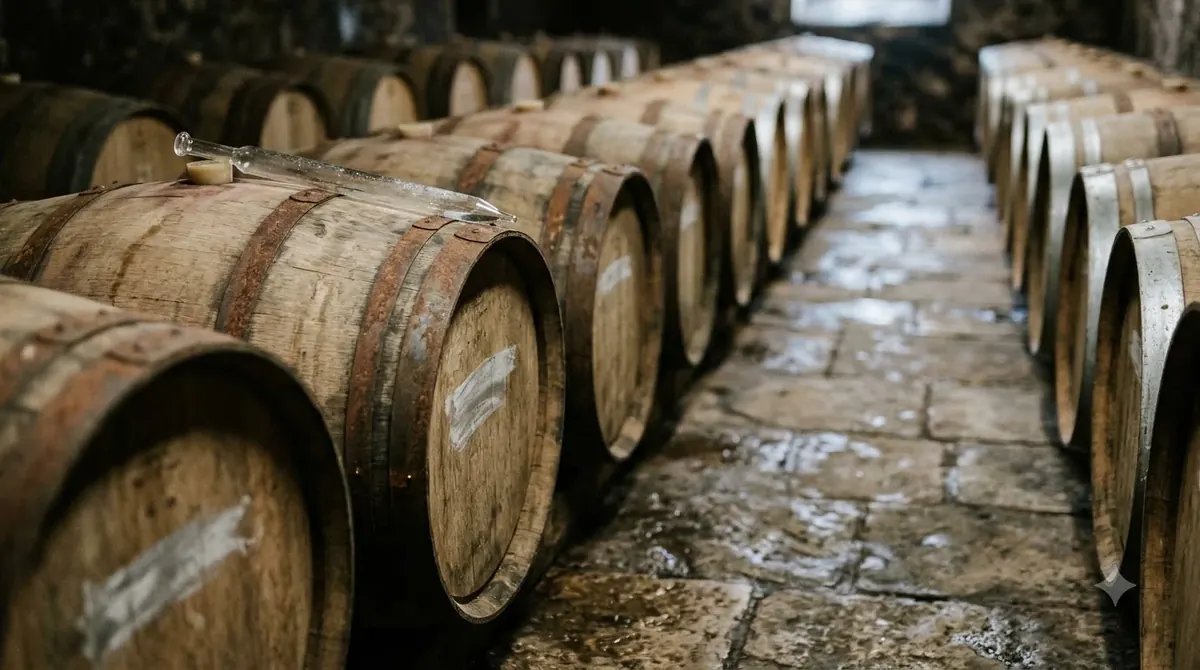
The butter flavor in oaked Chardonnay comes mainly from malolactic fermentation, a process in which bacteria convert sharp malic acid into softer lactic acid. Oak aging then adds vanilla, spice, and toast. Stirring the lees during aging can add brioche and biscuit notes. Those layers are why a buttery Chardonnay needs food with its own richness.
Best seafood pairings
Seafood is the most natural partner for Chardonnay. Lean, unoaked bottles pair well with raw oysters, where the wine’s acidity and minerality mirror the brininess of the shellfish. Sushi and sashimi work too, especially with lighter fish like sea bream or yellowtail. A lemon-caper sauce over sautéed fish is another good choice because the acidity in the sauce matches the wine.
Richer fish needs a fuller wine. Halibut, roasted salmon with a butter sauce, and crab cakes all suit an oaked Chardonnay, since the wine’s creamy texture matches the fish’s soft, rich flesh. Linguine with clams is a classic Italian-American option that works with both styles, depending on how much butter and garlic the dish uses.
Shellfish dishes with cream sauce are the easiest win. Lobster or shrimp in a light cream sauce benefits from a Chardonnay with some oak, because the wine adds body without making the seafood taste heavy.
| Chardonnay style | What it tastes like | Good food matches |
|---|---|---|
| Lean, unoaked | Green apple, pear, citrus, chalky minerality | Oysters, sushi, sautéed fish, vegetable risotto |
| Lightly oaked | Yellow apple, lemon, some vanilla | Chicken piccata, pâté, mild cheese |
| Buttery, oaked | Butter, vanilla, toast, pineapple | Crab cakes, linguine with clams, pork tenderloin |
| Aged, toasty | Hazelnut, honey, toasted nuts | Roast chicken, mushrooms, rich cream sauces |
Poultry, pork, and creamy main courses
Chicken is one of the most flexible matches. A lemony chicken piccata or a simple roast chicken with herbs suits a lean or lightly oaked bottle, since the acidity brightens the dish. Chicken with a creamy mushroom sauce or a buttery pan gravy suits a fuller, oaked style.
Turkey and duck fit into the same logic. Turkey breast with gravy and roasted vegetables is a good holiday pairing for an oaked bottle, while duck breast with a fruit glaze suits a Chardonnay with some ripe peach or pineapple character. Both dishes have enough fat to balance the wine without overwhelming its texture.
Pork is another strong choice, particularly pork tenderloin served with apples or a fruit compote. The fruit in the dish echoes the wine’s orchard fruit, and the pork’s mild richness keeps the pairing from tasting thin. Roast pork loin with sage and onions also works with a barrel-aged Chardonnay.
Creamy pasta and risotto are the classic test. Vegetable risotto with a light touch of butter suits a crisp Chardonnay. Rich risotto with Parmesan and cream calls for a bottle with some oak, because the wine can stand up to the dish’s texture without fading.
Vegetarian and cheese pairings
Vegetarian dishes work best when they have some natural sweetness or richness. Roasted corn, squash, and pumpkin pair well with oaked Chardonnay, because the wine’s vanilla notes echo the sweetness of the vegetables. Mushrooms, especially when sautéed in butter, are another good match for a fuller style.
Cheese is often a safe option. Soft, creamy cheeses such as brie and triple-cream cheeses suit a buttery bottle, while fresh goat cheese and young cheeses match a crisp, lean style. Hard aged cheeses are better with red wine in most cases, so use them sparingly on a Chardonnay plate.
Asparagus and artichokes are trickier. Both carry bitter or grassy notes that can make a crisp Chardonnay taste sharp, so pair them with a lightly oaked bottle and a dish that includes butter, lemon, or cream. A simple plate of grilled asparagus with lemon zest and olive oil usually works better with a bottle that has some roundness to it.
Tip: If you are unsure of the style, check the label or producer notes. Words like “unoaked,” “barrel-fermented,” or “malolactic” usually show how rich the wine will be.
Serving temperature and what to avoid
Temperature changes the way Chardonnay tastes with food. Wine Folly suggests serving leaner styles like Chablis around 45°F (7°C), and oaked styles a little warmer, around 55°F (12°C). Sparkling Chardonnay is usually served colder, in the 38 to 45°F (3 to 7°C) range. A bottle that is too cold hides aroma, and a bottle served too warm can taste flabby.
Avoid very spicy dishes with a lot of chili heat, because the alcohol and oak can clash with the spice. Very salty or heavily smoked foods can also overpower a lighter bottle. Strong, bitter greens with sharp dressing are usually better with a different wine, such as Sauvignon Blanc.
Timing matters as well. Pour the wine a few minutes after it leaves the refrigerator, and keep the bottle in an ice bucket for a long dinner so it does not warm too fast. Chardonnay tends to open up in the glass, so a wine that tastes tight at first often shows more fruit and texture after 15 to 20 minutes with the food.
Frequently Asked Questions
What food goes best with Chardonnay?
Seafood is the most reliable match, especially oysters, sushi, and sautéed fish with lemon. Roast chicken, pork tenderloin, and creamy pasta also work well, depending on the wine’s oak level.
Does Chardonnay go with red meat?
Usually not. Chardonnay has no tannins, so it does not handle the heavy fat and char of steak as well as a red does. A few rich, savory dishes, such as pork, are closer to the wine’s profile.
Should Chardonnay be oaked or unoaked with food?
It depends on the dish. Unoaked bottles are better with delicate fish and salads, while oaked bottles suit creamy sauces, crab, and roast pork.
What is the best Chardonnay temperature for dinner?
Most Chardonnay tastes best between about 45 and 55°F (7 to 12°C). Leaner styles sit at the cooler end, and oaked styles can be served a little warmer.
Chardonnay works well at a casual dinner or a formal table, as long as the style fits the food. For more ideas on wine and dinner, see the wine pairing guide. If you are choosing between whites and reds for the same meal, the Cabernet Sauvignon food pairing guide covers the red side, and the best wine with Chinese food page is a useful next read for takeout nights.
More in Food & Wine Pairing
 Risotto With White Wine Recipe: Make a Creamy Dinner at HomeUpdated Nov 20, 2026
 Wassail With Wine Recipe for a Festive Spiced Holiday DrinkUpdated Nov 20, 2026
 Spritz Veneziano Recipe: Make a Classic Venetian Aperitivo at HomeUpdated Nov 20, 2026
 Summer Wine Punch Recipe for Easy Homemade EntertainingUpdated Nov 20, 2026
 Bishop Recipe: How to Make a Bright, Citrus-Forward Red Wine CocktailUpdated Nov 20, 2026
 Wine Cupcakes Recipe: Bake Rich Chocolate Cupcakes at HomeUpdated Nov 20, 2026