

We may earn a commission when you buy through links on this page, at no extra cost to you. Learn more.
This hardys wine review finds the brand a strong choice for drinkers seeking approachable Australian wines, familiar grape varieties and a broad selection of styles at different quality levels. Its portfolio ranges from uncomplicated everyday bottles to premium Shiraz, Cabernet Sauvignon and carefully selected regional blends. The best choice depends on whether you prefer fruity whites, structured reds, sparkling wines or more complex Australian expressions.
Hardys is one of Australia’s established wine names, with a history dating to 1853 and a portfolio that covers several drinking occasions. Its familiar labels can make choosing a bottle seem straightforward, but the differences between VR, Stamp, Nottage Hill, Tintara and Eileen Hardy matter. Understanding those distinctions helps buyers avoid choosing a wine based on the brand name alone and instead find a bottle that matches their preferred grape, flavor intensity and meal.
Who Should Choose Hardys Wine?
Hardys is worth considering for wine drinkers who appreciate recognizable grape varieties, approachable fruit flavors and a selection that spans everyday drinking and more ambitious Australian wines. Its different collections serve different preferences, so the brand is more versatile than a single-style wine producer.

Beginners may find the VR and Stamp collections particularly accessible. These ranges provide familiar choices such as Chardonnay, Sauvignon Blanc, Merlot, Cabernet Sauvignon and Shiraz. Someone who already knows that they enjoy a fruity white or medium-bodied red can use those grape names as a starting point without having to understand complicated regional classifications.
More experienced drinkers may prefer Tintara, Heritage Reserve Bin, Thomas Hardy or Eileen Hardy. These collections offer a different level of selection and winemaking ambition. Hardys identifies McLaren Vale as its home, while its broader winemaking philosophy incorporates grapes from different Australian regions. That regional approach gives the producer flexibility to select fruit for different varieties and wine styles.
The brand is also relevant to people buying wine for mixed gatherings. A household with different preferences can choose a Sauvignon Blanc for someone who likes crisp whites, a Merlot for a softer red preference and a Shiraz for someone who enjoys fuller flavors. Sparkling and fortified selections provide additional options for celebrations and after-dinner occasions.
However, Hardys is not necessarily the right choice for every wine enthusiast. Drinkers who want highly individual small-production wines, unusual indigenous grape varieties or a strong emphasis on one specific vineyard may prefer specialist producers. Hardys has a broad portfolio, and that breadth means individual bottles should be judged on their own characteristics rather than assumed to share an identical quality level.
For readers comparing established producers, the wider selection in our Wine Brands resource provides additional context for understanding how large wine portfolios differ. The important point is to choose by range and grape variety, not simply by recognizing the Hardy name.
Key Factors to Compare Before Buying
The most useful comparison points are grape variety, collection, body, acidity, sweetness and alcohol level. These characteristics determine how a particular Hardys bottle will taste and whether it suits your preferred food and drinking occasion.
Start with the grape. Shiraz is generally a fuller red with substantial fruit character and medium-plus to high tannin. Cabernet Sauvignon typically has high tannin and a structured finish. Merlot is usually softer, while Chardonnay offers a broader range of textures depending on its production style. Sauvignon Blanc is generally more refreshing and has higher acidity.
Collection matters just as much as grape variety. A Hardys VR Shiraz and a premium Shiraz from another Hardys collection should not automatically be expected to taste alike. The fruit selection, blending decisions, winemaking methods and intended drinking occasion can all influence the final wine.
| Comparison factor | What to look for | Why it matters |
|---|---|---|
| Grape variety | Shiraz, Cabernet Sauvignon, Merlot, Chardonnay or Sauvignon Blanc | Determines the general flavor and structural profile |
| Wine style | Red, white, rosé, sparkling or fortified | Helps match the bottle to the occasion |
| Body | Light, medium or full | Indicates how substantial the wine feels |
| Acidity | Low, medium or high | Influences freshness and food compatibility |
| Tannin | Low, medium or high | Determines the drying sensation in red wines |
| Alcohol | ABV percentage on the bottle | Helps identify differences in perceived warmth and weight |
| Bottle volume | 750 ml or another stated size | Helps calculate servings and plan purchases |
| Collection | VR, Stamp, Nottage Hill, Tintara or premium labels | Identifies the intended positioning and style |
Alcohol deserves particular attention. Australian Shiraz can have a noticeably warmer impression than a lighter white wine, and alcohol contributes to the overall perception of body. A Wine Enthusiast review of Hardys 2022 Tintara Shiraz lists 14% ABV for its 750 ml bottle, illustrating why checking the specific wine is more useful than assuming every Hardys red has the same strength. Readers can also consult our dedicated Hardys wine alcohol content resource for more information about alcohol percentages across the range.
Sweetness is another important distinction. A fruit-forward wine is not automatically sweet. Many wines described as juicy or ripe are still technically dry. Hardys offers different styles, including fortified wines and sweeter selections, so buyers should distinguish actual sweetness from the impression of ripe fruit.
Tip: Start with the grape variety you already enjoy, then compare the Hardys collection and alcohol percentage. This is a more reliable buying method than choosing whichever bottle has the most recognizable label.
Serving temperature can change the experience considerably. Light whites and rosés generally show well at 45–50°F, while full-bodied whites are better around 50–55°F. Light reds benefit from 55–60°F, and fuller reds generally work around 60–65°F. Avoid serving every red wine at a warm room temperature, especially in a heated home.
Step-by-Step: How to Select the Right Bottle
A straightforward buying process makes the extensive Hardys portfolio easier to understand. Begin with the occasion, narrow the options by grape and sweetness, and then choose a collection that suits the desired drinking experience.
-
Decide on the occasion.
Consider whether the bottle is for a casual dinner, a celebration, a gift or an evening with friends. A sparkling wine may suit an aperitif, while Shiraz or Cabernet Sauvignon may be more appropriate for a substantial dinner. For a relaxed gathering, a familiar white or red variety can be a practical choice.
-
Choose red, white, rosé or sparkling.
This immediately removes several unsuitable options. If the meal involves grilled meat, a red such as Shiraz or Cabernet Sauvignon is a natural starting point. For seafood or fresh salads, consider Sauvignon Blanc or a suitable Chardonnay. Rosé offers another option for lighter meals and warm-weather occasions.
-
Identify your preferred grape.
Choose Shiraz for a fuller red with ripe fruit and noticeable tannin, Merlot for a softer red, and Cabernet Sauvignon for greater structure. For whites, Sauvignon Blanc generally provides refreshing acidity, while Chardonnay tends to offer a rounder texture and moderate acidity.
-
Select the Hardys collection.
VR and Stamp are useful starting points for uncomplicated drinking. Nottage Hill provides additional varietal and blended options, while Tintara and the premium collections deserve consideration when you want a more distinctive Australian wine. Compare the actual bottle descriptions rather than relying on the collection name alone.
-
Check the alcohol percentage and sweetness.
Compare the stated ABV across the bottles under consideration. Also distinguish dry wine from medium-sweet or sweet wine. This is particularly important when choosing Moscato-style wines, fortified selections or wines intended for dessert.
-
Consider the meal.
Match the intensity of the wine to the intensity of the food. Shiraz can accompany grilled beef and lamb, while a crisp Sauvignon Blanc can complement seafood and fresh herbs. A softer Merlot can work with roast chicken or less heavily seasoned red meat.
-
Plan the serving and storage.
Chill whites and sparkling wines before serving, and avoid overheating reds. If the bottle will not be finished immediately, prepare an appropriate stopper and refrigerator space to preserve the remaining wine.
These seven steps are particularly useful when shopping for someone else. A person who enjoys soft reds may not appreciate the firmer tannins of Cabernet Sauvignon, even if both bottles come from the same producer. Similarly, someone who prefers crisp, high-acidity whites may find a fuller Chardonnay less refreshing.
For a more focused look at the producer’s portfolio, the Hardys wine resource provides a useful starting point for exploring its range. The key is to move from general preference to a specific grape and collection before making the final decision.
Hardys Wine Types and Collections Explained
Hardys produces several collections with different intentions, from uncomplicated varietal wines to premium regional selections and fortified bottles. Understanding the labels is one of the most effective ways to make sense of the brand.
Hardys VR: The Varietal Range is designed to make individual grape varieties accessible. Hardys describes these wines as uncomplicated expressions that retain the character of their respective grapes without introducing complex secondary winemaking flavors. Wines Direct identifies Chardonnay, Sauvignon Blanc, Cabernet Sauvignon, Merlot and Shiraz among the range’s established varieties. This makes VR a logical starting point for drinkers who already know what type of wine they prefer.
Hardys Stamp: Stamp focuses on blends and wines made from grapes sourced from different Australian regions. Its selection includes traditional red and white varieties, sparkling wine and more distinctive combinations. Examples identified by Wines Direct include Shiraz Grenache and Riesling Gewurztraminer. The appeal is variety: buyers can explore combinations of grapes instead of choosing only conventional single-variety wines.
Hardys Nottage Hill: Nottage Hill is a collection with a broader selection of varietal and blended expressions. Wines Direct identifies Cabernet Sauvignon, Sauvignon Semillon and Shiraz Viognier among its styles. These combinations provide useful alternatives for shoppers who want something different from a straightforward Shiraz or Chardonnay.
Hardys Crest and Bin collections: Wines Direct describes Crest as a range containing sparkling and still wines, including Shiraz Cabernet Merlot and Chardonnay Semillon. Its description of Bin 53 highlights full-flavored, spicy wines, particularly Shiraz and Chardonnay. These labels illustrate the importance of looking at the individual wine rather than assuming every bottle within a producer’s portfolio has the same structure.
Hardys Tintara: Tintara has a close connection with the producer’s McLaren Vale history. Hardys explains that the collection combines established winemaking practices with modern techniques. It is a useful range to consider when seeking a stronger connection to the company’s South Australian heritage and its home region.
Heritage Reserve Bin: These wines use hand-selected grapes and cross-regional blending. Hardys describes the approach as a way to bring together fruit from leading Australian regions for individual varieties. The goal is to preserve varietal character while creating a more complex overall expression.
Eileen Hardy: This premium collection is named after the Hardy family matriarch. The producer says it selects handpicked parcels of fruit from Australian regions for these wines. The first Eileen Hardy Shiraz was created in 1973 to celebrate Eileen’s 80th birthday, giving the collection a particularly meaningful place in the company’s history.
Thomas Hardy: The Thomas Hardy Cabernet Sauvignon was first vintaged in 1989. Hardys describes this wine as a pinnacle expression of its winemaking, using selected parcels of Cabernet Sauvignon to create a refined, structured style. It is a collection to investigate when seeking a more premium Cabernet Sauvignon rather than an uncomplicated everyday red.
Hardys Rare: The Rare collection includes fortified selections such as Rare Tawny, Rare Muscat, Rare Show Sweet White and Rare Liqueur Sauvignon Blanc. According to the producer, these wines use reserve wines matured in barrel over many decades, with carefully selected and blended components. They serve a different purpose from everyday table wines and may be especially interesting to drinkers who enjoy after-dinner styles.
The following comparison summarizes the main collections and their intended appeal.
| Collection | Recognizable styles or characteristics | Best suited to |
|---|---|---|
| VR | Single-variety Chardonnay, Sauvignon Blanc, Merlot and Shiraz | Approachable everyday drinking |
| Stamp | Varietal wines, sparkling and blended styles | Exploring familiar and alternative combinations |
| Nottage Hill | Cabernet Sauvignon, Sauvignon Semillon, Shiraz Viognier | Drinkers interested in varietal and blended wines |
| Crest | Sparkling and still wines, including red and white blends | Casual occasions and mixed preferences |
| Bin 53 | Shiraz and Chardonnay | Drinkers seeking fuller, more pronounced styles |
| Tintara | South Australian wines with a McLaren Vale connection | Exploring Hardys regional heritage |
| Heritage Reserve Bin | Cross-regional, hand-selected blends | More complex varietal expressions |
| Eileen Hardy | Premium selections from Australian regions | Special occasions and premium wine interests |
| Thomas Hardy | Premium Cabernet Sauvignon | Drinkers seeking a structured red |
| Rare | Tawny, Muscat and other fortified styles | After-dinner drinking and dessert pairings |
One useful example of the difference between collections is the 2022 Tintara Shiraz reviewed by Wine Enthusiast. The publication describes plum, vanilla, chocolatey oak and dusty spice, with firm tannins and a drying finish. It also identifies the wine as a 14% ABV Shiraz from McLaren Vale. This provides a concrete example of a more structured Hardys red rather than a universal description of every bottle the producer makes.
The full review is available in Wine Enthusiast’s Hardys Tintara Shiraz assessment. Its notes are particularly helpful for understanding why a substantial red can benefit from food rather than being treated as a light aperitif.
Common Mistakes When Buying Hardys Wine
The most common buying mistakes involve assuming that all Hardys wines have the same sweetness, quality level or flavor profile. The brand’s broad portfolio makes it important to distinguish individual ranges and grape varieties before purchasing.
Confusing fruity flavor with sweetness
A wine can smell and taste of ripe berries, peaches or tropical fruit without containing enough residual sugar to be classified as sweet. Shiraz and Cabernet Sauvignon can have generous fruit character while remaining dry. If you specifically want a sweet wine, look for a suitable sweet or fortified selection rather than assuming that a fruit-forward description guarantees sweetness.
Assuming all red wines are equally full-bodied
Shiraz, Merlot and Cabernet Sauvignon have different structural characteristics. Cabernet Sauvignon generally has high tannin, while Merlot is softer and usually has medium tannin. Pinot Noir, if comparing wines beyond the core Hardys selection, typically has lower-to-medium tannin and higher acidity. These distinctions affect both mouthfeel and food pairing.
Buying premium and everyday collections interchangeably
A bottle from the VR collection and one from Eileen Hardy should not be treated as interchangeable simply because both carry the same brand name. Their positioning and winemaking intentions differ. A premium label may offer a more focused experience, while an uncomplicated varietal bottle may be more appropriate for casual meals.
Ignoring food compatibility
A heavily tannic Shiraz or Cabernet Sauvignon may not be the best partner for delicate seafood. Oily fish can clash with tannic reds, while salt and fat can soften the drying sensation of tannin. Grilled steak, lamb and rich meat dishes are generally more suitable companions for fuller reds.
Acidity also matters. Foods with pronounced acidity, such as dishes containing lemon or vinegar, generally need a wine with equal or higher acidity. Sauvignon Blanc is a useful option for many citrus-forward seafood dishes because of its naturally refreshing character.
Serving every bottle at the same temperature
Warm whites can lose some of their refreshing qualities, while very cold reds can seem more astringent and less expressive. Light whites generally benefit from 45–50°F, full-bodied whites from 50–55°F, and full reds from 60–65°F. A few degrees can make a noticeable difference to the drinking experience.
Overlooking the alcohol percentage
Two bottles made from the same grape can have different alcohol levels and perceived weight. A fuller Shiraz may feel warmer than a lighter-bodied wine, particularly when served without food. Comparing ABV helps set expectations before opening the bottle.
Another mistake is assuming that the most expensive or prestigious label will automatically be the best match. Someone who prefers a light, refreshing white may be happier with a straightforward Sauvignon Blanc than a premium, fuller-bodied Chardonnay. Personal preference and occasion should remain the deciding factors.
Care, Serving and Storage Tips
Correct serving and storage help preserve the intended character of Hardys wines. The most important practices are controlling temperature, limiting exposure to air after opening and storing unfinished bottles properly.
For serving, use the wine’s general style as your guide. Sparkling wine is best served around 40–50°F, while light whites and rosés generally work well at 45–50°F. Full-bodied whites are more expressive around 50–55°F. Light reds are often better at 55–60°F, and fuller reds at 60–65°F.
These temperatures are especially useful for Shiraz and Chardonnay. A fuller Shiraz served too warm may seem overly alcoholic, while a Chardonnay served directly from a very cold refrigerator may seem less aromatic. Allow a chilled white to warm slightly in the glass if its flavors initially appear muted.
For a young, full-bodied red with noticeable tannin, decanting for approximately 30–60 minutes can help soften the immediate impression and expose more of its aromas. This can be particularly useful with structured Cabernet Sauvignon or Shiraz. Lighter reds usually need less aeration, and older bottles may require more careful handling because prolonged exposure to air can diminish their character.
Storing unopened bottles
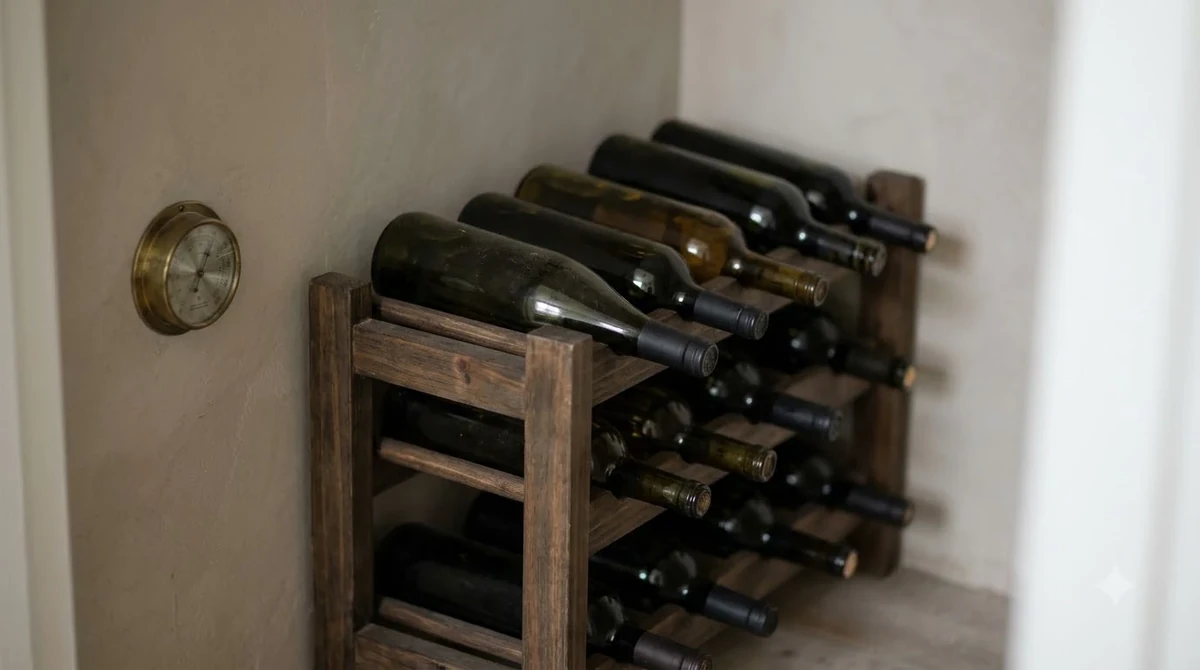
Keep unopened wine away from direct sunlight, strong temperature changes and excessive heat. A stable storage temperature near 55°F is a useful target. Bottles with natural cork closures are generally best stored on their sides to keep the cork from drying out.
Avoid keeping wine next to ovens, radiators or appliances that generate substantial heat. Even if a bottle is intended for casual consumption, poor storage can affect its aroma and overall condition. A cool, dark cupboard is preferable to a bright kitchen counter for short-term storage.
Preserving opened bottles
After opening, reseal still wines and place them in the refrigerator. A practical general guideline is 3–5 days for opened still wine, although the actual period depends on the wine’s age, structure, closure and exposure to oxygen. Sparkling wines usually retain their best character for approximately 1–3 days when properly sealed with a sparkling-wine stopper.
Fortified wines can last several weeks after opening, depending on their style and storage conditions. Bag-in-box wines generally have a longer opened life of approximately 4–6 weeks because the packaging limits oxygen exposure as the wine is dispensed.
Refrigeration is useful for opened red wines too. Remove a red bottle from the refrigerator before serving and allow it to approach the appropriate temperature. This is usually more effective than leaving an opened bottle on a warm counter for several days.
Planning portions
A standard wine pour is approximately 5 ounces. A 750 ml bottle contains roughly 25.4 fluid ounces and therefore provides about five standard servings. This is a useful calculation when planning a dinner, tasting or small gathering.
For a meal involving several wines, consider serving lighter styles first and fuller reds afterward. A refreshing Sauvignon Blanc followed by Shiraz, for example, provides a more natural progression than starting with a powerful, tannic red and moving to a delicate white. Keep the food intensity and serving temperature consistent with each wine’s style.
Frequently Asked Questions
Is Hardys wine made in Australia?
Yes. Hardys traces its origins to South Australia, where Thomas Hardy established the business in 1853. The company also identifies McLaren Vale as its home, while using grapes from multiple Australian regions for selected wines and blends.
Who was Eileen Hardy?
Eileen Hardy was the wife of Tom Mayfield Hardy and became an important figure in the company’s history after his death in 1938. She served as a brand ambassador and received an Officer of the Order of the British Empire honor in 1977. The premium Eileen Hardy wine collection commemorates her contribution.
What does the Hardys Nottage Hill name mean?
The name honors Thomas Hardy Nottage, the founder’s nephew. He began working for his uncle in 1884 at the age of 15 and retired in 1941 after 66 years of service. A vineyard at Tintara was renamed Nottage Hill in recognition of his contribution.
Does Hardys produce wine for special occasions?
Yes. Its portfolio includes premium collections such as Eileen Hardy and Thomas Hardy, as well as sparkling selections and the Rare fortified range. The first Eileen Hardy Shiraz was released in connection with Eileen’s 80th birthday celebration, making that label particularly significant in the brand’s history.
Can Hardys wines be aged in a cellar?
Some premium Australian reds may benefit from bottle aging, but aging potential depends on the specific wine, vintage, structure and storage conditions. Hardys also produces uncomplicated varietal wines intended for straightforward enjoyment rather than extended cellaring. For a wine intended to mature, investigate the individual release rather than assuming that every bottle from the producer will improve over time.
Hardys offers a broad introduction to Australian wine, from accessible VR and Stamp bottles to distinctive Tintara, Heritage Reserve and premium selections. Its greatest strength is the variety of grapes and styles available under one established name, although choosing the right collection is essential. Start with a grape you enjoy, consider the food and occasion, and compare the individual bottle’s characteristics before making your selection.
More in Wine Brands
 Goldeneye Wine Review: Explore Its Pinot Noir Styles and QualityUpdated Nov 21, 2026
 Georges Duboeuf Beaujolais Nouveau Review: Flavor, Pairing, and Serving TipsUpdated Nov 21, 2026
 Gruet Wine Price: Compare Bottles and Find the Right Sparkling WineUpdated Nov 21, 2026
 Hampton Water Wine Review: How to Choose and Enjoy This French RoséUpdated Nov 21, 2026
 Goldeneye Wine Price: Compare Bottles and Find the Right ValueUpdated Nov 21, 2026
 Gaja Barbaresco Price: Compare Vintages Before You BuyUpdated Nov 21, 2026