

We may earn a commission when you buy through links on this page, at no extra cost to you. Learn more.
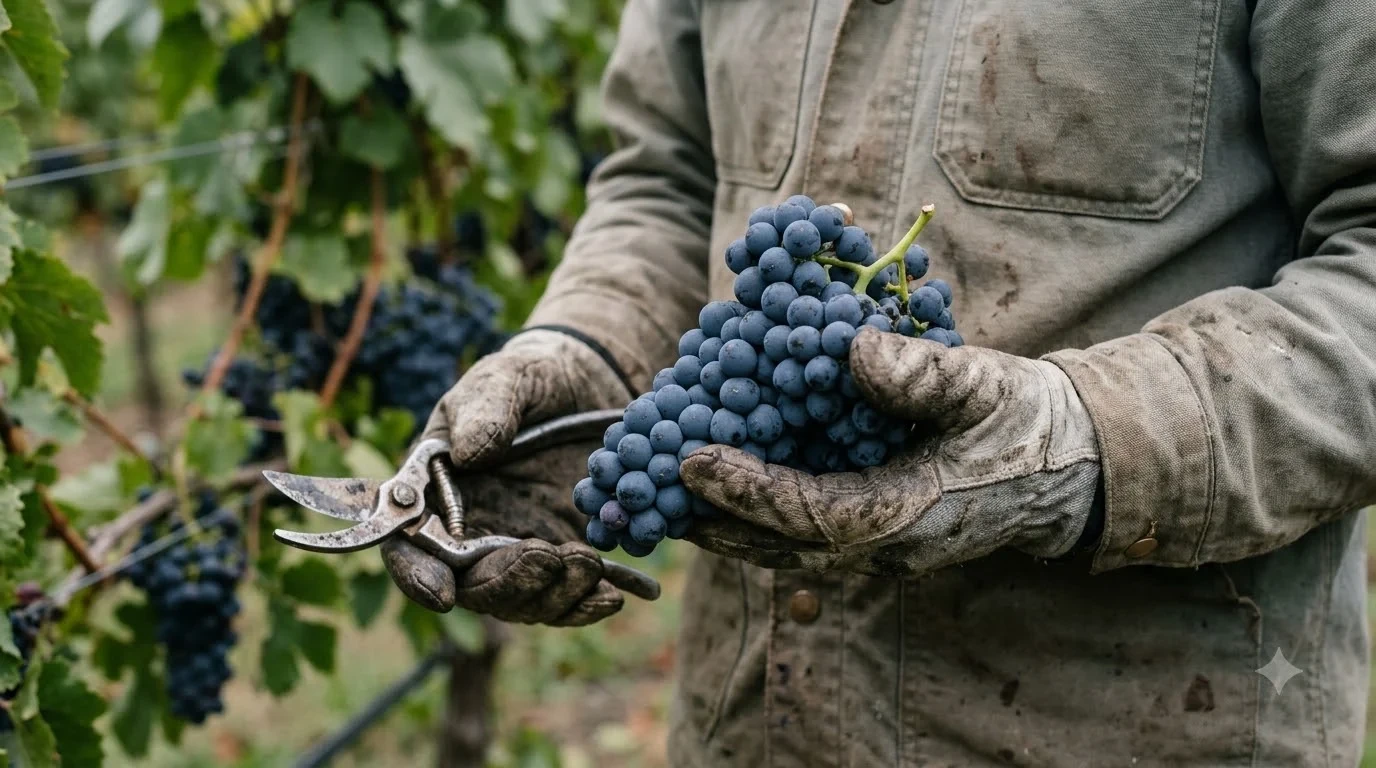
Shiraz grape is the Australian name for Syrah, a dark-skinned red grape that began in France’s Rhône Valley and now makes bold, fruit-forward wines in warm regions around the world. The same vine can produce very different glasses of wine depending on where it grows, so a bottle labeled shiraz usually tastes riper and richer than a Syrah from the cooler north of France. This guide explains where the grape came from, how its flavor shifts with climate, and how to serve and pair it.
Shiraz and Syrah are the same grape. The name on the label usually reflects where the wine was made and how the producer chose to market it, not a different plant. Once you understand how climate shapes the grape, reading a shiraz bottle becomes much easier, and you can predict roughly what you will taste before you open it.
Where the Shiraz Grape Came From
The grape’s home is the Rhône Valley in southeastern France. Wine writers link it to the northern stretch of that valley, where it is the main red grape in famous appellations such as Hermitage and Côte-Rôtie. Older folklore connected the name to the Iranian city of Shiraz, but that story is not supported by the grape’s documented history. What is clear is that the vine travelled to Australia, where producers adopted the name Shiraz and built a large industry around it.
Today Australia is the grape’s best-known home. According to Wine Folly’s grape guide to Syrah, it is the most planted grape in Australia, where it goes by the Shiraz name. That history explains why many people first met the grape through bold Australian bottles, and why the word shiraz still suggests a big, generous style to many drinkers.
Shiraz vs. Syrah: Same Grape, Different Climate
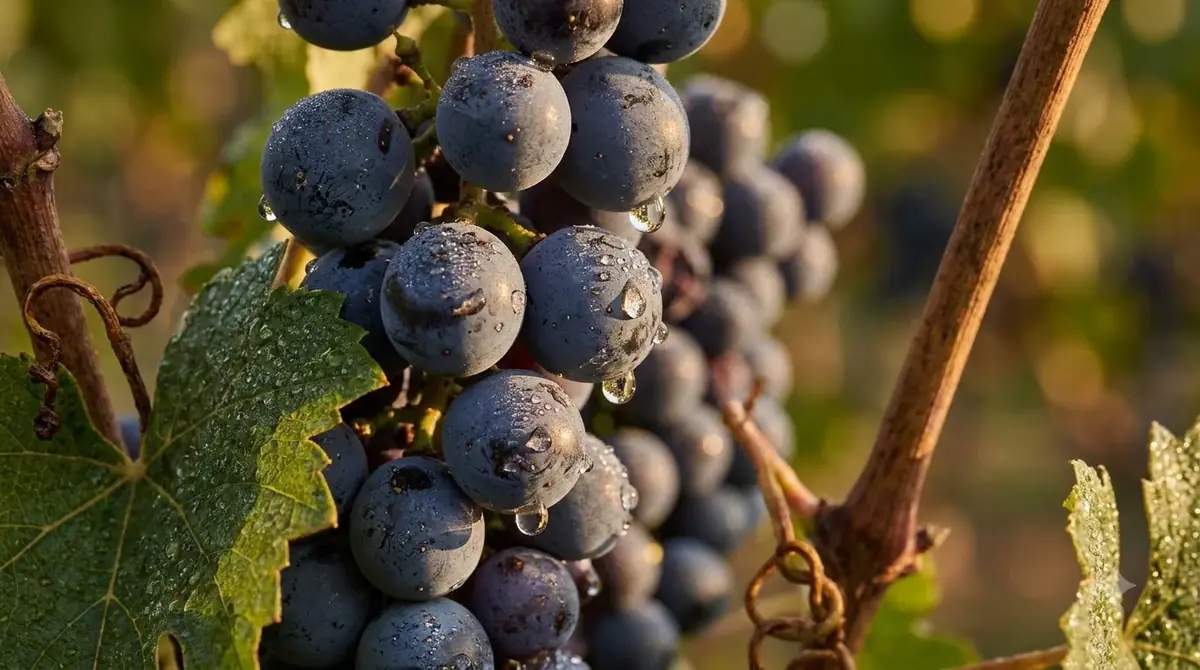
Climate is the biggest reason the same vine produces such different wines. Cooler sites ripen the fruit slowly, so the wine keeps more acidity, firmer tannin, and savory aromas. Warm sites ripen the fruit fully, so the wine comes out with more sugar, more alcohol, and softer, riper flavors. Winemakers can nudge the result further through oak aging and fermentation choices, but the climate sets the basic character.
Producers in the cool north of the Rhône usually use the name Syrah, while warm-climate producers in Australia, South Africa, and the United States often choose Shiraz. Those labels are conventions rather than strict rules, so a bottle called Syrah can still be fruity, and a bottle called Shiraz can still be restrained. Reading the producer’s region and alcohol level on the label tells you more than the name alone.
How Shiraz Tastes
The flavor of shiraz changes dramatically from one region to another, but most bottles share a core of dark fruit and spice. Full-bodied warm-climate versions lean toward jammy fruit, chocolate, and vanilla from oak. Cooler styles lean toward violets, smoke, and black pepper. The table below compares the two broad styles so you can see what to expect before you buy.
| Style | Typical flavors | Body and tannin |
|---|---|---|
| Cool-climate Syrah (northern Rhône style) | Violet, black olive, blueberry, smoke, cracked black pepper | Firm structure with high tannin |
| Warm-climate Shiraz (Barossa style) | Black plum, blackberry jam, dark chocolate, licorice, vanilla | Full-bodied with softer tannin |
Acidity is the other half of the picture. Cooler-climate shiraz keeps a firmer backbone of acidity, which makes the wine feel fresher on the palate and more food-friendly. Warm-climate versions often carry less natural acidity, so they can taste rounder and more plush even when the structure is still solid. Many tasters describe the Australian style as generous, while the French style reads as tight and savory at first, then opens with time in the glass.
Oak is a third factor. Many producers age shiraz in new or used barrels, and that adds vanilla, coffee, and toasty notes. Heavy oak can mask the grape’s natural fruit, so a well-made bottle usually balances the two. When you taste a shiraz with strong vanilla and coconut notes, the wood is doing much of the talking.
Tannin is the grip you feel on your gums and tongue, and it is what makes young shiraz feel powerful. Warm-climate bottles usually feel rounder because their tannins soften with ripeness. Cool-climate bottles stay firmer and often benefit from a few years in the cellar before they show their best. Knowing which style you have in hand helps you decide whether to drink it now or wait.
How to Serve Shiraz Grape Wine
Serving temperature matters more than many people expect. Shiraz tastes hot and heavy when it is poured straight from a warm room, because high alcohol makes the warmth more noticeable. The guide from VinoFYI recommends serving it between about 63 and 66 degrees Fahrenheit, which is cooler than the room temperature many people use, and a short rest in a cool room is usually enough to get there.
Decanting also helps, especially with young or tannic bottles. VinoFYI’s guide to Syrah and Shiraz suggests 45 to 60 minutes of decanting for young, firm wines. Pour the bottle into a wide-bowled glass and let air open up the aromas. Older bottles with more sediment usually need less time, and a gentle pour is enough.
Foods That Pair Well With Shiraz
Shiraz pairs best with food that has enough fat, char, and spice to stand up to its fruit and tannin. Grilled lamb, beef short ribs, and slow-braised meats are classic matches. Game such as venison and wild boar also works well, as do olive-based dishes and Moroccan-spiced stews. The wine’s dark fruit complements these flavors without overwhelming them.
Cheese is another good option. Strong aged cheddar, Manchego, and Pecorino hold their own against a firm red. Lighter, delicate dishes are harder to match, because the wine’s weight can overpower them. If you are serving a light salad or fish, a lighter red such as the pinot noir grape usually feels more balanced.
Choosing a Bottle of Shiraz
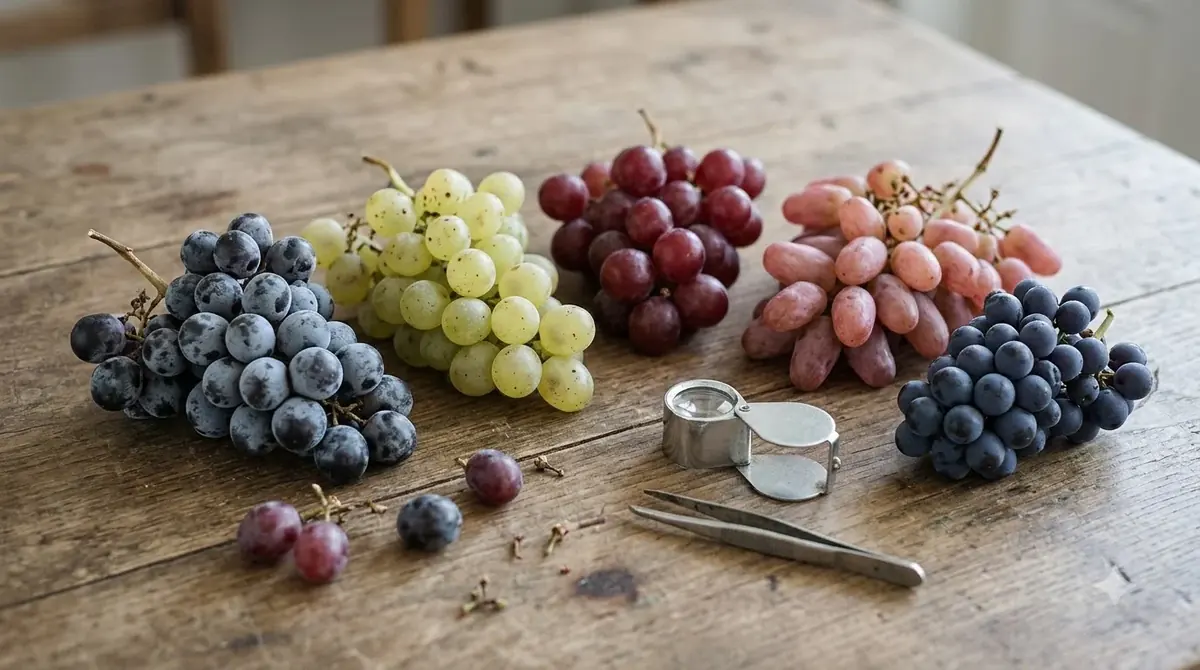
When you shop, start with the region on the label. Warm-climate bottles from places such as the Barossa Valley or McLaren Vale give you fruit-forward, generous wines that are easy to enjoy young. Cooler-climate Syrah from the Rhône or cool parts of Australia gives you more structure and savory notes. Neither style is better, but they suit different meals and moods.
Ask the shop staff or read the producer’s technical sheet if you want to know how the wine was made. A note about whether the wine was aged in oak, and for how long, helps you predict whether it will feel creamy or lean. Vintage matters as well, because a cool growing season can produce a leaner shiraz, while a hot one often gives a richer, more concentrated wine from the same vineyard.
Alcohol level is a useful clue too. Higher-alcohol shiraz tends to be riper and more powerful, while lower-alcohol versions usually feel brighter. If you are new to the grape, a mid-range bottle from a well-known region is a sensible starting point. Once you know which style you prefer, it becomes easier to explore the wider world of red wine, and the Wine by Type guide is a good next step.
Frequently Asked Questions
Is shiraz the same grape as syrah?
Yes. Shiraz and Syrah are the same dark-skinned red grape. The name changed as the grape moved from France to Australia, and many producers still use each name for the style they want to show.
Is shiraz always sweet?
No. Most shiraz is dry. Warm climates give riper fruit, which can taste sweet and jammy, but the wine itself has little or no residual sugar. Check the producer’s description if you want a softer style.
Should shiraz be served chilled?
Slightly cool is best. Serving it between about 63 and 66 degrees Fahrenheit keeps the alcohol from feeling hot and lets the fruit and spice come through clearly. Avoid pouring it from a warm room.
Does shiraz need to be decanted?
Young, firm bottles benefit from 45 to 60 minutes of decanting. Older bottles often need less time because they are already softer. A short time in a wide glass also helps open the aromas.
Shiraz grape wine rewards curiosity. Start with a warm-climate bottle to learn the generous, fruit-forward side of the grape, then try a cooler-climate Syrah to see how structure and spice change the picture. Serve it slightly cool, pair it with rich, savory food, and the grape will show you why it became one of the world’s most widely planted red varieties.
More in Wine Types & Grapes
 Zinfandel Sugar Content: Dry Red vs. White Zinfandel GramsUpdated Nov 21, 2026
 Best Zinfandel Substitute Options for Sipping and CookingUpdated Nov 21, 2026
 Zweigelt Food Pairing: Best Dishes, Cheeses, and Serving TipsUpdated Nov 21, 2026
 Zinfandel Tannins Explained: How Structure Shapes Every BottleUpdated Nov 21, 2026
 Zinfandel Sweetness Level: Dry Red vs. Sweet White Zin ExplainedUpdated Nov 21, 2026
 Xinomavro Food Pairing: Best Dishes, Styles, and Serving TipsUpdated Nov 21, 2026