

We may earn a commission when you buy through links on this page, at no extra cost to you. Learn more.
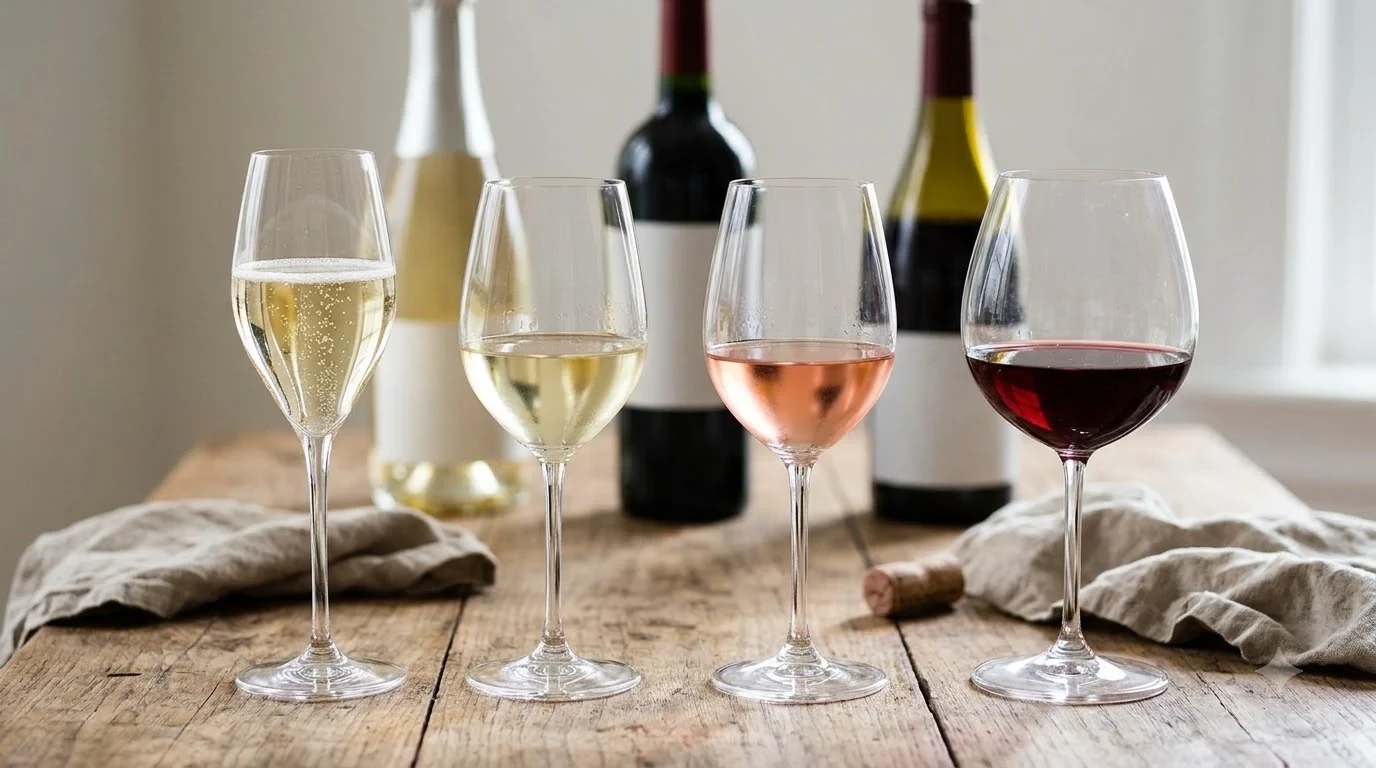
Hardys wine alcohol content typically ranges from approximately 11% to 13% ABV for many standard still wines, while its fortified Rare wines can reach 17.3% to 18% ABV. The exact percentage depends on the bottle, grape variety, wine range, and production style. Hardys offers everything from approachable Chardonnay and Sauvignon Blanc to Shiraz, Cabernet Sauvignon, and concentrated fortified wines. Checking the alcohol percentage for the specific product is the best way to compare bottles accurately.
Hardys is one of Australia’s established wine names, with a portfolio that covers everyday varietal wines, regional blends, premium reds, and fortified specialties. Its different collections serve different preferences, which also means that alcohol levels are not identical across the brand. Understanding the differences between VR, Stamp, Tintara, and Rare makes it easier to choose a bottle that suits a meal, occasion, or preferred drinking style.
Typical Alcohol Content Across Hardys Wine Styles
Most standard Hardys still wines fall within the familiar 11% to 13% ABV range, although individual products can fall outside it. Fortified wines are a separate category, with considerably higher alcohol concentrations than ordinary table wines.
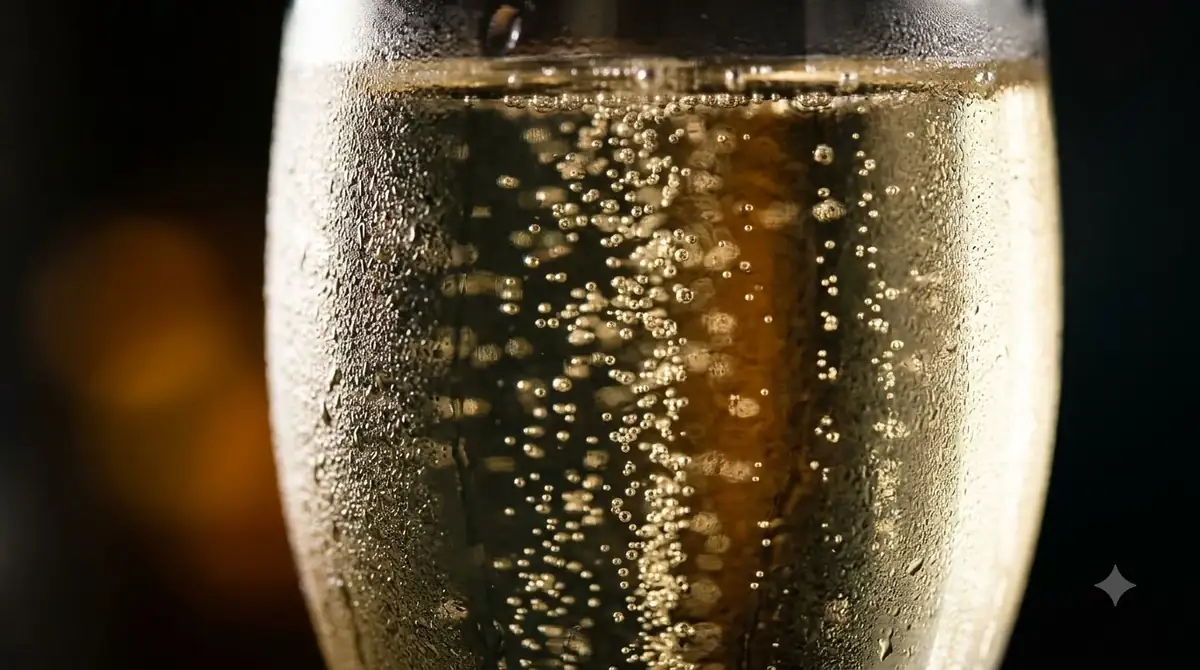
A useful example is Hardys VR Chardonnay, which is listed at 11% ABV by British supermarket Sainsbury’s. Its 750 ml bottle provides a specific reference point for understanding the alcohol content of an everyday Hardys white wine. Meanwhile, Hardys Rare Liqueur Sauvignon Blanc is listed at 18% ABV, illustrating how much the percentage can increase when moving from a conventional still wine to a fortified style.
These differences are important because Hardys is a brand rather than a single wine recipe. Its winemakers produce different grape varieties, blends, and specialty wines, each with its own fermentation and production requirements. A bottle of Chardonnay should not automatically be assumed to have the same alcohol percentage as a bottle of Shiraz or a fortified Muscat.
The following figures provide useful reference points from identified Hardys product listings. They are specific product examples, not guaranteed percentages for every vintage or bottle in the same broad category.
| Hardys wine | Wine style | ABV | Bottle size |
|---|---|---|---|
| VR Chardonnay | White, still | 11% | 750 ml |
| Rare Muscat | Fortified, sweet | 17.3% | 500 ml |
| Rare Liqueur Sauvignon Blanc | Fortified, sweet | 18% | 500 ml |
The difference between 11% and 18% ABV is substantial. The latter contains considerably more alcohol by volume, even though the fortified examples are sold in smaller bottles. For a useful comparison, a standard 750 ml bottle of ordinary still wine contains 750 ml of liquid, while the Rare examples listed above contain 500 ml each.
For readers comparing other familiar supermarket wines, the Black Box Pinot Grigio alcohol content article provides another reference point for understanding how alcohol levels vary between wine brands.
How Hardys VR Wines Compare by Grape Variety
Hardys VR, short for Varietal Range, focuses on recognizable individual grape varieties rather than elaborate blends. Its portfolio includes familiar white and red grapes, so the alcohol percentage depends on the particular wine rather than following one universal VR formula.
The official Hardys wine collection describes VR wines as uncomplicated expressions of individual varieties. This makes the range useful for comparing grape characteristics without assuming that every bottle has identical winemaking influences. Chardonnay, Pinot Grigio, Sauvignon Blanc, Merlot, Shiraz, Cabernet Sauvignon, and Pinot Noir can have different natural ripeness, fermentation characteristics, and finished alcohol levels.
For example, the listed Hardys VR Chardonnay has 11% ABV. That is a verified product-specific figure, not a universal Chardonnay percentage. Other bottles in the VR range can have different alcohol concentrations, and the percentage can also change between markets and product releases.
White wines in the VR collection
Chardonnay, Sauvignon Blanc, and Pinot Grigio are three useful examples of how different white wines can vary within one collection. Chardonnay commonly offers rounder fruit characteristics, while Sauvignon Blanc is generally associated with more pronounced acidity and fresh citrus or herbaceous notes. Pinot Grigio usually emphasizes a lighter, crisp fruit profile.
The 11% ABV figure for the listed VR Chardonnay demonstrates that a recognizable Australian Chardonnay does not necessarily need to reach 13% alcohol. A buyer comparing two white wines should consider both the alcohol percentage and the wine’s overall style rather than assuming that a particular grape always indicates a particular ABV.
Red wines in the VR collection
Hardys VR red varieties include Cabernet Sauvignon, Merlot, Shiraz, and Pinot Noir. These grapes produce noticeably different structures. Cabernet Sauvignon generally has higher tannin, Merlot is usually softer, Pinot Noir tends to have lower-to-medium tannin and higher acidity, and Shiraz commonly has medium-plus to high tannin.
Those structural differences influence food pairing and the impression of weight on the palate, but they do not establish a precise alcohol percentage. Two Shiraz wines can have different ABVs because of grape ripeness, growing conditions, blending decisions, and fermentation choices. The same principle applies to Merlot and Cabernet Sauvignon.
For a practical comparison, consider a bottle’s actual percentage alongside its grape variety. An 11% Chardonnay and a 13% red wine differ in alcohol concentration, but the red may also feel fuller because of its tannin and fruit structure. Alcohol is only one component of a wine’s overall character.
Alcohol Differences Between Hardys Red and White Wines
Hardys red and white wines can have overlapping alcohol percentages, so color alone does not determine which bottle contains more alcohol. A particular Chardonnay might be lower in ABV than a particular Shiraz, but that is not a rule that applies to every bottle.
White wines such as Chardonnay, Sauvignon Blanc, and Pinot Grigio are often fermented to preserve freshness and varietal character. Their alcohol levels depend on the sugar concentration in the grapes and the decisions made during winemaking. The listed Hardys VR Chardonnay at 11% ABV is one example of a comparatively moderate-strength still wine.
Red wines such as Shiraz, Cabernet Sauvignon, and Merlot can develop higher alcohol concentrations when grapes reach greater ripeness before harvest. However, the variety itself does not guarantee a high ABV. Growing region, weather, harvest timing, and fermentation all influence the finished wine.
Why grape ripeness matters
Grapes contain natural sugars that yeast converts into alcohol during fermentation. Generally, grapes with more sugar available before fermentation can produce wine with a higher potential alcohol concentration if fermentation converts that sugar into alcohol.
Australian wine regions have varied climates, and Hardys draws on grapes from different growing areas. Its official portfolio describes its wines as incorporating fruit from multiple Australian regions, including selected parcels for premium collections. This regional approach helps explain why two bottles from the same producer can have different alcohol levels.
Blending can also influence the finished wine. Hardys Stamp, for instance, brings together grape varieties from different regions. The finished ABV reflects the composition and production of the particular blend rather than a fixed percentage associated with one grape.
Alcohol percentage and body are different characteristics
A wine with higher ABV can feel fuller, warmer, or more concentrated, but alcohol is not the only reason a wine feels substantial. Tannin, acidity, residual sugar, fruit concentration, and oak influence the overall impression.
A Cabernet Sauvignon can feel structured because of its substantial tannins, while a Chardonnay can feel rounded because of its texture and oak treatment. Neither impression provides a reliable way to calculate alcohol concentration. The numerical ABV is the better measurement for comparing alcohol levels.
This distinction is particularly useful when selecting a red wine for food. Hardys Shiraz and Cabernet Sauvignon may work well with grilled meats, while Chardonnay can complement roast chicken. The best match depends on the wine’s structure, seasoning, and preparation rather than alcohol percentage alone.
Hardys Rare Fortified Wines Have Higher ABV
Hardys Rare is the part of the portfolio where alcohol levels move substantially above those of typical still wines. The listed Rare Muscat contains 17.3% ABV, while Rare Liqueur Sauvignon Blanc contains 18% ABV.
These wines are different from ordinary table wines because fortification involves adding grape spirit during production. The additional spirit increases the finished alcohol concentration and can also help preserve sweetness, depending on when the wine is fortified. The result is a richer style intended to be enjoyed differently from a conventional dry white or red.
Hardys Rare Muscat
Hardys Rare Muscat is listed at 17.3% ABV in a 500 ml bottle. It is a non-vintage fortified wine that combines younger and older wine components. Its concentrated profile includes raisin characteristics, freshness, and integrated oak influences.
Muscat is especially associated with aromatic, naturally expressive grape characteristics. In a fortified style, these fruit aromas can develop alongside richer notes of dried fruit and mature wine. The combination creates a different drinking experience from a fresh, dry Pinot Grigio or Sauvignon Blanc.
Because Rare Muscat is a fortified wine, its 17.3% ABV should not be compared directly with the alcohol concentration of an ordinary 11% Chardonnay without considering the different production methods. The fortified category is designed to offer a stronger, concentrated style.
Hardys Rare Liqueur Sauvignon Blanc
Hardys Rare Liqueur Sauvignon Blanc is listed at 18% ABV in a 500 ml bottle. It is described as a fortified wine made by blending younger and aged wines. Its production uses carefully selected components to create a rich, complex, and concentrated style.
Although Sauvignon Blanc is commonly associated with crisp, dry white wine, this fortified version is a very different expression of the grape. Its 18% alcohol concentration makes it significantly stronger than the familiar still-wine versions of Sauvignon Blanc.
Hardys also produces other Rare wines, including Show Sweet White and Rare Tawny. The official portfolio identifies these as part of its specialty fortified collection. Their exact alcohol percentages should be treated as individual product details rather than inferred from the Rare Muscat or Liqueur Sauvignon Blanc figures.
Tip: If you want a conventional table wine, look for a Hardys VR or Stamp bottle rather than assuming that every Hardys product has a similar alcohol concentration. For fortified styles, compare the specific ABV because Rare wines can reach 17.3% to 18%.
How to Calculate Alcohol in a Hardys Wine Bottle
ABV means alcohol by volume. It describes how much of a liquid’s total volume consists of pure alcohol, expressed as a percentage. For example, an 11% ABV wine contains approximately 11 ml of pure alcohol in every 100 ml of wine.
This measurement makes it possible to compare bottles of different sizes and strengths. A 750 ml bottle at 11% ABV contains approximately 82.5 ml of pure alcohol. A 750 ml bottle at 13% ABV contains approximately 97.5 ml, while a 500 ml bottle at 18% ABV contains approximately 90 ml.
The formula is straightforward:
Pure alcohol in milliliters = wine volume in milliliters × ABV percentage ÷ 100.
Using this calculation, the following examples show how bottle size and alcohol percentage work together.
| Wine example | Wine volume | ABV | Pure alcohol |
|---|---|---|---|
| Hardys VR Chardonnay | 750 ml | 11% | 82.5 ml |
| Standard still wine example | 750 ml | 12% | 90 ml |
| Standard still wine example | 750 ml | 13% | 97.5 ml |
| Hardys Rare Muscat | 500 ml | 17.3% | 86.5 ml |
| Hardys Rare Liqueur Sauvignon Blanc | 500 ml | 18% | 90 ml |
The calculations show why a smaller fortified bottle can contain a similar total quantity of pure alcohol to a larger still-wine bottle. Bottle volume and alcohol concentration must be considered together.
How much alcohol is in a typical glass?
A standard wine pour is approximately 5 oz, or 148 ml. At 11% ABV, that serving contains approximately 16.3 ml of pure alcohol. At 13% ABV, the same serving contains approximately 19.2 ml.
For comparison, a 5 oz pour of an 18% fortified wine contains approximately 26.6 ml of pure alcohol. This is why serving sizes are often smaller for fortified wines than for ordinary table wines.
A 750 ml bottle provides approximately five standard 5 oz pours. A 500 ml fortified bottle provides approximately 3.4 equivalent 5 oz portions by volume, although smaller serving sizes are often more appropriate for concentrated fortified styles.
These figures are mathematical estimates rather than guarantees of how much alcohol is in a particular glass. Actual pours can be larger or smaller, and the ABV depends on the wine being served.
Serving Temperature and Food Pairing for Hardys Wines
Serving temperature influences how alcohol, acidity, fruit, and tannin are perceived. The right temperature helps a Hardys wine show its intended character, whether it is a crisp white, a structured red, or a sweet fortified wine.
Light white wines such as Pinot Grigio and Sauvignon Blanc generally benefit from serving temperatures around 45–50 F. Fuller whites, including richer Chardonnay styles, are better served around 50–55 F. This allows their texture and aromatic character to remain noticeable without becoming overly warm.
Red wines need slightly different treatment. Lighter reds such as Pinot Noir are generally best around 55–60 F, while fuller reds such as Cabernet Sauvignon and Shiraz are usually served around 60–65 F. Serving a full-bodied red too warm can make the alcohol seem more prominent and can reduce the freshness of its fruit.
Pairing Hardys white wines
Hardys Chardonnay is a natural partner for roast chicken, seafood, and creamy dishes. Its fruit character can complement the richness of roasted poultry, while its acidity helps balance moderately rich sauces. The Sainsbury’s product description specifically recommends roast chicken for its listed VR Chardonnay.
Sauvignon Blanc works particularly well with foods that have fresh acidity, including citrus-dressed salads and seafood with lemon. Sauvignon Blanc generally has high acidity, so it can stand up to acidic ingredients better than a softer, lower-acid wine.
Pinot Grigio can accompany light seafood, vegetables, and simple pasta dishes. Its crisp profile makes it a useful choice when the meal does not require a heavily structured wine.
Pairing Hardys red wines
Cabernet Sauvignon generally pairs well with grilled beef, lamb, and dishes with rich sauces. Its higher tannin benefits from the presence of protein and fat, which can soften the sensation of astringency. Merlot is generally softer and can suit roast meats, burgers, and tomato-based pasta dishes.
Shiraz is a useful partner for barbecued meats, pepper-seasoned dishes, and grilled sausages. Its medium-plus to high tannin structure and fuller fruit profile work well with foods that have substantial flavor.
Pinot Noir offers a lighter alternative for roasted poultry, mushrooms, and salmon. It has lower-to-medium tannin and relatively high acidity, making it more flexible with foods that might overwhelm a heavily tannic Cabernet Sauvignon.
Pairing fortified wines
Hardys Rare Muscat and Rare Liqueur Sauvignon Blanc are better suited to dessert-oriented pairings than ordinary dry table wines. Muscat’s raisin and concentrated fruit characteristics can work with dried fruit desserts, nut-based pastries, and blue cheese.
A useful pairing principle is to choose a wine that is at least as sweet as the dessert. If the dessert is sweeter than the wine, the wine can taste sour or thin. For a concentrated fortified wine, small pours are often sufficient to accompany a dessert course.
Spicy food requires additional care. Alcohol can amplify chili heat, and tannin can make the sensation more pronounced. For strongly spiced dishes, a fresh white wine or a sweeter style is often a more comfortable pairing than a high-alcohol, heavily structured red.
Choosing, Storing, and Comparing Hardys Bottles
The best Hardys bottle depends on whether you prefer a crisp white, a fruit-driven red, a premium regional wine, or a fortified specialty. Alcohol content provides one useful comparison, but the collection, grape variety, and food pairing help determine which style is most suitable.
Hardys has several distinct collections. VR focuses on uncomplicated varietal wines, while Stamp showcases blends made with grapes from different regions. Tintara represents the winery’s connection with McLaren Vale, and the Thomas Hardy and Eileen Hardy names are associated with more premium expressions.
The official Hardys portfolio also includes Heritage Reserve Bin, Insignia, and Rare. Heritage Reserve Bin wines emphasize cross-regional blending, while Rare focuses on fortified specialties. This variety makes it important to identify the precise collection before comparing alcohol percentages.
How to choose a bottle by alcohol level
If you are looking for a conventional still wine, start by comparing bottles in the VR or Stamp collections. A listed 11% Chardonnay is a useful example of a lower-alcohol option within the Hardys portfolio. Other bottles may have different ABV figures, so compare their individual specifications.
If you prefer fuller reds, consider Cabernet Sauvignon, Shiraz, or Merlot. These wines can have a more substantial palate, but their alcohol concentration should be established from the particular bottle rather than assumed from the grape variety.
If you enjoy concentrated, sweet wine, the Rare collection offers a distinctly different style. Its listed Muscat at 17.3% ABV and Liqueur Sauvignon Blanc at 18% ABV demonstrate how fortified wines sit well above the typical still-wine range.
For additional brand comparisons, readers can also explore Cavit Pinot Grigio alcohol content and Kim Crawford Sauvignon Blanc alcohol content. Comparing the same grape variety across producers can be more informative than comparing unrelated wine styles.
Storage and freshness
Unopened wine should generally be stored in a cool, dark place with a reasonably stable temperature. Around 55 F is a useful storage target. Bottles with cork closures are generally stored on their sides to help keep the cork from drying out, while screwcap bottles do not require the same positioning.
Once opened, most still wines are best kept in the refrigerator and consumed within approximately three to five days. Sparkling wine generally lasts around one to three days with an appropriate stopper, while fortified wines can remain enjoyable for several weeks depending on their style and storage conditions.
For Hardys VR Chardonnay, replacing the screwcap and refrigerating the remaining wine helps preserve freshness. A fortified Rare wine may last longer after opening because its higher alcohol concentration and production style offer different preservation characteristics. However, its flavor can still change with exposure to oxygen.
Serving the wine at an appropriate temperature also matters. Chill lighter whites to 45–50 F, serve fuller Chardonnay around 50–55 F, and avoid serving full-bodied reds excessively warm. These simple steps help the wine’s fruit, structure, and alcohol remain in better balance.
Frequently Asked Questions
Does Hardys wine contain more alcohol than American wine?
Not necessarily. Australian and American wines can occupy overlapping ABV ranges, and both countries produce wines at different strengths. The country of origin alone does not establish the alcohol concentration. Comparing the individual bottles provides a more meaningful answer.
Does Hardys use the same fermentation process for every wine?
No. Hardys produces different wine styles using different winemaking approaches. For example, the listed VR Chardonnay is a conventional still wine, while its fortified Rare collection uses blended reserve wines and additional production techniques.
Can Hardys wines be vintage dated?
Many conventional still wines are associated with a particular harvest year, although product availability and labeling vary. Some Hardys Rare wines are non-vintage blends, meaning components from different years can be combined. Rare Muscat is one example of a non-vintage Hardys product.
Where did Thomas Hardy establish his first winery?
Thomas Hardy established his original business at Bankside on the River Torrens in South Australia in 1853. He later acquired the Tintara Vineyards Company in McLaren Vale in 1876. These locations are important parts of the producer’s history and connection with South Australian winemaking.
Is Hardys Rare Muscat made from only one year’s harvest?
No. Hardys Rare Muscat is identified as a non-vintage wine. Its blend combines younger and older wines, creating a consistent fortified style rather than expressing the conditions of one specific harvest year.
Hardys wine alcohol content varies according to the collection and production style, with many conventional still wines around 11% to 13% ABV and selected Rare fortified wines reaching 17.3% to 18%. Comparing the specific bottle, rather than relying on the Hardys name or grape variety alone, gives the clearest indication of its strength. Whether you prefer Chardonnay, Shiraz, Cabernet Sauvignon, or fortified Muscat, the individual ABV is the most reliable starting point for making an informed choice.
More in Wine Brands
 Underwood Wine Price: Compare Bottles, Cans, and Pack SizesUpdated Nov 21, 2026
 Zenato Wine Price: Compare Styles and Choose the Right BottleUpdated Nov 21, 2026
 Zuccardi Wine Price: Compare Bottles and Find the Right RangeUpdated Nov 21, 2026
 Yellow Tail Moscato Review: Taste, Sweetness and Serving TipsUpdated Nov 21, 2026
 Wolf Blass Yellow Label Review: Choose Your Best StyleUpdated Nov 21, 2026
 Wolffer Estate Rose Review: Choose the Right Bottle for Your TableUpdated Nov 21, 2026