

We may earn a commission when you buy through links on this page, at no extra cost to you. Learn more.
Shiraz acidity sits in the medium to medium-high range, typically falling between 3.5 and 3.85 on the pH scale depending on the climate where the grapes are grown. Cooler regions produce crisp, briskly acidic bottles with tart dark-berry flavors, while warmer regions yield softer, rounder acidity balanced by ripe fruit and full-bodied tannins. This natural acid backbone keeps the wine lively on the palate and allows well-made bottles to age gracefully for over a decade.
Because Shiraz and Syrah are genetically the exact same grape variety, understanding how climate and winemaking shape its brightness helps explain why two bottles can feel completely different in the glass. Exploring the full spectrum of Wine by Type reveals how acid levels act as the structural frame that keeps full-bodied reds from feeling heavy or flat.
What Is Shiraz Acidity?
In wine tasting, acidity refers to the natural tartness—primarily from tartaric and malic acids—that creates a mouthwatering sensation on the sides of your tongue and gives a red wine its sense of freshness and lift.
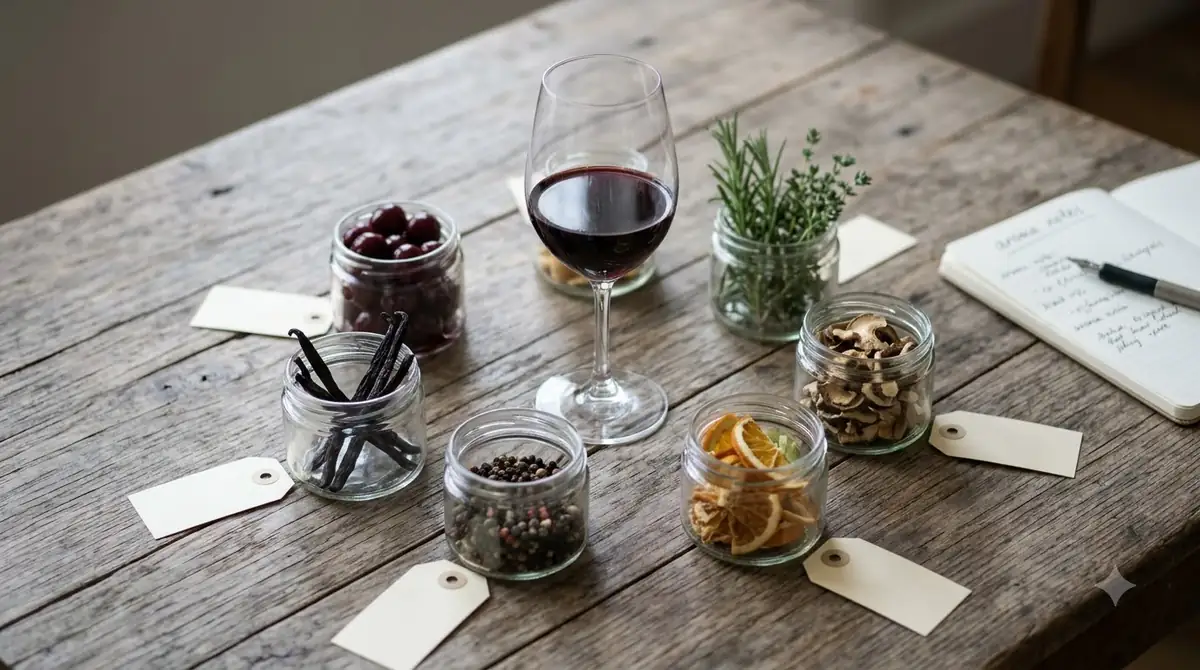
According to Wine Folly, Syrah and Shiraz generally show medium acidity alongside full body and medium-high tannins, with alcohol levels typically spanning 13.5% to 15% ABV. In winemaking labs, finished bottles commonly measure around 6.5 to 6.8 grams per liter of titratable acidity and a pH near 3.7 to 3.85. While those numbers place the grape comfortably in the middle tier of red wine brightness, they are high enough to prevent dense, concentrated fruit flavors from tasting syrupy or cloying.
When comparing red varieties, Shiraz sits noticeably lower in sharpness than high-acid grapes like Barbera, Nebbiolo, or Sangiovese, yet it retains more natural tension than low-acid, plush styles such as many warm-climate Merlots. If you examine pinot noir acidity side by side with Shiraz, Pinot Noir feels lighter, snappier, and more translucent because of its thinner skins and cooler growing habitats. Shiraz compensates for its thicker skins and heavier extract by pairing its moderate acid spine with firm tannins and spicy phenolic compounds.
That balance between acid, tannin, and alcohol is critical to how you perceive the wine’s weight. When acidity is well integrated, a full-bodied Shiraz glides across the palate with a juicy, vibrant finish rather than lingering like heavy fruit jam. Even in dry styles fermented to zero residual sugar, lively natural tartness gives dark plum and blackberry notes crisp definition.
Flavor and Styles
The perceived brightness of Shiraz changes dramatically depending on whether a winemaker leans into a savory, cool-climate style or a plush, sun-drenched expression.
Reviewers at Wine Enthusiast note that the stylistic split between bottles labeled Syrah and those labeled Shiraz largely reflects climate-driven ripeness. Cool-climate expressions tend to be leaner, more savory, and defined by brisk acidity that highlights flavors of black pepper, smoked meat, dried herbs, olive, and tart blackberry. In these bottles, the acid feels energetic and linear, driving a long, mouthwatering finish that invites another sip.
Warm-climate Shiraz, by contrast, develops higher sugar levels on the vine, which translates into fuller body, softer tannins, and alcohol levels reaching 14% to 15.5% ABV. Because grapes lose malic acid as they hang in warm sunshine, these wines exhibit a rounder, gentler acid profile. Instead of sharp tartness, the palate emphasizes ripe blueberry, cooked plum, licorice, and dark chocolate, often framed by sweet vanilla and baking spice from oak aging.
| Style Characteristic | Cool-Climate Syrah / Shiraz | Warm-Climate Shiraz |
|---|---|---|
| Perceived Acidity | Brisk, lively, medium-high | Rounder, softer, medium |
| Typical ABV Range | 13% – 14% | 14% – 15.5% |
| Primary Fruit Notes | Tart blackberry, red currant, plum | Ripe blackberry, blueberry jam, cooked plum |
| Savory & Spice Notes | Cracked black pepper, smoked meat, violet, herbs | Licorice, clove, dark chocolate, vanilla oak |
| Tannin & Body | Medium-plus to full body; firm, fine-grained tannins | Full body; plush, velvety tannins |
Winemaking choices also influence how sharp or soft the final wine feels. Many producers put Shiraz through malolactic fermentation, a secondary biological process that converts sharper malic acid into softer, creamier lactic acid. Furthermore, aging in new French or American oak barrels rounds off the edges of the wine, making the acidity feel smoothly woven into the mid-palate rather than standing out on its own.
Where It Grows
Because grape berries respire away their natural acids in intense heat, geography is the single biggest driver of how bright a bottle of Shiraz will taste.
In Australia—where the grape accounts for roughly a quarter of national wine production and is famously called Shiraz—regional temperature differences create starkly different acid profiles. Warm South Australian valleys such as Barossa Valley and McLaren Vale produce generous, sun-soaked wines with plush textures and moderate acidity. Meanwhile, cooler or higher-altitude Australian regions like Yarra Valley, Adelaide Hills, Clare Valley, and parts of Heathcote retain noticeably higher natural acidity, yielding fragrant, peppery wines with a tighter, fresher spine.
Outside Australia, cool-to-moderate growing regions showcase the grape’s snappier side, usually under the name Syrah. In France’s Northern Rhône Valley—home to iconic appellations like Côte-Rôtie, Hermitage, and Saint-Joseph—steep granite slopes and cooler continental breezes preserve crisp acidity and floral violet aromatics alongside savory game and mineral notes. Similar brightness appears in coastal California AVAs such as Santa Maria Valley and Sta. Rita Hills, as well as Washington’s Columbia Valley, where cool desert nights lock in natural grape acidity during the ripening season.
How to Serve Shiraz to Highlight Acidity
Serving temperature has an immediate effect on how bright or heavy Shiraz feels, because warmth amplifies alcohol while masking natural crispness.
Most wine experts recommend serving Shiraz slightly below room temperature, ideally between 60°F and 65°F (15°C to 18°C), though some charts extend the upper limit to 68°F for lighter styles. If a bottle sits at a warm 72°F kitchen temperature, its 14% to 15% alcohol can taste hot and volatile, flattening out the delicate fruit and muting the refreshing acid lift. Putting the bottle in the refrigerator for about 15 to 20 minutes before pouring brings it right into the sweet spot where acidity feels crisp and aromatics stay expressive.
If you want to learn more about dialing in the exact timing for different bottles, check our guide on should shiraz be chilled before your next dinner. Decanting young Shiraz for 30 to 60 minutes in a wide-bottomed decanter also helps soften tight tannins and lets the wine’s natural fruit brightness emerge. Once opened, recork the bottle and store it in the fridge, where the remaining wine will stay fresh for two to four days.
Tip: If a warm-climate Shiraz tastes overly heavy or jammy right out of the bottle, give it 15 minutes in the fridge—dropping the temperature by just a few degrees immediately sharpens the perception of acidity and tames the alcohol.
Food Pairing with Shiraz Acidity
The medium to medium-high acidity in Shiraz works alongside its firm tannins to cut through rich fats, smoky char, and savory proteins on the dinner table.
In food pairing, acidity acts much like a squeeze of fresh lemon over a rich dish, cleansing your palate between bites so heavy foods never feel overwhelming. Warm-climate Shiraz with softer acidity and lush dark fruit excels alongside sweet-and-smoky barbecue ribs, pulled pork, gourmet burgers, and braised beef short ribs. The wine’s ripe berry core mirrors caramelized glazes while its moderate acid and tannins slice through marbled fat.
Cooler-climate bottles with brisker acidity and cracked-pepper spice are built for leaner, earthier, or herbal dishes. Roast leg of lamb rubbed with rosemary, duck breast, grilled portobello mushrooms, venison, and pasta tossed in slow-cooked meat ragù all thrive next to a brighter, more savory bottle. Aged hard cheeses like sharp cheddar, aged Gouda, and Manchego also make effortless companions, as the cheese’s salt and protein soften the wine’s tannins while the wine’s acidity refreshes the palate.
How to Choose a Bottle
Reading the front and back labels carefully gives you clear clues about whether a bottle of Shiraz will lean crisp and structured or plush and velvety.
First, look at the listed alcohol by volume (ABV) and the region of origin. Bottles listing 13% to 14% ABV—especially those from the Northern Rhône, coastal California, Washington State, or cooler Australian pockets like Yarra Valley and Adelaide Hills—almost always deliver higher, more vibrant acidity and savory spice. Bottles showing 14.5% to 15.5% ABV from warmer areas like Barossa Valley signal riper fruit, fuller body, and a rounder, gentler acid feel.
Second, pay attention to the grape name on the label and the vintage age. Winemakers worldwide increasingly choose the name “Syrah” when crafting leaner, higher-acid, Old World-inspired wines, and “Shiraz” when bottling riper, fruit-driven styles. Keep in mind that acidity also underpins ageability: everyday bottles drink best within three to five years, while structured, high-acid regional bottlings from top vineyards can evolve in a cool cellar for 10 to 20 years, trading primary fruit for complex notes of leather, earth, and dried herbs. To explore how all these structural traits come together in the glass, read our breakdown of what does shiraz taste like across major styles.
Frequently Asked Questions
Is Shiraz considered a high-acid red wine?
No, Shiraz is generally classified as having medium to medium-high acidity rather than high acidity. While it is brisker and fresher than low-acid reds like warm-climate Merlot, it is noticeably softer and rounder on the palate than sharp, high-acid varieties such as Sangiovese, Barbera, or cool-climate Pinot Noir.
Does Syrah have higher acidity than Shiraz?
Technically, Syrah and Shiraz are the exact same grape variety, so their potential acidity is identical. However, bottles labeled Syrah usually come from cooler regions like France’s Northern Rhône or coastal California, which preserves higher natural acidity, whereas bottles labeled Shiraz often come from warmer Australian regions with riper fruit and softer acidity.
Why does my Shiraz taste flat or overly jammy?
Shiraz can taste flat or overly jammy if it is served too warm, which accentuates its 14% to 15.5% alcohol and masks its natural freshness. Chilling the bottle for 15 to 20 minutes to bring it down to 60°F–65°F will immediately brighten its acidity and sharpen the fruit flavors.
Does Shiraz have enough acidity to age well?
Yes, quality Shiraz has plenty of acidity and tannin structure to age gracefully in a cool, dark cellar. While entry-level bottles are meant to be enjoyed within three to five years, structured cool-climate Syrah and top-tier Australian Shiraz regularly improve for 10 to 20 years or more.
Understanding Shiraz acidity makes it much easier to match the right bottle to your dinner menu and personal palate. By checking the region and ABV on the label and serving the glass with a slight chill, you can bring out the exact balance of dark fruit, spice, and refreshing lift you want.
More in Wine Types & Grapes
 What Does Mourvèdre Taste Like? Flavor Profile, Regions, and PairingsUpdated Nov 20, 2026
 What Does Marsanne Taste Like? Flavors, Styles, and Food PairingsUpdated Nov 20, 2026
 What Does Malvasia Taste Like? Styles, Flavors, and Food PairingsUpdated Nov 20, 2026
 What Does Grenache Blanc Taste Like? Flavor Profile, Styles, and PairingsUpdated Nov 20, 2026
 What Does Garnacha Taste Like? Key Flavors, Styles, and Pairing TipsUpdated Nov 20, 2026
 What Does Fruit Wine Taste Like? A Complete Flavor and Style BreakdownUpdated Nov 20, 2026