

We may earn a commission when you buy through links on this page, at no extra cost to you. Learn more.
Should shiraz be chilled? Yes—serve most Shiraz lightly chilled, aiming for 60–65°F (16–18°C), rather than at a warm room temperature or straight from a cold refrigerator. A brief spell in the refrigerator helps keep alcohol in balance while allowing the wine’s dark fruit, pepper, and savory aromas to show. The goal is cool, not cold: pour it a little below the temperature you want in the glass because it will warm as you drink.
Shiraz is usually a full-bodied red, so it does not need the pronounced chill used for sparkling wine or crisp white wine. But the old instruction to serve every red at room temperature is too broad, especially in a warm house or on a summer patio. A modest temperature adjustment is enough to make a bold bottle taste fresher and more composed. The Wine by Type overview can help place Shiraz alongside other red styles before you choose how to serve it.
The Right Temperature for Shiraz
Most Shiraz is at its best around 60–65°F (16–18°C), a cool serving range that balances ripe fruit, tannin, and alcohol. This is cellar-cool rather than refrigerator-cold, and it is a practical target for the full-bodied Australian styles many drinkers associate with the name.
Wine Enthusiast’s Syrah/Shiraz service guidance recommends 60–65°F for Syrah and Shiraz, noting that these wines can carry 13–15.5% alcohol and may taste hot when served too warm. The same guidance suggests about 15 minutes in the refrigerator to bring a bottle toward the right range. Decanter’s red-wine temperature guide places full-bodied reds at 61–64°F and says cooler is generally preferable to a warm room. Those recommendations overlap: aim for the low-to-middle 60s rather than chasing an exact degree.
The temperature range is more useful than the phrase “room temperature.” A dining room kept at 70°F or warmer can make Shiraz seem more alcoholic and less fresh than intended. A bottle stored in a cool cellar may need no additional chilling, while one sitting beside a sunny window or near a grill usually does. The thermometer reading at the bottle matters more than the season or the label color.
| Wine style or situation | Useful serving target | Practical approach |
|---|---|---|
| Typical full-bodied Shiraz | 60–65°F (16–18°C) | Start with about 15 minutes in the refrigerator if warm |
| Full-bodied red wine generally | 61–64°F (16–18°C) | Keep it cool; avoid a warm room or direct sun |
| Medium-bodied red wine | 57–61°F (14–16°C) | Serve a little cooler than a dense, ripe Shiraz |
| Light-bodied, chillable red | 54–56°F (12–13°C) | Give it a longer chill than a full-bodied Shiraz |
The lighter-red ranges in the table are useful comparisons, not a reason to treat every Shiraz like Beaujolais. Decanter recommends 54–56°F for light-bodied reds, 57–61°F for medium-bodied reds, and 61–64°F for full-bodied reds. Shiraz normally belongs in the last group, although the bottle’s weight and structure can move the ideal pour toward the cooler end of the range.
Why a Gentle Chill Helps
At 60–65°F, a light chill reins in the impression of alcohol and helps preserve freshness in a wine with ripe fruit and substantial body. It does not turn Shiraz into a light red; it simply keeps the wine from feeling heavy, hot, or blurred.
Warm temperatures make alcohol more noticeable and can soften the sense of freshness that balances Shiraz’s concentrated fruit. That matters particularly in warmer-climate bottles, where ripe blackberry, plum, and blueberry flavors may sit alongside a generous level of alcohol. Cooling the wine modestly can bring its flavors into better proportion, so the fruit feels vivid rather than jammy and the finish feels less warm.
Temperature also changes how aromas reach the nose. As wine gets colder, aromatic compounds are released more slowly, so a very cold glass can seem muted even if the wine is well made. A moderate serving temperature gives the black-fruit, black-pepper, smoke, and herb notes room to emerge. As the glass warms, new layers may become easier to notice, which is one reason not to serve the entire bottle at refrigerator temperature.
There is a limit to the benefit. Cooling does not remove tannin or alcohol; it changes how strongly the wine’s components are perceived. If the bottle gets too cold, its fruit can recede and tannins may seem firmer or more drying. A small correction is the point. The aim is not to make Shiraz crisp like rosé, but to keep its full-bodied character balanced.
How Shiraz Style Changes the Serving Choice
Not every bottle labeled Shiraz has the same weight, ripeness, or tannin, so the temperature can be adjusted within the 60–65°F range. A concentrated, oak-aged Barossa Valley Shiraz generally benefits from the warmer end, while a fresher, more restrained example can be served closer to 60°F.

Syrah and Shiraz are names for the same grape, but the naming often signals different regional styles. Wine Enthusiast describes the northern Rhône Valley in France as a classic home of Syrah, with examples from Hermitage and Côte-Rôtie, while Shiraz is commonly associated with warmer South Australian regions such as Barossa, McLaren Vale, and Adelaide Hills. Those regions do not impose one fixed flavor profile, but climate and winemaking can shape how ripe, powerful, and full-bodied the wine feels.
Wine Enthusiast describes many Shiraz wines as concentrated and full-bodied, with blueberry and blackberry fruit, ripe tannins, black pepper, and sometimes smoky meat notes. It also reports that alcohol can reach 14–15.5% in warmer South Australian examples. A wine with that combination of ripe fruit, firm structure, and higher alcohol is a strong candidate for a short chill, not an extended stay in the refrigerator.
A leaner Syrah-style wine may show more savory herbs, brisk acidity, and less overtly ripe fruit. It can feel more precise at the cooler end of the range, but avoid assuming that every bottle called Syrah is light or every bottle called Shiraz is rich. Producer choices, vineyard conditions, oak treatment, and vintage all affect texture. Read the wine’s overall style from its body and flavor profile, then adjust the temperature by a few degrees rather than applying a rigid rule based only on the grape name.
How Long to Chill a Bottle of Shiraz
For a bottle at ordinary indoor temperature, begin with about 15 minutes in the refrigerator, then check whether it feels cool rather than cold. A short chill is usually enough because Shiraz is meant to be served warmer than white wine and many light reds.
Wine Enthusiast gives 15 minutes in the refrigerator as a practical way to bring Syrah or Shiraz into its recommended 60–65°F range. Decanter suggests that 10–20 minutes in a refrigerator or ice bucket can help a red wine that has become too warm. These are starting points, not guarantees: the actual cooling rate depends on the bottle’s starting temperature, glass thickness, refrigerator setting, and how much wine is in the bottle.
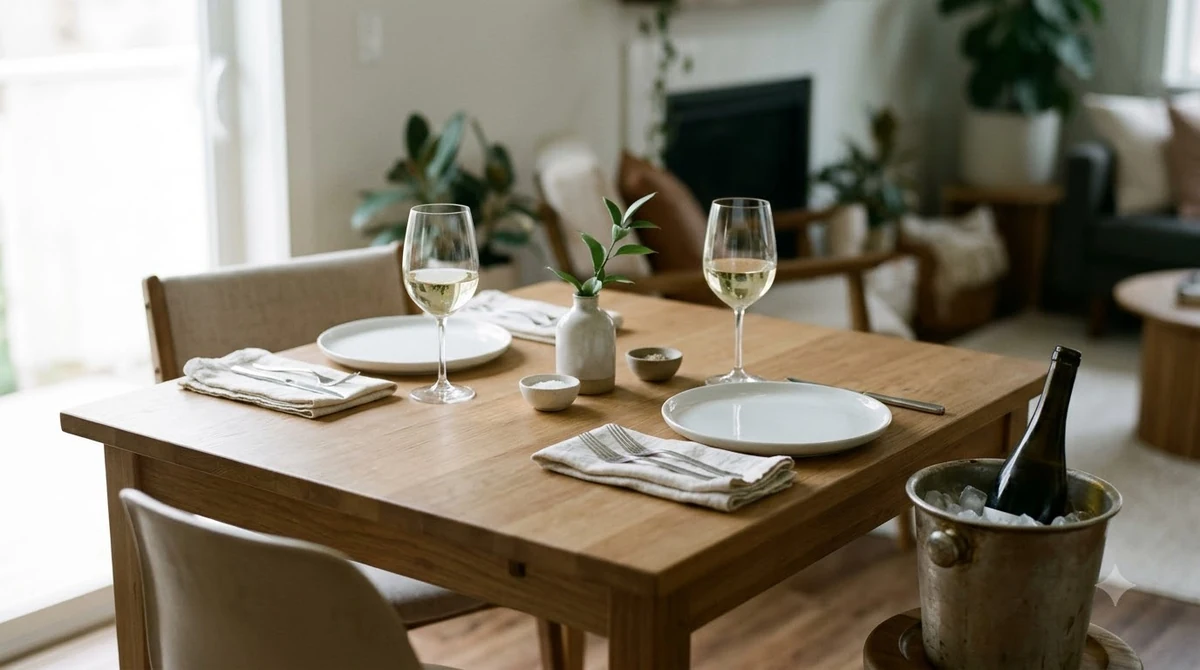
For a faster adjustment, place the bottle in an ice bucket containing both ice and water, and check it after a few minutes. Water fills the gaps around the bottle and transfers heat more efficiently than loose ice alone. Avoid leaving Shiraz forgotten in a freezer; a rapid drop can take it below its serving range before you notice. If it is already cooler than 60°F, let it stand briefly before pouring instead of trying to warm it with hot water or another direct heat source.
Tip: Chill the bottle in short increments and taste a small pour before serving everyone. If the wine feels muted or its tannins seem unusually firm, let the glass sit for several minutes; Shiraz often opens as it warms.
Outdoor conditions call for a little more attention. A bottle on a sunny picnic table or beside a barbecue can warm quickly, so keep it in an insulated wine cooler or a bucket of cool water between pours. In a cool room, the opened bottle can remain on the table for a while without losing its balance. Think of the temperature as something to maintain, not a one-time task completed when the cork comes out.
Serving Shiraz With Food and Outdoor Meals
Shiraz’s ripe fruit, noticeable tannin, and often generous alcohol suit flavorful dishes, especially grilled or roasted foods. Serving it slightly cool keeps the wine lively beside rich food without making it taste thin or icy.
Try a medium-bodied or fruit-forward Shiraz with burgers, barbecue ribs, sausages, or grilled vegetables. A more concentrated bottle can stand up to grilled beef, lamb, braised short ribs, and smoky dishes. The pairing works because the wine has enough body and flavor intensity to meet the food, while savory char and browned edges echo the wine’s peppery or smoky notes.
Salt and fat can soften the perception of tannin, so a Shiraz with firm structure can work well with a fatty cut of beef, lamb shoulder, aged cheddar, or a salty hard cheese. A dish with a rich sauce can also make the wine feel more balanced. Keep the temperature in the low 60s as the meal proceeds, and avoid leaving the bottle in direct sun or beside a hot grill. An ice bucket nearby is useful even when the wine is red.
Be more careful with very spicy food. A high-alcohol, tannic Shiraz can make chili heat feel stronger, especially when the dish is already hot with fresh chilies or a pepper-heavy sauce. Choose a milder preparation, add cooling or fatty elements such as yogurt or cheese where they belong in the cuisine, or select a softer, lower-alcohol red. For a lighter meal built around delicate white fish or oily fish, a crisp white is usually a better match than a full-bodied Shiraz. Temperature also matters when pouring alongside other wines: serve Shiraz warmer than sparkling wine, which is typically poured at 40–50°F, and generally cooler than a warm living room. For a separate look at the colder service range, read how sparkling wine should be chilled. A guest who prefers a colder red can put a few ice cubes in their own glass, but that will dilute the wine and change its balance. For a pitcher-style drink with a different serving approach, see whether sangria should be chilled. Another option is to chill that individual glass briefly before pouring.
Common Chilling Mistakes to Avoid
The most common mistake is taking “serve red wine at room temperature” literally, even when the room is warm. The opposite error is leaving Shiraz in the refrigerator until it is as cold as a white wine.
Do not equate a refrigerator’s temperature with the right serving temperature. A home refrigerator is generally much colder than the 60–65°F target for Shiraz, so a bottle left inside for hours may need time to warm before pouring. Extreme cold mutes aroma and fruit, and can make tannin seem more pronounced. If the first sip seems tight, wait rather than assuming the bottle is flawed.
Another mistake is overcorrecting after the wine has warmed. A red that has been sitting outside in hot weather may need a short spell in an ice bucket, but repeated freezing and warming is unnecessary. Use a thermometer if you have one, or check the bottle and glass at intervals. The temperature should support the wine rather than become a project that distracts from the meal.
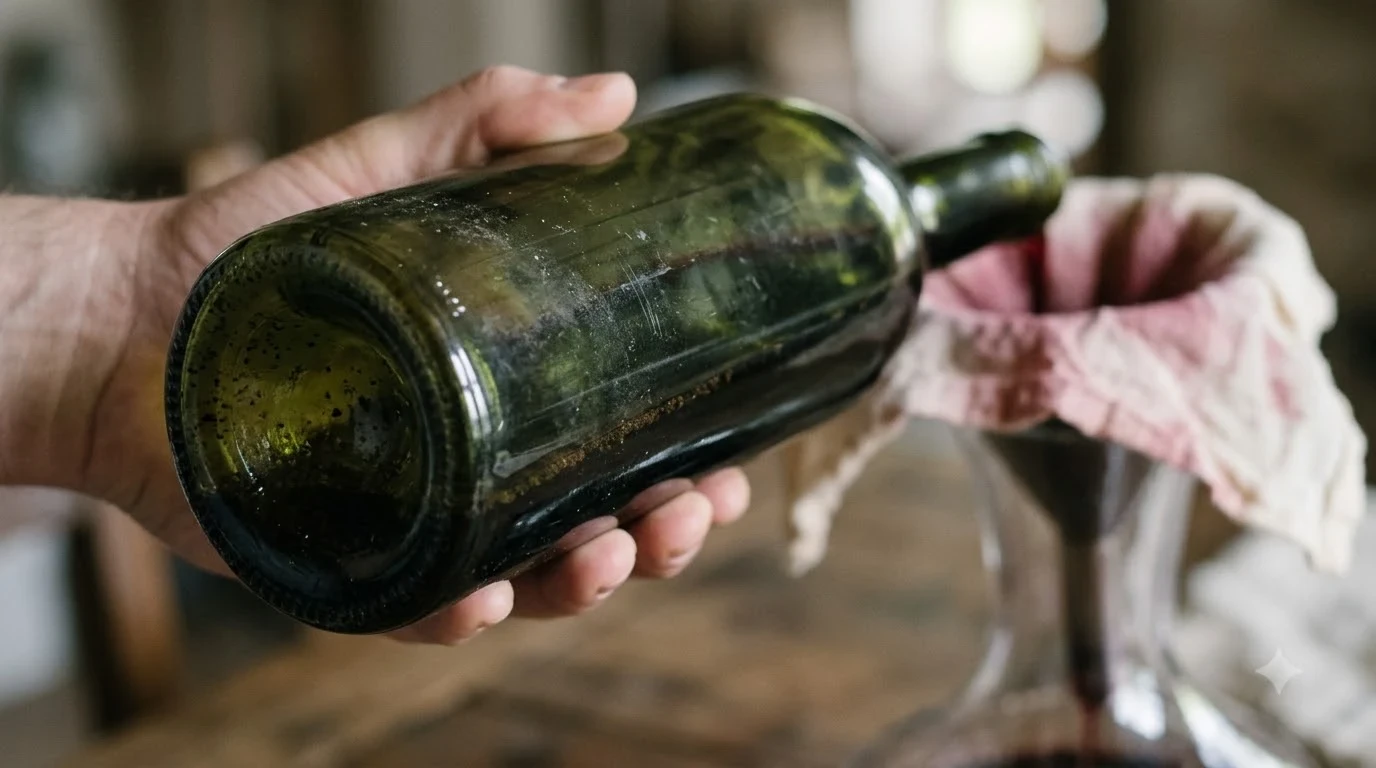
Finally, do not assume all Shiraz needs exactly the same treatment. A softer, medium-bodied bottle may feel right near 60°F, while a dense, ripe wine can show better around 63–65°F. Older bottles also deserve a gentle approach: avoid sudden temperature swings and handle sediment carefully when pouring. Small adjustments, guided by the wine in the glass, are more reliable than a strict timer applied to every bottle.
Frequently Asked Questions
Can I keep Shiraz in a wine fridge?
Yes. A wine fridge set near 55°F is suitable for storing bottles, but that is cooler than the usual serving target for Shiraz. Let the bottle warm a few degrees toward 60–65°F before pouring. Storage temperature and serving temperature have different jobs.
Should I decant Shiraz before or after chilling it?
For a young, powerful Shiraz, decanting can help expose the wine to oxygen and soften its first, closed-up impression. A young full-bodied red commonly benefits from about 30–60 minutes in a decanter. Bring the bottle near its serving range first, then decant so the wine does not sit warm for an extended period.
How should I store an opened bottle of Shiraz?
Replace the cork or closure and refrigerate the bottle between pours, even though it is a red wine. The cooler temperature slows oxidation compared with leaving it open on the counter. Wine Enthusiast advises that Syrah and Shiraz can remain fresh for about two to four days after opening when reclosed and refrigerated.
Does Shiraz need a special wine glass?
No special glass is required, but a standard red wine glass with a reasonably broad bowl gives the aromas room to collect. A stem makes it easier to hold the glass without warming the wine with your hand. The glass should be clean and free of strong detergent or cupboard odors.
Is Shiraz always a dry wine?
Most Shiraz is made in a dry style, even when its ripe blackberry or blueberry flavors suggest sweetness. Those fruit impressions come from the grape and its ripeness, not necessarily from residual sugar. Some entry-level bottlings can retain a small amount of residual sugar, so sweetness is a style choice rather than a defining trait of the grape.
For most bottles, a short chill and a serving temperature around 60–65°F are all Shiraz needs. Keep the wine out of the heat, let it warm in the glass, and adjust by style so its fruit, spice, and structure stay in balance.
More in Wine Types & Grapes
 What Does Mourvèdre Taste Like? Flavor Profile, Regions, and PairingsUpdated Nov 20, 2026
 What Does Marsanne Taste Like? Flavors, Styles, and Food PairingsUpdated Nov 20, 2026
 What Does Malvasia Taste Like? Styles, Flavors, and Food PairingsUpdated Nov 20, 2026
 What Does Grenache Blanc Taste Like? Flavor Profile, Styles, and PairingsUpdated Nov 20, 2026
 What Does Garnacha Taste Like? Key Flavors, Styles, and Pairing TipsUpdated Nov 20, 2026
 What Does Fruit Wine Taste Like? A Complete Flavor and Style BreakdownUpdated Nov 20, 2026