

We may earn a commission when you buy through links on this page, at no extra cost to you. Learn more.
Yes, is shiraz full bodied? Almost always—Shiraz is widely classified as a full-bodied red wine known for its rich mouthfeel, deep color, and concentrated dark fruit flavors. Typically bottled between 13.5% and 15% ABV, it combines medium-high tannins and medium acidity to create a weighty, lingering presence on the palate. While warm-climate regions like Australia’s Barossa Valley produce classic, plush full-bodied expressions, cooler growing zones yield slightly lighter, medium-plus styles.
Understanding what gives Shiraz its signature weight helps explain why some bottles feel velvety and expansive while others lean crisp and peppery. From grape genetics to winemaking choices, several factors shape the final texture in your glass.
What Is Shiraz
Shiraz is the New World name for Syrah, a dark-skinned red wine grape that originated in southeastern France before becoming Australia’s signature varietal. The grape produces some of the most intensely colored red wines in the world, packed with natural anthocyanins and phenolic compounds that contribute directly to its heavy mouthfeel.
In the wine world, “body” describes how heavy and viscous a liquid feels on your tongue—similar to the difference between skim milk and whole cream. According to Wine Folly’s comprehensive Syrah guide, Shiraz sits firmly in the full-bodied tier alongside Cabernet Sauvignon and Malbec. Its thick skins yield abundant color, flavor extract, and medium-high tannins during fermentation, laying the structural foundation for a bold red.
Alcohol level plays an equally important role in creating that full-bodied sensation. Because Shiraz grapes thrive in sunny climates, they accumulate high natural sugar levels before harvest, which ferment into higher alcohol by volume—usually landing between 13.5% and 15% ABV, with occasional warm-climate bottlings reaching slightly higher. Alcohol increases the viscosity of wine, giving each sip a warming, mouth-coating texture that feels substantial from the first taste through the finish.
Flavor and Styles
Shiraz is almost always fermented completely dry, yet its ripe, concentrated dark fruit character often gives an impression of lush sweetness on the mid-palate. The exact flavor profile and perceived weight depend heavily on climate, vineyard elevation, and oak aging regimens.
Warm-climate Shiraz—most famously associated with South Australia—delivers a powerhouse sensory experience. Expect waves of ripe blackberry, black cherry, blueberry jam, and cooked plum, layered with sweet baking spices like licorice, clove, and anise. Winemakers frequently age these wines in American or French oak barrels, which impart secondary notes of vanilla, mocha, dark chocolate, and toasted coconut while softening the grape’s natural tannins into a plush, velvety texture.
Cool-climate Shiraz offers a noticeably different expression that bridges the gap between medium-plus and full-bodied. Grown in areas with longer, milder ripening seasons, these wines retain higher natural acidity and lower sugar levels. Instead of jammy fruit, cool-climate bottles highlight tart plum, redcurrant, violet, crushed black pepper, dried herbs, and savory undertones of smoked meat or black olive, supported by firmer, fine-grained tannins.
| Style Factor | Warm-Climate Shiraz | Cool-Climate Shiraz / Syrah |
|---|---|---|
| Perceived Body | Full-bodied, plush, and viscous | Medium-plus to full-bodied, linear |
| Dominant Fruit | Blackberry jam, cooked plum, black cherry | Tart blackberry, redcurrant, fresh plum |
| Spice & Savory Notes | Licorice, clove, vanilla, dark chocolate | Cracked black pepper, violet, smoked meat, herbs |
| Tannins & Acidity | Velvety tannins, medium acidity | Firm, grippy tannins, higher acidity |
| Typical ABV Range | 14.5% to 15.5% ABV | 13.5% to 14.2% ABV |
Where It Grows
Although Syrah traces its roots to France’s Northern Rhône Valley, the grape exploded globally from roughly 10,000 planted hectares in the 1980s to over 180,000 hectares by the mid-2000s. Today, Australia champions the Shiraz name, while regions across South Africa, the United States, and South America bottle wines under either label depending on stylistic intent.
Within Australia, regional differences dictate just how heavy a bottle feels. The Barossa Valley and McLaren Vale in South Australia are legendary for warm days and ancient soils that produce benchmark, full-throttle Shiraz with dense fruit and chocolate richness. Conversely, coastal and elevated Australian regions such as the Yarra Valley, Mornington Peninsula, and parts of Margaret River experience cooling ocean breezes that preserve bright acidity, floral aromatics, and black pepper spice.
Outside Australia, South Africa’s Stellenbosch and Swartland regions craft expressive Shiraz that balances sun-drenched dark fruit with earthy, savory complexity. In the United States, Washington State’s Columbia Valley and California’s Paso Robles produce rich, fruit-forward bottlings—often labeled Syrah—that mirror the generous body of Australian Shiraz while maintaining structured tannins.
How to Serve
Serving Shiraz at the proper temperature and giving it adequate aeration dramatically improves its balance, preventing high alcohol from overwhelming the fruit. Because full-bodied reds pack dense tannins and elevated ABV, small adjustments before pouring make a noticeable difference in the glass.
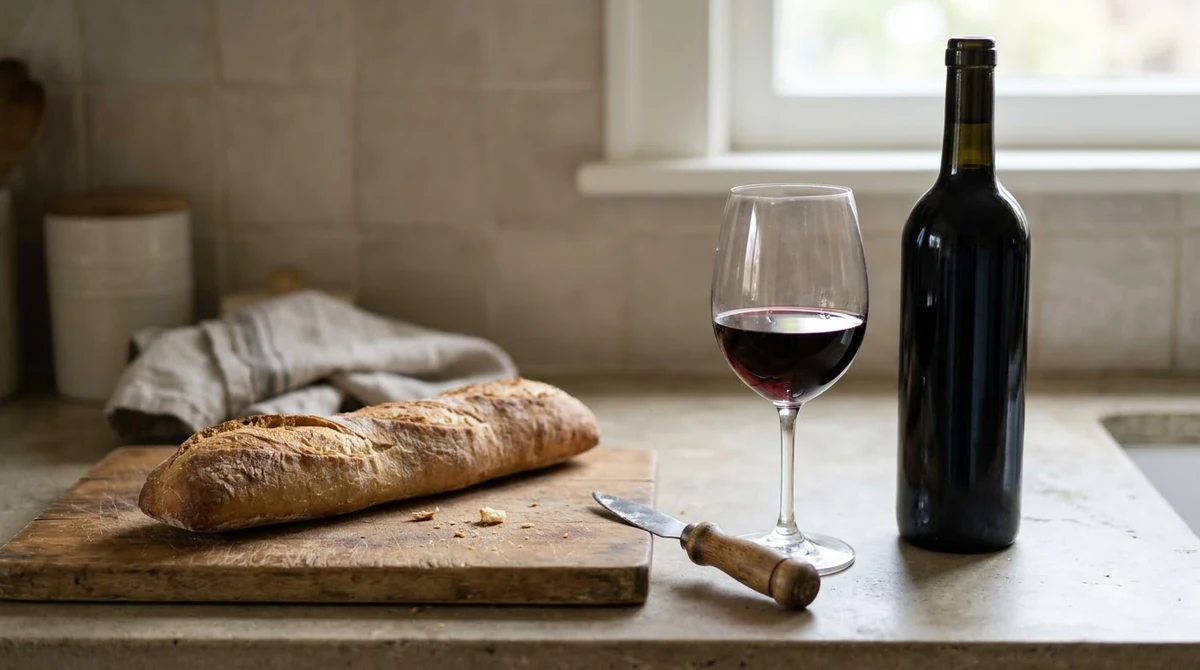
Aim to serve Shiraz slightly below standard room temperature, ideally between 60°F and 64°F (16°C to 18°C). As Decanter’s red wine serving temperature guide explains, modern household thermostats typically sit around 68°F (20°C) or higher, which makes bold red wines taste flat and overly alcoholic. Placing a bottle of Shiraz in the refrigerator for 15 to 20 minutes prior to opening brings it right into the sweet spot where fruit, spice, and structure align.
Decanting is equally helpful, particularly for young, concentrated bottles under five years old. Pouring the wine into a wide-bottomed decanter 30 to 60 minutes before dinner exposes it to oxygen, softening firm tannins and unlocking layered aromas of spice and dark berries. Serve the wine in large-bowled red wine glasses, which provide ample surface area for swirling and direct the aromatics toward your nose without trapping harsh alcohol vapors.
Tip: If you do not own a decanter, uncork your Shiraz 30 minutes before dinner and pour a small splash into each glass early so the increased surface area accelerates aeration.
Food Pairing
Shiraz’s bold body, medium-high tannins, and peppery spice make it a natural partner for rich, savory, and charred foods. The proteins and fats in hearty dishes bind with the wine’s tannins, smoothing out any astringency while allowing the dark fruit flavors to shine.
Fire-kissed meats stand at the top of the pairing list. Slow-smoked beef brisket, chargrilled ribeye steak, barbecued pork ribs, and herb-crusted lamb chops match the weight of a full-bodied Australian Shiraz without being overpowered. The smoky crust from a grill echoes the toasted oak and pepper notes in the wine, while tangy barbecue glazes harmonize with its ripe berry core.
Hearty vegetarian dishes and aged cheeses also work remarkably well alongside Shiraz. Grilled portobello mushrooms, roasted eggplant, black bean stews, and lentil casseroles offer earthy umami depth that complements the savory side of cooler-climate bottlings. For a cheese board, skip delicate, mild varieties and reach for aged sharp cheddar, Gouda, or Manchego, whose firm textures and nutty saltiness stand up effortlessly to the wine’s intensity.
How to Choose a Bottle
Finding a Shiraz that matches your personal preference comes down to reading a few key clues on the front and back labels. Even without tasting a wine beforehand, regional origin, alcohol percentage, and stylistic descriptors tell you whether a bottle leans plush and heavy or crisp and savory.
First, check the region and alcohol by volume on the label. Bottles hailing from warm regions like Barossa Valley, McLaren Vale, or Paso Robles with an ABV of 14.5% or higher will almost certainly deliver a rich, full-bodied, fruit-driven experience. If you prefer a slightly lighter touch with more pepper and brisk acidity, look for cool-climate regions such as Yarra Valley, Margaret River, or Northern Rhône Syrah with an ABV closer to 13.5% or 14%.
Second, compare Shiraz with other red varietals you already enjoy to calibrate your expectations. If you love bold reds, exploring our broader guide to Wine by Type can help you map out how grapes relate in weight and texture. For instance, Shiraz feels noticeably heavier and darker than a silky Pinot Noir—detailed in our breakdown of is pinot noir full bodied—and typically offers more peppery spice and richness than an everyday Merlot, which we examine in is merlot full bodied. Meanwhile, if you enjoy the plush dark fruit of South American reds, checking out is malbec full bodied reveals a close structural cousin to warm-climate Shiraz.
Frequently Asked Questions
Is Shiraz always full-bodied?
Most Shiraz is full-bodied, especially bottles produced in warm regions like South Australia’s Barossa Valley. However, cool-climate examples from areas like the Yarra Valley or Margaret River can sit in the medium-plus range, offering lighter weight, brighter acidity, and pronounced black pepper notes.
Is Shiraz heavier than Cabernet Sauvignon?
Both Shiraz and Cabernet Sauvignon are full-bodied red wines, so they share a similar overall weight on the palate. Shiraz tends to feel rounder, fruitier, and more plush upfront, whereas Cabernet Sauvignon usually feels firmer and more structured due to higher, grippier tannins.
Is Shiraz a dry or sweet red wine?
Shiraz is almost always fermented completely dry, meaning virtually all grape sugars are converted into alcohol during fermentation. Its generous, jammy dark berry flavors and warm alcohol can create an illusion of richness, but there is no noticeable residual sugar.
Are Shiraz and Syrah the exact same grape?
Yes, Shiraz and Syrah are genetically identical dark-skinned grape varieties. Winemakers in Australia and South Africa traditionally use the name Shiraz for ripe, fruit-forward styles, while producers in France and much of the United States use Syrah to signal a more savory, pepper-driven profile.
Whether you reach for a velvety, oak-aged bottle from South Australia or a vibrant, peppery expression from a cooler coastal vineyard, Shiraz reliably delivers bold color, expressive spice, and satisfying weight. Paying attention to regional origin, serving temperature, and food pairings ensures every glass shows the depth that makes this grape a staple for full-bodied red wine fans.
More in Wine Types & Grapes
 Zinfandel Sugar Content: Dry Red vs. White Zinfandel GramsUpdated Nov 21, 2026
 Best Zinfandel Substitute Options for Sipping and CookingUpdated Nov 21, 2026
 Zweigelt Food Pairing: Best Dishes, Cheeses, and Serving TipsUpdated Nov 21, 2026
 Zinfandel Tannins Explained: How Structure Shapes Every BottleUpdated Nov 21, 2026
 Zinfandel Sweetness Level: Dry Red vs. Sweet White Zin ExplainedUpdated Nov 21, 2026
 Xinomavro Food Pairing: Best Dishes, Styles, and Serving TipsUpdated Nov 21, 2026