

We may earn a commission when you buy through links on this page, at no extra cost to you. Learn more.
The answer to “is merlot full bodied” is usually yes, but with a useful qualification: Merlot most often sits in the medium- to full-bodied range rather than feeling as firmly structured as Cabernet Sauvignon. Its ripe plum and black-cherry flavors, moderate acidity, and softer tannins give it a rounded feel. Cooler-climate examples can be fresher and more restrained, while warm-climate Merlot may feel richer and more powerful.
Merlot is a red grape, not one fixed wine style. The place where it grows, the ripeness of the grapes, the decisions made in the cellar, and whether it is bottled alone or blended all affect the weight in the glass. Understanding those variables makes it easier to choose a Merlot for a weeknight pasta, a roast, or a richer meal.
What Wine Body Means in a Glass
Wine body describes how heavy or substantial a wine feels across the palate, much as skim milk, whole milk, and cream differ in texture. Merlot commonly lands in the middle-to-full part of that scale, but body is not a synonym for dark color, high alcohol, sweetness, or powerful flavor.
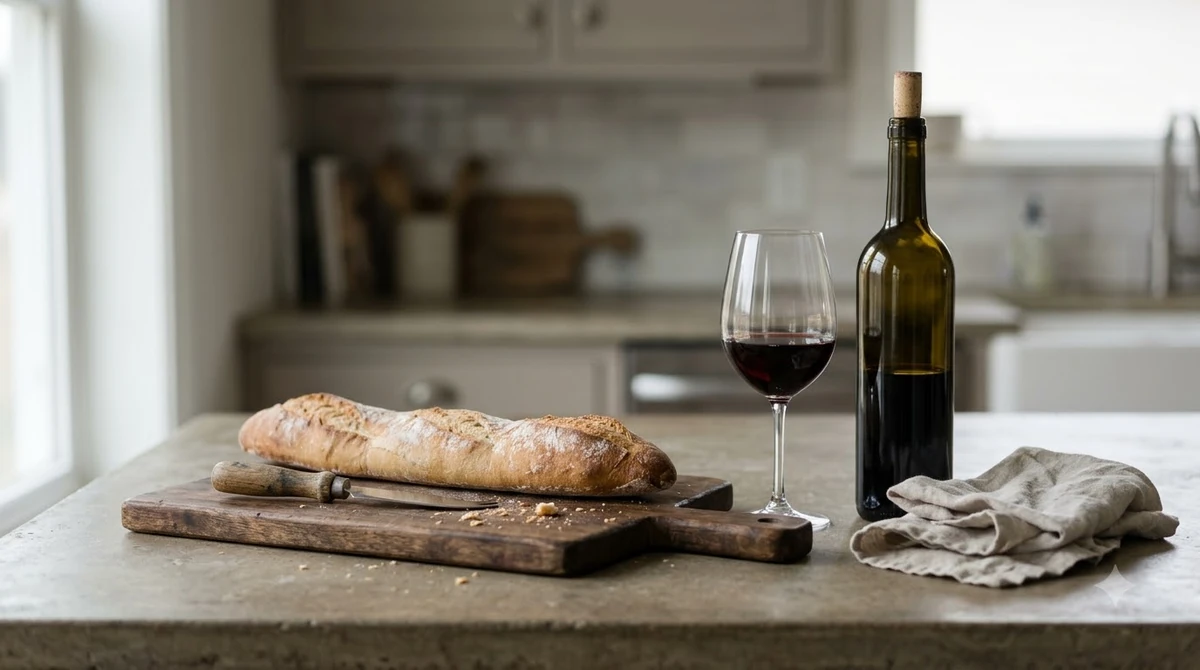
Alcohol is one major contributor because it creates a sense of weight and warmth. A wine around 14% alcohol by volume may feel fuller than one at 12%, although alcohol alone cannot tell the whole story. Extract, tannin, acidity, fruit concentration, and winemaking choices also shape texture. Merlot can feel substantial without the firm grip associated with some other red grapes.
Tannin is a separate sensation. It comes mainly from grape skins, seeds, stems, and, in some wines, oak; it can make the mouth feel dry or grippy. Merlot generally has softer tannins than Cabernet Sauvignon, so it may seem smoother at a similar alcohol level. Acidity provides freshness: Merlot usually has moderate acidity, rather than the high acidity associated with Pinot Noir or Sauvignon Blanc.
Think of body as overall weight, not a score for quality. A medium-bodied Merlot can be beautifully balanced, and a full-bodied bottle is not automatically better. Choose according to your taste and the food on the table.
Where Merlot Falls on the Body Scale
Most Merlot is medium- to full-bodied, with a dry finish, moderate acidity, and soft but noticeable tannins. Wine Enthusiast describes its typical profile as medium to full in body, with moderate to high alcohol; Bordeaux styles range from juicy and easy-drinking to dense wines intended for aging. See Wine Enthusiast’s Merlot overview for a broader tasting profile.
Two bottles carrying the same grape name can feel different. A fresh, fruit-forward Merlot may sit near the medium-bodied end, with little mouth-drying grip. A concentrated Merlot from a warm site, or a structured wine from a top Bordeaux appellation, can feel dense and full, with deeper fruit and a longer finish.
Alcohol provides a useful clue, not a guarantee. Wine Enthusiast notes that Merlot from cooler regions such as France often measures about 13–14% alcohol by volume, while examples from warmer places such as California, Chile, and Australia can approach 14.5%. A bottle’s body still depends on ripeness, extraction, acidity, tannin, and the balance among them.
| Merlot style | Typical alcohol range or level | Expected feel |
|---|---|---|
| Cooler-climate Merlot, including many French examples | About 13–14% ABV | Medium to full body; fresher fruit and more savory or herbal detail may show |
| Warmer-climate Merlot, such as examples from California, Chile, or Australia | Can approach 14.5% ABV | Often rounder and fruitier, with a fuller impression and more alcohol warmth |
| Concentrated, age-worthy Merlot or Merlot-led blend | Varies by producer and vintage | Can be dense and powerful, with deeper structure and a longer finish |
The figures are regional tendencies, not rules for every bottle. The first two rows reflect alcohol ranges described by Wine Enthusiast; the final row describes styles noted by the Bordeaux wine body. Lower-alcohol Merlot can still have considerable concentration, while a warmer-climate wine can stay balanced when fruit, tannin, and acidity are in proportion.
Ripe flavor is not the same as sweetness. Merlot is usually dry; plum, cherry, and blackberry can taste lush even when most grape sugar has fermented into alcohol. A fruity-tasting dry Merlot will not satisfy someone seeking a genuinely sweet wine.
How Climate and Winemaking Change Merlot’s Weight
Climate and site have a major influence on Merlot’s body because they affect how quickly the grapes ripen and how much sugar, flavor, and phenolic material they develop. Bordeaux, California’s Napa and Sonoma valleys, Washington, and Chile can all produce Merlot, but the wines do not have to taste or feel alike.
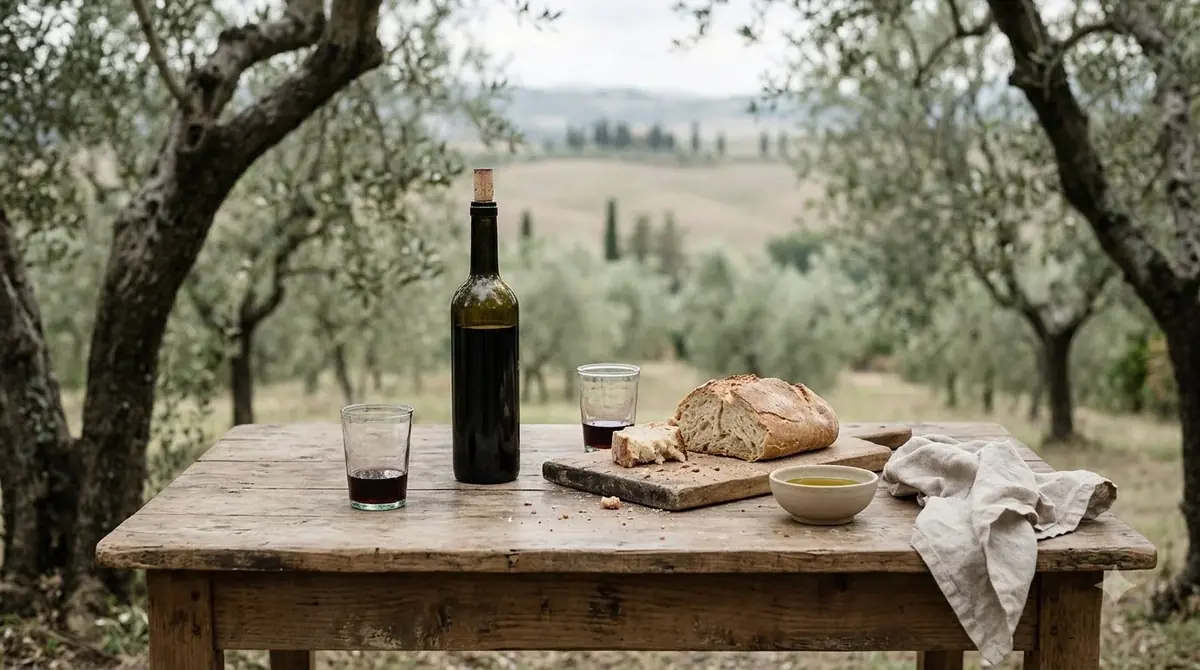
Merlot ripens relatively early, a trait that helps explain its importance in Bordeaux. The Bordeaux wine body’s Merlot profile notes that it thrives on clay-limestone and gravel soils and is especially prominent in Saint-Émilion, Pomerol, and Fronsac. Early ripening can be useful where autumn weather complicates harvest decisions. On the Right Bank, Merlot supplies a supple center to blends, while Cabernet Franc or Cabernet Sauvignon can contribute structure.
In warmer places, grapes can reach higher ripeness, bringing fuller fruit and potentially more alcohol. Those wines may show plum, blackberry, black cherry, or cocoa. Cooler conditions can preserve acidity and emphasize herbs, bay leaf, tobacco, or pepper. Neither style is automatically superior: warm-climate Merlot can be plush, while cooler-climate examples can be savory and balanced.
Winemaking adds another layer. Longer skin contact and extraction can increase color, flavor concentration, and tannin. Oak aging can contribute vanilla, clove, cedar, coffee, or chocolate, depending on the amount and age of the barrels. Oak does not make every Merlot full-bodied; vineyard character and balance still matter.
Blending changes the final impression. In Bordeaux, Merlot’s softness can be paired with Cabernet Sauvignon for tannic backbone, or with Cabernet Franc for aromatic lift. Grape proportions, site, and vintage influence the finished wine, so a Merlot-dominant blend can be more structured than a fruit-forward varietal bottling.
Merlot Compared with Cabernet, Pinot Noir, and Malbec
Merlot generally offers a rounder, softer middle ground between lighter reds and more tannic full-bodied styles. Comparing it with Cabernet Sauvignon, Pinot Noir, Malbec, and Nebbiolo shows why body and tannin should be considered separately.
Cabernet Sauvignon is usually more tannic and firmly structured than Merlot. Both can be full-bodied, but Cabernet often brings a stronger drying grip and flavors such as blackcurrant, while Merlot tends toward plum, black cherry, and a softer texture. In Bordeaux blends, Merlot can soften Cabernet Sauvignon’s firmer frame; in a single-variety wine, the difference is still noticeable but depends on growing conditions and winemaking.
Pinot Noir is usually lighter in body and lower in tannin than Merlot, with higher acidity and a fresher, more delicate impression. It can show red cherry, raspberry, earthy notes, and lifted acidity rather than Merlot’s broader plum and dark-fruit profile. For a more detailed comparison of weight and texture, see is pinot noir full bodied. That distinction is useful when choosing between a lighter red for salmon or roast chicken and a rounder red for beef or mushroom dishes.
Malbec often feels fuller and more forceful, with darker fruit and more pronounced tannin, particularly in concentrated examples. Merlot can be just as rich in some regions, but its tannins usually feel softer and its fruit more rounded. The comparison in is malbec full bodied can help clarify which style is likely to suit a meal or a preference for firmer reds.
Nebbiolo is a useful contrast because it can be pale in color yet highly structured, with high acidity and assertive tannins. Its body may feel medium to full, but its grip and savory character distinguish it from Merlot’s softer profile. Readers comparing Italian reds can also explore is nebbiolo full bodied. Merlot is often the friendlier starting point for drinkers who want dark-fruit flavor without as much tannic resistance.
These are tendencies, not guarantees. A cool-climate Merlot may feel firmer than a ripe Pinot Noir, and Cabernet can be supple. Consider the region and producer’s style as well as the grape.
Foods That Match Merlot’s Weight and Tannin
Merlot’s moderate acidity, ripe fruit, and generally soft tannins make it a flexible food wine. Medium-bodied examples suit poultry, pork, burgers, and tomato-based pasta, while fuller versions can stand up to beef, lamb, braised dishes, and roasted vegetables.
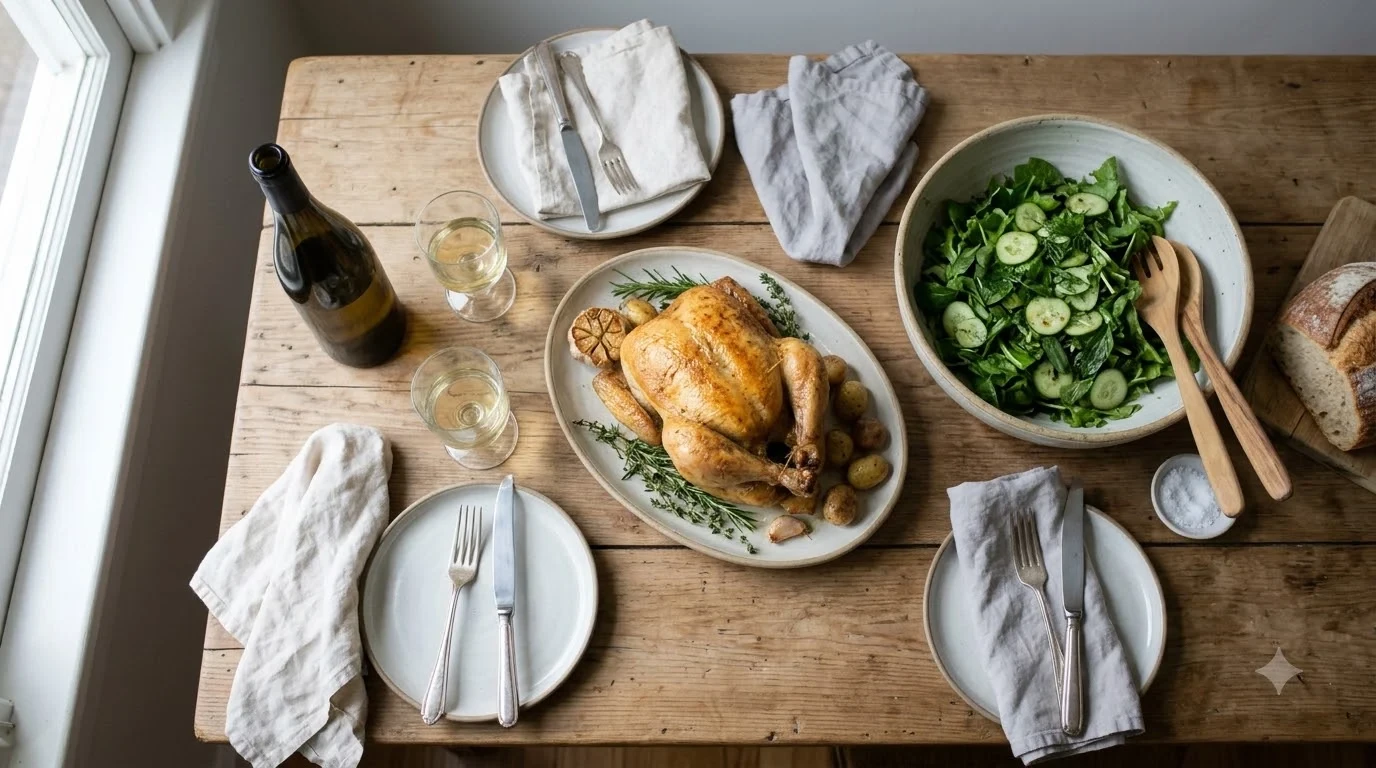
For an easy-drinking Merlot, try roast chicken, turkey, pork tenderloin, mushroom pizza, or tomato-based pasta. Its fruit complements browned meat and savory sauces without overwhelming a light dish. Mushroom risotto or roasted eggplant suits cooler-climate Merlot with herbal notes. Preparation matters: grilled chicken with herbs calls for a lighter wine than chicken braised in red-wine sauce.
Fuller Merlot can pair with grilled steak, lamb chops, beef stew, short ribs, or a burger with caramelized onions. The fat and protein in beef soften the sensation of tannin, while the wine’s fruit can balance savory browning and a slightly sweet glaze. A structured Right Bank Bordeaux can also work with duck, roast lamb, and mushrooms, particularly when the dish has enough depth to meet the wine’s concentration.
Acidity and heat matter as much as weight. Tomato sauce needs a Merlot with enough freshness to keep the pairing lively. Spicy chili can feel hotter beside wines with more alcohol and tannin, so a softer, moderate-alcohol style is often a better choice. Avoid tannic Merlot with oily fish such as salmon or mackerel; a lighter red or acidic white is usually more reliable.
Tip: Match the wine’s weight to the main ingredient, then adjust for sauce and seasoning. Choose a medium-bodied Merlot for roast chicken or mushroom pasta, and save a richer, more structured bottle for short ribs, grilled beef, or lamb.
Salt and fat can make tannin feel gentler, which helps Merlot work with burgers, aged cheeses, and slow-cooked meat. If a sauce tastes sweeter than the wine, the Merlot can seem lean or sharp. For glazed pork or duck with fruit, choose a ripe style and keep the sauce moderately sweet.
Food pairing is not a rigid formula. A lighter Merlot can work with a rich dish if it has enough fruit and freshness, and a fuller one can still accompany a simple meal if its alcohol and oak do not dominate. For more grape and style comparisons, browse Wine by Type and use the body, acidity, and tannin descriptions as a practical guide.
Serving and Storing Merlot
Serve Merlot slightly cool, at about 60–65°F, so its fruit stays clear and its alcohol does not feel overly warm. A typical 70–75°F room is warmer than the ideal serving range for red wine; chilling a bottle briefly can make a noticeable difference.
For a bottle at room temperature, refrigerate it for roughly 15–20 minutes before pouring. If it seems too cool, give it a few minutes to warm. Use a broad red-wine glass and pour about 5 ounces; a standard 750 ml bottle provides approximately five servings.
Decanting depends on the wine, not the grape name alone. A young, full-bodied Merlot or a structured Bordeaux blend may benefit from 30–60 minutes in a decanter, which can soften the first impression and allow aromas to open. A lighter, simpler Merlot is often ready to drink after opening. Older bottles require more care: sediment may need to be separated, and prolonged air exposure can make delicate aromas fade.
After opening, replace the closure and keep the bottle in the refrigerator, even if it is red. Most still wines keep their best freshness for about 3–5 days under refrigeration, though the exact window depends on age, style, and how much wine remains in the bottle. Bring the remaining Merlot back toward 60–65°F before serving again. For unopened bottles intended for storage, keep them away from light and temperature swings; a cool location near 55°F is a practical target, and bottles with natural corks are generally stored on their sides.
Temperature adjusts the impression of body: Merlot served too warm can seem alcoholic and heavy, while a very cold bottle can taste muted. A short chill followed by a few minutes in the glass is often enough.
Frequently Asked Questions
These answers cover some details beyond the usual tasting profile, including Merlot’s name, its grape lineage, and less common uses in Bordeaux. They also explain why a wine made entirely from Merlot can be both famous and age-worthy.
Why is Merlot called Merlot?
The name is linked to the French word merle, meaning “blackbird.” Bordeaux’s wine body connects the name with the dark color of the berries, while the bird is also associated with feeding on grapes in the vineyard.
Which grape varieties are Merlot’s parents?
Merlot is the offspring of Cabernet Franc and Magdeleine Noire des Charentes. That lineage helps explain its close relationship to other Bordeaux varieties, including Cabernet Sauvignon, which also has Cabernet Franc in its parentage.
Can Merlot be used to make sparkling or rosé wine?
Yes. Although red wine is its familiar form, the Bordeaux wine body notes that Merlot can also appear in rosé and, more occasionally, in blanc de noirs Crémant. Those styles are less common than still red Merlot.
Are any famous wines made from 100% Merlot?
Yes. VinePair identifies Château Pétrus and Château Le Pin as celebrated examples made entirely from Merlot. Their reputations show that the grape can produce wines of exceptional concentration and longevity, not only approachable early-drinking reds.
What historical synonyms are associated with Merlot?
Merlot has had several historical synonyms in France, including Merlau, Plant Médoc, Sémillon Rouge, and Crabutet Noir. These names are less familiar to consumers today, but they appear in the grape’s historical record.
Merlot is usually medium- to full-bodied, but its exact weight depends on climate, site, ripeness, and cellar choices. For the smoothest match, choose a fresher style for poultry and pasta or a richer, more structured bottle for beef, lamb, and braised dishes. Serve it at 60–65°F and let the food, rather than the label alone, guide the final choice.
More in Wine Types & Grapes
 What Does Mourvèdre Taste Like? Flavor Profile, Regions, and PairingsUpdated Nov 20, 2026
 What Does Marsanne Taste Like? Flavors, Styles, and Food PairingsUpdated Nov 20, 2026
 What Does Malvasia Taste Like? Styles, Flavors, and Food PairingsUpdated Nov 20, 2026
 What Does Grenache Blanc Taste Like? Flavor Profile, Styles, and PairingsUpdated Nov 20, 2026
 What Does Garnacha Taste Like? Key Flavors, Styles, and Pairing TipsUpdated Nov 20, 2026
 What Does Fruit Wine Taste Like? A Complete Flavor and Style BreakdownUpdated Nov 20, 2026