

We may earn a commission when you buy through links on this page, at no extra cost to you. Learn more.
The question “is nebbiolo full bodied” has a clear answer: yes, Nebbiolo is usually medium-full to full-bodied, especially in Barolo and Barbaresco. Its pale garnet color can suggest a lighter wine, but firm tannins, vivid acidity, and concentrated flavor give it substantial weight. Some Langhe and Nebbiolo d’Alba bottlings are less imposing and easier to enjoy young. Nebbiolo is best understood as a structured red: powerful in texture and persistence, yet often perfumed and elegant rather than dark, dense, or jammy.
Nebbiolo is the grape behind some of Piedmont’s most recognizable wines, including Barolo and Barbaresco. Understanding its body means looking beyond color to tannin, acidity, fruit concentration, and regional style.
Is Nebbiolo Full Bodied?
Nebbiolo is generally a medium-full to full-bodied red, with Barolo and Barbaresco among its fullest and most structured expressions. The grape combines high tannin and high acidity, so the wine can feel powerful and persistent without looking deeply colored or tasting especially sweet.
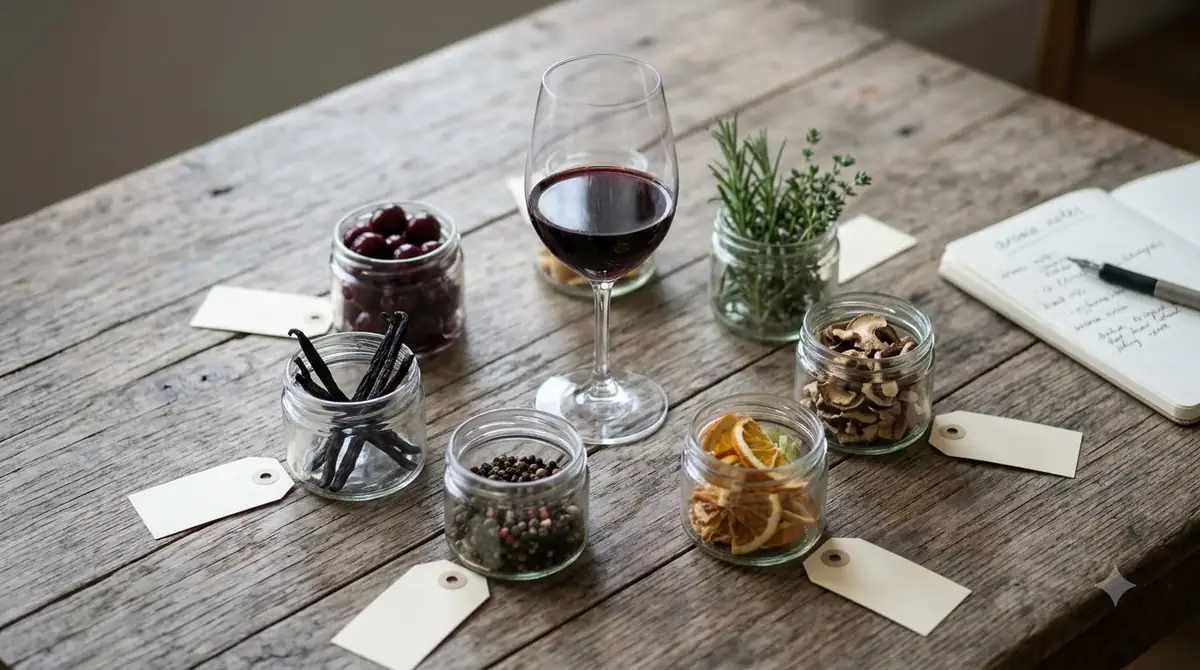
Body describes the impression of weight and volume on the palate. A light-bodied red tends to feel more delicate and less coating, while a full-bodied red often feels broader, more concentrated, and more persistent. Nebbiolo commonly lands toward the full-bodied end of that range, particularly when it comes from a top site in the Langhe and is made for extended aging. Its tannins add grip, and its acidity keeps that weight from seeming flat or heavy.
There is a useful distinction between body and intensity. Nebbiolo may not have the opaque color or black-fruit richness associated with some Cabernet Sauvignon or Syrah, but it can still leave a firm, mouth-filling impression. It is often dry, with red-fruit and floral aromas, and its structure can make a young bottle feel more demanding than its color suggests.
Not every bottle is equally full. A straightforward Langhe Nebbiolo may feel medium-bodied, fresh, and relatively nimble, while a concentrated Barolo can feel firmly full-bodied. Producer choices, vineyard exposure, vintage conditions, extraction, and bottle age all influence the result. Expect substantial structure, with body varying from medium-full to full.
How Tannin and Acidity Create Weight
Nebbiolo’s sense of power comes from the combination of firm tannin and bright acidity, not simply from fruit concentration. Those two structural elements can make the wine feel gripping, energetic, and long on the finish, even when the body itself seems elegant.
Tannin is the drying sensation along the gums, cheeks, and tongue. In Nebbiolo, it is often prominent enough to make a young wine feel austere or tightly wound. A sip may start with cherry and rose, then shift to a drying, tea-like grip. That grip gives the palate resistance and shape. With bottle age, tannins generally become more integrated and seem less aggressive, although the wine does not lose its identity.
Acidity supplies a different sensation. It makes the mouth water and gives the wine freshness, helping balance ripe fruit, alcohol, and oak-derived flavors. Nebbiolo’s lively acidity is part of what allows it to remain poised despite its tannin. A full-bodied wine does not have to taste soft or thick: Nebbiolo can feel firm and mouth-filling while remaining taut and lifted.
Alcohol contributes warmth and can add to a wine’s sense of weight, but it should not be confused with body on its own. A wine with noticeable alcohol can still feel less substantial if it lacks fruit concentration or tannin. Nebbiolo’s aromatic detail, acidity, and grip can make it feel full without looking dark or tasting plush. For a useful comparison, is merlot full bodied explores a red grape that more often gives a softer, rounder impression, while Nebbiolo tends to be firmer and more angular in its youth.
Color, Aromas, and Flavors in the Glass
Nebbiolo is known for an unusually pale appearance alongside a forceful palate. Expect red fruit and floral aromas in younger wines, with savory, earthy notes becoming more prominent as the wine develops.
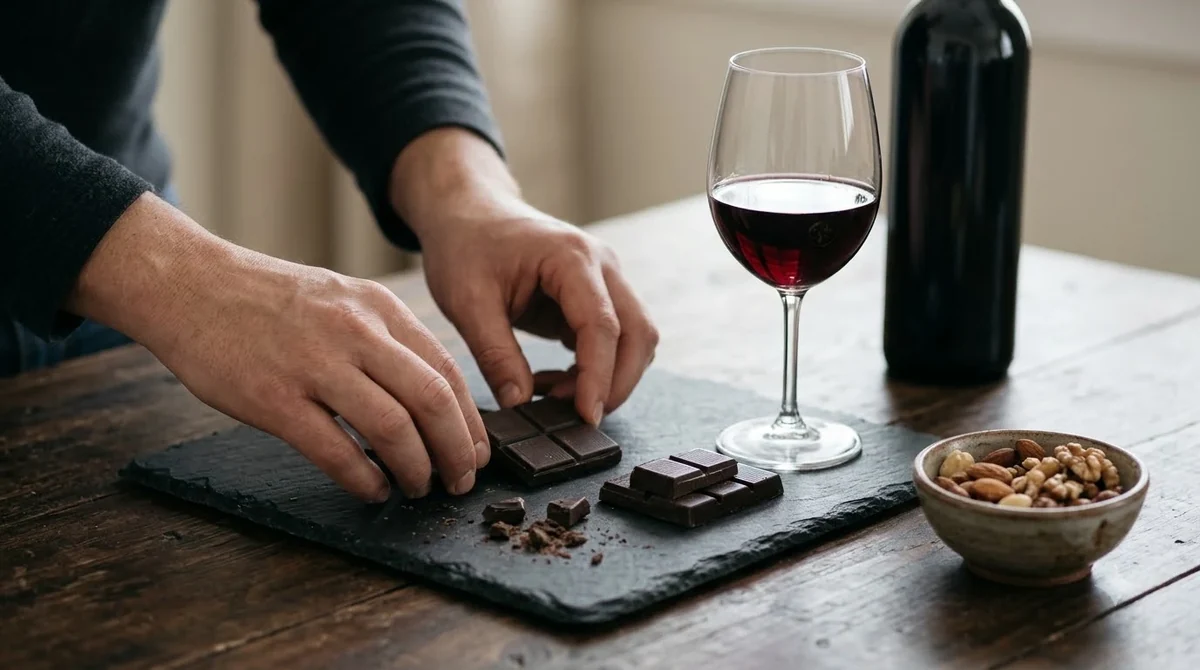
In the glass, Nebbiolo commonly ranges from translucent ruby to garnet. The color may look closer to Pinot Noir than to an opaque red, but that visual similarity can be misleading. Wine Enthusiast notes that Nebbiolo wines can shift toward rusty tones with age, while the grape’s characteristic profile includes tar, roses, violets, raspberry, and cherry. The Wine Enthusiast Nebbiolo overview describes the contrast between its floral character and tannic, bright structure.
Young Nebbiolo often shows sour cherry, red cherry, raspberry, and sometimes cranberry-like fruit. Rose petal and violet notes can sit above the fruit, giving the wine a lifted perfume. Depending on the producer, vineyard, and aging vessel, the aroma may also suggest anise, licorice, dried herbs, spice, or tea. The fruit is usually red rather than overtly black, and the wine is typically dry rather than sweet.
As Nebbiolo ages, the fresh-fruit profile can evolve toward dried cherry, leather, tobacco, earthy notes, truffle, and the famous tar-like character. These aromas vary with site, vintage, cellar conditions, and winemaking. Nebbiolo’s complexity is often aromatic and savory, so its fragrance can be delicate while the palate remains firm and concentrated.
How Barolo, Barbaresco, and Langhe Styles Differ
The region and the name on the label tell you a great deal about the likely weight of a Nebbiolo wine. Barolo and Barbaresco are generally the more structured, age-worthy styles, while Langhe Nebbiolo and Nebbiolo d’Alba often offer a fresher and more accessible expression.
Barolo is made from 100% Nebbiolo in the Langhe hills south of Alba, across 11 municipalities. The Langhe wine consortium describes it as full-bodied, powerful, and rich in complex tannins, with aromas that can include red fruit, rose, violet, spice, licorice, cocoa, tobacco, and leather. It is a classic example of Nebbiolo’s full-bodied potential, though the wine’s acidity and perfume can keep it from feeling simply heavy. Vineyard location and producer decisions create meaningful differences among bottles.
Barbaresco is also made from 100% Nebbiolo and shares much of Barolo’s aromatic and structural character. It is often described as a little more elegant or approachable, in part because its required aging period is shorter. Berry Bros. & Rudd reports that Barolo’s minimum aging is 38 months, including 18 months in oak, while Barbaresco’s is 26 months, including nine months in barrel. The rules do not guarantee a particular flavor, but help explain why Barbaresco can reach the market earlier.
| Wine | Grape composition | Minimum aging | Minimum time in oak | Typical impression |
|---|---|---|---|---|
| Barolo DOCG | 100% Nebbiolo | 38 months | 18 months | Full, firm, and built for development |
| Barbaresco DOCG | 100% Nebbiolo | 26 months | 9 months | Structured, often a little more accessible earlier |
Langhe Nebbiolo and Nebbiolo d’Alba are useful choices when you want fresh cherry, raspberry, floral notes, and lively acidity without the same level of structure or cellar time as a young Barolo. Their tannins are often gentler, making them suitable for near-term drinking and casual meals. Further north, Nebbiolo also appears in Gattinara and Ghemme, and in Valtellina in Lombardy, where it is known as Spanna or Chiavennasca. These higher-altitude or cooler settings can produce a different balance of fruit, acidity, and structure. The Decanter Nebbiolo profile highlights the grape’s ability to express its growing place, which is why wines made from Nebbiolo can feel distinct even when both have firm tannin and bright acidity.
Nebbiolo Compared With Pinot Noir, Malbec, and Merlot
Nebbiolo can look like Pinot Noir, but its tannins usually make it feel more forceful. Compared with Merlot or Malbec, it is less about soft, ripe fruit and more about acidity, aromatic lift, and a firm structure.
Pinot Noir is often light- to medium-bodied, with low-to-medium tannin and high acidity. Nebbiolo can share Pinot Noir’s translucent color, red-cherry character, and floral perfume, but it generally has much firmer tannins. If you are comparing the two, the article on is pinot noir full bodied explains why Pinot Noir usually feels more delicate, while Nebbiolo has a more assertive grip and a longer, more structured finish.
Merlot typically has medium body and softer, rounder tannins. Its plum and black-cherry flavors can make it feel generous without the same drying pressure that a young Nebbiolo can bring. Malbec often gives a fuller, fruit-forward impression, with darker fruit and a richer texture, though style varies by region and producer. For another point of comparison, is malbec full bodied considers why Malbec commonly reads as broad and ripe, whereas Nebbiolo’s power can be more about grip than density.
The differences are about texture as much as size: Merlot can feel smooth, Malbec broad and dark-fruited, and Pinot Noir supple and lighter. Nebbiolo can be pale yet formidable, with acidity for lift and tannin for structure. Calling it full-bodied is useful, but describing it only as heavy misses its perfume.
Foods That Work With Nebbiolo’s Structure
Nebbiolo pairs best with savory dishes that have enough flavor and richness to meet its tannin and acidity. Fat, salt, and slow-cooked textures can soften the wine’s grip, while delicate or oily fish are usually less successful matches.
For Barolo or Barbaresco, think braised beef, short ribs, roast lamb, venison, and other richly flavored meats. The fat in the dish helps soften the drying sensation of tannin, while the wine’s acidity cuts through the richness. Salt has a similar balancing effect, which is one reason Nebbiolo can work well with aged cheeses and savory dishes that are properly seasoned. A seared steak or slow-cooked beef ragù can make the wine feel more harmonious than it does alone.
Mushroom dishes are another natural match. Porcini risotto, truffle risotto, roasted mushrooms, and dishes with earthy herbs echo the savory side of aged Nebbiolo. Aged hard cheeses, including Parmigiano-style cheeses, provide both salt and concentrated flavor. For a younger Langhe Nebbiolo, tomato-based pasta, pizza with savory toppings, grilled sausages, and roast chicken can be better proportions than an elaborate game dish.
Be cautious with very spicy food. Chili heat can feel stronger alongside alcohol and tannin, so a hot pepper-heavy dish may make Nebbiolo seem more aggressive. Oily fish can also clash with a tannic red, while delicate white fish may be overwhelmed by the wine’s structure. A practical menu rule is to match Nebbiolo with dishes that have enough richness, salt, and savory depth to balance its grip rather than asking it to sit beside subtle flavors.
Tip: For a young Barolo or Barbaresco, serve it with a fatty, savory main course such as braised beef or lamb and include a salty or umami-rich side. For a lighter Langhe Nebbiolo, a mushroom pasta or pizza with roasted vegetables can be a better match.
Serving Temperature, Decanting, and Aging
Serve a structured Nebbiolo slightly cool rather than warm, and give a young, tannic bottle a little air. The right temperature and food pairing help its fragrance, acidity, and texture show together instead of allowing alcohol or tannin to dominate.
For a full-bodied Nebbiolo, aim for 60–65°F. At this temperature, the wine can show its rose, cherry, and savory aromas while keeping its structure composed. If the bottle is too warm, alcohol can seem more obvious and the finish may feel broader than intended. If it is too cold, the tannins may seem harder and the aromas less expressive. A brief chill helps in a warm room; avoid serving it refrigerator-cold.
Young full-bodied reds often benefit from 30–60 minutes in a decanter. This gives a young Barolo or Barbaresco a chance to open and lets the most forceful first impression of tannin settle. An older bottle can be more fragile, so open it carefully and follow its development in the glass rather than automatically giving it a long decant. Lighter Langhe Nebbiolo may need little or no decanting.
Barolo and Barbaresco are made to develop over time, but not every bottle requires decades in the cellar. The producer, vintage, vineyard, and winemaking approach all affect when a wine is ready. Some modern examples can be approachable relatively young, while more traditional, firmly tannic bottlings may need several years to soften and reveal more savory complexity. Langhe Nebbiolo and Nebbiolo d’Alba are commonly intended for earlier drinking, when their fresh fruit and acidity are at the forefront. Store bottles away from heat, light, and temperature swings, ideally near 55°F, with cork-finished bottles on their sides. A steady environment matters more than frequent movement. Nebbiolo’s structure is usually easier to understand alongside food. For more grape and style comparisons, browse Wine by Type.
Frequently Asked Questions
These quick answers cover a few details that often come up when readers first encounter the Nebbiolo grape and its best-known wines.
Why is Nebbiolo called Nebbiolo?
The name is linked to the Italian word nebbia, meaning fog. Decanter connects the name with the fog that can enshroud the limestone hills around Monforte d’Alba, near the town of Alba in Piedmont.
Can Nebbiolo wine be sweet?
Most Nebbiolo wine is dry, including the familiar Barolo, Barbaresco, Langhe Nebbiolo, and Nebbiolo d’Alba styles. A rare exception is Barolo Chinato, an aromatized wine made by adding herbs and flavorings to a base of Barolo; it is a separate category from Barolo DOCG.
What does Riserva mean on a Barolo label?
The Barolo designation has a longer aging threshold for Riserva than for the standard wine. The Langhe wine consortium states that a Barolo can use the Riserva mention only after five years, a label distinction that signals additional required time before release.
Is Nebbiolo grown in the United States?
Yes, although plantings are limited compared with those in Italy. Wine Enthusiast identifies scattered West Coast plantings that extend from California’s Central Coast north to Washington.
Who helped establish Barolo as a famous wine?
The Langhe wine consortium credits Giulia Colbert Falletti, the last Marchioness of Barolo, and Count Camillo Benso di Cavour with important roles in the wine’s development in the mid-nineteenth century. Barolo later became closely associated with the Piedmontese court and gained an international reputation.
Nebbiolo is a full-bodied or medium-full red whose pale color hides considerable tannin, acidity, and aromatic complexity. Choose Barolo or Barbaresco for a more structured experience, or start with Langhe Nebbiolo for a fresher, earlier-drinking expression. With the right temperature and a rich, savory meal, its combination of power and perfume becomes much easier to appreciate.
More in Wine Types & Grapes
 What Does Mourvèdre Taste Like? Flavor Profile, Regions, and PairingsUpdated Nov 20, 2026
 What Does Marsanne Taste Like? Flavors, Styles, and Food PairingsUpdated Nov 20, 2026
 What Does Malvasia Taste Like? Styles, Flavors, and Food PairingsUpdated Nov 20, 2026
 What Does Grenache Blanc Taste Like? Flavor Profile, Styles, and PairingsUpdated Nov 20, 2026
 What Does Garnacha Taste Like? Key Flavors, Styles, and Pairing TipsUpdated Nov 20, 2026
 What Does Fruit Wine Taste Like? A Complete Flavor and Style BreakdownUpdated Nov 20, 2026