

We may earn a commission when you buy through links on this page, at no extra cost to you. Learn more.
Georges Duboeuf Beaujolais Nouveau is the young red Gamay wine released by the Georges Duboeuf house each November, as part of the annual Beaujolais Nouveau tradition. The brand is closely tied to the founder, who helped turn a regional custom into an international event. The wine is meant to be drunk young, lightly chilled and fresh, rather than aged.
This guide explains what the Georges Duboeuf version of Beaujolais Nouveau is, where the brand came from, and how the wine is usually made. It also covers the flavor style you can expect, simple food pairings, serving temperature, and how to think about buying the wine during the November release window.
What Is Georges Duboeuf Beaujolais Nouveau?
Beaujolais Nouveau is a wine made from Gamay grapes in the Beaujolais region of France and released very soon after the harvest. Georges Duboeuf is the wine merchant whose house is most closely associated with popularizing it. According to the house’s own materials, the release happens every third Thursday of November, and the labels are easy to spot because of their original designs.
Think of the wine as a seasonal event rather than a long-term cellar wine. It is bright and fruity, and it is built for early drinking. If you are used to big, oaky reds, this style will feel very different. You can enjoy it with casual meals, holiday gatherings and simple snacks, which is part of why it became a yearly celebration.
The Story Behind the Georges Duboeuf Brand
The brand grew out of a long family connection to wine in eastern France. According to Wikipedia’s entry on the merchant, Georges Duboeuf was born in 1933 near Chaintré and was raised on a small farm where his family grew Chardonnay vines. He started delivering wine by bicycle as a young man, then became a négociant when he founded Les Vins Georges Duboeuf in 1964.
The house later became one of the largest wine merchants in France. The same encyclopedia entry notes that the company produces more than 2.5 million cases of wine each year and that Duboeuf is credited with popularizing the annual Beaujolais Nouveau phenomenon. He earned nicknames such as the king or pope of Beaujolais, which shows how central he became to the region’s image abroad.
The brand’s international reach came later. The official Maison Georges Duboeuf site says the wines gained success abroad after the label design caught attention, and that the presence expanded to North America, Australia and Japan in the 1980s. In 2018, control of the company passed to his son, Franck Duboeuf, according to the same sources. The house still works with an artist each year to create a poster for the vintage.
How Beaujolais Nouveau Is Made
Beaujolais Nouveau is made from Gamay, a dark-skinned grape that grows across the Beaujolais hills. The style is built around early release, so the wine is bottled and sold soon after fermentation. The goal is a fresh, fruit-forward red rather than a wine shaped by long aging in wood.
The process is different from many well-known red wines. Winemakers typically keep time in oak to a minimum, if they use it at all, and they focus on preserving the juicy character of the grape. Production details vary by producer and vintage, so check the back label or the producer’s website for specifics about a particular bottling. The official Beaujolais wines official website describes the region’s wines as packed with emotion and tied closely to local terroir, which helps explain why the grape and place matter so much to the style.
Tasting Notes and Flavor Profile
Most people describe Beaujolais Nouveau as light to medium-bodied, with bright red fruit and a soft, easy texture. Aromas often suggest fresh berries, and the tannins are usually gentle. Acidity keeps the wine lively, which makes it feel refreshing when served cool.
Because the wine is young, its character is mostly fruit-driven. Expect flavors that feel fresh and playful rather than deep or structured. Reviewers often note that the appeal is in the brightness and the sense of a new season in a glass. The table below compares Beaujolais Nouveau with a more structured red so you can see where it fits.
| Feature | Beaujolais Nouveau | Typical structured red |
|---|---|---|
| Age at release | Very young, released soon after harvest | Usually aged for a longer period |
| Main flavor focus | Fresh red fruit | Layered fruit, spice and oak |
| Texture | Light and soft | Fuller and firmer |
| Best drinking window | Early, soon after release | Often years after purchase |
Food Pairings for Beaujolais Nouveau
Beaujolais Nouveau works best with food that is simple, savory and not too heavy. Its fresh fruit and soft tannins suit everyday dishes better than rich, fatty cuts that call for a bigger wine. Many people reach for it with charcuterie, roast chicken, and mild cheeses.
The official Beaujolais site suggests pairing the region’s wines with a wide range of dishes, and it highlights a Beaujolais wine for many recipes. For Nouveau, start with light autumn fare such as roasted vegetables, pork dishes and sausages. The wine also suits picnic-style spreads and casual holiday tables where several dishes share the table.
- Charcuterie boards with pâté, ham and cornichons
- Roast chicken or turkey with herbs
- Pork chops, sausages and bean dishes
- Mild cheeses such as young goat or Brie
If you want a practical rule, match the wine to the weight of the meal. Lighter, fresher dishes work well with Nouveau, while heavy stews and aged steaks call for a fuller red. For more ideas on building a table around wine, see the Ariel wine guide, which covers another brand and its everyday serving style.
Serving Temperature and Storage Tips
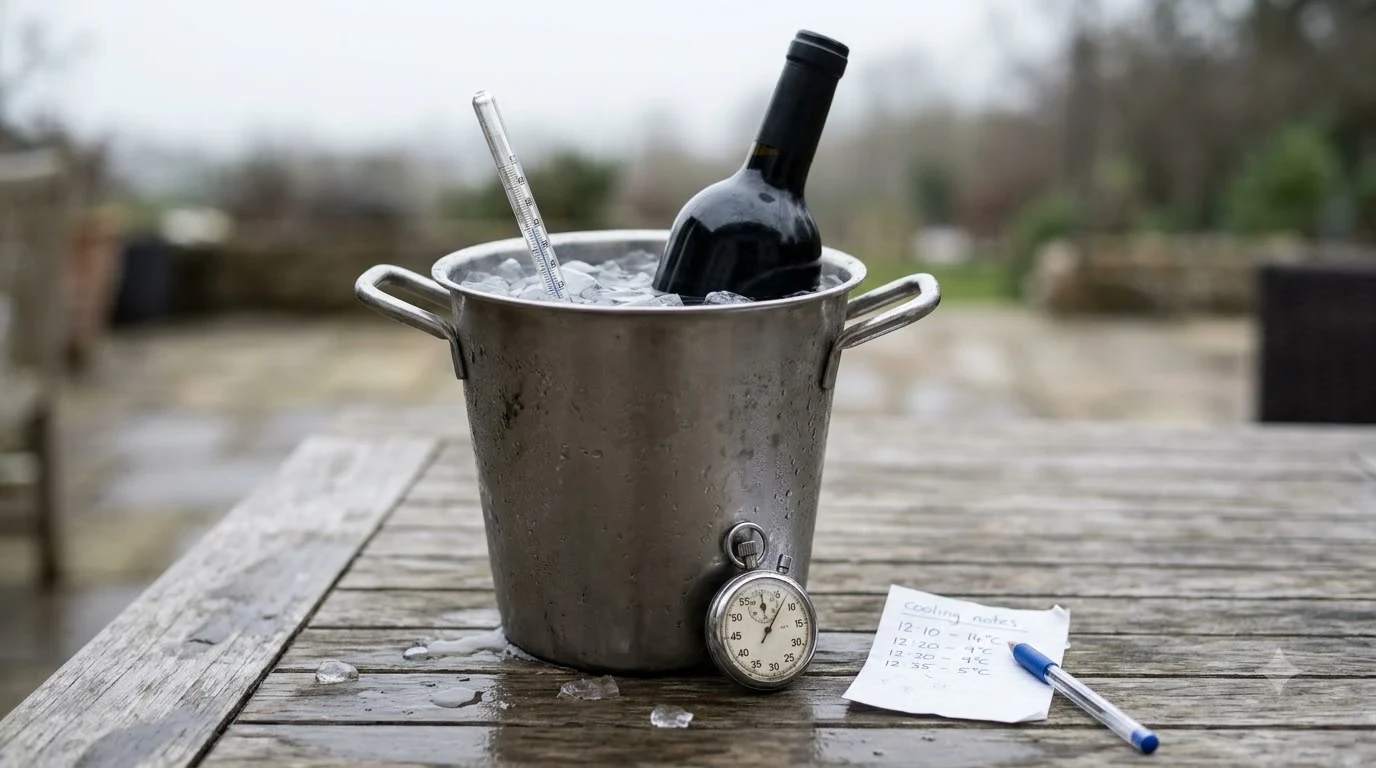
Serve Beaujolais Nouveau lightly chilled rather than at room temperature. A short time in the refrigerator before opening usually brings the wine to a pleasant, refreshing level. Serving it too warm can make the fruit feel heavy and the alcohol more noticeable.
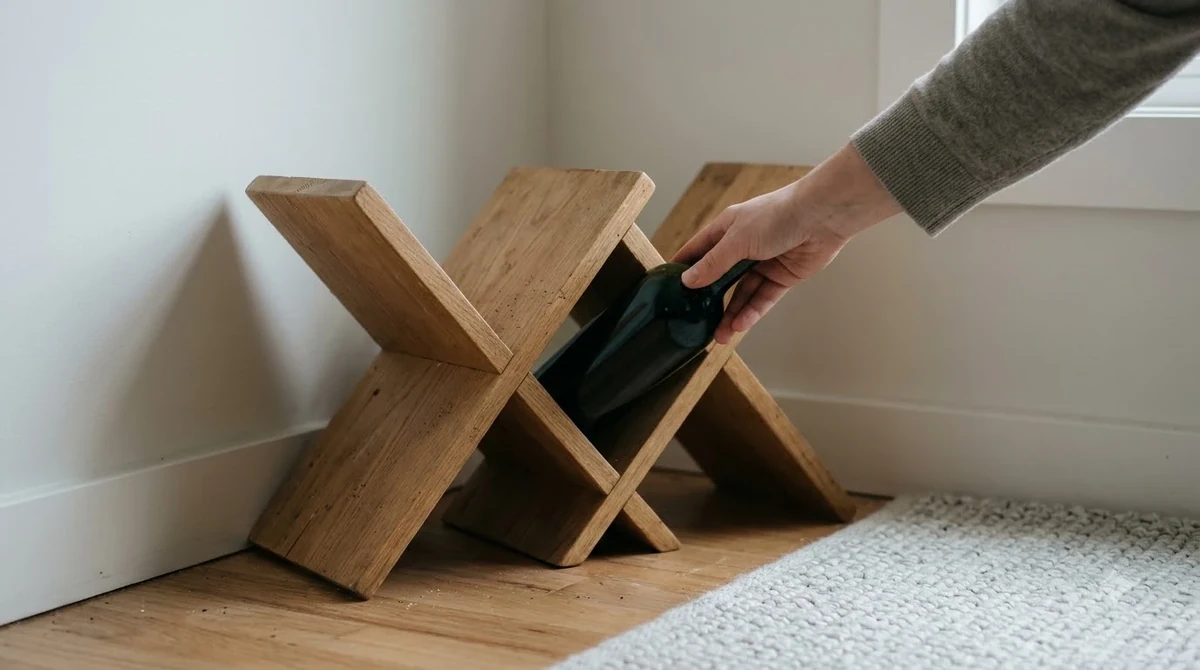
Storage matters less for this style than for a long-aging red, because the wine is meant to be drunk within a short window. Keep unopened bottles in a cool, dark place and away from heat. Once opened, reseal the bottle and refrigerate it, then finish it within a few days for the best freshness. The official Beaujolais site includes a tip on preserving Beaujolais wines, and it is worth reading before you store a bottle.
Tip: Pour smaller glasses, chill the bottle before the gathering, and keep a second bottle cool rather than opening everything at once.
Where to Buy and What to Expect on Price
Beaujolais Nouveau is sold mainly during the release season, so shoppers usually find it in wine shops, grocery stores and restaurants in the weeks around the November release. Availability depends on your state and local retailers, so check with stores near you before the release date. Stock can sell out quickly in busy weeks.
Pricing varies by retailer, region and season, so this guide does not list costs. Compare labels with a store clerk or an online retailer that shows current details. The Georges Duboeuf Beaujolais Nouveau page lets visitors confirm the current vintage name on the label before you buy.
Frequently Asked Questions
When is Georges Duboeuf Beaujolais Nouveau released?
The release follows the Beaujolais Nouveau tradition, which the Georges Duboeuf house describes as happening every third Thursday of November. Check the current year’s release date on the brand’s official website. Release timing is tied to the annual calendar rather than a fixed date.
Is Beaujolais Nouveau meant to be aged?
No, Beaujolais Nouveau is made to be enjoyed young. It is designed for fresh fruit and early drinking, so long aging is not part of its appeal. Most people drink it within a short period after purchase.
Should Beaujolais Nouveau be served chilled?
Yes, a lightly chilled serve is the usual recommendation for this style. Cooling the wine a little brings out its fresh fruit and keeps it refreshing. Avoid serving it warm, since that can make the wine taste heavier.
What grape is used in Georges Duboeuf Beaujolais Nouveau?
The wine is made from Gamay, the main red grape of the Beaujolais region. The grape gives the wine its bright red fruit and soft texture. Always check the label for details about the specific bottling you are considering.
Georges Duboeuf Beaujolais Nouveau is a good entry point into a simple, seasonal style of red wine. If you want to explore more producers, the wine brands guide covers other names you may see on shelves. Serve it lightly chilled, pair it with everyday food, and enjoy it while it is fresh.
More in Wine Brands
 Underwood Wine Price: Compare Bottles, Cans, and Pack SizesUpdated Nov 21, 2026
 Zenato Wine Price: Compare Styles and Choose the Right BottleUpdated Nov 21, 2026
 Zuccardi Wine Price: Compare Bottles and Find the Right RangeUpdated Nov 21, 2026
 Yellow Tail Moscato Review: Taste, Sweetness and Serving TipsUpdated Nov 21, 2026
 Wolf Blass Yellow Label Review: Choose Your Best StyleUpdated Nov 21, 2026
 Wolffer Estate Rose Review: Choose the Right Bottle for Your TableUpdated Nov 21, 2026