

We may earn a commission when you buy through links on this page, at no extra cost to you. Learn more.
Beaujolais wine is a red from a small region in eastern France, between Burgundy and the Rhône, made almost entirely from the Gamay grape. It comes in three tiers: basic Beaujolais, Beaujolais-Villages and the ten Cru villages. The wines are light and fruity at the base level and become more structured and terroir-driven as you move up to the crus.
Beaujolais is one of the most approachable red wine regions in France. Its wines are fresh, fruity and easy to drink, yet the best crus can age and show real depth. This guide explains where Beaujolais is, how its grape and tiers work, what the ten crus taste like, and how to pick a bottle that suits the meal you are planning.
Where Beaujolais is and what it produces
Beaujolais is a small region that lies between Mâcon and Lyon, with most of its vineyards in the Département du Rhône. It sits south of Burgundy, and its wines are often grouped with Burgundy on store shelves, although the grape and style are quite different. The region produces mostly red wine, and almost all of its red vineyard is planted to a single variety.
The Wine Society’s regional guide notes that Chardonnay is also grown in Beaujolais, mainly for white Beaujolais and for crémant de Bourgogne. Red wine is the heart of the region, though, and that is where most of its reputation sits. Each village’s position and vineyards help shape the fruit and the character of its wines.
Gamay: the grape behind Beaujolais
Gamay is the grape that defines Beaujolais. It is a red grape that produces wines with bright red fruit, soft tannins and a lively acidity. Unlike the firm, structured reds of Bordeaux, Gamay wines are generally low in tannin, which is why they are often served slightly cool and enjoyed young.
Gamay’s fruit character is the main reason Beaujolais tastes so approachable. Flavors often include cherry, raspberry and a floral note, with a subtle earthiness in the best examples. Because the fruit is the main draw, the focus of most Beaujolais stays on freshness and purity rather than on oak.
The three tiers: Beaujolais, Beaujolais-Villages and Crus
Beaujolais wines fall into three main tiers, and the label tells you which one you are buying. The basic tier is the most widely made, and the Crus sit at the top of the quality ladder. The Wine Society notes that the first two tiers are each produced in roughly 40 million bottles a year, which shows how much of the region’s output is in the everyday style.
| Tier | Where it comes from | General style |
|---|---|---|
| Beaujolais | Mostly the southern part of the region | Light, fresh and fruity, meant for drinking young |
| Beaujolais-Villages | 38 northern parishes | A step up, with more depth than basic Beaujolais |
| Cru Beaujolais | Ten named villages | Medium-bodied and terroir-driven, with the most aging potential |
Crus bottle under the village name rather than “Beaujolais,” which is a useful clue when you are shopping. Basic Beaujolais and Beaujolais-Villages are the wines to try first for everyday drinking, while the crus are better when you want to explore how a specific village expresses Gamay.
The ten crus and their styles
The ten crus are the highest-rated expressions of Beaujolais, and each village has its own personality. The Wine Society lists Saint-Amour, Juliénas, Chénas, Moulin-à-Vent, Fleurie, Chiroubles, Morgon, Régnié, Brouilly and Côte de Brouilly as the ten crus, and all of them produce red wine only.
- Fleurie is known for a floral, silky style.
- Morgon is dense and rich, and it is one of the crus that can age the longest.
- Moulin-à-Vent is the most structured of the group and the least like a typical Beaujolais, according to the same guide.
- Chiroubles is a light, delicate cru that is best enjoyed fresh.
- Brouilly and Côte de Brouilly are versatile, bistro-friendly reds with good fruit.
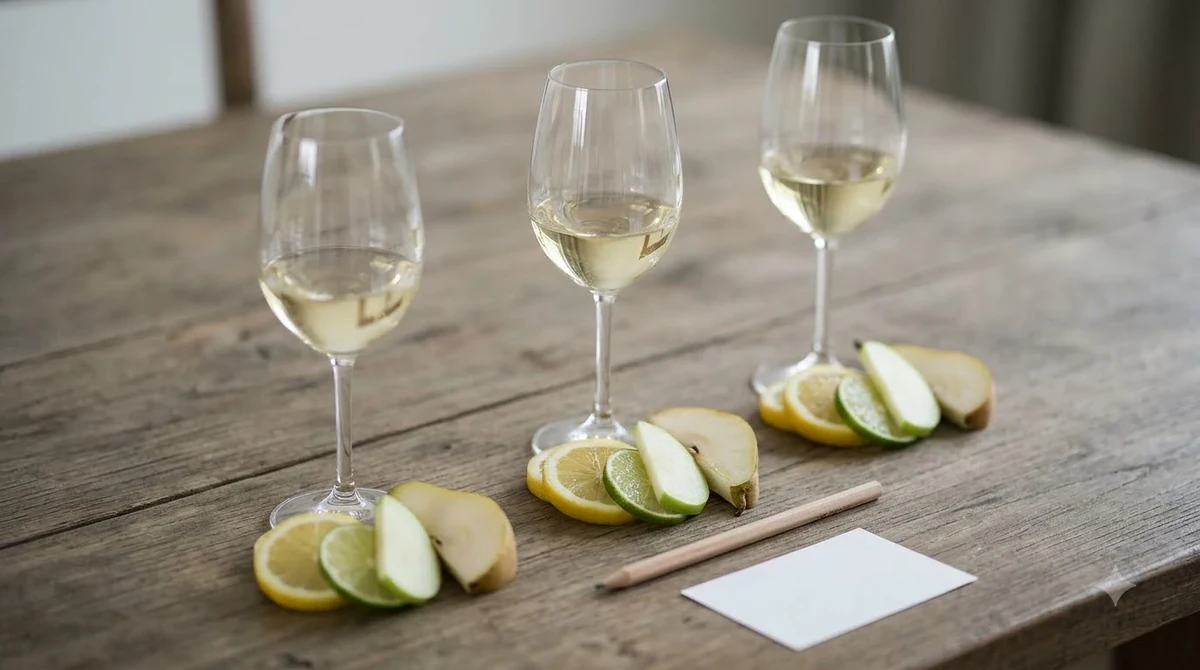
The other crus, including Saint-Amour, Juliénas, Chénas and Régnié, each offer their own balance of fruit and firmness. Trying two or three villages side by side is the quickest way to learn how much the terroir matters in Beaujolais.
Food pairing and serving Beaujolais
Beaujolais is a food wine, and its freshness and fruit suit simple, hearty dishes. The Wine Society suggests Juliénas with steak and chips, and describes Brouilly as the classic bistro wine for steak-frites. Régnié is also noted as a good partner for food. The wine’s moderate tannin makes it easier to match with grilled meats, roast poultry and charcuterie than heavier reds.
Serving temperature matters for Beaujolais. The guide advises drinking Chiroubles “just on the cool side,” and a slight chill helps the fruit stay lively. Most Beaujolais tastes best when it is served a little cooler than a big Bordeaux but not ice cold, so the aromas can still open up in the glass.
How long to age Beaujolais
Most Beaujolais is made to be drunk young, but some bottles keep well. Morgon can age for up to ten years. Moulin-à-Vent needs about a year after the harvest before it is at its best, and it ages well. Chénas, Côte de Brouilly and Fleurie also keep for several years, while Juliénas is generally ready early and is usually kept for three or four years at most.
If you are unsure how long to hold a bottle, start with a young Beaujolais-Villages or basic Beaujolais to learn the style, then age a cru to see the difference. For a broader look at how wine ages, our guide to wine regions explains how climate and soil shape a wine’s future.
How to choose a Beaujolais bottle
Start with the tier that fits your plans. If you want a casual red for a weeknight, a basic Beaujolais or Beaujolais-Villages is an easy choice. If you are serving a meal or want to explore the region, pick a cru that matches the food: a lighter cru for lighter dishes and a fuller one for roast meats or steak.
It also helps to know your style preference. Fleurie and Chiroubles lean floral and light, while Morgon and Moulin-à-Vent are richer and more structured. Beaujolais from the top crus can be a useful alternative to a Burgundy or Bordeaux when you want something fresh but serious. Compare a few bottles from the same village to find the one that suits your palate.
Frequently Asked Questions
What grape is used in Beaujolais wine?
Beaujolais red wine is made almost entirely from Gamay. Chardonnay is also grown in the region, mainly for white Beaujolais and crémant de Bourgogne.
Is Beaujolais the same as Burgundy?
No. Beaujolais lies south of Burgundy and uses the Gamay grape for its reds, while Burgundy is known mainly for Pinot Noir and Chardonnay. The two regions share a border area but produce wines with very different styles.
Which Beaujolais cru ages the longest?
Morgon is noted for its ability to age up to ten years. Moulin-à-Vent is also described as age-worthy and well structured, so both are good choices for cellaring.
What should I serve with Beaujolais?
Steak and chips is a classic match, especially with Brouilly or Juliénas. The wines also suit roast poultry, grilled meats and charcuterie, and a slight chill helps them shine at the table.
Beaujolais offers a clear path from everyday drinking to serious cru wines, all from one grape and one region. Start with a basic bottle to learn the style, then explore the crus to find the village that suits you best. For more on how regions shape flavor, see the Bordeaux wine guide for a comparison with a very different red style.
More in Wine Regions
 Willcox Wine Trail: Discover Arizona’s High-Elevation Wine CountryUpdated Nov 20, 2026
 Yakima Valley Wine Region: Find the Best Styles to TryUpdated Nov 20, 2026
 Vosne Romanee Wine Tasting: Identify Aromas and Choose Better PairingsUpdated Nov 20, 2026
 Yakima Valley Wine Festival: Find the Best Seasonal Wine EventsUpdated Nov 20, 2026
 Wales Vineyards: Discover Cool-Climate Wines and Where to VisitUpdated Nov 20, 2026
 Yountville Wine Festival: Discover Napa Wines and Local FoodUpdated Nov 20, 2026