

We may earn a commission when you buy through links on this page, at no extra cost to you. Learn more.
Gamay wine is a light, fruity red made mainly from the Gamay grape in France’s Beaujolais region, and it tastes best slightly chilled. Its low tannin and bright acidity make it one of the easiest red wines to pair with food. Styles range from fresh, youthful bottles to structured Cru Beaujolais that can age for years.
This guide explains what gamay wine tastes like, where it comes from, how the main styles differ, and how to serve and pair it. It also compares gamay with pinot noir so you can decide whether it suits your taste.
What Gamay Wine Is and Where It Comes From
Gamay wine is a dry red made from the Gamay grape, which is grown most famously in Beaujolais, the region in eastern France just south of Burgundy’s Côte d’Or. Wine Folly notes that the grape is also sold as Gamay Noir and that Beaujolais is the place where it thrives. Most of the region’s red wine is made from Gamay, so the grape is the backbone of Beaujolais and of most Beaujolais bottles you will see on shelves.
Gamay is a close relative of pinot noir. Both are thin-skinned red grapes that produce light-bodied wines, and people often mistake one for the other when they first taste them. The difference is mostly in the flavor. Gamay usually tastes fruitier and a little earthier, and it has less of the silky, layered texture that many pinot noirs have. If you like pinot noir but want something brighter and easier to drink with a casual meal, gamay is often the better choice.
Flavor Profile and the Main Styles
Gamay is defined by red fruit. Cherry is the most common note, and cranberry, raspberry and strawberry show up often. Many bottles also have an earthy, herbal edge that keeps the fruit from tasting sugary. Wine Folly’s guide to light red wines describes Gamay as earthy with cherry and herb notes, and says some wines carry a banana-like aroma. That aroma comes from carbonic maceration, a winemaking method in which whole grape clusters ferment inside their own berries. It is widely used in Beaujolais and gives the wine its soft, juicy character.
Gamay wines fall into three broad groups, and the group tells you how the bottle will taste and how long to keep it.
| Style | What to expect | Best time to drink |
|---|---|---|
| Beaujolais Nouveau | Very light, bright fruit, with the banana-like note often most noticeable | A few months after its late-autumn release |
| Regional Beaujolais | Fresh cherry and red berry, soft tannin, easy to drink | Within a year or two of bottling |
| Cru Beaujolais (for example Morgon or Fleurie) | Deeper fruit, more earthy structure, and more tannin | Several years, and some bottles can age longer |
Beaujolais Nouveau is released in the fall and is made to be enjoyed young. Regional Beaujolais covers the everyday bottles from across the appellation and is best opened within a year or two. Cru Beaujolais comes from ten named villages with their own soils and exposures. These wines have more depth and firmer structure, and they reward a few years of cellaring. For most drinkers, a regional bottle is the best starting point, and a Cru is worth buying once you know which village style you like.
How to Serve Gamay Wine
Serve gamay slightly chilled, at about 54 to 59 degrees Fahrenheit, according to Wine Folly. Warm room temperature can make the wine taste flat and dull its fruit, which is one of the most common reasons people decide they dislike gamay. A short stop in the refrigerator before pouring usually brings the wine into balance, especially for young Beaujolais.
Gamay rarely needs decanting. Young bottles are meant to be opened and poured, and the fruit is the main pleasure. A medium-sized wine glass with a rounded bowl lets the aromas gather without pushing the fresh fruit aside. Cru Beaujolais can benefit from a little air after opening, but there is no need to fuss over it. Once opened, a bottle keeps well for a day or two when it is covered and kept cool, which suits a relaxed glass with dinner over several evenings. Because the wine is light, it also works well as a lower-alcohol choice for an evening when you want a red without a heavy, warming finish.
Food Pairings for Gamay Wine
Gamay’s acidity and soft tannin make it a flexible partner at the table. It works with dishes that are too delicate for a heavier red such as a cabernet sauvignon wine, and it has enough fruit to stand up to roasted and grilled food. The wine’s fresh finish also helps cut through rich and fatty dishes.
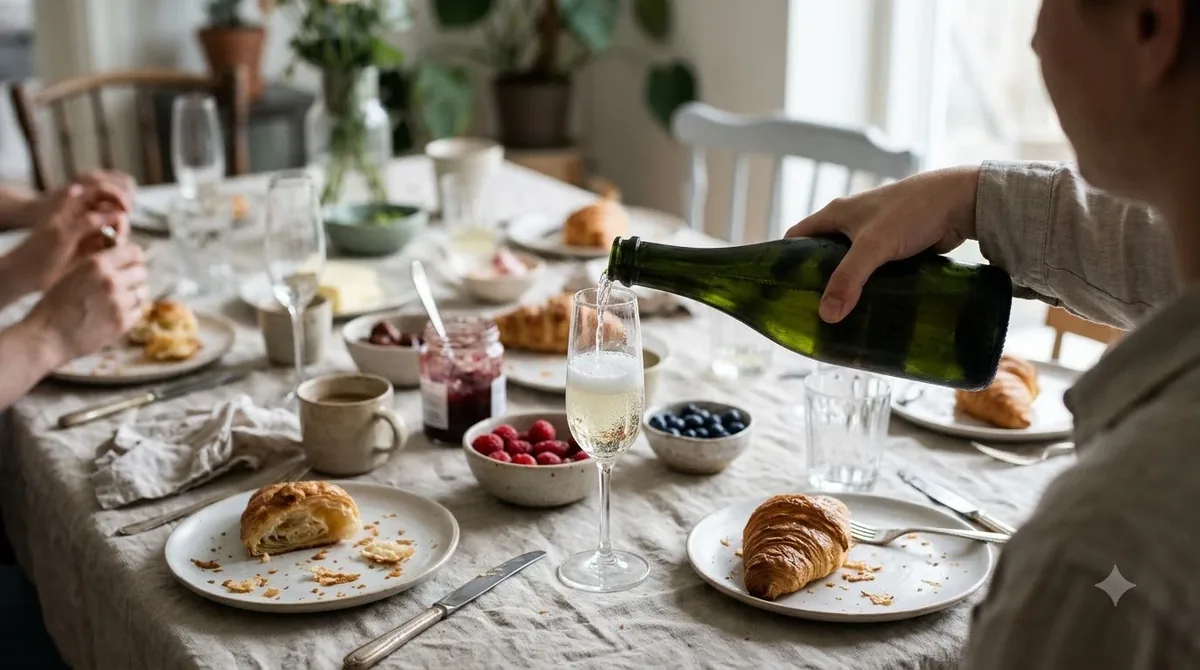
Good matches include roast chicken, grilled pork sausages, charcuterie and pâté, mushroom dishes, and salmon. Earthy vegetables such as roasted root vegetables and lentils also work well. Tomato-based dishes are another strong match because the acidity keeps the sauce from feeling heavy. For a simple rule, pair a fresh regional Beaujolais with lighter meals, and reserve a Cru Beaujolais for richer roasts or a cheese course with firm, aged cheese.
Gamay also suits casual occasions. It is an easy wine to bring to a picnic or a weeknight dinner, and it is a sensible choice when you want a red that will not overwhelm the table, and it can be served with a wide range of cuisines without clashing with the spices.
How to Choose a Gamay Bottle
When you shop, start with the label. A bottle that says Beaujolais or Beaujolais Nouveau is the most accessible choice, and a village name such as Morgon, Fleurie or Brouilly points to a Cru with more depth. Look at the vintage date as well, because a young Beaujolais tastes best within a year or two of bottling, while a Cru can keep improving. If you want a wine that is fresh and fruity and a bit sweeter on the palate, a bottle of moscato wine may suit you better, though it is a different style with much more sugar.
Ask the shop staff or a sommelier which Beaujolais suits your meal. Many shops keep a few regional and Cru bottles side by side, and a short comparison of two or three bottles is often the fastest way to learn which style you enjoy. For a broader overview of how grapes and regions shape the wines on the shelf, the Wine by Type section is a useful reference.
Frequently Asked Questions
Is gamay wine sweet?
Most gamay wine is dry. Its fruit can taste ripe and juicy, which some people read as sweetness, but the residual sugar in a typical Beaujolais is very low. If you want a clearly sweet red, look for a different style instead.
Is gamay the same as pinot noir?
No, although the two are closely related. Gamay usually tastes fruitier and earthier, and it tends to have a lighter texture. Pinot noir often feels silkier and can show more complex flavors with age.
Can you age gamay wine?
Most gamay is meant to be drunk young, within a year or two of bottling. Structured Cru Beaujolais from villages such as Morgon can improve for several years when stored in a cool, dark place.
What is the best way to serve gamay at a party?
Chill the bottle briefly before serving and pour it into medium-sized glasses. Gamay is easy to share with a mix of foods, from cheese and cured meats to roasted vegetables, so it works well when guests have different tastes.
Gamay is one of the most approachable reds you can drink. Start with a regional Beaujolais, serve it slightly cool, and pair it with simple food. Once you know the style, a Cru Beaujolais is a natural next step to explore.
More in Wine Types & Grapes
 Zinfandel Sugar Content: Dry Red vs. White Zinfandel GramsUpdated Nov 21, 2026
 Best Zinfandel Substitute Options for Sipping and CookingUpdated Nov 21, 2026
 Zweigelt Food Pairing: Best Dishes, Cheeses, and Serving TipsUpdated Nov 21, 2026
 Zinfandel Tannins Explained: How Structure Shapes Every BottleUpdated Nov 21, 2026
 Zinfandel Sweetness Level: Dry Red vs. Sweet White Zin ExplainedUpdated Nov 21, 2026
 Xinomavro Food Pairing: Best Dishes, Styles, and Serving TipsUpdated Nov 21, 2026