

We may earn a commission when you buy through links on this page, at no extra cost to you. Learn more.
barefoot bubbly alcohol content varies by style, with commonly listed U.S. examples ranging from 9.5% to 11.5% ABV. Pink Moscato is listed at 9.5%, Moscato Spumante and Brut Cuvée at 10.5%, and Brut Rosé at 11.5%. That means the name Barefoot Bubbly alone does not tell you the exact strength; the specific variety does. The figures below make it easier to compare the best-documented bottlings.
Barefoot Bubbly is a California sparkling-wine range rather than one single wine with one fixed alcohol level. Its sweeter fruit-forward styles and drier sparkling styles can differ in both taste and ABV, so it helps to separate the varieties before choosing a bottle for brunch, dessert, or a celebration.
Barefoot Bubbly Alcohol Content by Variety
The most useful quick answer is 9.5% to 11.5% ABV across four commonly listed varieties. Pink Moscato sits at the lower end of that range, while Brut Rosé is higher; two other documented styles fall between them at 10.5%.
These figures come from U.S. product listings and published reviews for the named bottlings. They are a practical comparison, not a guarantee that every bottle in every market has an identical formula.
| Barefoot Bubbly variety | Reported ABV | Style cue |
|---|---|---|
| Pink Moscato | 9.5% | Sweet, fruity sparkling rosé |
| Moscato Spumante | 10.5% | Sweet, floral sparkling wine |
| Brut Cuvée | 10.5% | Drier sparkling blend |
| Brut Rosé | 11.5% | Drier rosé sparkling wine |
Tastings’ Pink Moscato review reports 9.5% ABV, and its reviews list Moscato Spumante at 10.5% and Brut Rosé at 11.5%. Wine Enthusiast’s Brut Cuvée review lists that bottling at 10.5%. The 2-percentage-point spread is useful when comparing equal-size pours, but it does not tell you which wine tastes sweeter or feels lighter.
How the Main Varieties Differ
The product name gives a useful clue about flavor and sweetness, while the reported ABV tells you the alcohol concentration. Pink Moscato, Moscato Spumante, Brut Cuvée, and Brut Rosé are not interchangeable styles, even though each belongs to the same sparkling range.
Barefoot describes its Pink Moscato as a sparkling wine with candied cherry and ripe raspberry accents, fine bubbles, and a creamy finish. A published review also describes peach, watermelon, and raspberry-candy notes, and categorizes the wine as off-dry. Those fruit cues make it a natural match for berry desserts, fruit-forward brunch dishes, and mild appetizers that will not overwhelm its sweetness.
Moscato Spumante is the floral, sweet-leaning option among the varieties listed here. A tasting review records aromas of white flowers, lemon, green apple, and peach, with an ABV of 10.5%. It can suit fruit tarts, almond cookies, or a brunch plate with fresh peaches; the citrus-like notes help keep the pairing from feeling too heavy.
Brut Cuvée and Brut Rosé move toward a drier profile. Wine Enthusiast lists Brut Cuvée at 10.5% ABV and describes green apple, pear, melon, and a crisp, dry finish. Tastings lists Brut Rosé at 11.5% ABV. The rosé color does not mean the wine is automatically sweeter than Brut Cuvée, and the word “Brut” is a sweetness-style term rather than an alcohol rating.
Color alone does not define the style: Pink Moscato and Brut Rosé are both pink-hued, but one is sweeter and the other carries a Brut designation. Moscato Spumante and Brut Cuvée share a 10.5% listing while delivering very different sweetness impressions.
What ABV Measures and What It Does Not
ABV means alcohol by volume: the percentage of a drink’s volume that is pure alcohol. A wine listed at 10.5% ABV contains 10.5 parts alcohol in every 100 equal parts of wine by volume, so the number describes strength, not sweetness, acidity, bubbles, or calories.
Fermentation creates wine alcohol as yeast converts grape sugars into alcohol and carbon dioxide. The final level depends on the starting juice, fermentation choices, and the finished blend, which is why one brand can offer wines at 9.5%, 10.5%, and 11.5% rather than using one number for every bottle.
Sweetness and alcohol are related to winemaking but are not the same measurement. A wine can taste sweet because it retains sugar, even if its ABV is lower than a drier wine. The Barefoot examples show this clearly: Pink Moscato is reported at 9.5%, while Brut Rosé is reported at 11.5%; the drier-sounding Brut name does not mean the wine has less alcohol.
The wording on sparkling labels can also confuse shoppers. In the usual sparkling-wine sweetness sequence, Brut Nature is driest, followed by Extra Brut, Brut, Extra Dry, Dry, Demi-Sec, and Doux. Extra Dry is actually sweeter than Brut, despite what the everyday meaning of “extra dry” might suggest. These terms describe perceived or regulated sweetness bands, not ABV bands, so an Extra Dry bottle is not automatically lower in alcohol than a Brut bottle.
Compare two separate details when choosing: the style term for sweetness and the ABV figure for alcohol concentration. Brut Cuvée and Moscato Spumante both list 10.5%, but their flavor profiles differ; a sweeter wine does not automatically contain more alcohol.
How Much Alcohol Is in a Glass or Bottle?
A standard 750-milliliter wine bottle holds about five U.S. pours when each glass contains 5 ounces. Using the reported 9.5% to 11.5% range, the alcohol concentration stays the same from glass to glass, but the total alcohol served increases with the pour size and the number of glasses.
By simple volume calculation, a 5-ounce pour contains about 0.475 fluid ounce of pure alcohol at 9.5% ABV, 0.525 fluid ounce at 10.5%, and 0.575 fluid ounce at 11.5%. These amounts are calculations from the stated percentages, not separate laboratory measurements of a particular glass.
A 750 mL bottle holds approximately 25.4 U.S. fluid ounces, or about five 5-ounce glasses. Four larger pours would be about 6.35 ounces each, while six smaller pours would be about 4.2 ounces each. The ABV stays constant; the amount of alcohol in each serving changes with the pour.
Barefoot Bubbly Pink Moscato is also sold in a 187 mL single-serve format in addition to the 750 mL bottle on the brand’s product page. That smaller bottle contains roughly one quarter of the volume of a standard 750 mL bottle. It is a convenient format for an individual serving, but its alcohol percentage is still determined by the wine inside, not by the package size.
For a group, use a measured 5-ounce pour rather than filling each glass to the rim. Pour slowly into a clean flute or white-wine glass, pause as the foam settles, and top up to the serving line. This keeps portions consistent and leaves room for the bubbles.
Choosing Barefoot Bubbly for Your Taste
Choose by sweetness first, then use ABV to compare strength. Pink Moscato is the fruitier, sweeter option at 9.5% in the cited review, Moscato Spumante is a floral 10.5% style, and the Brut bottlings suit drinkers who prefer a drier finish.
For a dessert pairing, match the wine’s sweetness to the food or make the wine slightly sweeter than the dessert. Pink Moscato can work with strawberry shortcake, peach cobbler, vanilla cake, or a bowl of fresh berries. Moscato Spumante can accompany apricot pastries and almond cookies. A dessert that is much sweeter than the wine can make the sparkling wine taste sharp or thin, so the sweetness match is more important than choosing the highest ABV.
For savory food, Brut Cuvée and Brut Rosé can be easier options with salty snacks, fried appetizers, soft cheeses, and lightly seasoned seafood. Acidity and bubbles help refresh the palate after buttery or salty bites. Keep chile heat moderate, because alcohol and tannin can make chili sensations seem hotter; with spicy dishes, a fruity and lower-alcohol style such as Pink Moscato may be a more comfortable match than a high-alcohol, tannic red wine.
Match the occasion to the menu. Pink Moscato at 9.5% suits a fruit-led brunch or casual toast; Brut Cuvée at 10.5% gives a drier option for a cheese plate, while Brut Rosé at 11.5% adds a pink color and more alcohol by volume. The best choice depends on the finish and flavor you want.
If you are comparing sparkling wine with still wine, look at both the style and the listed ABV rather than assuming the bubbles mean more alcohol. A reader comparing a sweet red can use the separate guide to barefoot sweet red alcohol content for a still-wine reference. For a white-wine comparison, the guides to Black Box Pinot Grigio alcohol content and Cavit Pinot Grigio alcohol content show why producer and bottling matter across a grape category. The broader Wine Brands section can help you compare other labels without treating every wine from a producer as one uniform style.
Serving Temperature, Pairing, and Storage
Serve Barefoot Bubbly well chilled so its bubbles feel lively and its fruit does not seem heavy. A practical target for sparkling wine is 40°F to 50°F, which is colder than the usual serving range for full-bodied white wine or red wine.
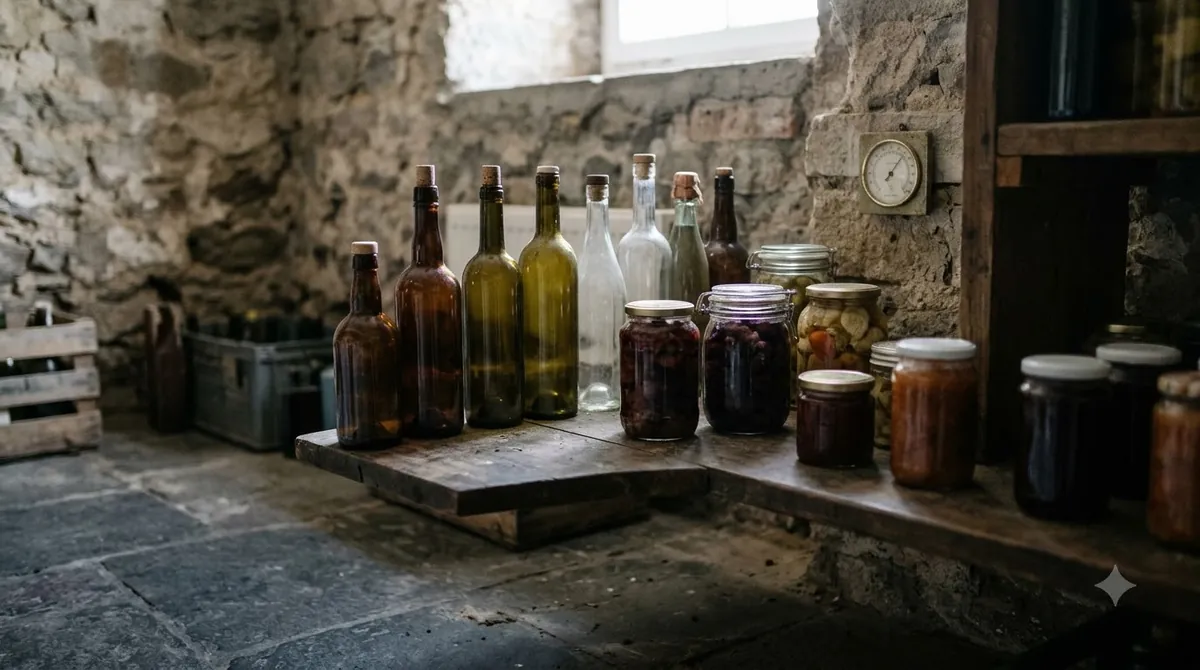
Chill the bottle in a refrigerator before serving, then open it carefully. Sparkling wine is pressurized, so keep the bottle pointed away from people, remove the foil and wire cage while holding the cork, and twist the bottle rather than pulling hard on the stopper. A slow release is safer and preserves more bubbles than a loud pop. Do not shake the bottle before opening.
Temperature affects the flavor impression. At 40°F to 50°F, the wine feels crisp and refreshing, and sweetness can seem less pronounced than in a warm glass. If the aromas seem muted, let a small pour sit for a minute or two before sipping.
Use food that fits the style. Pink Moscato’s berry and candied-fruit profile can complement strawberries, melon, fruit salad, or mildly spicy appetizers. Moscato Spumante’s floral and peach notes work with peach desserts, fresh fruit, and lightly sweet brunch dishes. Brut Cuvée and Brut Rosé are better suited to salty potato chips, mild cheeses, shrimp, or fried appetizers where a crisp finish can refresh the palate between bites.
After opening, reseal the bottle with a sparkling-wine stopper and return it to the refrigerator promptly. For best bubble quality, plan to finish sparkling wine within 1 to 3 days; pressure and fizz fade as the bottle sits, even when it remains cold. A regular flat-wine stopper may slow aroma loss but will not hold carbonation as well as a stopper made for sparkling wine.
Tip: Chill the bottle to 40°F to 50°F, pour 5 ounces at a time, and use a sparkling-wine stopper for leftovers. The smaller, measured pour keeps the bubbles in the glass and makes the amount served easier to track.
Before opening, keep the bottle in a cool, dark place away from temperature swings, direct sun, and vibration. A cellar near 55°F is a useful general storage target; sparkling wine intended for near-term drinking does not need extended aging. Avoid repeatedly warming and re-chilling the bottle.
Frequently Asked Questions
The key details are the variety, the ABV printed for that bottling, and the size of the pour. These answers address common questions that come up when comparing Barefoot Bubbly styles and serving them.
Is Barefoot Bubbly stronger than regular Barefoot wine?
There is no single comparison because the still-wine lineup includes different bottlings, including Chardonnay and Pinot Noir. A sparkling wine is not automatically stronger or weaker than a still wine; the comparison has to be made between two named bottles. Use each wine’s own ABV rather than relying on the Barefoot name alone.
Which Barefoot Bubbly has the lowest alcohol content?
Among the four U.S. examples compared here, Pink Moscato is lowest at 9.5% ABV. The published review also suggests pairings such as BBQ chicken, Pad Thai chicken, and chicken fajitas, showing that the wine’s fruit sweetness can work with savory dishes. That pairing note does not change the alcohol percentage.
Does Barefoot Bubbly Moscato taste sweeter than Brut?
Yes, Moscato Spumante is the sweeter, more floral style, while Brut Cuvée is intended to finish drier. The Moscato Spumante product description also recommends it for cocktails such as mimosas and mentions sweet desserts and spicy dishes as pairings. Both varieties can list 10.5% ABV despite their different sweetness levels.
How many calories are in Barefoot Bubbly?
Calories are not determined by ABV alone. Residual sugar and serving volume also affect the total, so a 5-ounce glass of Pink Moscato cannot be assumed to match a 5-ounce glass of Brut Cuvée. The Pink Moscato review reports a separate residual-sugar figure of 7.6, which is a sweetness measure rather than another alcohol percentage.
Does Barefoot Bubbly need to be refrigerated after opening?
Yes. Keep the opened bottle in the refrigerator with a sparkling-wine stopper fitted, and aim to use it within 1 to 3 days for the best remaining carbonation. Avoid forcing the original cork back into the neck after it has been removed; a reusable stopper made for sparkling bottles is designed to secure the opening. Refrigeration cannot restore bubbles that have already escaped.
Barefoot Bubbly does not have one universal alcohol percentage: the cited varieties range from 9.5% for Pink Moscato to 11.5% for Brut Rosé, with two other examples at 10.5%. Use the variety name to identify the style, compare ABV for strength, and serve the wine cold in measured pours. The best bottle is the one whose sweetness and finish fit the food and the occasion.
More in Wine Brands
 Underwood Wine Price: Compare Bottles, Cans, and Pack SizesUpdated Nov 21, 2026
 Zenato Wine Price: Compare Styles and Choose the Right BottleUpdated Nov 21, 2026
 Zuccardi Wine Price: Compare Bottles and Find the Right RangeUpdated Nov 21, 2026
 Yellow Tail Moscato Review: Taste, Sweetness and Serving TipsUpdated Nov 21, 2026
 Wolf Blass Yellow Label Review: Choose Your Best StyleUpdated Nov 21, 2026
 Wolffer Estate Rose Review: Choose the Right Bottle for Your TableUpdated Nov 21, 2026