

We may earn a commission when you buy through links on this page, at no extra cost to you. Learn more.
Amarone vs Valpolicella comes down mainly to grape drying: Amarone is made from partially dried grapes and is fuller, warmer, and more concentrated, while standard Valpolicella is made from fresh grapes and is lighter, brighter, and more refreshing. Both come from the hills around Verona in Italy’s Veneto region and rely on local varieties such as Corvina, Corvinone, and Rondinella. Choose standard Valpolicella for lively cherry fruit and everyday meals; choose Amarone for a richer red with dried-fruit depth and a more contemplative pace.
The names can be confusing because Amarone della Valpolicella and Valpolicella share a place, grape varieties, and a family resemblance, but they are not interchangeable styles. The key decision is how much concentration and weight you want in the glass. It also helps to understand the labels between the two, especially Valpolicella Superiore and Valpolicella Ripasso, which offer different levels of body without becoming Amarone.
How Fresh Grapes and Appassimento Shape the Wines
The defining difference is the condition of the grapes before fermentation. Standard Valpolicella is generally made from freshly harvested grapes, while Amarone is made from selected bunches that are dried after harvest through a traditional process called appassimento.
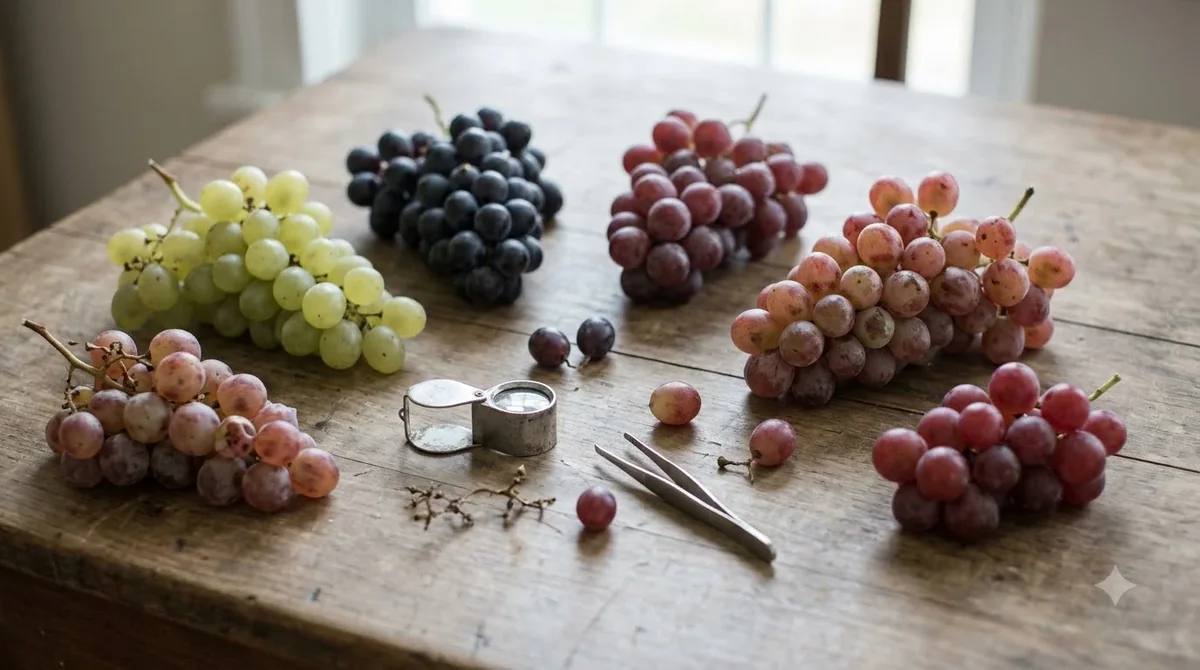
For Amarone, growers place bunches in well-ventilated drying rooms called fruttai, often on racks or in shallow crates. The Valpolicella wine consortium describes a typical drying period of about 100 to 120 days; its broader explanation of appassimento says the bunches can lose roughly 30 to 50 percent of their weight. Removing water concentrates the juice and changes the grape’s aromas and phenolic structure. The fruit develops flavors associated with dried cherries, prunes, and warm spice, rather than only the fresh red-berry notes typical of a young Valpolicella.
After drying, the Amarone grapes are pressed and fermented slowly. The must contains concentrated sugars, so fermentation can produce a wine with substantially more alcohol than a standard Valpolicella. Amarone is fermented to a dry style, not made as a sweet dessert wine, although ripe fruit, alcohol, and a little residual sugar can make it seem broad and rounded. The wine then spends an extended period aging, often in wood, before release.
Standard Valpolicella usually follows a more direct route: fresh grapes are crushed, fermented, and matured for a shorter period, often in stainless steel or neutral vessels that preserve vivid fruit. That approach helps retain a light ruby color, fresh cherry and cranberry aromas, and brisk acidity. In short, Amarone’s intensity is not simply a matter of leaving ordinary Valpolicella in a barrel longer; it begins with a different raw material.
Grapes, Verona, and the Appellation Names
These wines come from the same wine-growing district in Veneto, north of Verona, and use a closely related group of native red grapes. The shared origin explains their family resemblance, while the production rules and place names help buyers understand what is in the bottle.
Corvina is the central variety in the region’s red blends, with Corvinone and Rondinella also playing major roles; smaller amounts of other permitted local grapes may appear. VinePair notes that standard Valpolicella DOC rules specify 45 to 95 percent Corvina, with Rondinella making up 5 to 30 percent of the blend. Corvina is associated with bright cherry character and freshness, while Corvinone can contribute deeper color and structure. These grapes provide the common flavor vocabulary even when one wine is light and the other highly concentrated.
Standard Valpolicella is the broader denomination, not just a single village or one uniform style. Within it, the historic Classico zone includes communities and valleys such as Negrar, Fumane, and Marano. Amarone may also carry the Valpantena designation or come from the extended Valpolicella area. Decanter describes broad stylistic tendencies: Classico Amarone can be more aromatic and elegant, Valpantena versions often fruitier, and wines from the extended zone can be more powerful. These are useful clues, not guarantees; producer choices and growing conditions still matter. For a concise regional overview, read Decanter’s explanation of Amarone production and regional styles.
On a label, Valpolicella DOC usually signals the fresher, more direct red. Valpolicella Superiore is a distinct designation for a wine subject to additional requirements, including at least one year of aging before release. Amarone della Valpolicella carries the DOCG designation and is a separate, more demanding style built around dried grapes. The words Classico and Valpantena identify geographic areas; they do not mean that a bottle is automatically lighter, heavier, or better than another bottle.
Flavor, Body, Alcohol, and Aging Compared
In the glass, standard Valpolicella tends to be pale to medium ruby, light- to medium-bodied, and driven by fresh red fruit. Amarone is generally deeper in color, fuller in body, higher in alcohol, and marked by dried-fruit, spice, and savory notes.
Expect sour cherry, cranberry, raspberry, and sometimes a hint of almond or herbs in a young Valpolicella. Its acidity makes the wine feel lively, and its tannins are usually modest rather than gripping. Amarone moves toward ripe or dried cherry, plum, blackberry, cocoa, tobacco, leather, and baking spice. It can feel velvety and broad, with more warmth from alcohol and a longer finish. Neither style has to taste the same from one producer to another, but the contrast is usually clear.
| Feature | Valpolicella DOC | Amarone della Valpolicella |
|---|---|---|
| Grape preparation | Fresh grapes; no extended appassimento | Partially dried grapes, typically about 100–120 days |
| Typical body | Light to medium | Full |
| Alcohol reference | Often around 11–13% ABV; varies by bottling | At least 14% ABV under the Amarone production rules |
| Common flavor profile | Sour cherry, cranberry, raspberry, herbs | Dried cherry, plum, dark berries, cocoa, spice |
| Minimum aging reference | Short maturation; Superiore requires at least 1 year | At least 2 years; Riserva at least 4 years |
| Best general role | Weeknight meals, pizza, pasta, lighter meats | Rich dinners, braises, game, aged cheese |
The figures in the table are useful orientation points, not a promise that every bottle will taste alike. Decanter gives Amarone a minimum alcohol level of 14 percent and a minimum aging period of two years, with four years for Riserva. Standard Valpolicella spans a broader range of producers and bottlings; Superiore adds time in the cellar and may show more weight, but it does not follow the Amarone appassimento process as a defining requirement.
Acidity is another point of comparison. A straightforward Valpolicella often feels especially bright because fresh fruit and lively acidity lead the profile. Amarone can also retain substantial acidity, which helps balance its concentration and alcohol. Think of the difference as freshness and lightness on one side, versus density and warmth on the other, rather than assuming Amarone is flat or sweet.
Where Ripasso and Superiore Fit
Valpolicella Ripasso sits between the fresh DOC red and Amarone in body and flavor. It is a useful option for someone who wants more depth than standard Valpolicella but does not need the full concentration and alcohol of Amarone.
For Ripasso, a base Valpolicella wine is refermented or passed over the leftover grape skins and solids from Amarone or Recioto production. VinePair explains that this second contact adds color, texture, and some dried-fruit character while keeping the bright sour-cherry notes of the original wine. The result is usually medium-bodied, with a darker profile and a little more grip than a basic Valpolicella. Ripasso is its own DOC category, not a lower grade of Amarone.
Superiore is a different label cue. It refers to Valpolicella made under additional production standards and aged for at least one year before release; it does not mean that the wine must be made by Ripasso or appassimento. A Superiore can be fresh-fruited and balanced, or richer and more oak-influenced, depending on the producer. For shoppers who like the idea of a more structured red, comparing a standard DOC with a Superiore from the same producer can reveal how much extra body comes from selection, ripeness, and cellar choices.
It is helpful to think of the four best-known regional styles as a range rather than a strict ladder. Standard Valpolicella emphasizes freshness, Ripasso adds texture, Amarone emphasizes concentration and dry richness, and Recioto is the sweet red wine made from dried grapes. The right choice depends on the occasion, not on assuming that the fullest wine must always be the best one. VinePair’s Valpolicella overview also explains how the four styles relate to one another.
Food Pairings for Each Style
Standard Valpolicella is the more flexible partner for everyday food because its bright acidity and moderate body do not overwhelm lighter dishes. Amarone works best when the meal has enough flavor, texture, and richness to meet its concentrated fruit and higher alcohol.
Pour standard Valpolicella with tomato-based pasta, pizza, roast chicken, pork, grilled vegetables, or a plate of cured meats. Its cherry-driven profile works well with tomato acidity, while its freshness cuts through the savory character of sausage and salumi. It can also pair with some seafood dishes when the preparation is not overly delicate or oily; avoid strongly tannic reds with oily fish. A young, uncomplicated Valpolicella is especially good when the meal is casual and the wine is meant to refresh rather than dominate.
For Amarone, think braised beef, lamb shank, venison, beef short ribs, mushroom-rich dishes, and aged cheeses such as Parmigiano Reggiano. Slow cooking creates savory depth that matches the wine’s dried-fruit and spice notes. Salt and fat in a dish can soften tannin, helping the wine feel smoother. A simple grilled steak can work, too, especially when the seasoning is restrained and the sides are substantial.
Be careful with very hot chili dishes and pepper-heavy sauces. Alcohol and tannin can make chili heat feel more intense, and the warmth of Amarone may magnify that effect. A moderately spiced braise or a herb-roasted meat dish is usually a safer match than a fiery sauce. For additional context on regional red-wine comparisons, see amarone vs barolo and amarone vs chianti; their grape varieties and tannin profiles create different pairing choices.
Sweetness matters if dessert is on the table: choose a wine at least as sweet as the dessert. Amarone is a dry red, so it is not a substitute for a sweet dessert wine with very sugary pastries or chocolate sauce. For a savory cheese course, however, its concentration can make a satisfying final glass.
Serving, Decanting, and Storing the Bottles
Serving temperature can make the contrast between these wines more apparent. A slight chill keeps standard Valpolicella lively, while a fuller, warmer Amarone benefits from a little more time in the glass and, when young, a short period of air.
Serve a light-bodied Valpolicella at about 55 to 60°F, rather than at a warm room temperature. If the bottle has been stored in a cool cellar, a brief rest in the refrigerator may be enough; avoid serving it icy cold, which can mute its aromas. Amarone generally suits the full-red range of 60 to 65°F. If the room is warm, a short chill before pouring can keep the alcohol from seeming too prominent.
A young, full-bodied Amarone can benefit from 30 to 60 minutes in a decanter. This gives the wine room to open and allows some sediment to remain behind if the bottle has age. Most young Valpolicella does not need decanting; opening it shortly before dinner is usually sufficient. Use a large-bowled red-wine glass for Amarone so its dried-fruit and spice aromas have room to develop.
Tip: Pour a measured 5-ounce serving when comparing the two styles side by side. A standard 750-milliliter bottle yields about five such glasses, making it easy to compare aroma, body, and finish without overserving either wine.
Store unopened bottles on their sides in a cool, dark place near 55°F, away from temperature swings and direct sunlight. After opening, refrigerate both wines and aim to finish them within three to five days; bring a serving back toward its recommended temperature before pouring. Amarone’s structure may seem more durable, but air exposure gradually dulls fruit and aroma in any still wine.
If you enjoy comparing bold reds, you may also find the differences in structure clearer in amarone vs cabernet sauvignon. Amarone’s body comes from dried local grapes and appassimento, while Cabernet Sauvignon is typically marked by firmer tannin. For more side-by-side explanations, browse Wine vs Wine.
Frequently Asked Questions
These five answers clarify the dry-versus-sweet distinction, the relationship with Recioto, the 10-to-20-year aging potential of top bottles, and the region’s four principal red styles.
Is Amarone sweet or dry?
Amarone is made as a dry red because fermentation is allowed to convert most of the concentrated grape sugar into alcohol. Decanter reports that 5 to 7 grams per liter of residual sugar is common, even though the permitted maximum varies with the wine’s alcohol level. That small amount can soften the impression without making Amarone a dessert wine.
Is Amarone related to Recioto?
Yes. Both wines use appassimento grapes, but Recioto is sweet because the winemaker stops fermentation while natural grape sugar remains. Amarone continues fermenting to a dry style, making it the savory, higher-alcohol counterpart from the same regional tradition.
What does the word Amarone mean?
Amarone is commonly translated as “great bitter” or “big bitter.” The name points to its contrast with sweet Recioto, rather than suggesting that a good bottle should taste harsh or aggressively bitter.
How long can Amarone age in the bottle?
Many Amarone wines can develop for 10 years or more when stored properly. Decanter notes that selected premium or Riserva bottlings can evolve for around 20 years, although the ideal window depends on producer, vintage, and cellar conditions. Not every Amarone needs extended cellaring to be enjoyable.
Does Valpolicella refer to more than one wine style?
Yes. The region is known for four principal red styles: Valpolicella, Ripasso, Amarone, and Recioto. Recioto is the sweet member of the group, while the other three are generally encountered as dry reds with different levels of body and concentration.
For most everyday meals, standard Valpolicella is the more versatile choice; for slow-cooked meat, game, and aged cheese, Amarone offers greater weight and depth. Once you understand the role of appassimento, the labels become easier to read—and choosing between these two classic reds becomes a matter of matching the wine’s intensity to the food and the occasion.
More in Wine vs Wine
 Nero d’Avola vs Pinot Noir: Taste, Body, and Pairing DifferencesUpdated Nov 21, 2026
 Chenin Blanc vs Pinot Blanc: Key Differences in Taste, Acidity, and PairingsUpdated Nov 21, 2026
 Chardonnay vs Shiraz: Key Differences in Taste, Serving, and PairingUpdated Nov 21, 2026
 Chardonnay vs Verdejo: How Spain’s Crisp White Compares to the World’s ChameleonUpdated Nov 21, 2026
 Chardonnay vs Sancerre: Key Differences in Taste, Grapes, and PairingUpdated Nov 21, 2026
 Chardonnay vs Malbec: Key Differences in Taste, Body, and PairingUpdated Nov 21, 2026