

We may earn a commission when you buy through links on this page, at no extra cost to you. Learn more.
Amarone wine is a dry, full-bodied red from the Valpolicella area of northeastern Italy, made from grapes that are dried for months before they are pressed. The drying concentrates sugar and flavor, so the finished wine tastes rich and raisiny. It has a legal minimum of 14% ABV, and many bottles go above 15%. It must age at least two years before release.
This guide explains how Amarone is made, what it tastes like, where it comes from, and how to serve and pair it. If you are working through the best-known Italian reds or comparing bold wines, it helps to know why Amarone stands apart from its neighbors.
What Amarone Is
Amarone is a DOCG wine from the Valpolicella zone in the province of Verona, in the Veneto region. The name is usually translated as “great bitter,” which separates it from Recioto della Valpolicella, a sweeter wine made in the same area with the same drying method. According to the Wikipedia summary of the appellation, the wine was not marketed under the Amarone name until 1953, and the label is believed to have been coined in 1936. It received DOC status in December 1990 and was promoted to DOCG on 4 December 2009.
Grapes and How It Is Made
Amarone is built on a blend of local red varieties. Corvina makes up 45 to 95 percent of the blend, and up to half of that Corvina may be replaced with Corvinone. Rondinella usually accounts for 5 to 30 percent, and other approved red varieties may fill up to 25 percent.
The process starts with a harvest in the first two weeks of October. The grapes are then dried, traditionally on bamboo racks and today more often in crates inside controlled drying rooms. This stage is called appassimento, and it is also known as rasinate. Drying usually lasts about 120 days, and the grapes lose roughly 35 to 45 percent of their weight in the case of Corvina, 30 to 40 percent for Molinara, and 27 to 40 percent for Rondinella. The grapes are normally ready to press in late January or early February.
Fermentation then runs for an extended period, which can last up to 30 to 50 days. Because the grapes have lost so much water, the juice is packed with sugar and flavor, and the fermentation produces a wine with a high alcohol level. The skins supply the color and tannin, and the drying softens those tannins so the finished wine feels balanced rather than harsh.
Aging and Release
Amarone must age for at least two years, counted from 1 January after the harvest. The wine ages in wooden barrels. Large oak casks are the traditional choice, though 500-liter tonneaux and 225-liter barriques made from French or Slavonian oak are also common. Many producers hold the wine longer, and bottles are rarely released until about five years after the vintage, although that timing is a custom rather than a legal rule.
That wait matters when you shop. A young Amarone can taste intense and hot, while an older bottle has usually softened and gained layers of dried fruit, spice, and earth.
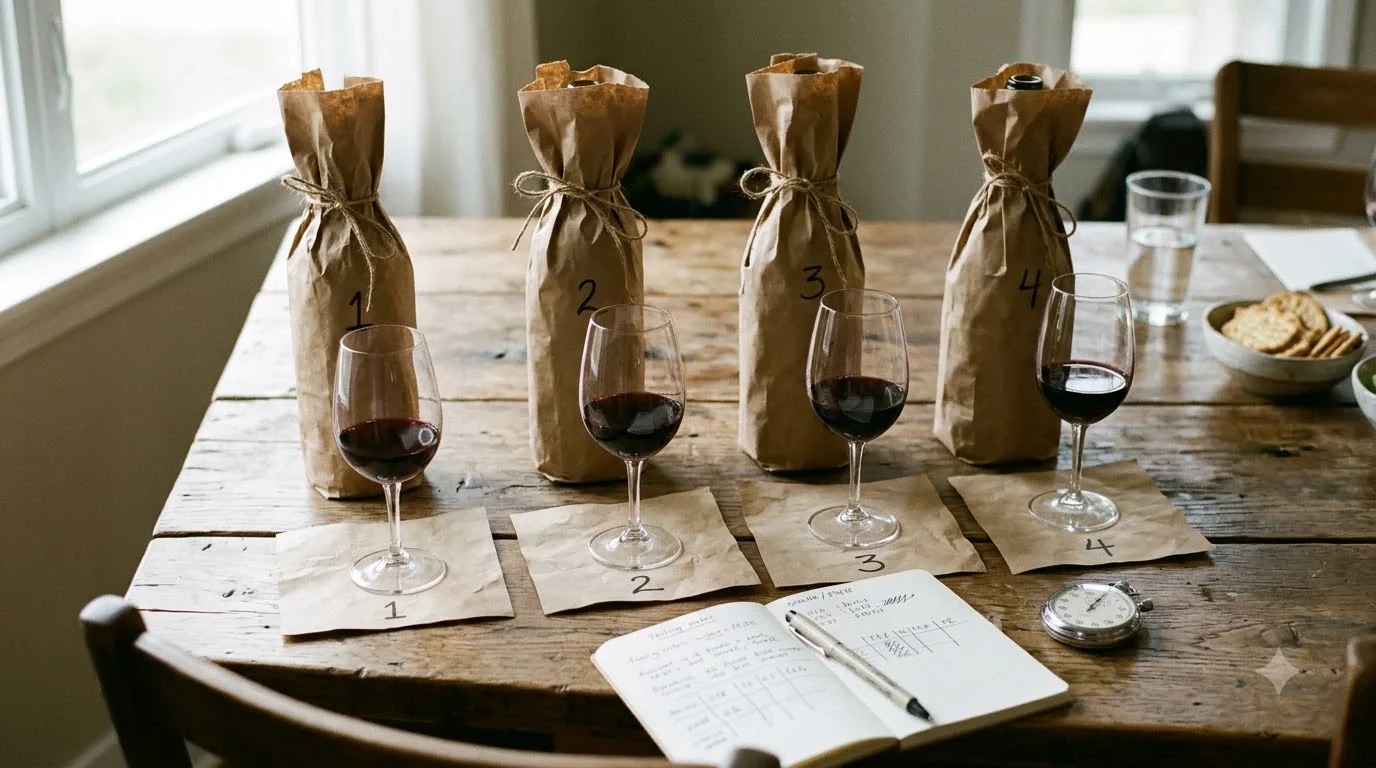
Flavor and Style
Amarone is one of Italy’s most concentrated red wines. It is dry, but the drying process gives it a sweet-fruit impression that many people compare to dried cherries, figs, and prunes. The wine has very little acid for a red, so its structure depends on the tannin, the alcohol, and the weight of the fruit.
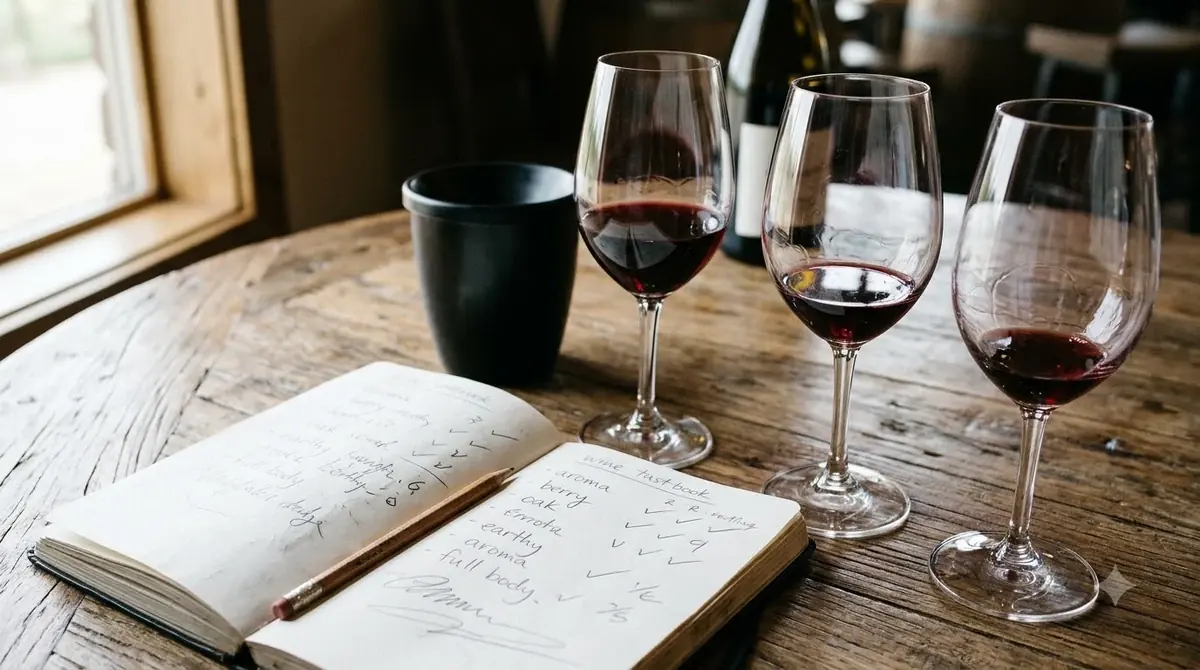
The wine is usually described as very ripe, raisiny, and full-bodied. Common tasting notes include dark cherry, plum jam, cocoa, espresso, licorice, and leather. Older bottles often show dried herbs and a savory, earthy finish.
| Feature | What to expect |
|---|---|
| Alcohol | Legal minimum of 14% ABV, and many bottles exceed 15% |
| Drying period | About 120 days, with grapes losing roughly 27 to 45 percent of their weight |
| Aging | At least two years in wood, often longer before release |
| Acidity | Low for a red wine |
| Main flavors | Dried fruit, plum, cocoa, spice, and leather |
Where Amarone Comes From
Valpolicella lies in the province of Verona, and Amarone is the most prestigious wine to come from it. The zone has produced notable wines for a long time, but the drying method and the Amarone style took shape as a separate tradition. The Amarone name is protected, so a bottle labeled as Amarone della Valpolicella must follow the appellation rules on grapes, drying, and aging.
If you want a broader picture of Italian red wines and their grapes, the Wine by Type guide places Amarone among other styles. It is useful for seeing how Amarone differs from more straightforward reds.
How to Serve Amarone
Because the wine is so concentrated, a large red-wine glass gives the aromas room to open. Wine Folly’s Corvina grape guide recommends serving Amarone at 55 to 60°F (12 to 15°C), and it suggests decanting for 30 minutes to one hour, which softens the tannin and lets the fruit show. Serving it cool rather than warm keeps the alcohol from standing out over the fruit.
A glass of Amarone goes a long way. Its strength means that a small pour often feels like enough for a meal, and it is a good wine to share slowly over a long dinner.
Food Pairing Ideas
Amarone works best with dishes that have enough fat, salt, and savor to match its power. Flame-grilled porcini mushrooms, a medium-rare steak, and a rich lamb stew are the kinds of dishes Wine Folly lists as natural partners. Braised beef, rich game, and aged hard cheeses fit the same pattern.
Dessert is a more specialized match. A dark chocolate dessert can echo the cocoa and dried fruit notes, but a very sweet dessert may make the wine taste drier than it is. For a lighter option with a similar fruit profile, some people look to a cabernet sauvignon wine with ripe dark fruit.
How to Choose an Amarone
Start with the label. Look for Amarone della Valpolicella and the DOCG seal, which confirm that the wine was made under the protected rules. The vintage date tells you how long the wine has aged, and older bottles are often the best choice for a special meal.
- Young style: more fruit, more grip, and a stronger alcohol impression. Good for a hearty dinner.
- Mature style: softer tannin, dried fruit, and savory notes. Good for slow sipping.
- Price check: compare the producer and vintage rather than focusing on one number.
Frequently Asked Questions
Is Amarone a sweet wine?
No. Amarone is made dry, which means the fermentation converts nearly all the sugar into alcohol. The drying process makes the fruit taste ripe and sometimes jammy, so the wine can seem rich, but it is not sweet in the way a dessert wine is.
What grapes is Amarone made from?
Corvina is the main grape and makes up 45 to 95 percent of the blend. Rondinella is usually included at 5 to 30 percent, and other approved red varieties can fill the remainder up to 25 percent.
How long does Amarone need before it is released?
The law requires at least two years of aging, counted from 1 January after the harvest, with a large part of that time in wooden barrels. Many producers hold the wine longer, and bottles are often released around five years after the vintage.
Is Amarone similar to Recioto?
They share the same area and the same drying method, but they differ in style. Recioto della Valpolicella is the sweeter version, while Amarone is made to finish dry. The name Amarone, meaning great bitter, reflects that difference.
Amarone rewards patience and a good meal. Start with a clear idea of the style you want, check the vintage, and serve it with food that can match its depth. Once you know its character, it becomes easier to decide when it is the right bottle for a special night.
More in Wine Types & Grapes
 Zinfandel Sugar Content: Dry Red vs. White Zinfandel GramsUpdated Nov 21, 2026
 Best Zinfandel Substitute Options for Sipping and CookingUpdated Nov 21, 2026
 Zweigelt Food Pairing: Best Dishes, Cheeses, and Serving TipsUpdated Nov 21, 2026
 Zinfandel Tannins Explained: How Structure Shapes Every BottleUpdated Nov 21, 2026
 Zinfandel Sweetness Level: Dry Red vs. Sweet White Zin ExplainedUpdated Nov 21, 2026
 Xinomavro Food Pairing: Best Dishes, Styles, and Serving TipsUpdated Nov 21, 2026