

We may earn a commission when you buy through links on this page, at no extra cost to you. Learn more.
Amarone vs Chianti comes down to how the grapes are handled and where they are grown: Amarone is a powerful Veneto red made from grapes dried for months, while Chianti Classico is a brighter Sangiovese red from Tuscany built on fresh fruit and firm acidity. Amarone typically reaches 15 to 16 percent alcohol and tastes rich and dried-fruit forward, which suits slow-braised meat and slow sipping. Chianti Classico has higher acidity, so it handles tomato sauces, grilled meat, and everyday Italian food with ease. Knowing that split makes it much easier to pick the right bottle for the meal in front of you.
Amarone and Chianti are two of the most recognizable Italian reds on restaurant wine lists, and they often sit side by side on the same shelf. They share a country and a reputation for pairing well with food, but they come from different regions and follow very different production rules. Amarone della Valpolicella is the dried-grape wine of the Valpolicella hills in Veneto, near Verona. Chianti Classico is the historic core of Chianti in Tuscany, the zone between Florence and Siena that was one of the first wine regions in the world to be defined by law. The sections below explain where each wine comes from, how it is made, how it tastes, how to serve it, and which foods suit each bottle best.
Where Amarone and Chianti Classico Come From
Both wines come from hilly terrain, but the landscapes, soils, and legal boundaries are different enough to push the two styles in opposite directions.
Amarone is made in the Valpolicella hills, and the vineyards themselves shape much of the final wine. According to Decanter’s Amarone buyer’s guide, about 80 percent of Valpolicella vineyards are planted to the traditional pergola system, a high overhead canopy that shades ripening fruit from fierce summer heat. Inside the appellation, three zones give Amarone different personalities. Wines from the Classico zone tend to be the most elegant and aromatic, Valpantena bottlings are usually lighter and fruitier, and the extended zone bordering Soave tends to produce richer wines with higher alcohol. Altitude matters as well. The higher the vineyard, the leaner and more structured the wine, while sites below about 150 meters give fleshier, softer bottles.
Chianti Classico sits in a different kind of landscape. It covers 71,800 hectares between Florence and Siena, and Grand Duke Cosimo III set its boundaries by law in 1716. The soils are dominated by galestro, a crumbly clay schist, alongside alberese and calcareous sandstone, and those soils give the wines their mineral notes and floral lift. The climate is continental, with hot, dry summers that can pass 35 degrees Celsius and considerable swings between day and night temperatures. The separate Chianti Classico DOCG has its own production rules, and every bottle carries the Gallo Nero, the black rooster. The Consorzio Vino Chianti Classico was founded on 14 May 1924 in Radda by 33 producers, and today it represents about 480 producers.
How Amarone Gets Its Concentration From Dried Grapes
The defining step for Amarone is appassimento, the slow drying of harvested grapes on racks or mats before they are pressed. That drying concentrates sugar, flavor, and tannin in a way that fresh-fruit wines cannot reproduce.
Andrew Jefford, writing in Decanter, describes Amarone as made from grapes dried for 100 days or more, and he notes that the process triggers many microbiological changes inside the fruit that are still not fully understood. The timing is strictly managed. Grapes cannot be pressed before 1 December without dispensation from the growers’ consortium, and many producers wait even longer, into the new year, when the must carries more sugar and extract. Most producers rely on assisted drying in communal facilities with fans and dehumidifiers, while hillside lofts depend on opening and closing windows to move air. Humidity is the main enemy, because gray rot can put an entire crop at risk. Readers who want to see how the drying step separates Amarone from its everyday sibling can read our guide to Amarone vs Valpolicella, which explains the ladder from fresh Valpolicella to dried-grape wines.
The finished wine is legally dry, yet the rules allow a surprising amount of residual sugar, with a cap of 16 grams per liter at 17.5 percent alcohol. Decanter reports that many wineries are moving toward drier styles, with less than 5 to 6 grams per liter, because those bottles are easier to match with food. Amarone must also spend at least two years in wood, and in rare cases it stays in barrel for nine or ten years. Barrel choice matters too. Producers use French and Slavonian oak, as well as chestnut, cherry, and acacia, and the size and age of the barrels shape both aroma and texture.
How Chianti Classico Is Built Around Sangiovese
Chianti Classico follows a short list of firm rules: red wine only, a Sangiovese-led blend, set minimum aging periods, and capped yields. Those rules keep the wine tied to fresh fruit and the vineyard rather than to drying.
Annata and Riserva must contain between 80 and 100 percent Sangiovese, and up to 20 percent can come from other red varieties suited to Tuscany, such as Canaiolo, Colorino, Ciliegiolo, and Merlot. Pure Sangiovese has been allowed since 1996, and white grapes have been excluded since the 2006 vintage. From the 2027 vintage, Gran Selezione must contain at least 90 percent Sangiovese, with the balance limited to eight native varieties.
The three tiers rise in age. Annata needs at least 12 months, Riserva at least 24 months including 3 in bottle, and Gran Selezione at least 30 months including 3 in bottle, using only estate-grown fruit. Minimum alcohol is 12.00 percent for Annata, 12.50 percent for Riserva, and 13.00 percent for Gran Selezione. Yields are capped at 7.5 metric tons of grapes per hectare, and the WineWiki entry notes that this permitted yield is the lowest in Italy. Vineyards must be hillside sites no higher than 700 meters, and winter lows can dip below 4 to 5 degrees Celsius. If you want a side-by-side look at another Tuscan-area red that buyers often weigh against Chianti, our Chianti vs Montepulciano comparison covers the differences in grape and style.
Taste, Tannin, and Acidity Compared
The biggest difference you will notice is texture. Amarone feels plush, warming, and dense, while Chianti Classico feels brighter, leaner, and more taut until food softens it.
Amarone usually opens with dark cherry, dried fig, cinnamon, and chocolate, and it can show tobacco as it develops. Older bottles move toward leather, dried mushroom, and cedar. Young Chianti Classico is more about sour cherry, fresh plum, dried herbs, and violet, backed by the mineral notes of its galestro soils. Riserva and Gran Selezione add dried flowers, forest floor, and worn leather with bottle age. The structural contrast is just as clear. Andrew Jefford notes that a great Amarone can be profoundly tannic, especially when the local grape Oseleta is part of the blend, while acidity is rarely prominent when the wine is young. Chianti Classico, by contrast, is built on Sangiovese’s bright acidity and firm tannins. The table below sums up the main differences.
| Feature | Amarone della Valpolicella | Chianti Classico |
|---|---|---|
| Region | Valpolicella hills, Veneto | Between Florence and Siena, Tuscany |
| Main grapes | Corvina, Corvinone, Rondinella | Sangiovese, 80 to 100 percent |
| Grape treatment | Dried for about 100 days or more before pressing | Fresh fruit, no drying step |
| Typical alcohol | 15 to 16 percent | At least 12 percent (Annata) and 13 percent (Gran Selezione) |
| Minimum aging | Two years, including time in wood | 12 months (Annata), 24 months (Riserva) |
| Sugar level | Dry; legal cap of 16 g/l, many drier at 5 to 6 g/l or less | Dry |
| Acidity and tannin | Tannin can be profound; acidity rarely prominent when young | Bright acidity and firm tannin |
| Serving temperature | 60 to 64 degrees F | 57 to 62 degrees F |
Sweetness is another point that trips people up. Neither wine is sweet on the palate. Amarone’s richness comes from the dried fruit, and its small amount of residual sugar only rounds out the texture, so it reads as dry but generous. Chianti Classico’s lift comes from its acidity, which keeps the wine feeling fresh even at full flavor.
Serving Temperature, Decanting, and Storage
Serve Amarone at about 60 to 64 degrees Fahrenheit and Chianti Classico a few degrees cooler, and give a young Amarone time in a decanter so its aromas can open.
Wine.com recommends serving Amarone at 60 to 64 degrees Fahrenheit, or 16 to 18 degrees Celsius, and taking the bottle out of storage about 30 minutes before pouring. Chianti Classico works best slightly cooler, around 57 to 62 degrees Fahrenheit, which keeps its acidity lively and stops the alcohol from feeling hot. Whichever wine you choose, a standard 750 milliliter bottle gives about five glasses at a 5-ounce pour, and a large-bowled red glass gives the aromas room to develop.
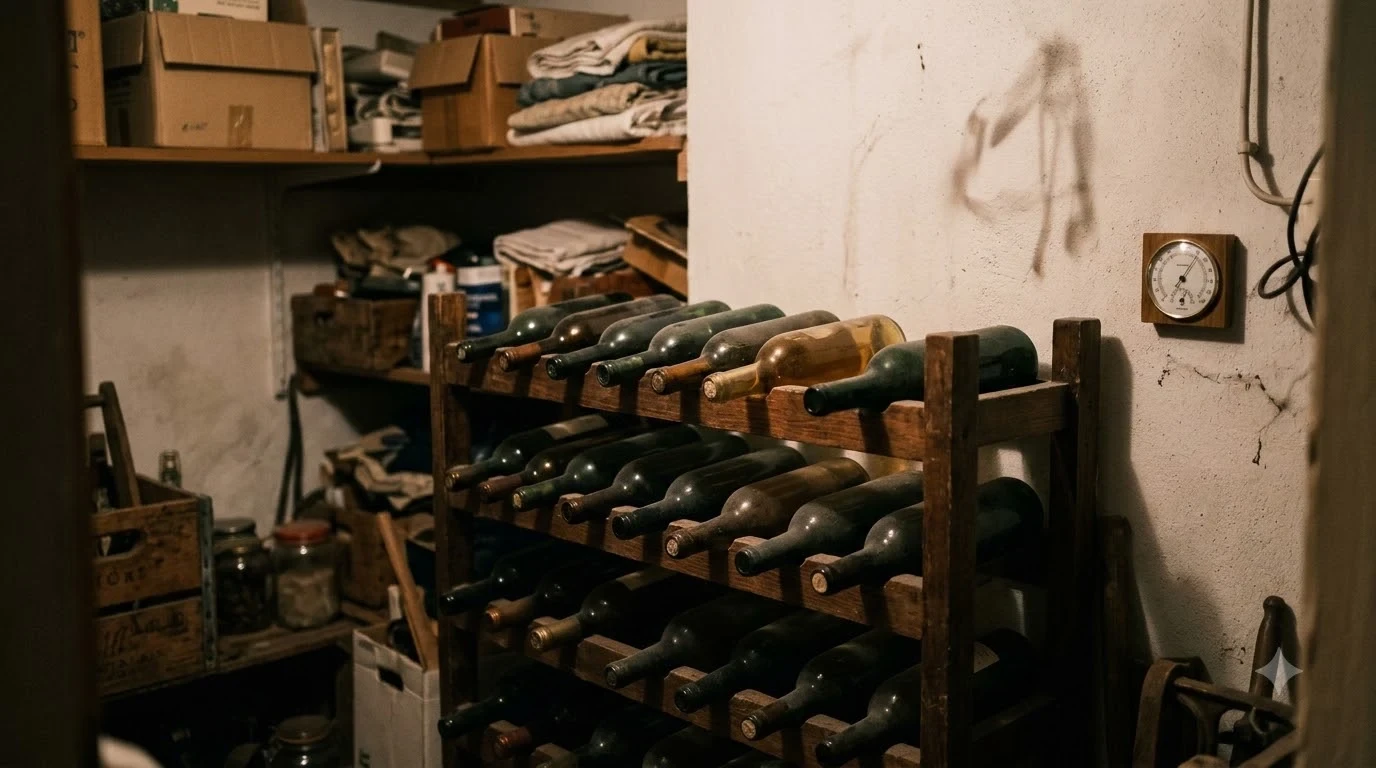
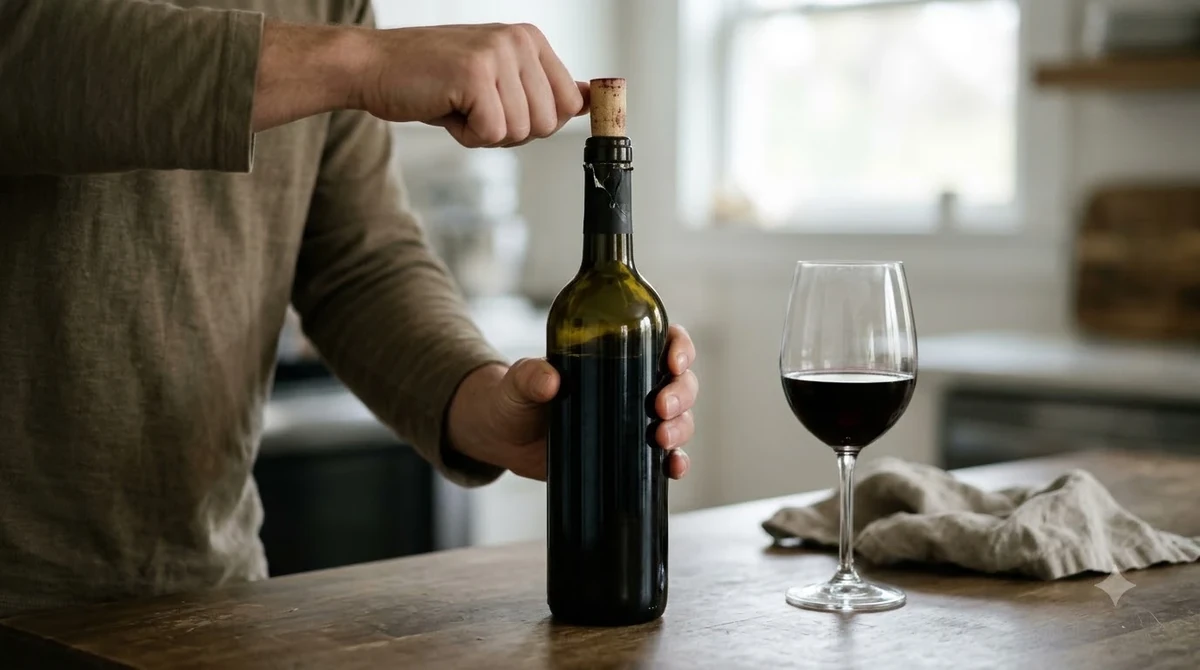
Decanting follows a simple rule. A young full red such as Amarone benefits from 30 to 60 minutes in a decanter, and aged Amarone needs the same window at most, since older bottles are more fragile. Chianti Classico Annata usually needs no decanting at all. Store bottles on their sides in a cool, dark place near 55 degrees Fahrenheit, which keeps the cork moist and the wine stable. Once opened, still wines keep for about three to five days in the refrigerator, so re-cork the bottle and chill it when the evening ends.
Tip: Take a young Amarone out of storage about 30 minutes before dinner, decant it for 30 to 60 minutes, and pour it near 60 to 64 degrees Fahrenheit so its dried-fruit aromas come through clearly.
Food Pairings for Amarone and Chianti Classico
Amarone pairs best with rich braises, game, and aged cheese, while Chianti Classico is the easier match for tomato sauces, grilled meat, and classic Tuscan dishes.
Amarone’s concentrated fruit and firm tannin need fat and salt to soften them. Wine.com points to braised short ribs, slow-cooked lamb shanks, venison stew, risotto all’Amarone, wild mushroom pasta, and aged Parmigiano-Reggiano as strong partners. Those dishes bring the fat and savory depth that let the wine’s dried-fruit character show without feeling harsh. In Italy the wine is often called a meditation wine, a glass to sip slowly after a meal, and it is just as satisfying on its own.
Chianti Classico works through acidity. Tomato-based dishes are acidic, and an acidic food needs a wine with at least as much acidity to keep the pairing balanced, which is why Chianti is such a natural match for pasta al ragù and pizza. Wine with Seth lists Bistecca alla fiorentina, pasta al ragù toscano, cinghiale in umido, arista di maiale, and aged Pecorino Toscano as classic Tuscan partners. Grilled steak and roast pork also work well, because the wine’s firm tannin cleans up the richness of the meat.
A few pairings to avoid. Delicate fish and light green salads tend to clash with Amarone’s power, and very spicy dishes are a problem for both wines, since alcohol and tannin amplify chili heat. Oily fish is another poor match for tannic reds. If the meal is built around a light, seafood-led menu, a fresh white or a lighter rosé will serve you better than either red.
Choosing Between Them for a Specific Occasion
Choose Amarone for a slow, celebratory dinner or a single glass after the meal, and choose Chianti Classico for weeknight cooking, family tables, and anything built on tomato sauce or grilled meat.
Amarone works best when the meal itself is the event. Its richness, alcohol, and long finish suit a long braise, a roast, or a holiday table where people linger. Style also shifts with the producer and the zone, so Classico-zone bottlings tend to show elegance and aromatics, while extended-zone bottles lean toward power and alcohol. If you are weighing Amarone against a different big Italian red, Amarone vs Barolo shows how the drying process differs from Nebbiolo’s firmer structure.
Chianti Classico covers more ground at the table. Annata is an everyday red that pairs with a wide range of food, while Riserva and Gran Selezione suit roasted meats, game, and aged cheeses when you want more depth. Riserva adds at least 24 months of aging, so it is the better choice for a dinner where one bottle will be poured slowly. Because both wines are dry, the decision usually comes down to whether you want the rich, dried-fruit intensity of Amarone or the bright, savory lift of Chianti Classico.
Frequently Asked Questions
Is Amarone sweet?
Amarone is legally dry, but the same dried grapes also make Recioto della Valpolicella, the sweet version of the wine. Andrew Jefford notes in Decanter that sweet Recioto came first historically, and dry Amarone developed from it. That shared history explains why the two wines have so much in common.
Is Ripasso the same as Amarone?
No. Ripasso is a Valpolicella red that passes over the near-exhausted lees and grape marc left after Amarone production, which adds body and dried-fruit flavor. Jefford points out that many of the best middle-ground wines do not even use the Ripasso name, so reading the producer’s notes is the best way to know what you are buying.
How long can Amarone age?
Entry-level bottles from reliable producers usually drink well for five to eight years, according to Wine.com. Riserva bottlings must spend at least four years maturing before release, and single-vineyard wines from strong vintages can develop for 15 to 20 years. Many Amarone bottles are designed to be enjoyed on release, so check the producer’s notes before you decide to cellar one.
Does Chianti Classico need decanting?
Most young Chianti Classico Annata can be poured straight from the bottle. Older Riserva bottles may throw sediment, so stand them upright for a day before opening and pour gently to keep the clear wine in the glass.
Is Chianti Classico Gran Selezione worth seeking out?
Gran Selezione is the top tier, and according to Wine with Seth it makes up roughly 6 percent of the denomination’s production. The WineWiki entry notes that 189 producers make it, so it is considerably scarcer than Annata or Riserva.
Amarone and Chianti Classico are both serious Italian reds, but they answer different questions at the table. Amarone is the wine for a slow, concentrated meal and a glass that rewards patience, while Chianti Classico is the wine for everyday dinners and bold tomato-based food. Matching the bottle to the occasion is the simplest way to get the most out of either one.
More in Wine vs Wine
 Chenin Blanc vs Pinot Gris: Acidity, Body, and Pairing DifferencesUpdated Nov 20, 2026
 Chianti vs Lambrusco: How Tuscany and Emilia-Romagna Reds CompareUpdated Nov 20, 2026
 Chianti vs Primitivo: Key Differences in Taste, Body, and PairingUpdated Nov 20, 2026
 Chianti vs Rioja: Key Differences in Taste, Aging, and PairingUpdated Nov 20, 2026
 Chianti vs Shiraz: How Acidity, Body, and Food Pairings CompareUpdated Nov 20, 2026
 Chianti vs Syrah: Key Differences in Taste, Body, and Food PairingUpdated Nov 20, 2026