


We may earn a commission when you buy through links on this page, at no extra cost to you. Learn more.
The clearest way to understand marsala vs port is to compare their origins and production: Marsala comes from Sicily, while Port comes from Portugal’s Douro Valley. Both are fortified wines, but producers add spirit at different stages, which affects sweetness, aroma, and structure. Marsala ranges from dry to sweet and can work at the table or in cooking; Port is best known for ruby, tawny, vintage, and white styles. The better choice depends on whether you want savory versatility, dark-fruit richness, or nutty, oxidative character.
These wines can both finish a meal, yet they are not interchangeable. Understanding their production, label terms, and typical pairings makes it easier to choose a bottle for the dish and the occasion.
The Core Difference Between Marsala and Port
Marsala is a fortified wine from western Sicily, shaped by local grapes and an oxidative aging tradition. Port is a fortified wine from Portugal’s Douro region, known for its broad family of ruby, tawny, vintage, and white styles.
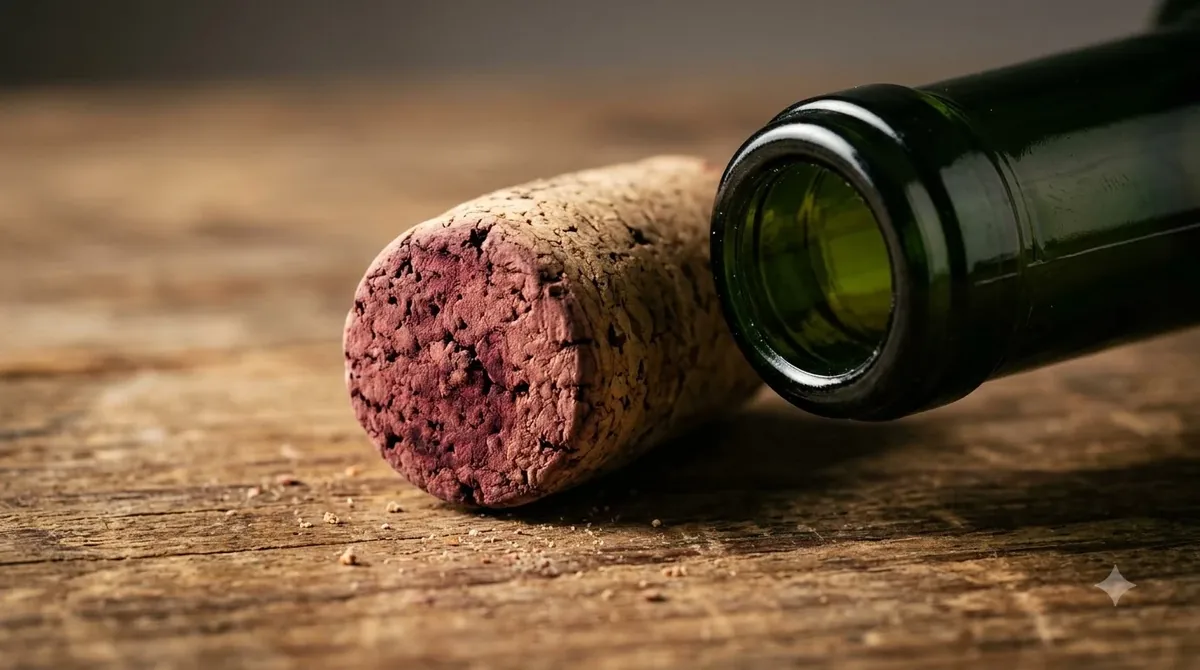
The main production distinction is timing. Marsala is made from a base wine that is fortified and, depending on style, may also be blended with mistella or cooked grape must. It matures in wooden vessels that are not completely full, leaving the wine in contact with oxygen and developing aromas of nuts, dried fruit, spice, and savory complexity. A dry Marsala can be quite different from the sweet amber bottle many people associate with the name.
Port is fortified while the grape must is still fermenting. Adding grape spirit stops fermentation before all the natural sugar has turned into alcohol, so the finished wine commonly retains sweetness and has a higher alcohol level. The Instituto dos Vinhos do Douro e do Porto gives its usual alcohol range as 19% to 22% by volume. Port can still vary considerably: White Port may be extra dry, while some red and tawny examples are distinctly sweet. Neither name alone tells you exactly how sweet the wine will be.
Where the Wines Come From and How They Are Made
The names point to two defined European wine regions: Marsala is tied to the province of Trapani in Sicily, and Port is tied to the demarcated Douro region in northern Portugal. Their grapes, fortification methods, and maturation choices give each wine a different identity.
Marsala DOC production is centered on the province of Trapani, with specified exclusions including Alcamo, the Egadi Islands, and Pantelleria. The grapes must be grown and the wine worked, aged, and bottled within the designated area. White varieties include Grillo, Catarratto, Inzolia, and Damaschino; permitted red varieties for Rubino include Nero d’Avola, Perricone (also called Pignatello), and Nerello Mascalese. The harvest for the base wine generally begins between late August and early September.
Producers then build the intended Marsala style. Vergine is based on DOC wine with alcohol added; Superiore may include mistella, a must whose fermentation has been stopped with alcohol; and an Ambra expression may include cooked must. These additions influence sweetness, color, and aroma. Martinez’s explanation of Marsala production describes how the additions and subsequent aging shape its categories. Port, by contrast, is made by adding grape spirit during fermentation, then blending wines and choosing how to age them. The IVDP overview of Port wine describes Ruby wines as preserving youthful color and fruit, while Tawny wines develop in cask or vat.
Sweetness, Color, and Aging Labels
Start with the sweetness term on a Marsala label, then read its color and aging category; with Port, identify the style family and then look for a reserve, vintage, or age indication. A few numeric thresholds make these labels easier to interpret.
Marsala sweetness is classified in grams of sugar per liter. Secco means less than 40 grams per liter, semisecco covers 40 to 100 grams per liter, and dolce means more than 100 grams per liter. Color categories are Oro (gold), Ambra (amber), and Rubino (ruby). Oro and Ambra are made from white grapes, while Rubino uses red grapes under the production rules.
| Wine or label | Number or term | What it tells you |
|---|---|---|
| Marsala Secco | Less than 40 g/L sugar | Dry style for savory dishes or a less-sweet glass |
| Marsala Semisecco | 40–100 g/L sugar | Middle ground between dry and sweet |
| Marsala Dolce | More than 100 g/L sugar | Sweet style, often suited to dessert |
| Port Ruby | Up to 3 years in bulk for basic Ruby | Young, fruit-forward style |
| Port Late Bottled Vintage (LBV) | Bottled 4–6 years after the vintage | Single-year wine with more time in vessel |
| Port Tawny with age indication | 10, 20, 30, or 40 years | Wood-aged style with dried-fruit and nut character |
Marsala’s aging terms include Fine, Superiore, Superiore Riserva, Vergine, and Vergine Riserva. Marsala Vacanze lists minimums of 1 year for Fine, 2 years for Superiore, 4 years for Superiore Riserva, 5 years for Vergine, and 10 years for Vergine Riserva; the Vergine categories are aged by the solera method. Vergine is generally the drier, more austere direction because it is made from base wine with alcohol rather than some of the sweetening additions used in other styles. Age category is important, but it does not replace the sweetness term: a long-aged wine is not automatically sweet.
Port labels point to a different aging decision. Ruby, Reserve, LBV, and Vintage are associated with the fruit-preserving Ruby family. Tawny, Reserve Tawny, age-indicated Tawny, and Colheita belong to the wood-aged side. Age-indicated Tawny is labeled 10, 20, 30, or 40 years; the number describes a blended style, not the exact age of every drop. Colheita is the exception within this family because it comes from a single harvest year.
Flavor Profiles and Choosing a Bottle
Choose Marsala for layered, often oxidative aromas that can work in savory food as well as after dinner; choose Port for a defined fruit-forward or wood-aged style. Within either category, color and aging give you a more reliable clue than the name by itself.
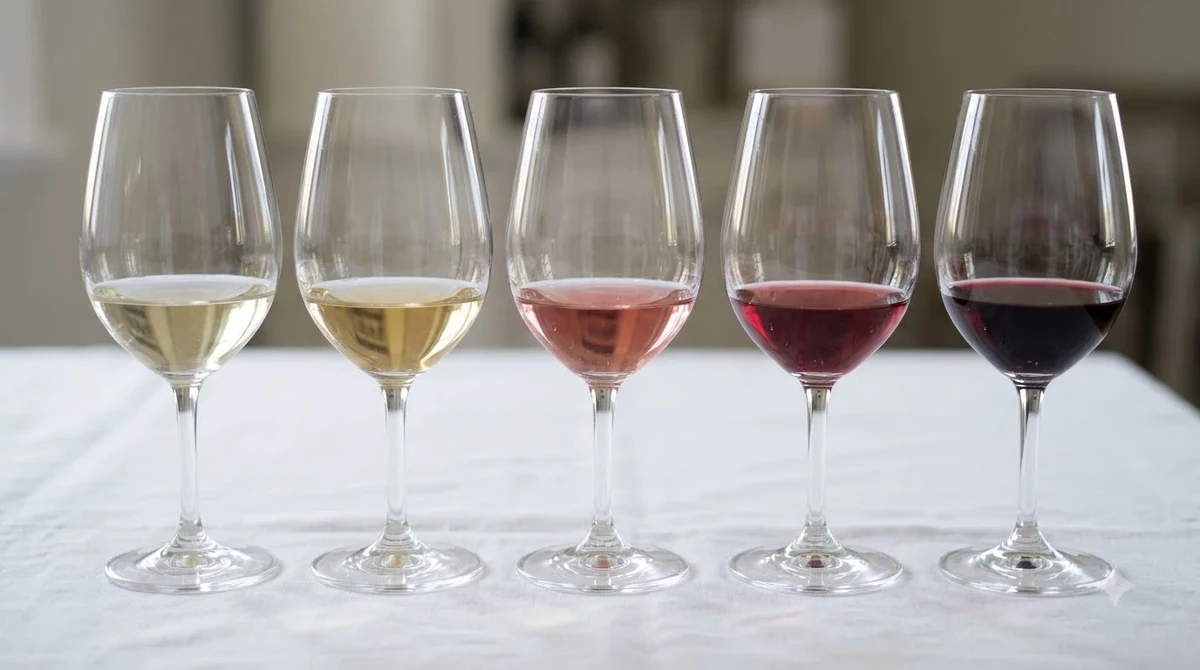
Dry Marsala often leans toward savory nuttiness, dried citrus peel, and a firm finish. Longer contact with oxygen and wood can add toasted nuts, dried apricot, spice, and old-wood impressions. Amber Marsala can show richer cooked-fruit and caramel notes, particularly when cooked must is part of the recipe; Ruby Marsala tends toward red fruit and spice. Ruby Port, in contrast, is usually direct and fruit-led, with blackberry, plum, and black cherry. Basic Ruby is generally blended from more than one vintage and aged in bulk for up to three years; LBV comes from one harvest year and is bottled four to six years after that vintage.
Tawny Port shifts away from fresh dark fruit toward dried fig, toasted almond, walnut, caramel, and spice as it spends time in wood. A 10-year-old Tawny is generally more immediate and fruit-led than a 30- or 40-year-old example, where nutty, oxidative complexity becomes more pronounced. Colheita offers a single-vintage perspective on Tawny. White Port is another option, with styles ranging from extra dry to very sweet and profiles that can include citrus, flowers, honey, or nuts.
For a newcomer who likes dark berries and a plush texture, Ruby or LBV is a straightforward first Port. Choose age-indicated Tawny for hazelnut, dried apricot, and a less overtly fruity finish. For Marsala, Secco Oro or Vergine is a sensible starting point for a dry, food-friendly style; Ambra Dolce suits a rich after-dinner pour. Readers interested in how regional wine categories differ can compare Burgundy vs Marsala; Burgundy is not a fortified wine in the Marsala sense. The same practical approach underpins broader wine-versus-wine comparisons: focus on the qualities that matter in the glass and at the table.
Food Pairings and Cooking Uses
Marsala has a practical advantage in the kitchen, while Port is especially strong with cheese, chocolate, nuts, and fruit-based desserts. Match sweetness to the food: the wine should be at least as sweet as the dessert, and savory dishes usually need enough salt, fat, or savory depth to balance a richer wine.
Dry Marsala is the classic direction for chicken Marsala, where mushrooms, browned meat, stock, and wine form a savory pan sauce. The same style can work with veal, pork, turkey, or sautéed mushrooms. Its nutty, oxidative character adds more complexity than an ordinary dry white wine, but it should not be so sweet that the sauce turns syrupy. Reduce it with stock and aromatics, then finish with butter if the recipe calls for it. Sweet Marsala is better for almond cookies, ricotta desserts, baked fruit, or custard that is not sweeter than the wine; Martinez identifies almond and ricotta desserts as traditional matches.
Ruby Port pairs naturally with dark chocolate, berry desserts, and blue cheese. Its fruit and structure suit strong cheeses such as Stilton or Gorgonzola, where salt and fat soften the sensation of tannin. Tawny Port is the better choice for pecan pie, caramel flan, almond tart, walnuts, and aged cheeses such as Gouda or sharp cheddar. Its dried-fruit and toasted-nut notes echo those ingredients without needing a very dark chocolate dessert.
Dry White Port can start a meal with salty almonds, olives, or seafood snacks; it also works in a simple Port tonic with citrus. Port can enrich reductions for game, duck, or pork, and sweet Port can be used to poach pears or enrich dessert sauce. In either case, add gradually and taste as the liquid reduces, because evaporation concentrates sweetness and other flavors. For another Italian comparison focused on structure and food, see Amarone vs Barolo.
Serving, Storing, and Opening the Bottle
Serve both wines slightly cool rather than warm, and tailor the temperature to the style. A small pour helps keep alcohol and sweetness in balance, while storage after opening depends on whether the wine matured mainly in wood or in bottle.
For Port, a useful starting range is 60–65°F for Ruby and LBV, about 60°F for Vintage, and 50–55°F for Tawny and White Port. A wine that is too warm can make alcohol seem dominant; one that is too cold can hide fruit and spice. A small Port glass or a modest pour of about 3 ounces is enough for a rich fortified wine. Dry Marsala can be served lightly chilled, while a richer sweet Marsala is usually more expressive cool than ice-cold.
Decanting depends on Port style, not simply on the age label. Older Vintage Port and Crusted Port can develop sediment and benefit from careful decanting; filtered Ruby, Tawny, and most modern LBVs can generally be poured directly. Traditional unfiltered LBV may also contain sediment, so pour slowly and stop before the deposit reaches the neck. A 30-minute rest after decanting can help a mature Vintage Port open up.
Store unopened bottles on their sides in a cool, dark place near 55°F, away from temperature swings and direct light. After opening, recork or stopper the bottle and refrigerate it. Wood-aged Tawny Port can keep for several weeks after opening, while bottle-matured Vintage Port is more delicate and is best enjoyed within two or three days. Marsala is fortified and generally more resilient than ordinary table wine, but refrigeration and a tight closure help preserve its aromas, especially in dry styles.
Tip: Write the opening date on the bottle or stopper. Finish bottle-matured Vintage Port within a few days, but use wood-aged Tawny over the following weeks; do not assume all Port has the same open-bottle life.
Frequently Asked Questions
These answers clarify a few label terms and production details that can be confusing at first glance.
Is Marsala the same as Madeira or Sherry?
No. Marsala, Madeira, and Sherry are distinct fortified-wine categories with different origins and production rules. Madeira comes from the Portuguese Atlantic island of Madeira, while Sherry is made in Spain’s Jerez region and has its own aging system, including the use of flor for some styles.
What is Vino Perpetuo?
Vino Perpetuo is a traditional wine-aging practice associated with western Sicily and the origins of Marsala. A family barrel called a carateddu, holding about 26 liters, was topped up with wine from a new harvest each year, allowing the contents to develop over many years in a method reminiscent of solera aging.
Can Marsala Rubino contain white grapes?
Yes. Marsala Rubino is based on permitted red varieties, but the production rules allow up to 30% of white-grape varieties in the blend. This exception does not apply to the Oro and Ambra categories in the same way, as those are made from white grapes.
Why does an LBV Port sometimes have a driven cork?
Traditional unfiltered LBV is bottled with a driven cork because it is intended to mature further in bottle and can develop sediment. Filtered LBV is generally prepared for earlier drinking and commonly uses a stopper-style cork, so the closure can offer a clue to the bottling style.
How strong can Light Dry White Port be?
The IVDP describes Light Dry White Port as having a minimum alcohol content of 16.5% by volume. That is lower than the usual 19% to 22% range given for Port overall, and it offers an option for drinkers seeking a lighter style.
Marsala is the more flexible choice when you want a fortified wine that can move between savory cooking and a sweet finish; Port offers a wide range of recognizable fruit-driven and wood-aged styles. Start by choosing the sweetness level, then use the aging term and food pairing to narrow the bottle to the moment.
More in Wine vs Wine
 Nero d’Avola vs Pinot Noir: Taste, Body, and Pairing DifferencesUpdated Nov 21, 2026
 Chenin Blanc vs Pinot Blanc: Key Differences in Taste, Acidity, and PairingsUpdated Nov 21, 2026
 Chardonnay vs Shiraz: Key Differences in Taste, Serving, and PairingUpdated Nov 21, 2026
 Chardonnay vs Verdejo: How Spain’s Crisp White Compares to the World’s ChameleonUpdated Nov 21, 2026
 Chardonnay vs Sancerre: Key Differences in Taste, Grapes, and PairingUpdated Nov 21, 2026
 Chardonnay vs Malbec: Key Differences in Taste, Body, and PairingUpdated Nov 21, 2026