

We may earn a commission when you buy through links on this page, at no extra cost to you. Learn more.
When comparing burgundy vs marsala, the fundamental difference is that Burgundy is a dry, unfortified French table wine while Marsala is a fortified Sicilian wine fortified with grape brandy. Burgundy comes from eastern France and relies on cool-climate Pinot Noir and Chardonnay, whereas Marsala originates on the western coast of Sicily using sun-drenched white grapes like Grillo, Catarratto, and Inzolia. Burgundy typically sits around 12% to 14% alcohol by volume, while Marsala reaches 15% to 20% ABV and spans bone-dry to dessert-sweet styles.
Although both wines carry historic European place names and appear frequently in classic kitchen recipes, they belong to entirely different categories of winemaking. Understanding how each bottle is produced, aged, and served will help you pick the right wine for your glass or your stove without any guesswork.
What Is Burgundy vs Marsala?
Burgundy and Marsala represent two distinct traditions: unfortified terroir-driven table wine from France versus oak-aged fortified wine from Italy. One captures delicate vineyard nuance through minimal intervention, while the other builds concentrated depth through brandy fortification and extended barrel maturation.
Burgundy, known locally as Bourgogne, is an unfortified still wine produced in eastern France. Virtually all red Burgundy is made from a single grape variety, Pinot Noir, while white Burgundy is made predominantly from Chardonnay, alongside small plantings of Aligoté. Winemakers ferment the grape juice completely dry and age the wine in French oak barrels to preserve natural acidity, site expression, and subtle fruit character rather than high alcohol or residual sugar.
Marsala is a fortified wine made around the coastal port town of Marsala on the western tip of Sicily, Italy. First popularized in the late eighteenth century when English merchants added grape brandy to stabilize barrels for long sea voyages, Marsala is produced primarily from native Sicilian white grapes—Grillo, Catarratto, and Inzolia—as well as red varieties like Nero d’Avola for rare ruby styles. Producers fortify the base wine with grape spirit and often blend in cooked grape must, known as mosto cotto, or sweet mistella to create its signature amber color and layered richness.
| Feature | Burgundy (Bourgogne) | Marsala |
|---|---|---|
| Country & Region | Burgundy, Eastern France | Marsala (Sicily), Southern Italy |
| Wine Category | Unfortified dry table wine | Fortified wine (dry to sweet) |
| Primary Grapes | Pinot Noir (red), Chardonnay (white) | Grillo, Catarratto, Inzolia (white) |
| Typical ABV | 12%–14% | 15%–20% |
| Sweetness Level | Dry | Secco (dry), Semisecco (off-dry), Dolce (sweet) |
| Ideal Serving Temp | 54°F–63°F (red); 50°F–57°F (white) | 55°F–60°F (dry); up to 65°F (sweet) |
Flavor Profiles and Styles
Burgundy delivers crisp acidity, silky texture, and delicate red fruit or mineral notes, whereas Marsala offers warm, oxidative flavors of dried apricot, toasted nuts, caramel, and sea salt. Their sensory differences reflect cool-climate freshness on one side and extended oxidative barrel aging on the other.
Red Burgundy is prized for its translucent ruby color, bright acidity, and fine-grained tannins. Young bottles burst with tart cherry, wild strawberry, and raspberry aromas, while mature examples develop savory layers of forest floor, mushroom, dried rose petal, and subtle spice. White Burgundy ranges from lean, flinty, green-apple-driven Chablis to rounder, fuller-bodied Côte de Beaune wines showing baked pear, hazelnut, lemon curd, and gentle toasted oak. If you enjoy exploring how Pinot Noir compares to fuller-bodied reds, our guide on burgundy vs cabernet sauvignon breaks down those structural contrasts in detail.
Marsala is categorized by color, sweetness, and barrel age, creating a wide spectrum of styles. Oro (golden) and Ambra (amber) Marsalas make up the vast majority of production, while Rubino (ruby) is a rarer red-grape bottling. Sweetness levels run from Secco (dry, with less than 40 grams per liter of residual sugar) to Semisecco (semi-dry) and Dolce (sweet, over 100 grams per liter). Entry-level Fine and Superiore bottlings show stewed apricot, brown sugar, vanilla, and burnt caramel, while long-aged Vergine and Stravecchio releases—matured for five to ten years or more without added sugar—deliver complex, savory notes of roasted walnut, tobacco, leather, and coastal salinity similar to marsala vs port or aged Sherry.
Where They Grow and How Climate Shapes Each Wine
Burgundy’s continental climate produces slow-ripening grapes with brisk natural acidity, while Sicily’s sun-baked Mediterranean coast yields sugar-rich grapes with concentrated flavors and subtle marine salinity. Geography dictates every step of how these two wines are farmed and vinified.
Stretching from Chablis in the north down through the Côte d’Or, Côte Chalonnaise, and Mâconnais, Burgundy experiences cool temperatures, chilly springs, and limestone-rich clay and marl soils. Because heat is never guaranteed, Pinot Noir and Chardonnay ripen gradually, locking in high natural acidity and keeping alcohol levels moderate, usually between 12% and 13.5% ABV. Small vineyard parcels—called climats—produce distinct micro-expressions from one hillside slope to the next, making site specificity the defining hallmark of the region.
Marsala sits on the flat, wind-swept western coast of Sicily, where vineyards enjoy more than 250 days of sunshine each year alongside warm southerly breezes from Africa. Vines grow in mineral-rich red clay soils known as Terra Rossa and sandy coastal strips close to the Mediterranean Sea. Intense sunlight pushes grape sugars high while lowering malic acidity, creating base wines naturally suited for brandy fortification. Cellars located just meters from the shoreline allow humid sea air to permeate the oak casks over years of aging, imparting a distinctive brackish, savory edge to aged Marsala.
How to Serve and Store Both Wines
Serve Burgundy slightly chilled in a large-bowled glass to highlight its fleeting aromatics, and serve Marsala in a smaller tulip or dessert glass at cool cellar temperature. Storage habits also differ dramatically once the cork is pulled because fortification protects Marsala from rapid oxidation.
According to the regional trade body Bourgogne Wines, serving temperature can make or break a bottle of Burgundy. Red Burgundy tastes best between 60°F and 63°F (16°C–17°C), which is noticeably cooler than a modern heated living room; chilling the bottle in the refrigerator for 20 minutes before pouring keeps the alcohol from tasting warm and lets the floral and berry notes shine. White Burgundy belongs between 50°F and 57°F (10°C–14°C), cold enough to preserve crispness without muting its nutty complexity. Because Burgundy is unfortified and delicate, an opened bottle starts losing freshness within two to three days even when recorked in the fridge.
Marsala is far more forgiving at the table and on the counter. Dry Secco and aged Vergine styles show their best structure when served around 55°F to 60°F (12°C–15°C), whereas sweeter Dolce bottles can be poured slightly warmer at 60°F to 65°F. Use a smaller three- to four-ounce pour in a white wine or copita glass so the 15% to 20% ABV stays balanced on the nose. As Wine Folly notes, an opened bottle of Marsala keeps well for roughly a month in a cool, dark cabinet because its higher alcohol and prior oxidative aging shield it from spoilage.
Tip: Never buy supermarket “Marsala cooking wine” seasoned with salt and preservatives—pick up an authentic DOC bottle of Marsala Secco or Superiore from a wine shop so you can both cook with it and pour a glass alongside dinner.
Food Pairing and Kitchen Uses
Burgundy is built for savory dinner-table pairings like roasted poultry, mushrooms, and salmon, while Marsala excels both in pan sauces and alongside aged cheeses, nuts, and pastries. Knowing which bottle belongs in your pan—and which belongs in your glass—prevents flavor clashes.
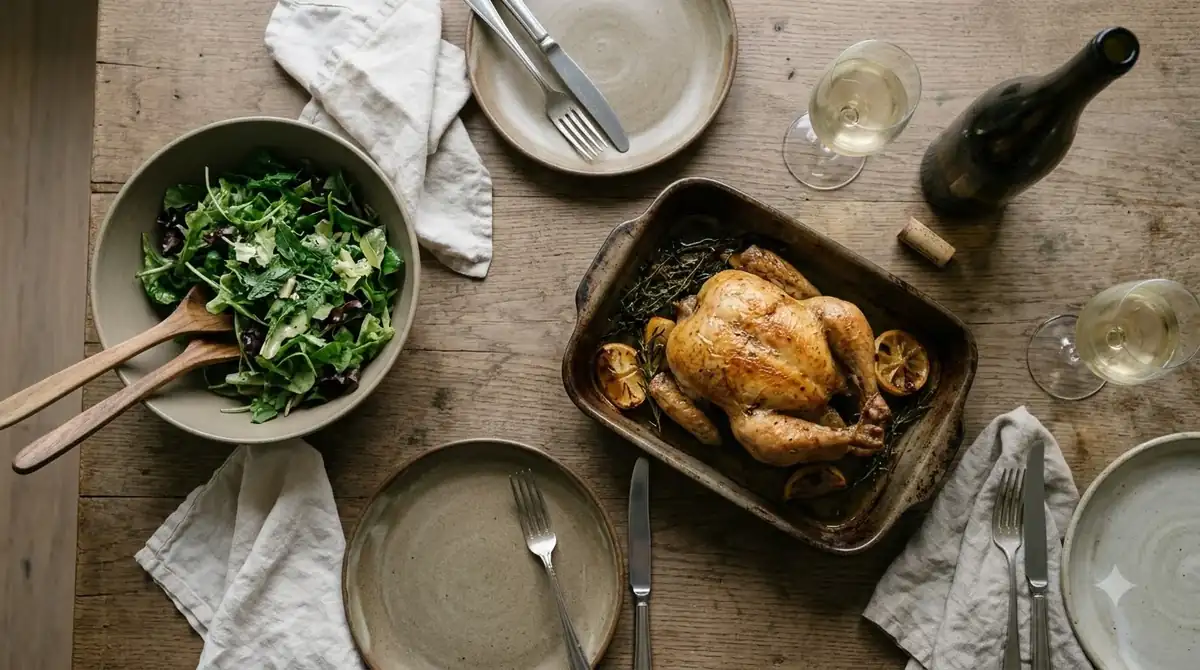
Red Burgundy’s bright acidity and low tannins make it one of the most versatile food wines on the table. It pairs effortlessly with roast duck, herb-crusted pork tenderloin, grilled salmon, and earthy mushroom risotto, cutting through richness without overwhelming delicate proteins. White Burgundy shines with seared scallops, butter-poached lobster, roast chicken, and soft bloomy-rind cheeses like Brie or Camembert. In the kitchen, red Burgundy is the classic foundation for beef bourguignon and coq au vin, where its brisk acidity tenderizes meat and builds a savory wine reduction.
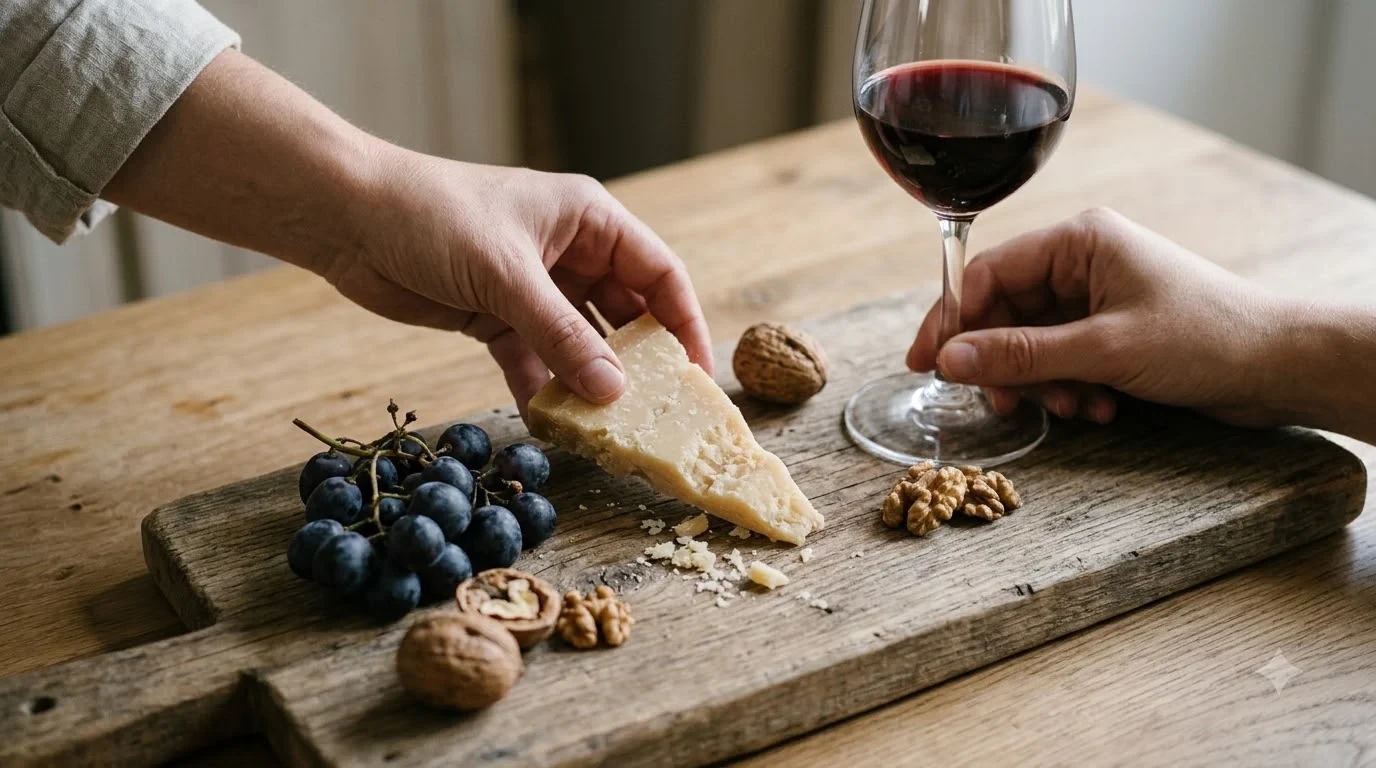
Marsala plays a dual role at mealtime depending on its sweetness and age. Dry Marsala Secco or Superiore Secco is famous in Italian-American cooking for chicken and veal Marsala, where deglazing browned cutlets and cremini mushrooms yields a glossy, nutty, caramelized pan sauce. At the table, chilled Marsala Vergine pairs remarkably well with salty aged Parmigiano-Reggiano, toasted almonds, green olives, and prosciutto. Sweeter Marsala Dolce and Superiore Dolce belong at the end of the meal, either whipped directly into Italian zabaglione and tiramisù or poured next to dark chocolate, biscotti, and dried figs.
How to Choose Between Burgundy and Marsala
Choose Burgundy when you want a dry, food-friendly table wine for dinner, and choose Marsala when you want a richer, higher-alcohol fortified wine for sipping, cooking pan sauces, or pairing with dessert. Because they occupy completely different roles, substituting one for the other rarely works without recipe adjustments.
Reach for a bottle of Burgundy if you are hosting a dinner party, serving roasted meats or seafood, or looking for an aromatic, lower-alcohol wine you can enjoy across several glasses. If you love red Burgundy’s bright red fruit and silky feel but want a lighter, fruit-forward French alternative, comparing beaujolais vs burgundy can help you explore Gamay alongside Pinot Noir. For a broader look at how major regions stack up against each other, browse our full Wine vs Wine library.
Reach for Marsala when a recipe calls for caramelized depth or when you want an after-dinner sipper that stays fresh in your pantry for weeks. Check the front label carefully before buying: look for “Marsala DOC” to ensure genuine Sicilian origin, pick “Secco” for savory cooking and aperitif sipping, and choose “Dolce” for pastry pairings and desserts. If you enjoy nutty, oxidative fortified wines, aged Marsala Superiore Riserva or Vergine will give you tremendous complexity in a small pour.
Frequently Asked Questions
Can you substitute Burgundy wine for Marsala in cooking?
Burgundy is not a direct substitute for Marsala because Burgundy is a dry, unfortified red wine while Marsala is a fortified wine with nutty, caramelized notes. If you use red Burgundy in a dish like chicken Marsala, the sauce will taste sharper, lighter, and more acidic, so you would need a splash of brandy and a pinch of brown sugar to mimic Marsala’s richness. Dry Sherry or Madeira is a much closer culinary stand-in.
Is Marsala wine always sweet?
No, Marsala is produced in three distinct sweetness levels: Secco (dry), Semisecco (semi-dry), and Dolce (sweet). Aged Marsala Vergine is always completely dry with zero added sweetening must, offering savory flavors of roasted nuts, dried herbs, and sea salt. Always check the sweetness term on the label before buying so you do not accidentally put sweet Dolce Marsala into a savory chicken dish.
Why does Marsala have higher alcohol than Burgundy?
Marsala is a fortified wine, meaning winemakers add neutral grape brandy during or after fermentation, raising its alcohol by volume to between 15% and 20%. Burgundy is an unfortified table wine fermented strictly from natural grape sugars in a cool climate, so it finishes between 12% and 14% ABV.
How long does an opened bottle of Burgundy last compared to Marsala?
An opened bottle of Burgundy is unfortified and delicate, so it typically stays fresh for only two to three days when recorked and stored in the refrigerator. Marsala’s higher alcohol content and oxidative barrel aging make it much more stable, allowing an opened bottle to remain delicious for about three to four weeks in a cool, dark place.
While Burgundy and Marsala share centuries of European winemaking heritage, they serve completely different purposes on your table. Keep Burgundy on hand for crisp, aromatic dinner pairings, and turn to Marsala whenever you want rich pan sauces, salty cheese boards, or a warming after-dinner pour.
More in Wine vs Wine
 Nero d’Avola vs Pinot Noir: Taste, Body, and Pairing DifferencesUpdated Nov 21, 2026
 Chenin Blanc vs Pinot Blanc: Key Differences in Taste, Acidity, and PairingsUpdated Nov 21, 2026
 Chardonnay vs Shiraz: Key Differences in Taste, Serving, and PairingUpdated Nov 21, 2026
 Chardonnay vs Verdejo: How Spain’s Crisp White Compares to the World’s ChameleonUpdated Nov 21, 2026
 Chardonnay vs Sancerre: Key Differences in Taste, Grapes, and PairingUpdated Nov 21, 2026
 Chardonnay vs Malbec: Key Differences in Taste, Body, and PairingUpdated Nov 21, 2026