


We may earn a commission when you buy through links on this page, at no extra cost to you. Learn more.
The grillo grape is a white variety from Sicily that makes bone-dry, citrusy wines with herbal and saline notes. It is one of the main grapes in Marsala, the island’s famous fortified wine, and it also makes lively table wines that are often described as a savory alternative to pinot grigio. Serve it chilled and pair it with seafood, vegetables and simple pasta.
This guide explains where grillo grows, what its wines taste like, how to serve them and which foods suit them best. If you see grillo on a wine list or in a shop and are not sure what to expect, the sections below cover the basics.
Where Grillo Comes From
Grillo is native to Sicily, the large island at the southern tip of Italy, and it has long been part of the island’s winemaking tradition. Growers value it for its ability to keep acidity in a warm climate, which is one reason it has spread across Sicilian vineyards.
The grape plays two roles. In table wine, it gives a fresh, medium-light white with clear floral and herbal character. In Marsala, it is one of the main grapes used to make the island’s fortified wine, so the same variety can appear in both dry glasses and richer dessert-style bottles.
How Grillo Tastes
Grillo wines are typically bone-dry and carry no tannin, so they feel clean and crisp on the palate. The most common flavors are grapefruit, citrus blossom and thyme, with a mineral, saline edge that makes the wine feel fresh. The body is usually medium-light, and the acidity is medium-high, which keeps the wine lively with food.
Alcohol levels are moderate. Many grillo wines fall in the range of about 11.5 to 13.5 percent alcohol by volume, which places them among lighter white wines. That lighter profile is one reason grillo is often chosen for warm-weather meals.
Reference guides to grape varieties describe grillo’s profile in similar terms. The Wine Folly grillo grape guide lists citrus, herbal and saline flavors, bone-dry sweetness and a medium-high acidity, which matches what most bottles deliver on the palate.
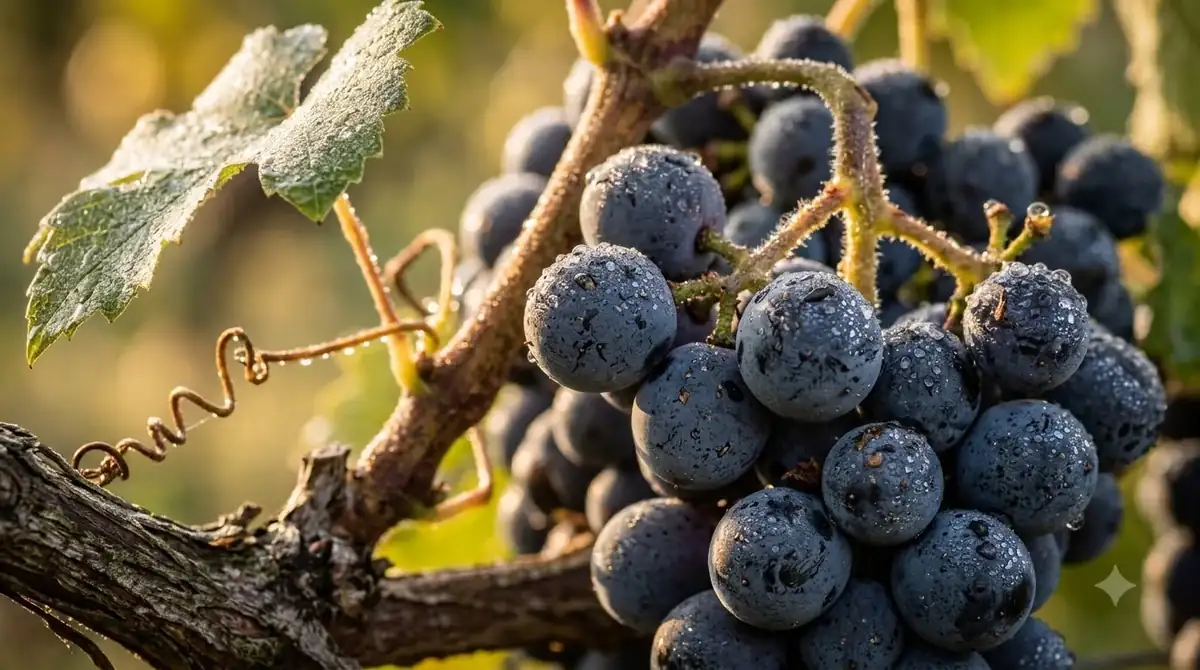
| Trait | Typical grillo character | What it means at the table |
|---|---|---|
| Sweetness | Bone-dry | Pairs with savory dishes without clashing |
| Tannin | None | Easy to drink with fish and light sauces |
| Body | Medium-light | Suits starters and light main courses |
| Acidity | Medium-high | Cuts through oil, cream and fried foods |
| Alcohol | About 11.5 to 13.5 percent | Light enough for a long lunch |
Because grillo is lighter in body, it is easy to overserve in a warm room. Keep the bottle in an ice bucket or the refrigerator door and pour smaller glasses for the first hour. The wine stays crisp and the citrus notes stay bright as long as it stays cool.
Grillo also works well as an aperitif. Its clean finish and gentle alcohol make it a pleasant starting glass before a meal, especially when served with olives, bread and light antipasti.
How to Serve Grillo
Serve grillo well chilled, roughly 45 to 55 degrees Fahrenheit, or 7 to 12 degrees Celsius. At that range the citrus and herbal notes stay sharp and the wine feels refreshing rather than flat. A standard white wine glass works well because it concentrates the aromas without making the wine taste heavy.
Grillo does not need decanting. Open the bottle shortly before serving and let it sit in the glass for a few minutes as it warms slightly. Most bottles are meant to be drunk young, although a small number of more structured examples can develop for several years in the cellar.
Think about sauces and oil when you plan a menu. Grillo handles olive oil, lemon and herbs well, so it suits Mediterranean cooking better than heavy cream sauces. A roast chicken with lemon and rosemary, or a platter of marinated vegetables, makes a relaxed dinner with the same wine.
What to Eat With Grillo
Grillo is at its best with seafood. Grilled fish, shellfish, and simple preparations with lemon and olive oil all match the wine’s citrus and saline character. Vegetable dishes with fresh herbs also work well, especially those that include zucchini, fennel or artichokes.
Pasta is another good choice. A light tomato sauce, a seafood linguine or a pasta with pesto complements the herbal notes in the wine. Because the wine has no tannin, it does not clash with the acidity in tomatoes, which makes it easier to match than a red.
Tip: For a Sicilian-style dinner, pair grillo with grilled swordfish or a caponata-style vegetable side and serve it cold from the refrigerator.
Grillo is also a useful wine for mixed tables. Guests who think they dislike white wine often enjoy its dry, citrusy character, and its moderate alcohol makes it a sensible choice for a long afternoon meal.
Buying Grillo
Grillo appears on shelves as a varietal table wine and sometimes as a blend. Read the label for the words Sicilia or Sicily and for a clear statement of the grape. A bottle labeled as Marsala is a fortified wine with a different taste, so check the style before you buy if you want a dry white for dinner.
Younger bottles show the most fresh citrus and herbal character. Pick a recent vintage for a light lunch or an aperitivo, and keep a bottle in the refrigerator so it is ready when guests arrive. Because most grillo is meant for early drinking, there is little benefit to cellaring a typical bottle for many years.
Growers who work with the grillo grape often talk about its versatility. The same vine can yield a bright, everyday table wine or a richer base for fortified Marsala, depending on how the fruit is handled and how the wine is finished. That flexibility is one reason the grape remains important on the island.
How Grillo Compares With Other White Grapes
Grillo is often described as a more savory alternative to pinot grigio. Both are light, dry whites, but grillo tends to show more herbal and saline character and a slightly firmer structure. Drinkers who enjoy pinot grigio often find grillo a natural next step.
Compared with richer whites, grillo is more restrained. It does not carry the heavy oak or creamy texture of some chardonnays, so it suits diners who want something light but still flavorful. For a broader view of white grapes from Italy and elsewhere, the pecorino grape is another Italian white worth comparing, and the assyrtiko grape offers a mineral profile from Greece.
Finally, remember that serving context matters. A grillo served with a plate of grilled vegetables and a squeeze of lemon tastes very different from the same wine poured alone. Plan the food and the glass together, and the grape’s citrus and herbal notes will feel balanced from the first sip to the last.
Frequently Asked Questions
Is grillo a sweet wine?
No. Grillo table wines are bone-dry. The sweeter style associated with the grape comes from Marsala, which is fortified and made in a different way.
What does grillo taste like?
Expect grapefruit, citrus blossom and thyme, with a clean, mineral finish. The wine is light to medium-light in body with lively acidity.
Where is grillo grown?
Grillo is grown in Sicily. It is used for table wine and as one of the main grapes in Marsala.
How should I serve grillo?
Serve it chilled, around 45 to 55 degrees Fahrenheit, in a white wine glass. It is usually best enjoyed young, so there is no need to decant.
Grillo is an approachable Sicilian white for seafood dinners and light pasta. Start with a fresh, dry bottle, serve it cold, and compare it with a familiar pinot grigio. For more on white styles, browse the guide to wine by type and find the bottle that fits your meal.
More in Wine Types & Grapes
 Zinfandel Sugar Content: Dry Red vs. White Zinfandel GramsUpdated Nov 21, 2026
 Best Zinfandel Substitute Options for Sipping and CookingUpdated Nov 21, 2026
 Zweigelt Food Pairing: Best Dishes, Cheeses, and Serving TipsUpdated Nov 21, 2026
 Zinfandel Tannins Explained: How Structure Shapes Every BottleUpdated Nov 21, 2026
 Zinfandel Sweetness Level: Dry Red vs. Sweet White Zin ExplainedUpdated Nov 21, 2026
 Xinomavro Food Pairing: Best Dishes, Styles, and Serving TipsUpdated Nov 21, 2026