

We may earn a commission when you buy through links on this page, at no extra cost to you. Learn more.
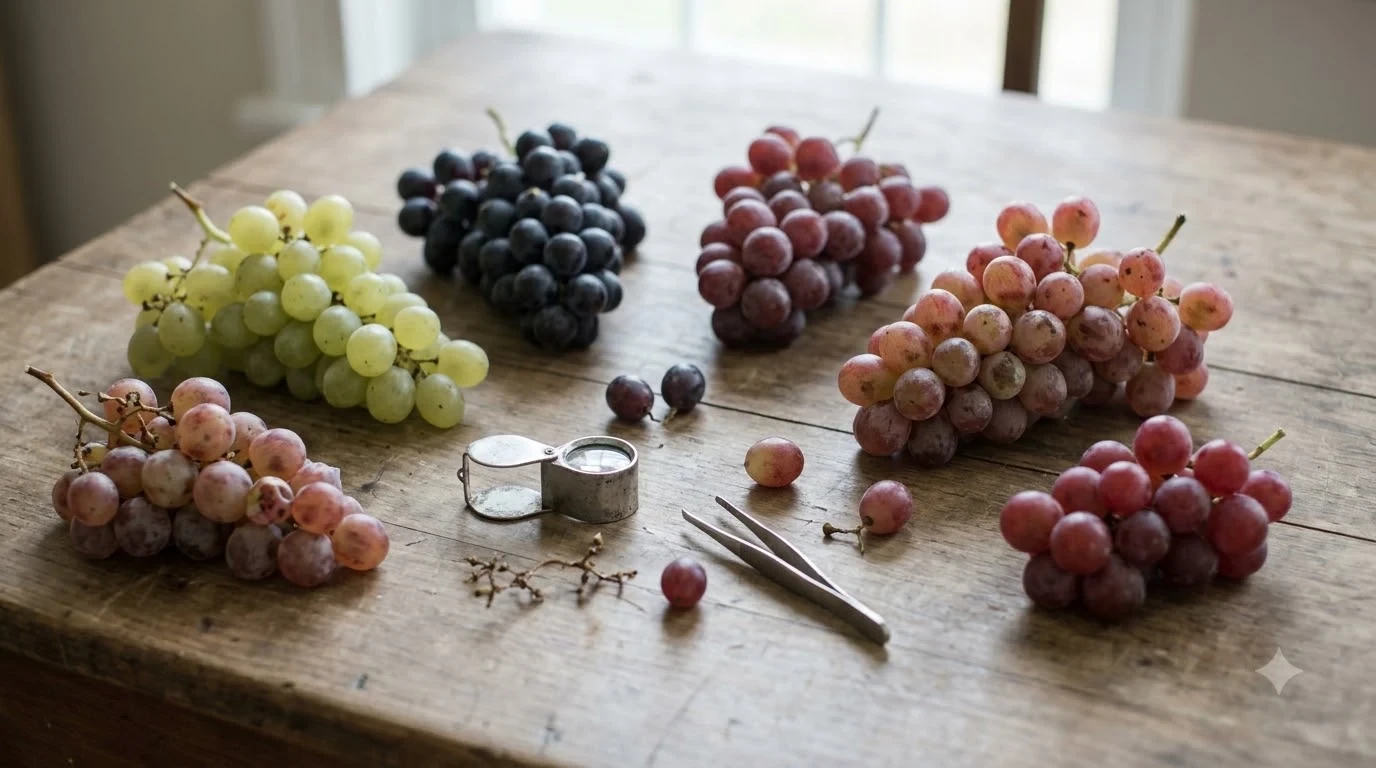
The marsala grape is not one specific variety; Marsala is a protected fortified wine from western Sicily made from several authorized local grapes. Gold and amber Marsala use white grapes such as Grillo and Catarratto, while ruby Marsala is based on red varieties including Perricone and Nero d’Avola. Knowing which grapes are allowed helps explain the wine’s range, from dry, savory bottles to rich, sweet styles.
Search for “marsala grape” and the first useful distinction is between a grape variety and a wine name. Marsala takes its name from the Sicilian town and its surrounding production area, not from a single vine. The grapes, color, sweetness, fortification and time in wood all contribute to the finished wine, so the label gives a more complete picture than the grape name alone.
What Does Marsala Grape Mean?
The phrase “Marsala grape” is shorthand for the grape varieties that may be used to make Marsala DOC. The denomination is not a varietal wine like a bottle labeled Grillo or Nero d’Avola; it is a fortified wine with rules covering grapes, production territory and maturation.
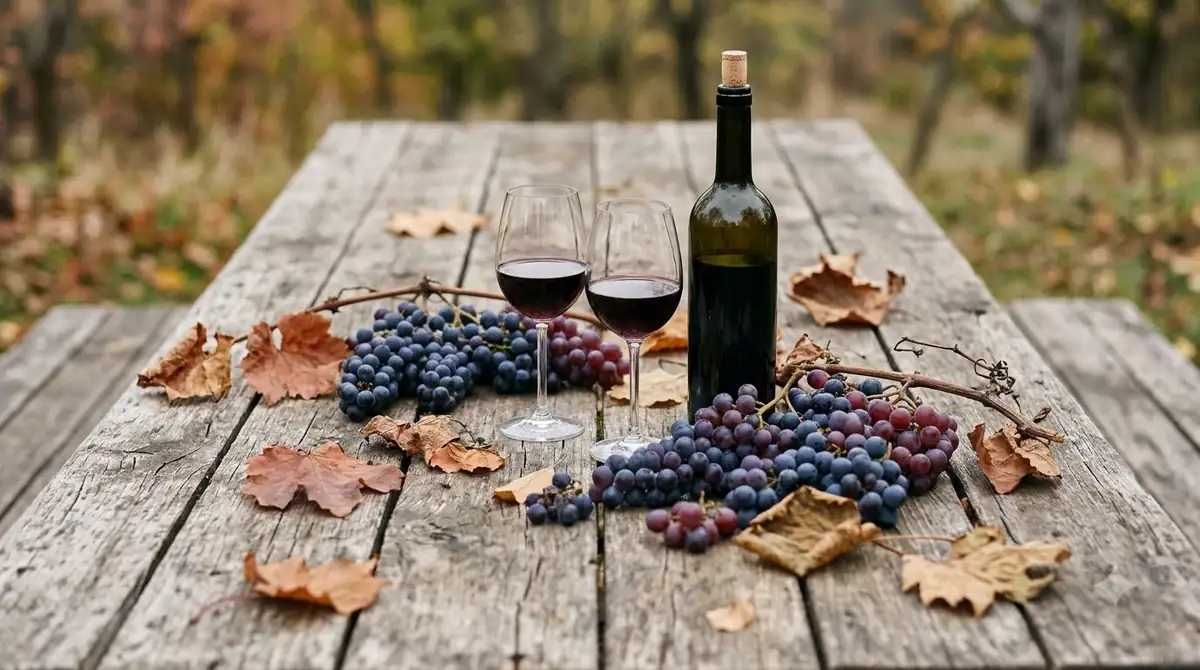
The current production rules divide the grapes by color style. Oro and ambra Marsala are made from Grillo, Catarratto, Ansonica (known locally as Inzolia), and Damaschino. Rubino Marsala uses Perricone (also called Pignatello), Calabrese (Nero d’Avola), and Nerello Mascalese. The regulations permit the listed varieties individually or in blends, rather than requiring every grape to appear in each wine.
This is why there is no single flavor profile that describes every Marsala. A bottle based on white grapes can be dry and savory, with nutty or saline impressions after aging; a ruby example built from red grapes can show more fruit and some tannin. Sweetness and aging can shift the character further, so two Marsalas from the same color family may still taste quite different.
The legal distinction matters, too. A dry Grillo table wine from western Sicily is not automatically Marsala, even if the same variety is used. Marsala must meet the denomination’s requirements for the grapes and growing area, and the finished wine is fortified and aged according to its type. A varietal wine made from one of these grapes without the required Marsala process belongs to a different category.
The White Grapes in Oro and Ambra Marsala
Four white varieties form the permitted base for oro and ambra Marsala: Grillo, Catarratto, Inzolia and Damaschino. Grillo is especially prominent in modern Marsala, while the other grapes can contribute freshness, texture or a different aromatic balance according to the producer’s blend.
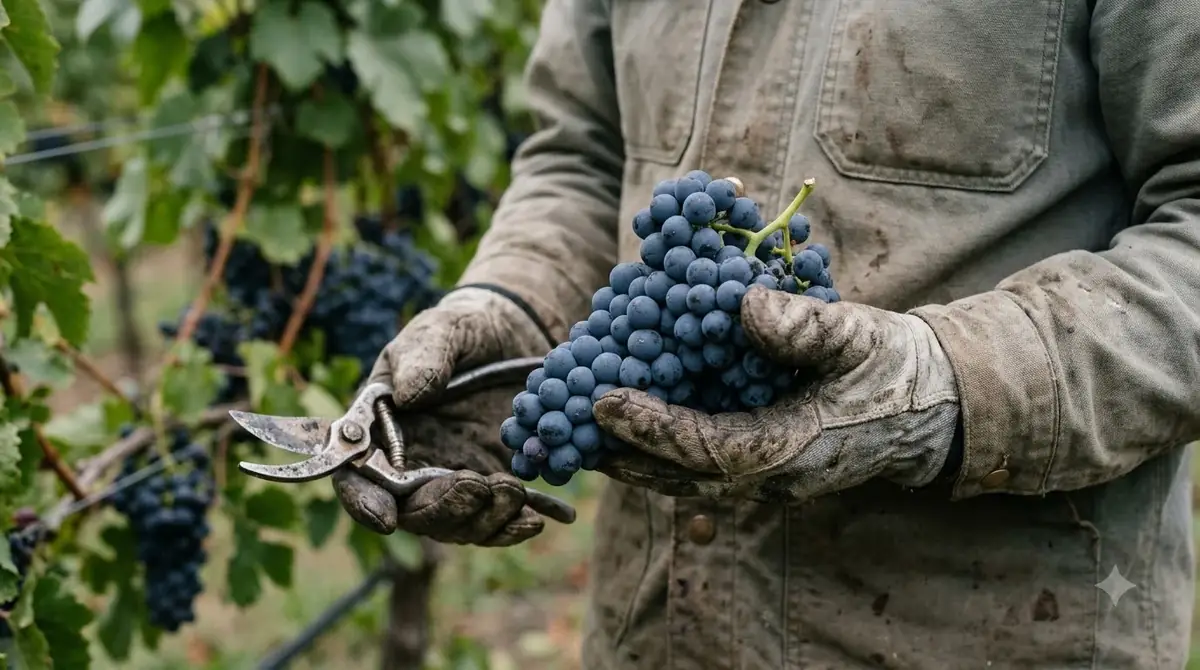
Grillo is a key western Sicilian variety with a natural fit for the area’s warm, sunny conditions. In dry varietal wines, it can show citrus, grapefruit, white peach and herbal notes, with a streak of acidity. The Wines of Sicily grape profile describes fresh-cut grass and grapefruit in a brisk style, while lees-aged examples become fuller, with ripe citrus and spice. In a fortified wine, oak maturation and blending reshape those primary grape notes, but Grillo remains an important source of structure and freshness.
Catarratto is widely planted across Sicily and comes in more than one biotype. Wine Enthusiast describes it as the island’s most planted grape and notes that it can make soft, dry whites. More detailed Sicilian grape profiles describe citrus and floral aromas, medium-to-high acidity and a palate with good structure. Those traits make Catarratto a useful blending option, especially when a producer wants both body and a measure of freshness.
Inzolia, also known by the official synonym Ansonica, generally makes softer, more rounded white wines. The Wines of Sicily profile points to understated fruit, floral notes, nuts and herbs, with softer acidity and a mineral finish. It can add a gentle, nutty dimension to a blend rather than the more pronounced citrus lift associated with Grillo. Damaschino is the fourth permitted white grape. It is less familiar to many wine drinkers, and its exact role depends on the grower and blend; its presence in the rules is still important because the Marsala denomination protects a local set of varieties, not just its most famous grape.
The Red Grapes in Rubino Marsala
Ruby Marsala is made from three authorized red grapes: Perricone, Nero d’Avola and Nerello Mascalese. These varieties give the wine a different starting point from the white-grape oro and ambra styles, with red-fruit character and a more noticeable tannic frame.
Perricone is also called Pignatello and is associated with western Sicily. Wines made from it as a still red can be structured, with spice and red-berry notes, and a pleasantly tannic finish. Nero d’Avola, known in the rules as Calabrese, is one of Sicily’s best-known red grapes. Its still wines commonly range from fresh strawberry and sour cherry to riper cherry, spice, licorice and cocoa, supported by body, acidity and tannin. In ruby Marsala, fortification and wood aging add another layer to that red-grape foundation.
Nerello Mascalese is also allowed for rubino Marsala. It is strongly associated with Mount Etna, where altitude and volcanic terrain can produce markedly different expressions; Wine Enthusiast notes that cooler, higher sites can give it greater acidity and a more delicate character, while warmer lower sites can yield more powerful, tannic wines. That regional reputation does not mean every Marsala rubino tastes like an Etna red, but it helps explain the range of the permitted grape.
The rules also allow a limited amount of white grapes from the oro and ambra list in ruby wine: up to 30 percent of the total grapes used. That allowance gives producers blending flexibility without changing rubino’s identity as a red-grape style. It is a maximum, not a required recipe, and a bottle does not need to contain 30 percent white grapes.
Trapani’s Territory and Growing Conditions
Marsala DOC is tied to a defined part of western Sicily, not to the whole island. Its grape-growing area covers the province of Trapani but excludes the municipalities of Pantelleria, Favignana and Alcamo, a boundary that gives the name a specific geographic meaning.
The coastal setting and Mediterranean climate are central to the wine’s identity. VinePair describes the vineyards’ maritime influence, and the Marsala production rules point to the local climate, soils and traditional vineyard practices as contributors to the grapes’ quality. Warmth and sunshine help grapes reach the ripeness needed for fortified wine, while coastal breezes shape the growing environment. Producers still have to make decisions about harvest timing and grape balance; geography sets the conditions, but it does not make every wine identical.
The denomination also puts measurable limits on vineyard production. The consolidated rules set a maximum yield of 10 metric tons of white grapes per hectare and 9 metric tons of red grapes per hectare. They also require the grapes to provide a must with a natural potential alcohol level of at least 13 percent by volume. These figures are useful context: the grapes are expected to reach sufficient ripeness before the fortification and aging stages begin.
Harvest timing can vary by grape and by the intended product. Martinez describes the harvest for the base DOC wine as beginning between late August and early September, followed by the harvest for mistella and cooked must used in some Marsala styles. That sequence reflects the fact that Marsala production may involve more than one grape-derived component. The base wine is only one part of the final blend in styles where other permitted preparations are added.
How the Grapes Become Fortified Marsala
Marsala begins with a base wine, but fortification and maturation turn it into a different kind of wine. A grape-derived spirit is added during production, and the point at which it is added affects how much sugar remains in the wine and therefore how dry or sweet the finished Marsala becomes.
Martinez describes several traditional components used in the production process. Mistella is grape must whose fermentation is stopped through the addition of alcohol; mosto cotto is cooked grape must. Depending on the style, these components may be combined with the base wine and alcohol. Marsala Vergine follows a simpler path: the base wine is fortified, without the cooked must, concentrated must or mistella permitted in some other types.
Wood aging is central to the finished character. Marsala rests in wooden vessels, commonly oak, and the wine may be held in partially filled casks so that oxygen can influence its development. That controlled oxidative aging helps create the familiar notes of nuts, dried fruit, spice and savory complexity. Some producers use an in perpetuum or solera-like system, drawing off part of the older wine and replenishing the cask with younger wine; the result can blend wines from multiple harvests rather than express one vintage alone. For a useful overview, read VinePair’s guide to Marsala; the official consolidated Marsala production rules specify the grapes, territory and minimum maturation requirements.
How to Choose, Serve and Cook With Marsala
Choose Marsala by reading three parts of the style name together: color, sweetness and age. Oro, ambra and rubino identify color families; secco, semisecco and dolce describe sweetness; Fine, Superiore and Vergine indicate minimum maturation categories. Color does not tell you how sweet the wine is, so use all three terms together.
The legal sweetness bands are precise: secco contains less than 40 grams of residual sugar per liter, semisecco contains more than 40 but less than 100 grams per liter, and dolce contains more than 100 grams per liter. The aging terms below are minimums, not promises that every bottle in a category tastes the same. Vergine also follows stricter production rules: it cannot use cooked must, concentrated must or mistella, and it is generally a drier, more oxidative style.
| Label category | Minimum aging | Minimum alcohol |
|---|---|---|
| Fine | 1 year | 17.5% ABV |
| Superiore | 2 years | 18% ABV |
| Superiore Riserva | 4 years | 18% ABV |
| Vergine or Soleras | 5 years | 18% ABV |
| Vergine Stravecchio or Riserva | 10 years | 18% ABV |
Tip: For a first bottle to drink on its own, start with a Marsala Vergine or Superiore in the secco category. For cooking, choose a dry or semidry style that you would also enjoy in a glass; a sweet dolce bottling is better suited to recipes that need a clearly sweet wine.
Serve Marsala in a small wine glass rather than treating it as a shot. A dry, oxidative bottling can be served slightly cool, while a richer sweet style can be served a little warmer so its aromas are easier to notice. Dry Marsala pairs well with salty cheeses such as Parmigiano-Reggiano, blue cheese, anchovies and savory crostini; sweet Marsala suits almond pastries, ricotta desserts, dried fruit and nuts. Choose a wine at least as sweet as the dessert so it does not taste thin or sour.
In the kitchen, dry Marsala is a classic choice for chicken Marsala, pan sauces and mushroom dishes, while semisweet or sweet styles can be useful in desserts and reductions. Add it after browning the main ingredients, let the alcohol cook down, then build the sauce with stock, aromatics or cream; because a sauce reduces, sweetness becomes more concentrated, so start with a drier wine unless the recipe calls for a sweet style. For comparison, the aromatic sweetness of brachetto grape wines differs from Marsala’s oxidative profile, while the neutral character associated with the airen grape shows how grape identity and winemaking choices work together. Browse Wine by Type for more background on production methods.
Frequently Asked Questions
These answers cover a few details that do not fit neatly into the grape list, including Grillo as a separate wine, vintage wording and Marsala’s commercial history.
Is Grillo used only for Marsala?
No. Grillo is also bottled as a dry Sicilian table wine, often with a medium body and white-peach character. Its use in still wine is one reason the grape is now familiar beyond fortified-wine shelves.
What does a vintage year on Marsala mean?
On some Marsala wines made through an in perpetuum system, a stated year can refer to when that aging system began rather than to a single harvest. That is different from the usual vintage meaning on a still wine made from one year’s crop.
What are the two registered forms of Catarratto?
Wine in Sicily notes that the National Registry lists Catarratto Bianco Comune and Catarratto Bianco Lucido. They are treated as two biotypes of one variety, which helps explain why legal references can specify several forms of Catarratto.
How did Marsala first become an export wine?
According to the history published by producer Martinez, merchant John Woodhouse encountered local Vino Perpetuo in 1773 and shipped it to relatives in Liverpool. He added grape spirit to help the wine withstand the sea journey, helping establish the commercial style associated with Marsala.
What was the traditional Sicilian barrel practice called?
Martinez describes the carateddu, a small family barrel holding about 26 liters and topped up each year. The practice, called Vino Perpetuo, allowed wine to age over generations while maintaining continuity in the family’s supply.
The useful way to understand the marsala grape is as a family of native Sicilian varieties working within a defined wine style. Start with the color and sweetness terms, then consider the grape group and age category to find a Marsala suited to sipping, pairing or cooking.
More in Wine Types & Grapes
 What Does Mourvèdre Taste Like? Flavor Profile, Regions, and PairingsUpdated Nov 20, 2026
 What Does Marsanne Taste Like? Flavors, Styles, and Food PairingsUpdated Nov 20, 2026
 What Does Malvasia Taste Like? Styles, Flavors, and Food PairingsUpdated Nov 20, 2026
 What Does Grenache Blanc Taste Like? Flavor Profile, Styles, and PairingsUpdated Nov 20, 2026
 What Does Garnacha Taste Like? Key Flavors, Styles, and Pairing TipsUpdated Nov 20, 2026
 What Does Fruit Wine Taste Like? A Complete Flavor and Style BreakdownUpdated Nov 20, 2026