

We may earn a commission when you buy through links on this page, at no extra cost to you. Learn more.
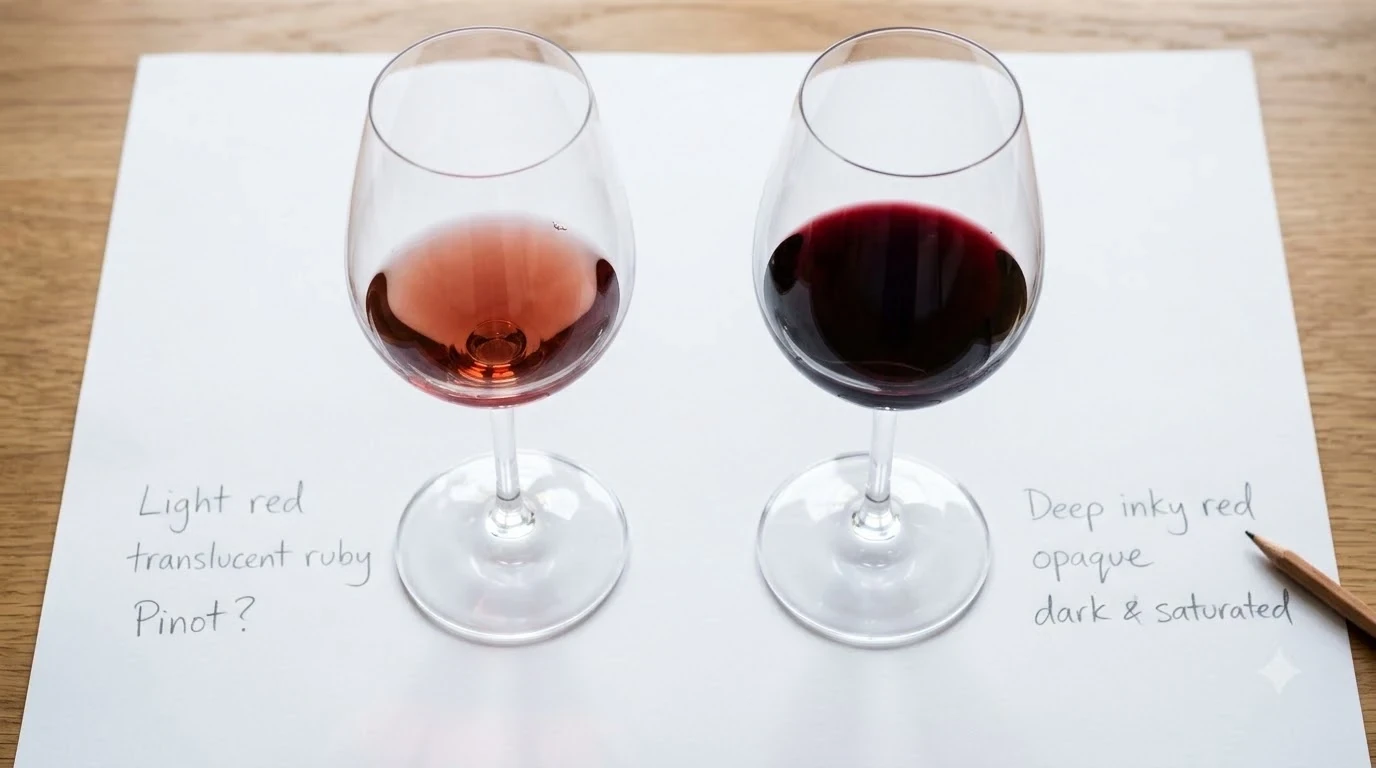
The pinot noir vs shiraz comparison usually comes down to body, tannin, and fruit style: Pinot Noir is lighter and brighter, while Shiraz is generally fuller, darker, and more structured. Pinot Noir typically brings red-fruit flavors, lively acidity, and softer tannins. Shiraz, made from the same grape often called Syrah, tends toward black fruit, pepper, firmer tannins, and a broader finish.
Neither red is automatically better; the best choice depends on the meal, the climate and region behind the bottle, and how much weight you want in the glass. The distinctions below explain what to expect, where each wine comes from, and how to serve and pair both styles with confidence.
Body, Tannin, and Acidity
Pinot Noir is usually light- to medium-bodied, high in acidity, and low to medium in tannin. Shiraz is usually medium- to full-bodied, with medium acidity and medium-plus to high tannin, so it feels darker, denser, and more drying on the finish.
Body describes the wine’s weight on the palate, while tannin creates the drying grip felt on the gums and cheeks. Pinot Noir’s relatively delicate tannins let its acidity and red-fruit character stay in the foreground. Shiraz has more phenolic structure, which can make the wine feel firm, concentrated, or even chewy, especially when the grapes ripen fully and the wine spends time in oak.
| Characteristic | Pinot Noir | Shiraz |
|---|---|---|
| Typical body | Light to medium | Medium to full |
| Tannin | Low to medium | Medium-plus to high |
| Acidity | High | Medium |
| Common fruit | Strawberry, raspberry, cherry | Blackberry, plum, blueberry |
| Typical serving temperature | 55–60°F | 60–65°F |
| Common alcohol range | About 12–15% ABV | About 13–15.5% ABV in many styles |
The alcohol figures are broad orientation points, not rules for every bottle. Wine Enthusiast describes Pinot Noir at about 12% to 15% ABV; its Syrah/Shiraz overview puts cooler-climate Syrah around 13% to 14% and warm-climate Shiraz as high as 15.5%. Region, vintage, ripeness, and cellar choices affect the final number.
Choose Pinot Noir for freshness without a heavy grip, and Shiraz for a red that can stand up to rich flavors. A full-bodied Shiraz may feel more intense even when both wines are dry because alcohol, fruit concentration, and tannin add to perceived weight. For a broader framework, the site’s Wine vs Wine approach separates structure from personal preference.
Aroma, Flavor, and Texture
Pinot Noir usually leans toward red berries, cherries, floral notes, and earthy details, while Shiraz usually emphasizes darker fruit, pepper, savory spice, and smoke. Both can show oak-derived vanilla or baking spice, but the fruit and texture give you the clearest first clues.
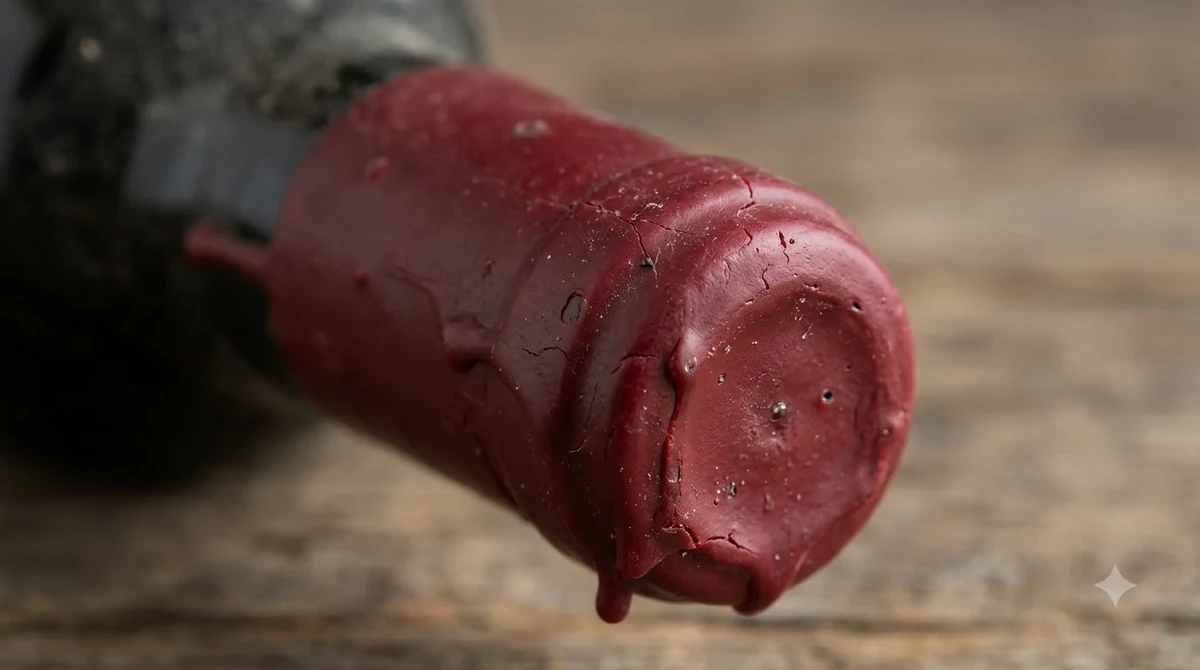
In a typical Pinot Noir, look for strawberry, raspberry, red cherry, and sometimes cranberry-like freshness. More complex examples can suggest rose petal, tea leaf, forest floor, mushroom, dried herbs, or a gentle baking-spice note. The wine’s color is often lighter than that of Shiraz, and its aromas can seem lifted rather than dense. A thin-skinned grape, Pinot Noir can be especially responsive to growing conditions, which is one reason a Burgundy bottling can taste different from one grown in Oregon or California.
Shiraz commonly brings blackberry, black cherry, plum, and blueberry, with black pepper as a familiar savory marker. Depending on its origin and handling, the aroma can also suggest violet, licorice, smoked meat, olive, dark chocolate, or dried herbs. Oak can contribute vanilla, toast, and baking spice; it should add another layer rather than erase the fruit. In warm-climate examples, ripe fruit can seem jammy, but that impression does not necessarily mean the wine contains much residual sugar.
Texture matters as much as aroma. Pinot Noir often feels silky, with acidity carrying the finish and fine tannin; Shiraz can feel broader, with a firmer drying sensation and a longer peppery aftertaste. In a side-by-side taste, red cherry and a refreshing finish point toward Pinot Noir, while blackberry, pepper, and persistent tannin point toward Shiraz. Oak, bottle age, and winemaking can shift any of these clues.
Regions and Winemaking Choices
Pinot Noir is closely associated with Burgundy and cool-climate regions such as Oregon’s Willamette Valley, while Shiraz is strongly associated with Australia’s Barossa Valley and McLaren Vale as well as Syrah’s historic home in France’s northern Rhône. Climate helps explain why one grape can produce wines with such different weight and flavor from one region to another.
Pinot Noir’s thin skin and sensitivity to growing conditions make site selection important. Burgundy is the historic reference point, but the grape is also well established in Oregon, California, New Zealand, and other cool-to-moderate regions. The Oregon Wine Board identifies Pinot noir as the state’s flagship variety and says it accounts for 59% of Oregon’s planted wine-grape acres. Willamette Valley examples often combine red or black fruit with fresh acidity; more sheltered or warmer sites can produce a riper, rounder expression.
Shiraz and Syrah are two names for the same grape, not separate varieties. In the northern Rhône, appellations such as Côte-Rôtie, Hermitage, Crozes-Hermitage, and Cornas are known for Syrah styles that often emphasize savory detail, pepper, freshness, and fine-grained tannin. In Australia, Shiraz from Barossa Valley is often full-bodied and richly textured, with blackberry, pepper, and spice. McLaren Vale examples can show blueberry and chocolate character, while cooler or higher-altitude areas such as Eden Valley can produce more medium-bodied wines with sage and pepper notes.
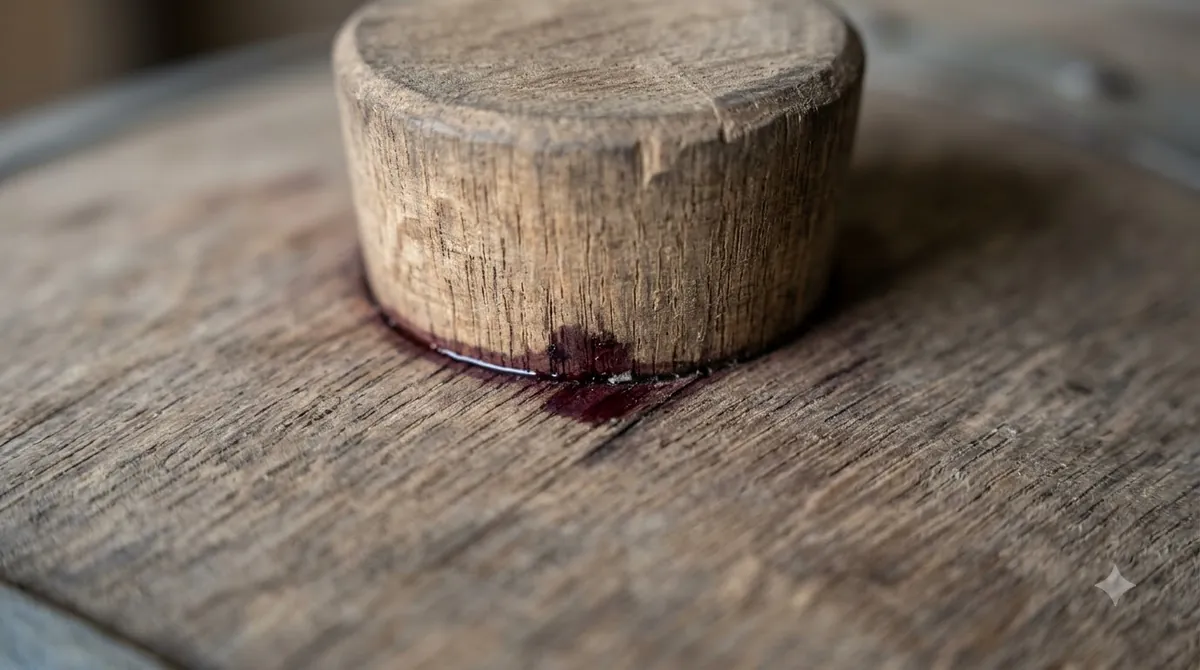
The label is a clue, not a strict style guarantee. Cooler-region winemakers may choose Syrah to signal a leaner, savory approach, while Shiraz often signals ripe fruit and a fuller frame; Oregon Syrah can still be intense, spicy, and richly textured. For a regional contrast, Decanter’s explanation of Syrah and Shiraz styles compares the northern Rhône model with the South Australian tradition. Picking date, extraction, whole-cluster fermentation, and oak also shape the result: earlier picking tends to preserve freshness, while later picking can add ripeness and weight. Wine Australia notes that some early-drinking Shiraz styles see no oak at all, while others use different oak types; Pinot Noir producers also range from restrained to pronounced barrel influence.
Food Pairings for Pinot Noir and Shiraz
Pinot Noir is the more flexible choice for delicate dishes, mushrooms, poultry, pork, and many fish preparations; Shiraz is better suited to grilled or roasted red meat, smoky flavors, hearty stews, and aged cheese. Match the wine’s weight to the food, then account for acidity, salt, fat, sweetness, and heat.
Pinot Noir’s high acidity and lower tannin make it a natural partner for salmon, tuna, roast chicken, duck, pork tenderloin, and mushroom dishes. Its red-fruit profile can complement cranberry glaze, cherry sauce, or herbs such as thyme and sage. Earthy Pinot Noir also works well with lentils, roasted beets, and dishes featuring mushrooms or walnuts. Because tannin is relatively modest, it is less likely than a strongly tannic red to clash with the oily texture of fish.
Shiraz has the structure for grilled lamb, beef short ribs, burgers, venison, sausage, and slow-cooked stews. Peppery examples suit black-pepper crusts, grilled eggplant, rosemary, and smoky barbecue flavors. A rich Barossa Shiraz can meet the intensity of braised beef or charred lamb, while a cooler-climate Syrah may work better with roast pork, herb-roasted chicken, or dishes with olives and dried herbs. Firm aged cheeses such as cheddar or aged Gouda can soften the impression of tannin and bring the wine’s fruit forward.
Think about the meal’s strongest element, not just its main ingredient. Salt and fat soften tannin, helping a structured Shiraz pair with fatty beef or salty cheese. Acidic foods need wine with equal or higher acidity; a sharp vinaigrette can make a softer wine taste flat, while Pinot Noir’s freshness may keep pace. A wine should be at least as sweet as the dessert, so dry reds rarely suit very sweet pastries. Chili heat is harder: alcohol and tannin can amplify the burn, especially in high-alcohol Shiraz, so choose a lighter style for spicy dishes. For more contrasts, Pinot Noir vs Sauvignon Blanc compares a red with a high-acid white, while Grenache vs Pinot Noir shows how body and tannin affect food matches.
Serving Temperature and Bottle Care
Serve Pinot Noir slightly cool at 55–60°F and serve a fuller Shiraz closer to 60–65°F. Temperature changes how acidity, alcohol, fruit, and tannin register, so a few degrees can make the comparison noticeably different.
Warm Pinot Noir can lose some of its freshness and make alcohol seem more prominent; too-cold Pinot Noir can mute its aromas and make its structure seem sharper. A short chill in the refrigerator can bring a room-temperature bottle into the 55–60°F range. Full-bodied Shiraz benefits from a little more warmth, but serving it at a hot room temperature can exaggerate alcohol and flatten the fruit. If the room is warm, place the bottle in the refrigerator briefly before pouring rather than serving it straight from a warm counter.
Young, concentrated Shiraz may benefit from 30–60 minutes in a decanter, particularly when it has firm tannins or substantial oak influence. Pinot Noir usually needs less air, although a young, tightly wound bottle can open with a little time in the glass. Older Pinot Noir and aged Shiraz should be handled more gently: extended aeration can cause delicate aromas to fade, so begin with a small pour and assess the wine before decanting the whole bottle.
Tip: Set both bottles to their intended serving temperatures before comparing them: 55–60°F for Pinot Noir and 60–65°F for Shiraz. Pour a standard 5-ounce glass, and remember that a 750-milliliter bottle holds about five such servings.
For storage, keep unopened bottles on their sides in a cool, dark place near 55°F, away from temperature swings, sunlight, and vibration. Once opened, refrigerate either still red wine and aim to finish it within 3–5 days; bring the next glass back toward its serving temperature before drinking. A wine stopper limits air exposure, but not gradual oxidation. Glass shape matters less than temperature and a clean, odor-free glass: a medium bowl suits Pinot Noir’s delicate aromas, while a larger red-wine glass accommodates Shiraz’s darker fruit. Leave space above the wine rather than filling the bowl to the rim.
Choosing the Right Bottle for Your Taste
Choose Pinot Noir if you prefer bright acidity, lighter body, red-fruit flavors, and gentle tannin; choose Shiraz if you prefer a fuller mouthfeel, darker fruit, pepper, and a firmer finish. The region and alcohol level can help refine that decision when you want a specific style rather than a simple grape-name comparison.
For a lighter red to serve with roast chicken, salmon, mushroom pasta, or a mixed meal, look for Pinot Noir from Burgundy, Oregon’s Willamette Valley, California’s cooler coastal areas, or New Zealand. A cooler-climate example is likely to emphasize freshness and red fruit, while a warmer-site wine may bring riper cherry, darker fruit, or a broader texture. If you enjoy the combination of freshness and silky tannin, Pinot Noir is a reliable starting point.
For a more forceful red to accompany grilled meat or a winter stew, consider Shiraz from Barossa Valley or McLaren Vale. These regions are known for ripe fruit and fuller structure, although individual producers and vineyards still vary. If you want a more restrained expression of the same grape, try a Syrah from the northern Rhône or a cooler-climate growing area. Checking the alcohol percentage, regional designation, and producer description together can tell you more than the grape name alone.
Personal preference matters as much as a textbook profile. Some Pinot Noir drinkers want more body; some Shiraz drinkers want pepper and savory character without jammy fruit or high alcohol. Cooler-climate Syrah may bridge that gap, while ripe Pinot Noir may appeal to someone who likes fruit but not heavy tannin. Compare Nebbiolo vs Pinot Noir to see how a high-tannin grape changes the structure of the glass. At dinner, choose Pinot Noir when you want freshness and room for nuanced food, or Shiraz when you want to match charred meat, black pepper, or a slow-cooked sauce.
Frequently Asked Questions
These answers cover a few details beyond the basic comparison, including Pinot Noir’s role in Champagne, the many forms of its vine material, and Shiraz’s use in Australian blends.
Where is Shiraz grown outside Australia?
The grape is also grown in South Africa and Argentina, as well as Australia. Decanter identifies both countries as established New World locations for Shiraz. The style varies with climate and producer.
Can Pinot Noir be used to make sparkling wine?
Yes. Pinot Noir is one of the three principal grape varieties used in Champagne, alongside Chardonnay and Pinot Meunier. It can contribute body, structure, red-fruit character, and savory depth to sparkling wines, including rosé styles.
How many Pinot Noir clones are there?
Wine Enthusiast notes that roughly 1,000 Pinot Noir clones exist. Clonal selection can affect yields, cluster size, ripening, and flavor expression, which adds another layer of variation alongside vineyard site and winemaking. That is one reason two Pinot Noirs from the same broad region may still differ.
Can Shiraz be blended with other grapes?
Yes. In Australia, traditional blends include GSM, made with Grenache, Shiraz, and Mourvèdre, as well as Shiraz-Cabernet blends. Wine Australia also describes Shiraz-Viognier, in which a small proportion of Viognier may be co-fermented with Shiraz to create a different aromatic profile.
Is Pinot Noir ever called by another name?
Yes. In Germany, Pinot Noir is commonly known as Spätburgunder, and in Italy it is called Pinot Nero. The grape is also known by regional synonyms in France and Austria, so the name on a European bottle may not always be the familiar French spelling.
Pinot Noir and Shiraz offer two clearly different paths through red wine: one built on freshness and fine detail, the other on dark fruit, spice, and structure. Match the bottle to the food and serving temperature, then explore different regions to find the expression you enjoy most.
More in Wine vs Wine
 Nero d’Avola vs Pinot Noir: Taste, Body, and Pairing DifferencesUpdated Nov 21, 2026
 Chenin Blanc vs Pinot Blanc: Key Differences in Taste, Acidity, and PairingsUpdated Nov 21, 2026
 Chardonnay vs Shiraz: Key Differences in Taste, Serving, and PairingUpdated Nov 21, 2026
 Chardonnay vs Verdejo: How Spain’s Crisp White Compares to the World’s ChameleonUpdated Nov 21, 2026
 Chardonnay vs Sancerre: Key Differences in Taste, Grapes, and PairingUpdated Nov 21, 2026
 Chardonnay vs Malbec: Key Differences in Taste, Body, and PairingUpdated Nov 21, 2026