

We may earn a commission when you buy through links on this page, at no extra cost to you. Learn more.
When you compare grenache vs pinot noir, the main difference is weight against lift: grenache is the fuller, warmer red with medium tannin and alcohol that often runs from 13.5 to 16 percent, while pinot noir is lighter, more aromatic and higher in acidity. Grenache usually shows ripe strawberry, black cherry and spice, and it suits roasted meats and herb-heavy dishes. Pinot noir is delicate and savory, which makes it a natural partner for salmon, duck and roast chicken. Pick grenache for a generous, spicy red and pinot noir for a bright, silky one.
Shoppers often reach for grenache and pinot noir as if they were interchangeable. Both are fragrant, fruit-forward reds that are often served slightly cool, and both are sensitive to the place where they grow. That shared profile is why the two keep appearing side by side in shops and on restaurant lists. Underneath those similarities, though, the wines differ in tannin, acidity, alcohol and the foods they handle best. This guide covers the core differences, the regions where each grape thrives, how the flavors compare, what to serve with each, and how to serve and store the bottles. The final section offers a simple way to decide for a specific dinner.
Grenache vs Pinot Noir: The Core Differences
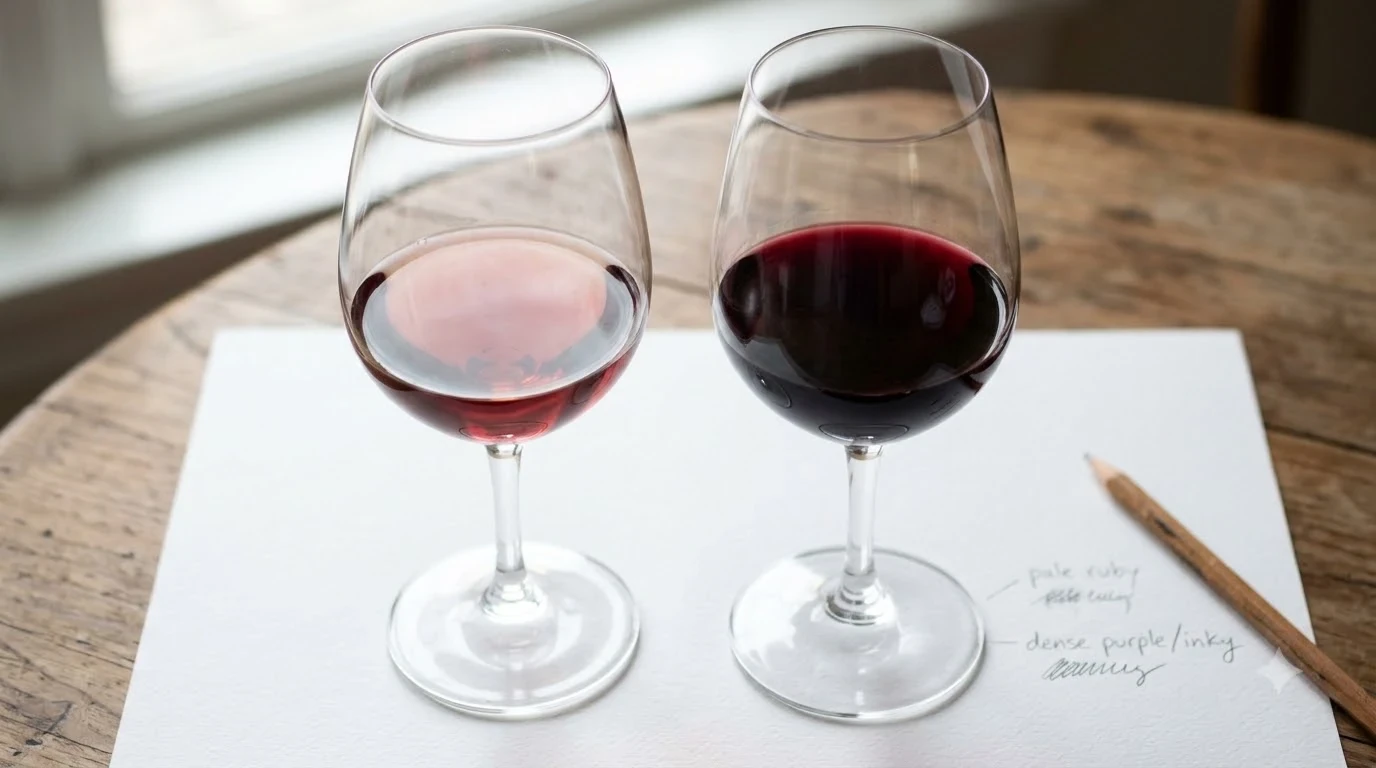
Grenache is the more powerful, higher-alcohol red, while pinot noir is the lighter, more acidic and more aromatic of the two. Those gaps show up in the glass before you taste a drop, in the color, the weight and the way the wine moves across the palate.
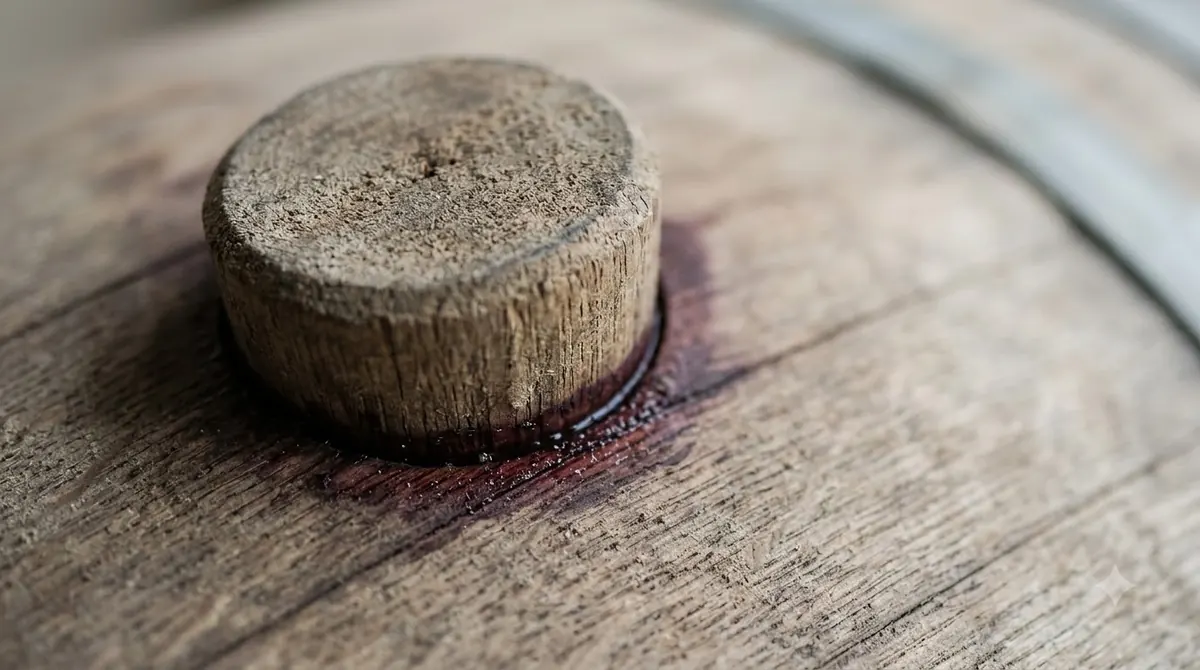
Grenache noir is one of the most widely planted red grapes on earth. According to Wine Folly, the global area is roughly 456,000 acres, with about 250,000 acres in France and about 170,000 in Spain. The same grape carries other names, including Garnacha in Spain and Cannonau in Sardinia. Pinot noir has a narrower footprint. Wine Enthusiast notes that it is densely planted in Burgundy and Champagne and that moderate to cool climates and low-fertility soils help it ripen slowly and produce higher-quality wine.
The sensory split starts with structure. Wine Folly rates grenache at medium tannin and medium acidity, with alcohol between 13.5 and 16 percent. Pinot noir sits lower on tannin, typically low to medium, and higher on acidity, which gives it a lift that keeps the wine feeling bright even at moderate alcohol. Wine Enthusiast adds that pinot noir’s tannins and alcohol tend to run lower than those in cabernet sauvignon and syrah, which is why it reads as a medium-weight wine.
The overlap is real, too. Wine Enthusiast notes that grenache is often considered transparent, reflecting its origin, and that comparisons to pinot noir’s ability to transmit terroir abound. If you want the broader framework behind these side-by-side comparisons, our wine vs wine primer sorts out the structural differences first.
Body, Tannin and Acidity Side by Side
Grenache brings more weight and alcohol, while pinot noir brings more freshness and a lighter grip. The table below gives the typical ranges for the traits that shape the glass.
| Trait | Grenache noir | Pinot noir |
|---|---|---|
| Body | Medium-bodied, fuller on the palate | Medium-bodied, light to medium in color |
| Tannin | Medium | Low to medium |
| Acidity | Medium | High |
| Alcohol | 13.5 to 16 percent | Lower than syrah and cabernet sauvignon |
| Serving temperature | 60 to 65°F | 55 to 60°F |
| Opened and refrigerated | 3 to 5 days | 3 to 5 days |
Tannin is where grenache earns its grip. At medium levels, it gives the wine a backbone without the drying effect of heavier reds, so grenache feels structured but still approachable. Pinot noir’s low to medium tannin keeps it soft and easy to drink, while its high acidity lifts the flavors and makes the wine taste fresh rather than heavy.
Alcohol is usually the first thing drinkers notice. Wine Folly points out that ripe grenache from Calatayud in Spain often ferments to levels above 15 percent, which adds body and spice. Acidity is not fixed in grenache either. Wine Enthusiast reports that Catalan producers are moving toward fresher, lighter styles with higher acidity, so a modern bottle can sit closer to pinot noir than an older, heavier one.
Tip: Look at the alcohol percentage before you choose a grenache. A bottle near 13.5 percent will feel much closer to pinot noir than one near 16 percent, so that single number tells you how the wine will sit at the table.
Where Each Grape Grows Best
Grenache is at home in hot, dry vineyards with poor soils, while pinot noir favors cool, slow-ripening sites. Both can express their terroir, but they respond to very different growing conditions.
Grenache: the warm, dry south
Inter Rhône, the Rhône producer body, calls grenache noir the king of the southern Rhône Valley varieties and says it is the most-planted of its grapes. The vine is vigorous and productive and does best in dry, poor soils. Decanter notes that the grape’s greatest expression comes from old, low-yielding vines in Châteauneuf-du-Pape and in Australia’s Barossa Valley and McLaren Vale. Outside France, it runs through Spain, where it is called Garnacha and is widely planted in Rioja and Priorat. For the Rhône side of the story, the Inter Rhône grenache noir profile explains how the grape behaves in the vineyard and the cellar.
Priorat adds a dramatic setting. Wine Enthusiast describes the region’s two winds: the Cerç, which brings cold, dry air from the northwest in winter, and the Garbinada, which brings warm, humid breezes from the southeast during the growing season. Producers who work the warmest, most arid plots often make high-alcohol, concentrated wines, especially from old, low-yield vines.
Pinot noir: cool, slow and carefully managed
Pinot noir is most closely identified with Burgundy, where virtually all red wines use the grape, from basic Bourgogne Rouge to the Chambertin, Volnay and Vosne-Romanée bottlings. Outside France, Wine Enthusiast names the Willamette Valley in Oregon, the Russian River Valley in California and the Marlborough area of New Zealand as producers of high-quality versions. Because the grape has a thin skin, it is susceptible to mildew and mold, which means vineyard managers need to give it extra attention.
Wine Enthusiast also says pinot noir is highly sensitive to temperature. Cooler sites develop soft berry, rose and savory notes, while hotter regions can produce bold cherry-cola character. The same guide notes that there are around 1,000 clones of the grape worldwide, which helps explain how it adapts to so many climates. In short, grenache wants heat and dry soil, while pinot noir wants a cool site that lets it ripen slowly.
Flavor and Aroma Profiles Compared
Grenache usually tastes of ripe red fruit with warm spice and herbal notes, while pinot noir leans toward red berries, forest floor and savory, earthy character. Both can be aromatic, but they reach the nose by different routes.
Wine Folly lists grenache’s core fruit as strawberry, black cherry and raspberry, with aromatics of anise, tobacco, citrus rind and cinnamon. The guide describes a candied fruit roll-up and cinnamon character that helps experts pick grenache out in blind tastings. Grenache from Old World areas such as the Côtes du Rhône and Sardinia can show dried oregano and tobacco, while American versions lean toward licorice and flowers. Wine Enthusiast sums up the grape as best known for fruity reds with intense strawberry and spice aromas.
Pinot noir’s profile is built on red fruit with a savory edge. Wine Enthusiast lists strawberries, raspberries, red and black cherries, and possible mint, pine, tea and forest floor nuances. Color is less reliable as a clue than most people expect. Wine Folly notes that grenache often looks lighter than its medium-plus alcohol would suggest, so judging by the glass alone can mislead you.
Both grapes also change dramatically with their site. Wine Enthusiast’s pinot noir guide covers how cool and warm climates push the flavor in different directions, and the same logic applies to grenache, where the vineyard and winemaking style can move the wine from red fruit and herbs toward ripe, jammy fruit.
Food Pairings for Grenache and Pinot Noir
Grenache suits roasted meats, herb-heavy vegetables and spiced dishes, while pinot noir pairs well with salmon, tuna and poultry. The right choice depends on the flavor of the food and how much grip the dish needs from the wine.
Wine Folly notes that grenache’s spice makes it a strong match for spiced and herb-heavy dishes, including roasted meats, vegetables and a range of ethnic cuisines. Alcohol and tannin both amplify chili heat, so a high-alcohol grenache can make a fiery curry feel hotter than intended. For very spicy food, choose a lighter bottling and serve it slightly cool. Grenache’s medium tannin also softens when paired with fat, which makes rich duck, pork belly or lamb a good match.
Pinot noir is the easier partner for richer seafood. Wine Enthusiast calls it a classic match for salmon and fresh tuna, and its low tannin means it does not clash with fish the way a grippy red can. The same guide pairs pinot noir with roasted chicken, pork belly, roasted duck breast and stuffed mushrooms with walnuts, garlic and parsley. Its acidity also helps it cut through butter- and cream-based sauces without overwhelming the plate.
If your menu leans toward a heavier red, our guide to pinot noir vs shiraz explains when a bigger, more tannic bottle makes sense. For grenache, the spice, herbs and roasted meats set the tone. For pinot noir, the seafood, poultry and mushrooms are where it shows its grace.
Serving Temperature, Glassware and Storage
Serve grenache at 60 to 65°F and pinot noir at 55 to 60°F. Both wines show more detail when they are not too warm, and a slight chill keeps grenache’s alcohol from feeling hot while preserving pinot noir’s lively acidity.
Pour about 5 ounces per glass. A standard 750 ml bottle yields about five glasses, which helps when you are planning for a table of guests. A young, full grenache from the southern Rhône can benefit from 30 to 60 minutes of decanting before serving, which lets the aromas open. Pinot noir usually goes straight from the cellar or fridge into the glass once it reaches the right temperature. Wine Enthusiast’s guide gives pinot noir a wider serving range of 55 to 69°F, so you have room to adjust for the bottle in front of you.
Storage matters as much as service. Keep unopened bottles on their sides in a cool place near 55°F, where the cork stays moist and the temperature holds steady. Once opened, both grapes keep for about three to five days in the refrigerator. Reseal the bottle tightly after each pour to slow oxidation, since these reds lose their freshness faster than heavier wines.
How to Choose Between Grenache and Pinot Noir
Choose grenache when you want a warm, generous, spice-driven red that can stand up to roasted meats, and choose pinot noir when you want a lighter, brighter wine for seafood, poultry or mushrooms. The menu is the simplest guide to making the call.
Start with the food. If the plate has roasted lamb, spiced sausage, herb-roasted vegetables or a Mediterranean stew, grenache has the weight and spice to match. If it has salmon, roast chicken, duck breast or a mushroom dish, pinot noir’s lower tannin and higher acidity will keep the pairing balanced. When the dish is delicate, go lighter. When it is rich and spiced, go with the grenache.
Then check the label. Grenache appears under several names, including Garnacha in Spain and Cannonau in Sardinia, and in France it shows up in Côtes du Rhône appellations such as Gigondas, Vacqueyras and Châteauneuf-du-Pape. Pinot noir is usually easier to find by name, although Burgundy labels can be harder to read because they name villages and vineyards more often than the grape. Once you have the grape, the alcohol percentage is the clearest signal of how the wine will feel. For a different kind of contrast that shoppers often find useful, our nebbiolo vs pinot noir comparison looks at two lighter reds from very different regions.
Frequently Asked Questions
These answers cover the questions readers ask most often about grenache and pinot noir, with details that go beyond the main sections.
Is there a white or grey grenache?
Yes. Wine Enthusiast notes that grenache comes in three forms: noir, the red and most common version, plus two mutations, blanc (white) and gris (grey). Both mutations thrive in Roussillon and Catalonia alongside the red, and the same guide describes grenache gris as producing pure, mineral styles from centenarian vineyards.
Can pinot noir be used in sparkling wine?
Yes, and it is one of the three main grapes in Champagne. Wine Enthusiast explains that pinot noir base wines are commonly blended with chardonnay and/or pinot meunier before a second fermentation creates the bubbles. That makes pinot noir a common component of many sparkling wines, not only still reds.
Which of the two can be cellared longer?
Wine Enthusiast gives pinot noir a cellar life of 5 to 15 years, which is a useful window if you plan to hold a bottle. The same guide does not offer a matching range for grenache, so its ageing depends more on the producer and the vineyard. For a bottle you want to keep, ask the shop or check the producer’s own guidance.
Can grenache be made into a sweet wine?
Yes. Wine Folly identifies Rasteau, Maury and Banyuls as fortified dessert wines called vin doux naturel, made from grenache, and says their production resembles the way port is made. Decanter adds Rivesaltes to the list of fortified grenache styles, which gives you several sweet options from the same grape.
Did grenache and pinot noir ever cross paths historically?
They did. Wine Folly notes that Burgundians blended grenache from the neighboring Rhône region in the 17th century to improve the flavor of their pinot noir reds, and that doing so was not illegal at the time. The comparison between the two grapes is therefore older than the modern wine shop shelf.
Grenache and pinot noir both reflect their vineyards, yet they differ enough in weight, acidity and food pairing that each deserves its own place on the table. Start with the dish, match the wine’s weight and acidity to it, and the choice usually becomes clear.
More in Wine vs Wine
 Nero d’Avola vs Pinot Noir: Taste, Body, and Pairing DifferencesUpdated Nov 21, 2026
 Chenin Blanc vs Pinot Blanc: Key Differences in Taste, Acidity, and PairingsUpdated Nov 21, 2026
 Chardonnay vs Shiraz: Key Differences in Taste, Serving, and PairingUpdated Nov 21, 2026
 Chardonnay vs Verdejo: How Spain’s Crisp White Compares to the World’s ChameleonUpdated Nov 21, 2026
 Chardonnay vs Sancerre: Key Differences in Taste, Grapes, and PairingUpdated Nov 21, 2026
 Chardonnay vs Malbec: Key Differences in Taste, Body, and PairingUpdated Nov 21, 2026