
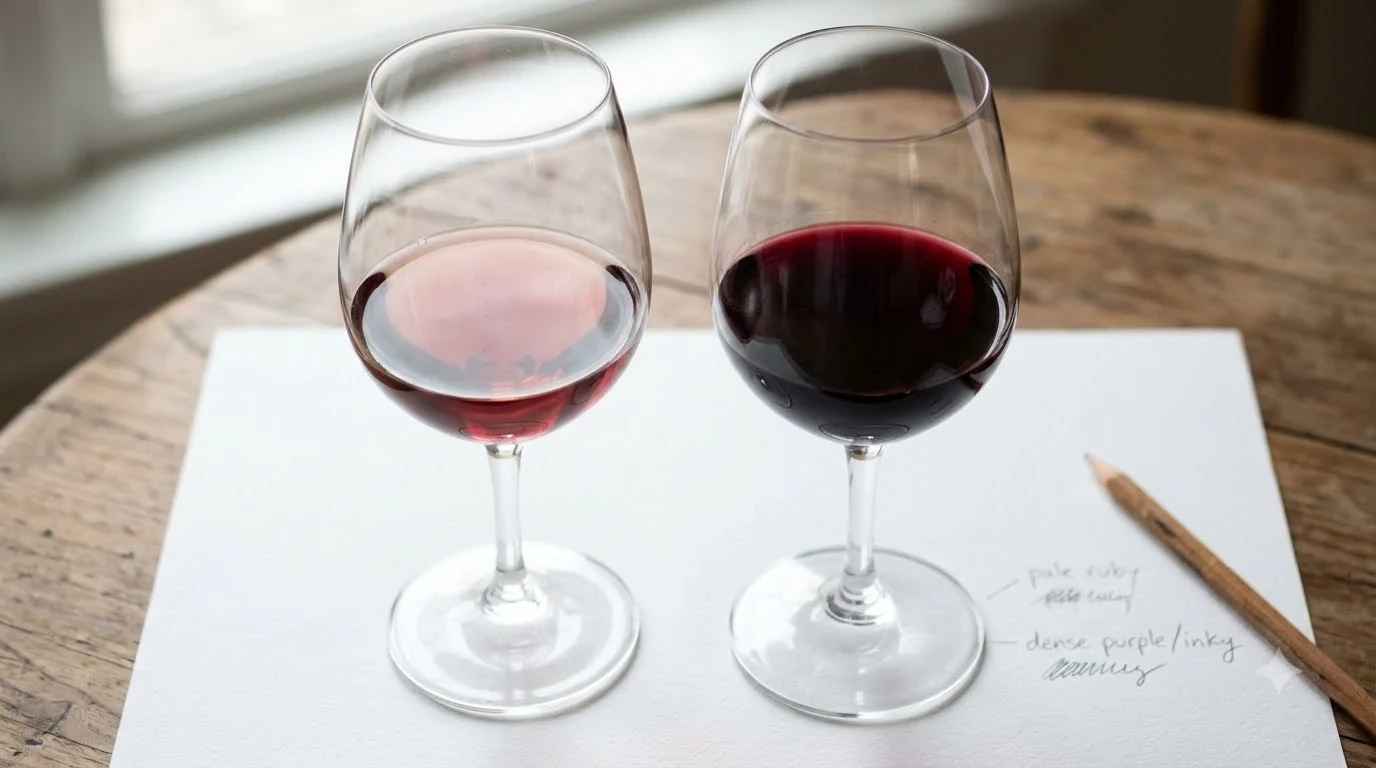

We may earn a commission when you buy through links on this page, at no extra cost to you. Learn more.
Flowers wine comes from Flowers Vineyards & Winery, a Healdsburg, California producer whose estate wines focus on Pinot Noir and Chardonnay from the far Sonoma Coast. The winery’s own site presents a focused range built around cool coastal fruit, and it offers limited-production bottlings to its wine club members. This guide covers the producer, what the two core wines taste like, and how to serve and pair them.
If you have seen the Flowers name on a shelf or a restaurant list and want to know what you are buying, this page gives you the practical picture. It sticks to what the winery publishes about its wines and explains the general style that cool-climate fruit usually produces.
Who makes Flowers wine
Flowers Vineyards & Winery is based at its House of Flowers in Healdsburg, in Sonoma County. According to the winery’s official website, the estate sits among gardens and redwood groves, and its grapes come from the far Sonoma Coast rather than from the warmer inland valleys. That geography runs through the producer’s whole description of its wines, so it is worth keeping in mind as you read the rest of this guide.
The winery’s site does not give a founding year or a detailed founding history beyond its copyright line, so this guide makes no claims about when the winery started or who started it. If you need that background, the winery’s own pages or a current wine reference are the best places to check.
What Flowers wines taste like
The producer describes its Pinot Noir and Chardonnay as elegant and expressive, with what it calls nuance, complexity and fresh coastal minerality. In plain terms, that points to a cool-climate style: bright acidity and a precise profile rather than heavy oak or ripe, jammy fruit. Cool coastal Pinot Noir usually shows red cherry, strawberry and earthy notes, while cool-climate Chardonnay leans toward citrus, green apple and a mineral finish. The exact aromas on any given bottle come from that vintage’s tasting notes, so check the label or the current listing for the bottle in front of you.
Those are the general tendencies of the style, not measured results from a tasting of this winery’s wines.

Pinot Noir and Chardonnay: the two core wines
Pinot Noir and Chardonnay are the two grapes the winery highlights, and both respond strongly to where they are grown. Pinot Noir is a light to medium-bodied red with high acidity, and its flavor shifts noticeably with the vineyard and the year. Chardonnay can range from lean and steely to rich and buttery, depending mostly on whether the winemaker uses oak and malolactic fermentation. A Chardonnay from a cool coastal site tends to be leaner than one from a warm inland valley, which is why the coastal origin matters for the style.
The table below compares the two wines at a glance, using the producer’s language and the general profile of each grape.
| Feature | Pinot Noir | Chardonnay |
|---|---|---|
| Body | Light to medium | Light to full, depending on oak |
| Acidity | High | Moderate to high in cool sites |
| Typical aromas | Red cherry, strawberry, earth | Citrus, green apple, mineral |
| Serving style | Slightly cool, not warm | Chilled, not ice cold |
Tip: Wine club members get access to limited-production wines, so the bottles on a store shelf may not match everything the winery offers its members.
How to serve Flowers wine
Serve the Pinot Noir slightly cool rather than at room temperature, which keeps its fruit and acidity in balance. A warm glass tends to make the wine taste flat and heavy, while a little cooling brings the red fruit forward. A standard medium-bodied red glass works well.
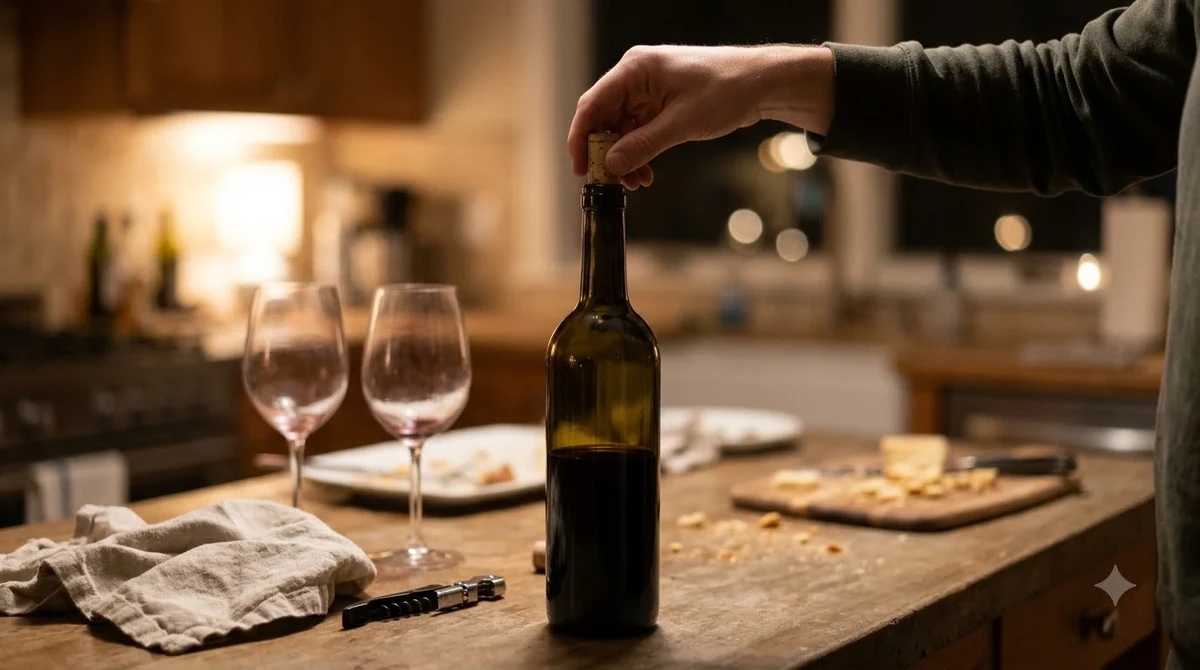
Chardonnay should be chilled but not ice cold. Very cold wine hides the aromas, so pull the bottle from the fridge a short time before pouring. A white wine glass with a moderate bowl lets the citrus and mineral notes come through.
Neither wine usually needs decanting when it is young. Opening the Pinot Noir shortly before pouring is enough, and the Chardonnay needs no air at all.
Food pairings that suit these wines
Pinot Noir is one of the most flexible red wines at the table. Its bright acidity cuts through fattier food, so it works with salmon, roast chicken, mushroom dishes, and lighter cuts of pork. It also suits tomato-based dishes that would overwhelm a heavier red.
Cool-climate Chardonnay pairs well with seafood, creamy pasta, roast chicken, and soft cheeses such as brie. A richer, oaked Chardonnay can handle lobster or a buttery sauce, but a lean coastal bottle is better matched with lemon, herbs, and white fish.
Why cool coastal fruit shapes the style
Coastal regions tend to be cooler than inland valleys for longer parts of the growing season. Fog and marine air slow ripening, so grapes keep more natural acidity and build flavor at a gentler pace. Winemakers working with fruit like this usually aim for wines that are fresh and tightly focused, not heavy or overtly sweet in fruit. That is the logic behind the producer’s wording about nuance and coastal minerality.
For a drinker, the practical result is a wine that feels lighter on the palate than its aromas might suggest. A Pinot Noir from a cool site often carries more tang and less body than one from a warm valley, and a Chardonnay tends to finish drier and cleaner. Neither style is better or worse in general; it depends on what you want from a glass at dinner.
Vintage matters too. A cool year can give bright, delicate wines, while a warmer year can add weight and ripeness to the same vineyard. Reading the year on the label helps you know which version of the house style you are getting.
How to choose a bottle
Start with the variety. If you like fresh, lighter reds, Pinot Noir is the most direct route into the producer’s range. If you prefer crisp white wine, the Chardonnay is the better fit. Then read the label for the vintage and the appellation. A Sonoma Coast designation signals the cool-climate style the winery describes, and the vintage tells you how the season shaped the fruit.
Ask the store or the winery’s club about current releases. Limited bottlings sell out, and the range can change from year to year, so the bottle you enjoyed last time may not be on the shelf now.
Building a small collection
A focused range like this one makes it easy to build a small cellar. Buying one Pinot Noir and one Chardonnay from the same producer lets you taste how the same coastal conditions show up in two different grapes. Keep notes on the vintage, the serving temperature and the food you paired, so you can see which bottle suits which meal.
Because Pinot Noir is sensitive to vintage, it is worth buying a few different years when you can. The same vineyard can taste brighter in a cool year and fuller in a warmer one, and the comparison teaches you more about the producer than a single bottle does.
Frequently Asked Questions
What wines does Flowers make?
Flowers Vineyards & Winery highlights Pinot Noir and Chardonnay on its website. Those are the two wines the producer describes, so they are the best place to start.
Where do Flowers grapes come from?
According to the winery, its grapes come from the far Sonoma Coast. The estate itself is in Healdsburg, in Sonoma County.
Is Flowers wine good for beginners?
Cool-climate Pinot Noir and Chardonnay tend to be approachable because they are fresh and not heavily oaked. A beginner can start with either wine and taste how coastal fruit differs from warmer regions.
Do I need to decant Flowers Pinot Noir?
Usually not. Young coastal Pinot Noir is light enough to drink without decanting. Opening it shortly before pouring is enough for most bottles.
Flowers wine is a clear example of a producer with a focused range. A Pinot Noir and a Chardonnay from a cool coastal site give you a clean introduction to the style. To compare how other producers frame their wines, see the wine brands guide, or read about Spottswoode to see how a Napa Valley house describes its own wines.
More in Wine Brands
 Underwood Wine Price: Compare Bottles, Cans, and Pack SizesUpdated Nov 21, 2026
 Zenato Wine Price: Compare Styles and Choose the Right BottleUpdated Nov 21, 2026
 Zuccardi Wine Price: Compare Bottles and Find the Right RangeUpdated Nov 21, 2026
 Yellow Tail Moscato Review: Taste, Sweetness and Serving TipsUpdated Nov 21, 2026
 Wolf Blass Yellow Label Review: Choose Your Best StyleUpdated Nov 21, 2026
 Wolffer Estate Rose Review: Choose the Right Bottle for Your TableUpdated Nov 21, 2026