

We may earn a commission when you buy through links on this page, at no extra cost to you. Learn more.
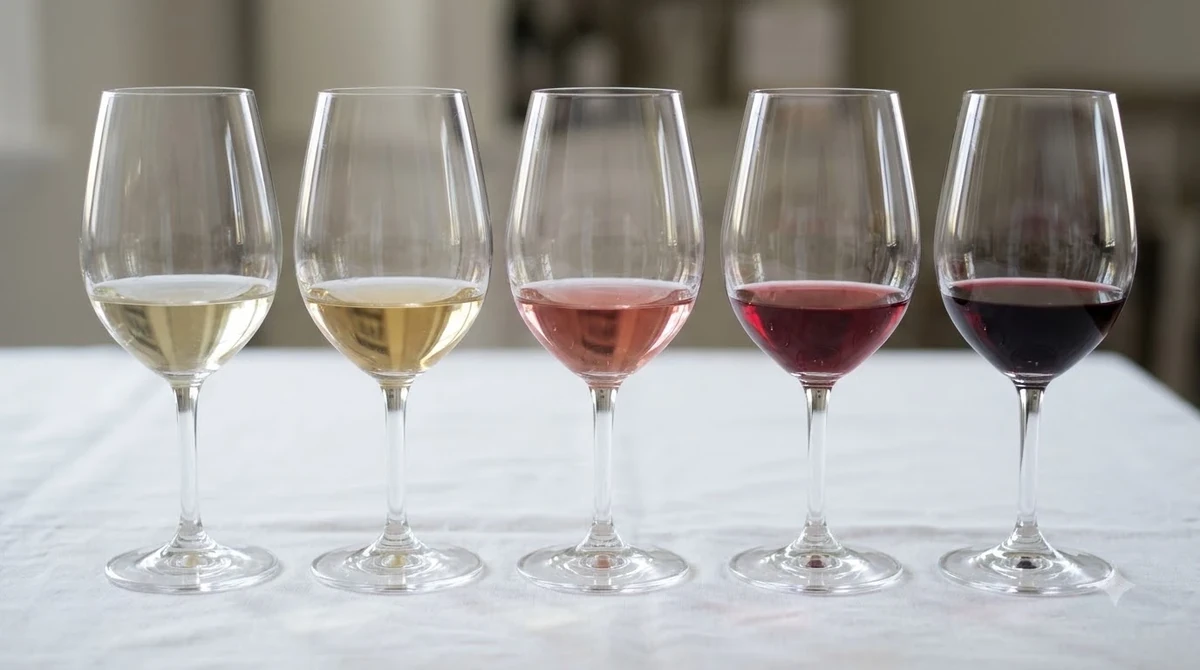
pinot noir vs sauvignon blanc comes down first to red versus white wine: Pinot Noir is typically a dry, light- to medium-bodied red with red-fruit flavors and fine tannins, while Sauvignon Blanc is usually a dry, high-acid white with citrus, herbal, and sometimes tropical notes. Both wines can feel fresh and lively, but they create different impressions on the palate and work with different dishes. Choose Pinot Noir for a gentle red with savory depth, or Sauvignon Blanc for a crisp white that brightens seafood, salads, and tangy sauces.
The comparison is not simply about color. Growing region, ripeness, fermentation, and aging can shift both wines from lean and restrained to fruit-forward and textured. Understanding those variables makes it easier to select a bottle that suits your meal and the style you enjoy.
The Core Differences in Color, Body, and Structure
Pinot Noir is a red wine made from dark-skinned grapes, while Sauvignon Blanc is a white wine made from green-skinned grapes. Pinot Noir is generally light- to medium-bodied with bright acidity and low-to-medium tannin; Sauvignon Blanc is usually light- to medium-bodied, high in acidity, and has little of the drying grip associated with red wines.
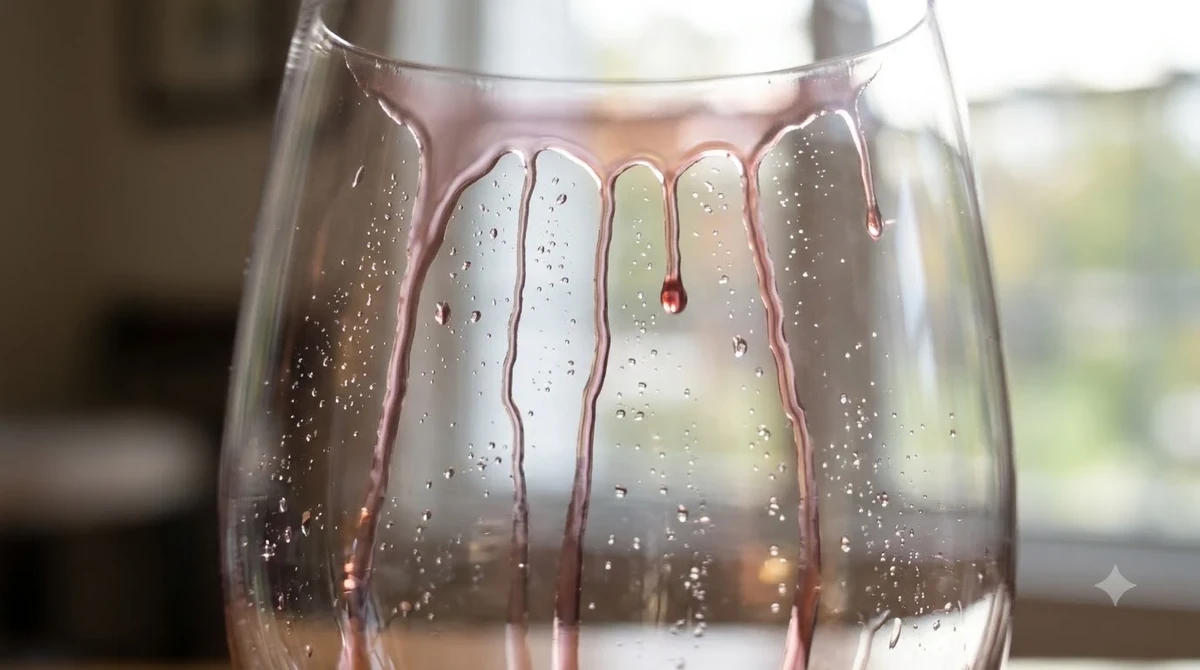
That difference in tannin is a key part of the contrast. Tannin comes largely from grape skins, seeds, and stems, and it creates a drying or gently gripping sensation along the gums. Pinot Noir’s thin skins contribute to a softer tannin profile than varieties such as Cabernet Sauvignon or Syrah. The result is a red wine that can feel silky rather than forceful, even when its flavors are concentrated. Sauvignon Blanc, made without extended contact with its green grape skins in most conventional styles, is more about crispness, aromatic intensity, and the clean finish created by acidity.
Both wines are commonly dry, so sweetness is not the main dividing line. A typical Pinot Noir may carry an alcohol level from 12% to 15%, while a typical Sauvignon Blanc often falls around 12.5% to 14% ABV, according to Wine Enthusiast’s varietal explainers. Those ranges overlap, and alcohol alone does not determine body: ripeness, extract, oak, and the winemaker’s choices also shape weight. A cool-climate Pinot at 12.5% can feel delicate, while a warmer-region example at 14.5% may seem broader and riper.
Aromas and Flavors in the Glass
Pinot Noir usually centers on red and dark fruit, with savory details that become more apparent as the wine opens. Sauvignon Blanc is more likely to show citrus, green herbs, fresh-cut grass, and sometimes passion fruit or other tropical notes.
In Pinot Noir, look for strawberry, raspberry, cranberry, red cherry, and, in riper examples, black cherry or plum. Cooler-climate bottles can add rose, tea leaf, forest floor, mushroom, or a hint of spice. Warmer growing conditions often bring more concentrated raspberry, cherry, or pomegranate, along with darker notes such as cola spice and cedar. Those aromas do not mean the wine contains fruit or spices; they are impressions that develop from the grape, the site, fermentation, and aging. Oak may contribute vanilla or toast, but the most appealing examples often keep the wood in the background so the fruit and savory character remain clear.
Sauvignon Blanc has a different aromatic vocabulary. Cooler sites and earlier picking tend to preserve green notes such as lime, grapefruit, gooseberry, green apple, asparagus, grass, and bell pepper. Riper fruit can shift the profile toward passion fruit, guava, melon, or other tropical flavors. Some Loire Valley examples show flinty or smoky mineral impressions, while New Zealand versions can be intensely pungent and aromatic. Sauvignon Blanc’s high acidity keeps these flavors brisk rather than soft or heavy. If a bottle seems unusually round, lees contact, a small amount of residual sugar, warmer-climate fruit, or oak may be part of the explanation.
Climate, Regions, and Winemaking Choices
Climate helps determine whether either grape tastes lean and savory or ripe and fruit-driven. Pinot Noir is particularly associated with cool growing areas such as Burgundy and Oregon’s Willamette Valley, while Sauvignon Blanc has major expressions in France’s Loire Valley, Bordeaux, Marlborough in New Zealand, and coastal Chile.
Pinot Noir is a demanding vineyard grape because its skins are thin and the berries are sensitive to weather, moisture, and sun exposure. Cooler conditions help preserve acidity and allow flavors to develop gradually. In Burgundy, examples often show cranberry, cherry, rose, mushroom, and forest-floor notes. In Oregon, the Oregon Wine Board’s overview of Oregon varieties identifies Pinot Noir as the state’s flagship variety and highlights the Willamette Valley as a major growing area; it also reports that Pinot Noir accounts for 59% of Oregon’s planted vineyard acres. Oregon examples can combine fresh acidity with red and black fruit and hints of cinnamon, sassafras, or mint. California’s warmer sites often produce more generous fruit and a fuller impression.
Sauvignon Blanc also favors cool to moderate conditions, but the grape’s style is shaped by picking date, canopy exposure, and fermentation choices. In Marlborough, New Zealand, sunny days and pronounced day-to-night temperature changes help build flavor while preserving acidity, as described in New Zealand Wine’s regional Sauvignon Blanc overview. The Awatere Valley is associated with more herbaceous and mineral styles, while the Wairau Valley often produces riper, more tropical examples. In the Loire Valley, Sancerre and Pouilly-Fumé are famous for dry, high-acid wines with green aromatics. Coastal areas such as Chile’s Casablanca Valley receive cooling sea breezes and morning fog, which help retain freshness in a warmer latitude.
Winemaking can widen the gap or bring the wines into more complex territory. Many Sauvignon Blanc producers use stainless steel to retain fresh fruit and herbal aromas, but some Bordeaux producers ferment or age the wine in oak and blend it with Sémillon for added texture and complexity. Pinot Noir may be aged in French oak, although heavy new-oak influence can cover its subtle fruit and savory details. Whole-cluster fermentation, gentle extraction, and the proportion of new barrels all affect a Pinot’s spice, tannin, and texture. For both grapes, a label’s region is a practical clue, not a guarantee of a single flavor profile.
Food Pairings for Each Wine
Pinot Noir is the more natural choice for dishes that benefit from a light red, fine tannin, and savory fruit. Sauvignon Blanc is the more reliable match for fresh seafood, herbs, crisp vegetables, citrus, and tangy dressings.
When Pinot Noir works best
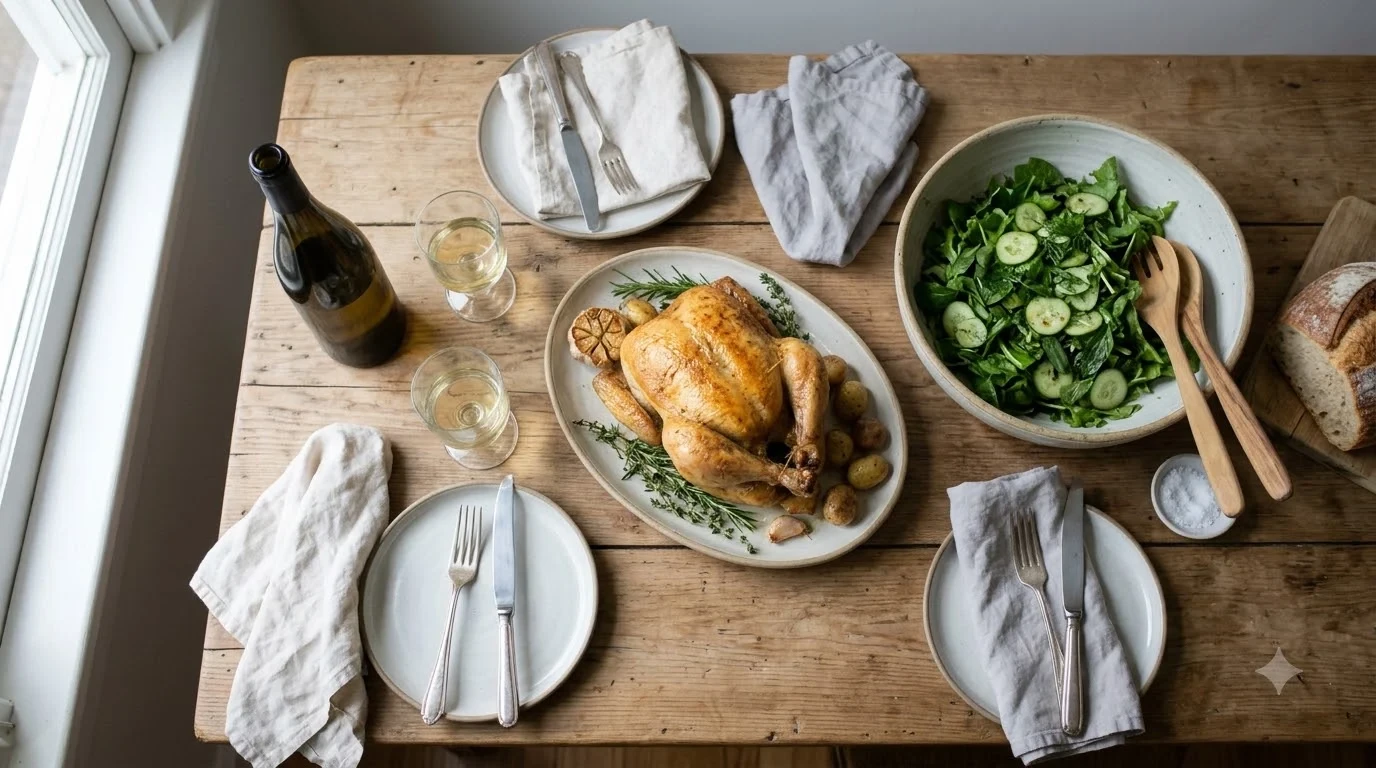
Pinot Noir’s acidity and moderate tannin make it flexible with poultry, pork, duck, mushrooms, and salmon. Try it with roast chicken and herbs, pork tenderloin, duck breast, mushroom risotto, or grilled salmon with a savory glaze. The wine’s red-fruit character can echo cranberry or cherry sauces, while earthy notes in a mature or cool-climate bottle can connect with mushrooms, thyme, and roasted root vegetables. A lighter Pinot can also work with seared tuna or trout, especially when the preparation includes soy, miso, or browned butter rather than a very sharp citrus dressing.
Think about the intensity of the dish. A delicate Pinot can be overwhelmed by very spicy barbecue, heavily smoked meat, or a sauce that is much sweeter and richer than the wine. Salt and fat soften tannin, so a little seasoning, roasted skin, or a creamy element can make Pinot Noir taste smoother. It is also a sensible red choice for diners who find Cabernet Sauvignon too firm or too tannic. For another red-grape comparison, see Grenache vs Pinot Noir, where the two varieties offer different ways to pair lighter-bodied reds with a meal.
When Sauvignon Blanc works best
Sauvignon Blanc’s high acidity cuts through richness and refreshes the palate between bites. Pair it with oysters, shrimp, scallops, white fish, goat cheese, green salads, asparagus, spring vegetables, or dishes with lemon, garlic, and fresh herbs. It also works with tomatoes and vinegar-based dressings because the wine’s acidity can stand up to those sharp flavors. A crisp Marlborough Sauvignon Blanc is a classic choice for shellfish, while a more restrained Loire Valley version can be especially good with goat cheese or simply prepared white fish.
Acidic food needs a wine with equal or higher acidity, which is one reason Sauvignon Blanc is often a better match than a soft, low-acid white for vinaigrette or tomatoes. Avoid pairing it with very hot chili dishes if the wine is high in alcohol: alcohol can amplify chili heat and make the pairing feel harsher. Pinot Noir can work with salmon and richer fish, but oily fish such as mackerel can be difficult with strongly tannic reds; Pinot’s relatively gentle tannins make it more adaptable than a heavily structured red, though the preparation still matters. For a white-grape comparison that narrows the choice further, compare the body, acidity, and typical flavor profile of Pinot Blanc with those of Pinot Noir.
Serving, Storage, and Bottle Comparison
Serve Sauvignon Blanc colder than Pinot Noir so its freshness stays vivid without muting its aromas. A light Sauvignon Blanc is usually best around 45–50°F, while a light Pinot Noir is most expressive around 55–60°F.
Temperature changes how the wines feel. Too-cold Sauvignon Blanc can seem muted, with less obvious citrus and herbal character; too-warm Sauvignon Blanc can taste softer and make its alcohol more noticeable. Pinot Noir served straight from a warm room may seem flat or more alcoholic, while a slight chill can sharpen its red fruit and acidity. Put a white in the refrigerator ahead of dinner, then let it warm briefly in the glass if it seems overly restrained. For Pinot Noir, a short refrigerator chill is often enough; avoid serving it at the same very cold temperature used for sparkling wine.
The comparison below gives typical ranges rather than rules for every bottle. Body and flavor can vary by climate and cellar technique, but the broad differences are consistent enough to guide a purchase or a restaurant order.
| Characteristic | Pinot Noir | Sauvignon Blanc |
|---|---|---|
| Wine color | Red | White |
| Typical body | Light to medium | Light to medium |
| Acidity | High | High |
| Tannin | Low to medium | Very low in most standard styles |
| Typical alcohol | 12–15% ABV | 12.5–14% ABV |
| Common flavors | Strawberry, raspberry, cherry, mushroom | Lime, grapefruit, gooseberry, grass, passion fruit |
| Serving temperature | 55–60°F for lighter styles | 45–50°F for fresh, light styles |
| Typical food matches | Roast chicken, duck, pork, mushrooms, salmon | Shellfish, white fish, salads, goat cheese, citrus sauces |
For storage, keep unopened bottles away from heat, direct light, and frequent temperature swings; a cool, stable cellar near 55°F is a useful target. Store bottles with natural corks on their sides so the cork remains in contact with the wine. After opening, refrigerate both wines and replace the closure. Most still wines are best used within 3–5 days, though delicate Pinot Noir may show its best fruit earlier and a crisp Sauvignon Blanc may begin to lose its freshness after a few days.
Tip: When comparing the two wines, taste them in separate clean glasses and serve each at its recommended temperature. Start with Sauvignon Blanc, then taste Pinot Noir; the red wine’s tannin and deeper fruit can make the white seem less expressive if you reverse the order.
How to Choose a Style for Your Taste and Occasion
Choose Pinot Noir if you want a red wine with freshness, gentle tannin, and red-fruit or savory flavors; choose Sauvignon Blanc if you want a crisp white with pronounced acidity and citrus, herbal, or tropical aromas. The best bottle depends as much on the occasion and the dish as on the grape name.
For a red-wine drinker who usually chooses Merlot, Pinot Noir offers a lighter frame and more lift, though its acidity can be more noticeable. If you like Cabernet Sauvignon, expect Pinot Noir to feel less tannic and less forceful, with more delicate fruit and earthy detail. A person who enjoys Beaujolais or lighter reds may also appreciate Pinot Noir’s freshness. Look for Burgundy or cool-climate Oregon when you prefer more restraint, and consider a riper California or Australian bottle when you want fuller fruit and a softer impression of acidity.
For a white-wine drinker who likes sharp, refreshing styles, Sauvignon Blanc is a natural fit. Fans of high-acid Riesling may enjoy its energy, although Sauvignon Blanc is usually less floral and less likely to show pronounced sweetness. Compared with Chardonnay, it is generally brighter, more overtly aromatic, and less creamy in its classic stainless-steel form. If you are sorting through other white grapes, the comparison of Pinot Blanc vs Sauvignon Blanc is a useful reminder that a grape name beginning with “Pinot” does not mean the wines share the same color or structure.
Consider the setting as well. Pinot Noir is a good choice for a dinner built around roast poultry, pork, mushrooms, duck, or a richer fish preparation. Sauvignon Blanc is well suited to a warm-weather lunch, shellfish, salads, grilled vegetables, or dishes with lemon and herbs. For a broader way to compare grape styles before choosing, use the site’s Wine vs Wine resource. It helps organize the decision around color, acidity, body, tannin, and the food on the table rather than assuming that one grape is always the better wine.
Frequently Asked Questions
Can Pinot Noir ever be made as a white wine?
Yes. Pinot Noir grapes can be pressed quickly with minimal skin contact to make a pale wine, and the grape is also used in blanc de noirs sparkling wines. The familiar red style gets its color from contact with the dark grape skins during production.
Is Sauvignon Blanc ever used in sweet wine?
Yes. Sauvignon Blanc is one of the grapes used in Sauternes, the sweet wine appellation in Bordeaux, where it is often blended with Sémillon and sometimes Muscadelle. This is a very different style from the dry, crisp Sauvignon Blanc most often sold as a table wine.
What does Fumé Blanc mean on a bottle?
Fumé Blanc is a name used by some American producers for Sauvignon Blanc. It does not identify a separate grape variety, and it does not guarantee that the wine was aged in oak or has a smoky flavor.
Can Pinot Noir be used to make rosé?
Yes. Pinot Noir can be made into rosé when the juice has brief contact with the skins, giving it a pink hue rather than the deeper color of a red Pinot Noir. Rosé made from this grape often emphasizes strawberry, raspberry, and fresh acidity.
Does Sauvignon Blanc always need to be unoaked?
No. Stainless steel is common because it preserves fresh aromas, but some producers ferment or mature Sauvignon Blanc in barrels. Oak-aged examples, especially in Bordeaux blends with Sémillon, can have more texture and notes of vanilla, spice, or toast.
Pinot Noir and Sauvignon Blanc both bring freshness, but they serve different tastes and meals: one offers a supple red with fine tannin, while the other delivers a vivid white with citrus and herbal lift. Match the grape to the dish, choose a region that suits your preferred flavor profile, and serve the bottle at the right temperature for the clearest expression.
More in Wine vs Wine
 Nero d’Avola vs Pinot Noir: Taste, Body, and Pairing DifferencesUpdated Nov 21, 2026
 Chenin Blanc vs Pinot Blanc: Key Differences in Taste, Acidity, and PairingsUpdated Nov 21, 2026
 Chardonnay vs Shiraz: Key Differences in Taste, Serving, and PairingUpdated Nov 21, 2026
 Chardonnay vs Verdejo: How Spain’s Crisp White Compares to the World’s ChameleonUpdated Nov 21, 2026
 Chardonnay vs Sancerre: Key Differences in Taste, Grapes, and PairingUpdated Nov 21, 2026
 Chardonnay vs Malbec: Key Differences in Taste, Body, and PairingUpdated Nov 21, 2026