

We may earn a commission when you buy through links on this page, at no extra cost to you. Learn more.
Chardonnay vs Pinot Grigio: Chardonnay is usually fuller and can taste buttery or oaky, while Pinot Grigio is lighter, crisper, and more often dry with citrus and stone-fruit notes. Chardonnay’s style depends heavily on whether it was aged in oak and whether it went through malolactic fermentation, so it ranges from lean to rich. Pinot Grigio is the Italian name for Pinot Gris, and its style depends mainly on where it is grown. Both are dry white wines that pair well with food, but they suit different moods and meals.
If you are choosing between a bottle of Chardonnay and a bottle of Pinot Grigio, the difference is more than a matter of grape name. The two wines come from different grapes, and they are shaped by different winemaking choices and climates. This guide compares them by flavor, body, acidity, alcohol, oak, and serving temperature, so you can pick the one that fits your evening.
What makes Chardonnay different
Chardonnay is one of the most widely planted white grapes in the world, and it adapts to many styles. It can be bright and mineral, or rich and creamy, and the winemaker’s choices account for much of the difference. Oak, barrel aging, and malolactic fermentation are the three factors that most often shape a Chardonnay.
Oak adds vanilla, baking spice, and toast, and the amount depends on the barrel size, the type of oak, the toast level, and how long the wine ages. Malolactic fermentation softens the acidity and, through a compound called diacetyl, adds a buttery character. Together these choices explain why one Chardonnay tastes like green apple and chalk while another tastes like butter and vanilla.
What makes Pinot Grigio different
Pinot Grigio is the Italian name for the Pinot Gris grape, so the two names describe the same grape. Its character depends on where the grapes are grown and how the wine is made. Italy is the largest producer by volume, and the Italian style is usually the lightest and freshest version.
The grape’s typical flavors include white peach, lemon zest, cantaloupe, green almond, and crushed gravel. In the Alpine foothills of Alto Adige, Pinot Grigio can show ripe stone fruit, ginger, and floral notes, and in Friuli the wine often shows ripe stone fruit, floral hints, and subtle spice. Italian Pinot Grigio is usually dry, with a bitter almond note and bright acidity.
Flavor side by side
Chardonnay and Pinot Grigio share some fruit flavors, but the way they express them is different. Chardonnay often leans toward lemon, yellow apple, and pineapple, with butter and vanilla if it is oaked. Unoaked Chardonnay, such as the style from Chablis, shifts toward green apple, pear, citrus, and a chalky minerality. Oaked Chardonnay tends toward peach, mango, and lemon, with vanilla and butter on top.
Pinot Grigio is more consistently fresh. Its citrus and white peach notes are usually the clearest signal, and the crushed-gravel or almond notes add a savory edge. If you enjoy the bright side of a white wine without a lot of cream or spice, Pinot Grigio is the more direct choice.
| Feature | Chardonnay | Pinot Grigio |
|---|---|---|
| Typical flavors | Lemon, yellow apple, pineapple; butter and vanilla when oaked | White peach, lemon zest, cantaloupe, green almond |
| Body | Medium; light and crisp when unoaked, fuller and creamy when oaked | Medium-light; Italian style is usually the lightest |
| Acidity | Medium overall; higher in lean styles, moderate in oaked styles | Medium-high, often described as brilliant in Italian versions |
| Alcohol | Lean styles about 12 to 13.5% ABV; richer styles up to 14.5 to 15% | About 11.5 to 13.5% ABV for Pinot Gris overall |
| Typical sweetness | Dry | Usually dry |
Body and texture
Body is where Chardonnay and Pinot Grigio feel most different in the glass. Chardonnay can range from light and crisp to creamy and full, and the oak and malolactic choices decide which end you get. An oaked bottle has a richer mouthfeel that coats the palate, while an unoaked bottle feels sharper and cleaner.
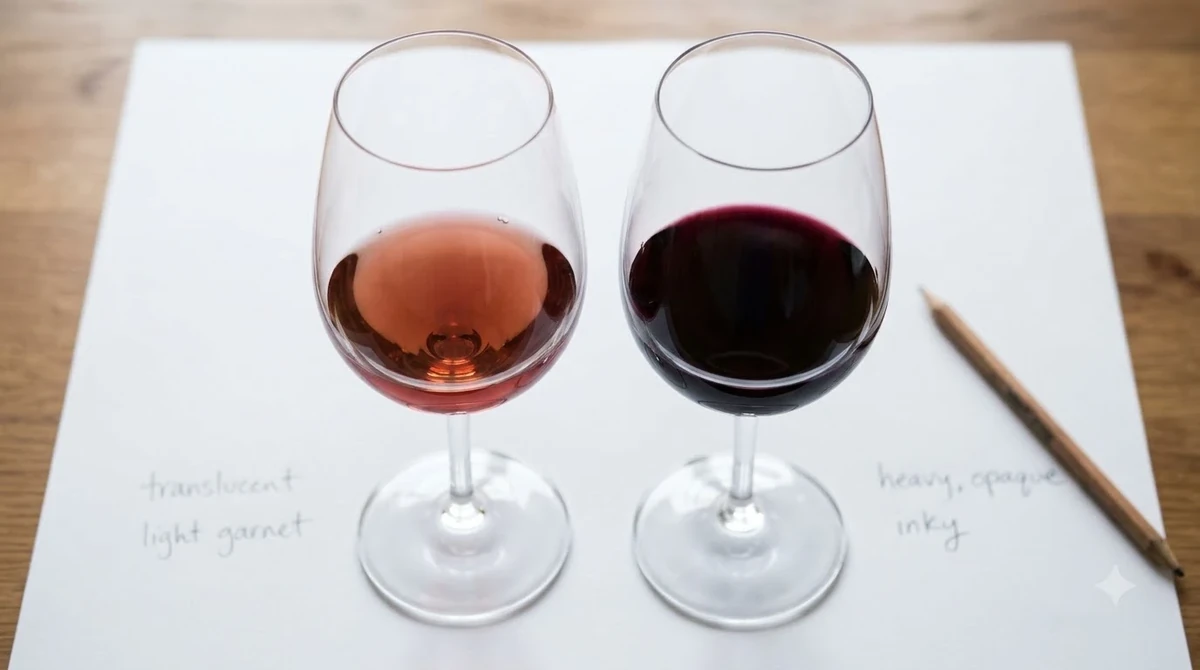
Pinot Grigio stays nearer the light end. Italian versions are generally the lightest and freshest, and the wine does not usually carry the creamy weight of an oaked Chardonnay. Some bottles from Alto Adige and Friuli can be fuller, but they still sit below most oaked Chardonnays in body.
Acidity and alcohol
Acidity is a useful guide to how a white wine will taste with food. Pinot Grigio is usually higher in acidity, which gives it a crisp, refreshing edge. Chardonnay’s acidity depends on the style: a lean, cool-climate bottle can be sharp, while an oaked bottle has softer acid.
Alcohol levels overlap more than many people expect. Wine Folly gives lean Chardonnay styles at about 12 to 13.5% ABV and richer styles up to 14.5 to 15%. Pinot Gris, which is the same grape as Pinot Grigio, is listed at about 11.5 to 13.5% ABV. In practice, the style and region matter more than the grape name when you are comparing the two.
For a clear overview of how each grape tastes, the Wine Folly Chardonnay guide explains the oak and malolactic influence in more detail.
Serving temperature and glassware
Both wines are best served chilled, but the ideal temperature changes with the style. Sparkling Chardonnay is served at 38 to 45°F (3 to 7°C), a Chablis-style Chardonnay is best around 45°F (7°C), and oaked styles are served at about 55°F (12°C). Pinot Grigio is usually served between 45 and 55°F (7 to 12°C), and fuller or skin-contact styles can be slightly warmer.
A standard white wine glass works for both. A wider bowl helps an oaked Chardonnay show its aroma, while a narrower glass can keep a light Pinot Grigio fresh. Decanting is not needed for either wine.
Tip: If a Chardonnay tastes heavy, chill it a few degrees colder before serving. The cooler temperature tends to lift the acidity and make the wine feel lighter.
Which one to choose with food
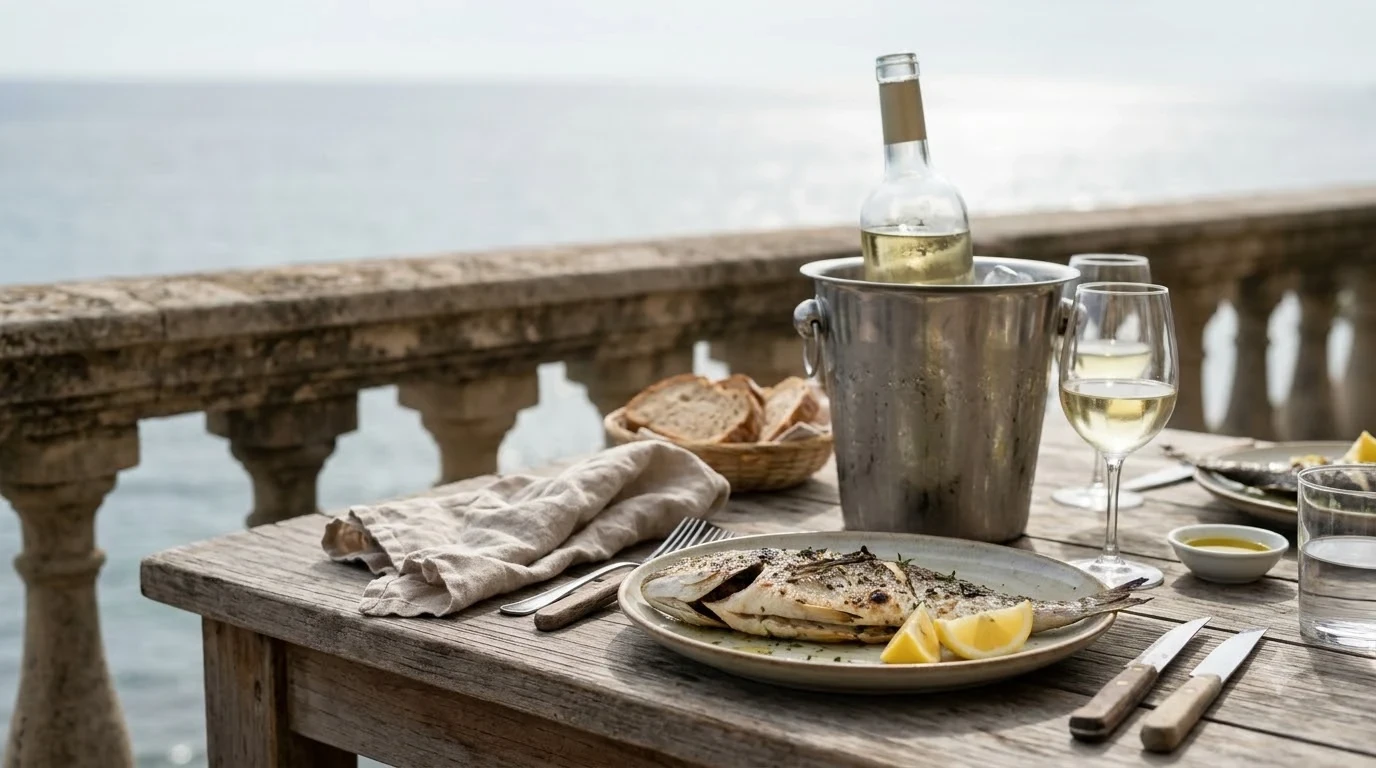
Pinot Grigio is a natural match for lighter meals. It suits seafood, salads, fresh cheeses, and dishes with herbs or lemon, because its acidity and citrus notes cut through the flavors without overwhelming them. It also works well as an aperitif.
Chardonnay is more flexible at the richer end of the table. Oaked styles pair with roast chicken, creamy pasta, and buttery sauces, where the wine’s texture matches the food. Unoaked Chardonnay is closer to Pinot Grigio in spirit and works well with fish and lighter vegetable dishes. The key is to match body with body: a light Chardonnay and a light Pinot Grigio can handle similar dishes, but a heavily oaked Chardonnay needs richer food.
If you are still unsure, start with the comparison on pinot grigio vs sauvignon blanc, which shows how a lean Italian white compares with a more aromatic grape. For a closer look at the Pinot family, see pinot grigio vs pinot gris, and for a related Chardonnay comparison, read chardonnay vs pinot gris. You can also browse the full set of Wine vs Wine guides.
Frequently Asked Questions
Is Chardonnay sweeter than Pinot Grigio?
Usually not. Both are most often dry. Chardonnay can feel richer and rounder because of oak and malolactic fermentation, while Pinot Grigio tends to taste crisper and lighter.
Which is lighter, Chardonnay or Pinot Grigio?
Pinot Grigio is usually the lighter wine, especially the Italian style. Lean, unoaked Chardonnay can be just as light, but oaked Chardonnay is fuller and creamier.
Is Pinot Grigio the same grape as Pinot Gris?
Yes. Pinot Grigio is the Italian name for Pinot Gris. The style on the label depends on where the grapes were grown and how the wine was made.
Which should I choose for a dinner party?
Choose Pinot Grigio for a light, seafood-friendly menu. Choose an oaked Chardonnay if the menu includes richer dishes such as roast chicken or creamy sauces.
Chardonnay and Pinot Grigio are both easy to enjoy, and the best choice depends on the food and the style you prefer. Look at the label for oak, region, and alcohol, and pick the bottle that matches the body you want.
More in Wine vs Wine
 Nero d’Avola vs Pinot Noir: Taste, Body, and Pairing DifferencesUpdated Nov 21, 2026
 Chenin Blanc vs Pinot Blanc: Key Differences in Taste, Acidity, and PairingsUpdated Nov 21, 2026
 Chardonnay vs Shiraz: Key Differences in Taste, Serving, and PairingUpdated Nov 21, 2026
 Chardonnay vs Verdejo: How Spain’s Crisp White Compares to the World’s ChameleonUpdated Nov 21, 2026
 Chardonnay vs Sancerre: Key Differences in Taste, Grapes, and PairingUpdated Nov 21, 2026
 Chardonnay vs Malbec: Key Differences in Taste, Body, and PairingUpdated Nov 21, 2026