

We may earn a commission when you buy through links on this page, at no extra cost to you. Learn more.
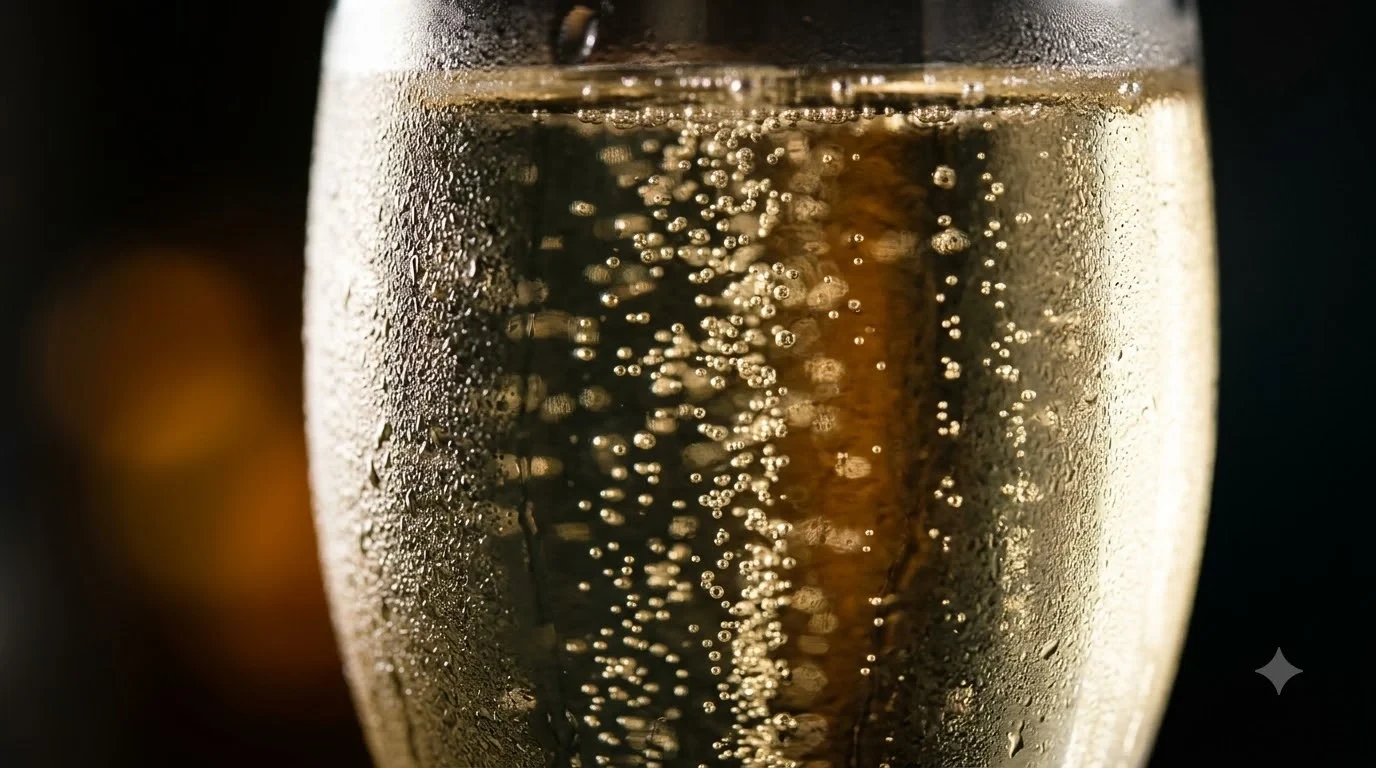
The core difference in cava vs champagne comes down to regional origin, grape varieties, and climate, even though both sparkling wines rely on the exact same traditional bottle-fermentation method. Champagne originates exclusively in the cool northern French region of Champagne using Pinot Noir, Chardonnay, and Pinot Meunier, resulting in piercing acidity and prominent brioche notes. Cava hails primarily from Spain’s sunnier Catalonia region using indigenous white varieties—Macabeo, Xarel-lo, and Parellada—to produce a fruit-forward, earthy sparkler with softer acidity.
Standing in the sparkling wine aisle often forces a choice between a classic French benchmark and its Spanish counterpart. Because both styles generate their bubbles inside the individual bottle rather than a pressurized steel tank, they share a creamy texture and fine mousse that tank-fermented wines like Prosecco cannot replicate. Understanding how terroir, grape genetics, and aging rules separate these two bottles makes it easy to pick the right sparkler for any dinner table or celebration, much like comparing Wine vs Wine across other classic regions.
What Is Cava vs Champagne?
Cava and Champagne are both Denominations of Origin sparkling wines produced via the traditional method, meaning secondary fermentation occurs directly inside the sealed bottle you purchase. Despite sharing this labor-intensive production technique, international wine law strictly separates them by geography, permitted grape varieties, and minimum cellar aging requirements.
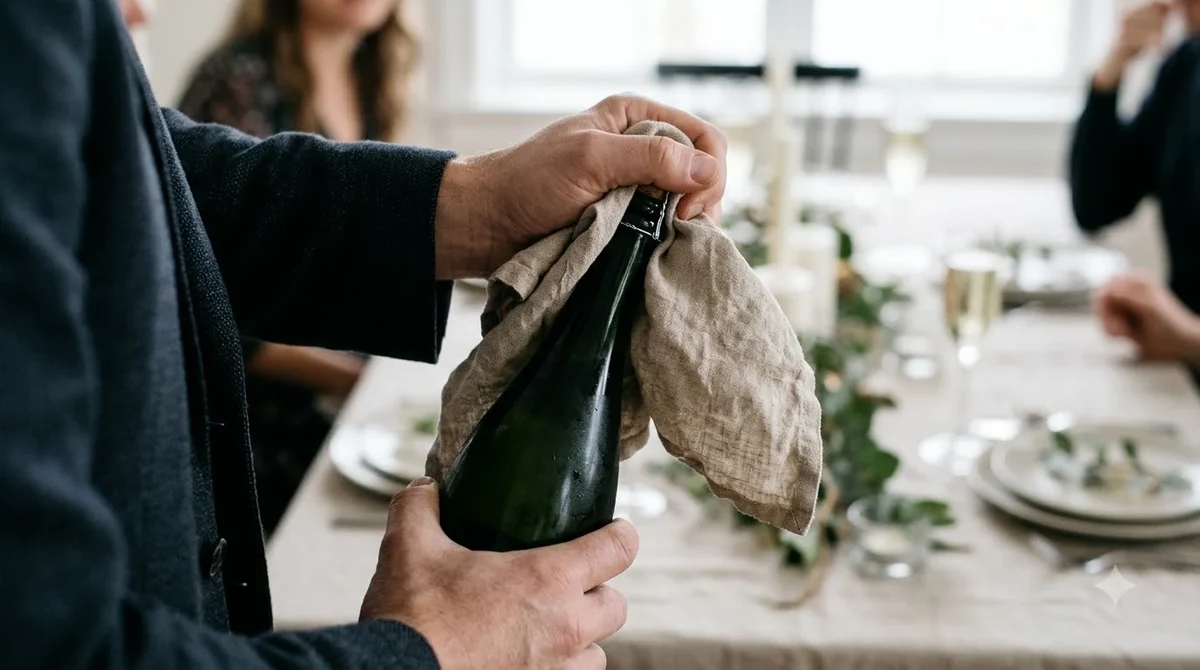
In northern France, Champagne is protected under an Appellation d’Origine Contrôlée (AOC) that limits production to a specific cool-climate territory northeast of Paris. Winemakers ferment a dry still base wine, add a mixture of yeast and sugar called liqueur de tirage, and seal the bottle with a crown cap. As the yeast consumes the sugar inside the glass, trapped carbon dioxide dissolves into the wine, creating about five atmospheres of pressure—roughly 75 psi—according to Wine Folly.
In Spain, Cava operates under its own Denominación de Origen (DO), with the vast majority of production centered around Sant Sadurní d’Anoia in Catalonia’s Penedès region, alongside smaller approved zones in Valencia, Rioja, Navarra, Aragon, and Extremadura. Spanish winemakers adopted the French bottle-fermentation technique in the late nineteenth century, applying it to local Mediterranean vineyards. While you will never see the French term méthode champenoise on a Spanish label due to European naming protections, the physical cellar steps—fermentation, riddling, disgorgement, and dosage—remain identical.
Flavor and Styles
Champagne typically delivers razor-sharp acidity, green apple, lemon zest, and pronounced autolytic aromas of toasted brioche and roasted almonds, whereas Cava leans toward riper orchard fruit, Meyer lemon, earthy herbal notes, and gentler acidity. Both wines span the exact same sweetness spectrum from bone-dry Brut Nature to sweet Doux, and both are produced in white and rosé expressions.
Climate dictates the baseline flavor architecture of each wine before cellar aging even begins. Champagne sits near the northern limit of viable viticulture, where cool temperatures preserve high levels of malic acid in the grapes. That brisk acidity gives young Champagne its signature electric tension on the palate, which winemakers often soften through malolactic fermentation or reserve wine blending. In contrast, Catalonia’s warmer Mediterranean sunshine ripens grapes more fully, yielding Cava with rounder yellow apple, pear, and white peach flavors alongside a distinct savory, stony undertone from the native Xarel-lo grape.
Aging on the spent yeast cells—known as autolysis—builds complexity in both regions, yet the minimum legal timelines differ dramatically. According to the Comité Champagne, non-vintage Champagne must mature for at least 15 months from bottling to release, including a minimum of 12 months resting on its lees, while vintage Champagne requires at least three years. Standard Cava de Guarda requires just 9 months on the lees, producing a bright, crisp everyday aperitif. However, stepping up to Cava Reserva (18 months minimum) or Cava Gran Reserva (30 months minimum) unlocks deep pastry, hazelnut, and marzipan character that rivals non-vintage Champagne.
| Attribute | Cava | Champagne |
|---|---|---|
| Primary Region | Catalonia (Penedès), Spain | Champagne AOC, Northern France |
| Core Grapes | Macabeo, Xarel-lo, Parellada | Pinot Noir, Chardonnay, Pinot Meunier |
| Climate | Mediterranean (warm, sunny) | Continental / Maritime (cool) |
| Minimum Aging | 9 months (18 for Reserva, 30 for Gran Reserva) | 15 months (non-vintage), 36 months (vintage) |
| Acidity & Body | Medium-high acidity, earthy, ripe citrus | Piercing acidity, chalky, brioche and toast |
| Serving Temp | 38–45°F (young) to 46–50°F (aged) | 45–50°F |
Where They Grow and Core Grapes
Champagne relies on three primary varieties—Pinot Noir, Chardonnay, and Pinot Meunier—grown across chalky northern French slopes, while traditional Cava blends three indigenous Spanish white grapes: Macabeo, Xarel-lo, and Parellada. Each grape contributes a specific structural element to the final blend, functioning much like the blending dynamics seen in cabernet sauvignon vs shiraz.
In Champagne, red grapes actually account for the majority of vineyard plantings, with Pinot Noir and Pinot Meunier providing red-fruit depth, mid-palate weight, and structural backbone, while Chardonnay brings citrus precision and aging longevity. Bottles made exclusively from white grapes are labeled Blanc de Blancs and taste linear and mineral-driven, whereas Blanc de Noirs—pressed gently from dark-skinned grapes without skin contact—offer richer texture and subtle berry notes. Soil also plays a starring role: Champagne’s famous Kimmeridgian and Belemnite chalk subsoils retain moisture while forcing roots deep into mineral-rich bedrock.
Cava’s traditional trio works as an interlocking puzzle across varying vineyard elevations in northeastern Spain. Macabeo (known as Viura in Rioja) grows on lower slopes and supplies fresh floral aromatics and green apple brightness. Xarel-lo thrives in warm coastal plains, contributing body, phenolic grip, and the unmistakable earthy, herbaceous complexity that distinguishes Cava from French sparklers. Finally, Parellada grows in cooler, high-altitude vineyards, lending delicate white-blossom perfume and crisp acidity to balance the blend. Spanish regulators also permit Chardonnay, Pinot Noir, Garnacha, Trepat, and Monastrell, particularly in rosé bottlings and modern cuvées.
How to Serve Both Sparkling Wines
Serve young, crisp Cava well chilled between 38°F and 45°F to highlight its refreshing citrus snap, while non-vintage Champagne and aged Cava Reserva or Gran Reserva shine slightly warmer at 45°F to 50°F. Pouring either wine into a tulip-shaped glass rather than a narrow flute concentrates delicate aromatics without sacrificing effervescence.

Temperature governs how carbon dioxide behaves in the glass and how clearly you perceive secondary aging aromas. If a bottle is served too warm, internal pressure spikes, causing the cork to eject aggressively and the bubbles to foam away within seconds. Conversely, serving an aged vintage Champagne or 30-month Gran Reserva Cava straight from an ice bath numbs your palate and masks nuanced notes of toasted almond, dried fig, and brioche. Chilling a room-temperature bottle in a bucket filled with half ice and half cold water brings it to ideal serving range in 20 to 30 minutes without risking thermal shock in a freezer.
Glassware choice also shapes the tasting experience. Traditional narrow flutes preserve a vertical stream of bubbles, making them practical for outdoor receptions, yet their tight rim traps aromas away from your nose. A tulip glass—wider at the bowl and gently tapered at the top—or a standard white wine glass gives complex sparkling wines room to breathe so you can appreciate both fruit and lees-aged toastiness.
Tip: When opening either bottle, hold the cork firmly while twisting the base of the glass bottle at a 45-degree angle so it releases with a quiet sigh rather than a loud pop, keeping maximum carbonation dissolved in the wine.
Food Pairing
Both Cava and Champagne rank among the most versatile food wines on the table because high acidity and fine carbonation cleanse fat, salt, and fried textures between bites. Champagne’s sharper acidity and brioche richness excel alongside shellfish, creamy sauces, and poultry, while Cava’s earthy, citrus-driven profile pairs effortlessly with tapas, cured meats, and saffron-spiced rice dishes.
Salt and fat act as natural allies to dry sparkling wine. Salty snacks—from French fries and potato chips to Marcona almonds and aged Manchego—soften the perception of high acidity and amplify subtle fruit notes in the glass. With Champagne, classic pairings lean into richness and delicate ocean salinity: raw oysters, steamed lobster with drawn butter, triple-cream Brie, or mushroom risotto echo the wine’s chalky minerality and toasty yeast character. If you enjoy comparing how acidity and structure interact with rich dishes across red wines too, exploring malbec vs pinot noir highlights a similar contrast between weight and brightness.
Cava brings an unmistakable Mediterranean affinity to savory, herb-laced plates. Its moderate acidity and nutty undertones handle garlic shrimp (gambas al ajillo), jamón ibérico, fried calamari, and seafood paella without clashing against saffron or olive oil. For either wine, avoid pairing dry Brut styles with sweet desserts; sugar on the plate makes dry sparkling wine taste thin and sour, so reach for a Demi-Sec bottling if cake or pastry is on the menu.
How to Choose a Bottle
Reading the dosage level and aging tier on the label lets you predict the exact flavor profile of either wine before pulling the cork. Look for Brut or Brut Nature when you want crisp dryness, and check Cava’s back-label guarantee stamp to identify longer-aged Reserva and Gran Reserva bottles.
First, check the sweetness designation printed on the front label, which follows identical European Union rules for both regions. Brut Nature (0–3 grams per liter of residual sugar) and Extra Brut (0–6 g/L) contain virtually no added sugar and taste bone-dry, making them ideal for raw seafood and salty appetizers. Brut (under 12 g/L) is the flagship style for both regions, offering a tiny touch of roundness that balances crisp acidity without tasting sweet. Extra Dry (12–17 g/L) actually tastes noticeably softer and slightly off-dry, while Demi-Sec (32–50 g/L) belongs with fruit tarts and mild cheeses.
Second, use aging classifications to match the occasion. In Champagne, a non-vintage (NV) Brut represents a house’s signature multi-year blend and delivers reliable toast and citrus complexity, while a vintage-dated bottle signals an exceptional single harvest aged at least three years. In Cava, the regulatory council places color-coded quality stamps on the back neck or label: green marks 9-month Cava de Guarda for casual sipping, silver indicates 18-month Reserva, and brown designates 30-month Gran Reserva or single-vineyard Paraje Calificado (36 months) when you want deep, Champagne-caliber complexity.
Frequently Asked Questions
Is Cava just Spanish Champagne?
No, Cava is not Spanish Champagne, though both wines use the exact same traditional bottle-fermentation method to create their bubbles. Under European protected designation laws, Champagne can only come from the Champagne region of northern France using local grapes, while Cava is Spain’s distinct sparkling appellation made mostly from indigenous varieties like Macabeo, Xarel-lo, and Parellada.
Which is drier, Cava or Champagne?
Neither wine is inherently drier because both regions use the exact same sweetness scale, ranging from bone-dry Brut Nature to sweet Doux. However, Cava often feels slightly softer on the palate due to its warmer Mediterranean climate and lower natural acidity, whereas cool-climate Champagne tastes sharper and leaner at the exact same residual sugar level.
Why does Cava have an earthy taste compared to Champagne?
Cava’s signature earthy, savory, and subtly herbal profile comes primarily from Xarel-lo, a thick-skinned Spanish white grape that thrives in Catalonia’s limestone soils. Champagne relies on Pinot Noir, Chardonnay, and Pinot Meunier grown in cool northern chalk vineyards, which naturally emphasize tart green apple, lemon zest, and toasted brioche instead.
Does Cava age as long as Champagne?
Entry-level Cava de Guarda requires only 9 months of lees aging compared to 15 months for non-vintage Champagne, making young Cava lighter and fruitier. However, higher tiers close the gap completely: Cava Reserva requires 18 months on the lees, and Cava Gran Reserva requires at least 30 months, matching the extended cellar maturation of vintage Champagne.
Choosing between Cava and Champagne ultimately comes down to whether you crave the electric acidity and brioche depth of northern France or the ripe citrus, earthy charm, and effortless versatility of Spain. Keeping both styles on hand ensures you have the right sparkling wine ready for everything from spontaneous weeknight tapas to milestone toasts.
More in Wine vs Wine
 Nero d’Avola vs Pinot Noir: Taste, Body, and Pairing DifferencesUpdated Nov 21, 2026
 Chenin Blanc vs Pinot Blanc: Key Differences in Taste, Acidity, and PairingsUpdated Nov 21, 2026
 Chardonnay vs Shiraz: Key Differences in Taste, Serving, and PairingUpdated Nov 21, 2026
 Chardonnay vs Verdejo: How Spain’s Crisp White Compares to the World’s ChameleonUpdated Nov 21, 2026
 Chardonnay vs Sancerre: Key Differences in Taste, Grapes, and PairingUpdated Nov 21, 2026
 Chardonnay vs Malbec: Key Differences in Taste, Body, and PairingUpdated Nov 21, 2026