

We may earn a commission when you buy through links on this page, at no extra cost to you. Learn more.
Xarel lo wine is a dry white wine made mainly from the Xarel-lo grape, a Spanish variety most closely tied to Catalonia. It is best known as one of the three traditional grapes in Cava, Spain’s sparkling wine, where it contributes acidity and a more aromatic character than its partners. Varietal Xarel-lo wines, made without blending, are also becoming more common. They are usually light, crisp, and served cold.
This guide explains what xarel lo wine tastes like, where the grape comes from, how it is used in Cava and in still wines, and how to serve and pair it. It is written for anyone who has seen the name on a Spanish label and wants to know what is in the bottle before buying.
What Is Xarel-lo Wine?
Xarel-lo is a white grape of Spanish origin. Older sources list it under several other names, including Pansa Blanca and Xarelo Blanco, which is one reason the grape can be hard to spot on a label. Wine made from it is white in color, and its style depends heavily on how the producer handles the grapes.
When you read a Spanish label, the grape usually appears alongside the name of its region or the producer rather than on its own. That is because Spanish labels often emphasize place. A bottle from Catalonia may mention Penedès or Cava on the front, and the grape name may only appear in the tasting notes or on a back label. Learning to spot the variety on those labels helps you compare bottles across different producers.
Most of the grape’s history is tied to Catalonia, the northeastern region of Spain. Historically, Xarel-lo was often blended within the Penedès area and used for Cava. Over the past two decades, a number of producers have started bottling Xarel-lo on its own, which gives drinkers a clearer picture of the grape than a blend does.
Flavor and Style
Xarel-lo wines are generally dry and light-bodied, with high acidity and no tannin, since white wine does not get its structure from skin contact. The Wine Folly grape profile for Xarel-lo lists the typical flavors as lemon, peach, lime blossom, ginger, and a touch of raw almond. Those notes make the wine feel fresh rather than rich.
Compared with the other two Cava grapes, Macabeo and Parellada, Xarel-lo tends to show more aromatic intensity and a firmer backbone. Winemakers often use it to lift a blend that would otherwise taste soft. On its own, a Xarel-lo wine can taste bright and savory, with a slightly bitter, saline finish that many drinkers find refreshing.
Where It Grows and How It Is Made
The grape is planted most heavily in Catalonia, where the climate is Mediterranean and the vineyards are often influenced by sea breezes. Growers value its acidity because it helps keep the wine fresh in warm conditions. That same acidity makes the grape useful for sparkling wine, where it supports the bubbles and balances the richness of other grapes.
In still wine, the main decision is how much oak to use and how long to keep the wine on its lees. A lightly handled Xarel-lo stays crisp and mineral. More time in oak can add a creamy texture and some spice, but it also reduces the sharp, lively character that makes the grape distinctive. Read the producer’s notes to see which style you are getting.
| Aspect | Typical Xarel-lo wine |
|---|---|
| Color | White to pale gold |
| Body | Light |
| Acidity | High |
| Tannin | None |
| Alcohol | About 11.5 to 13.5 percent ABV |
| Main role | Cava blends and varietal still wines |
How to Serve Xarel-lo Wine
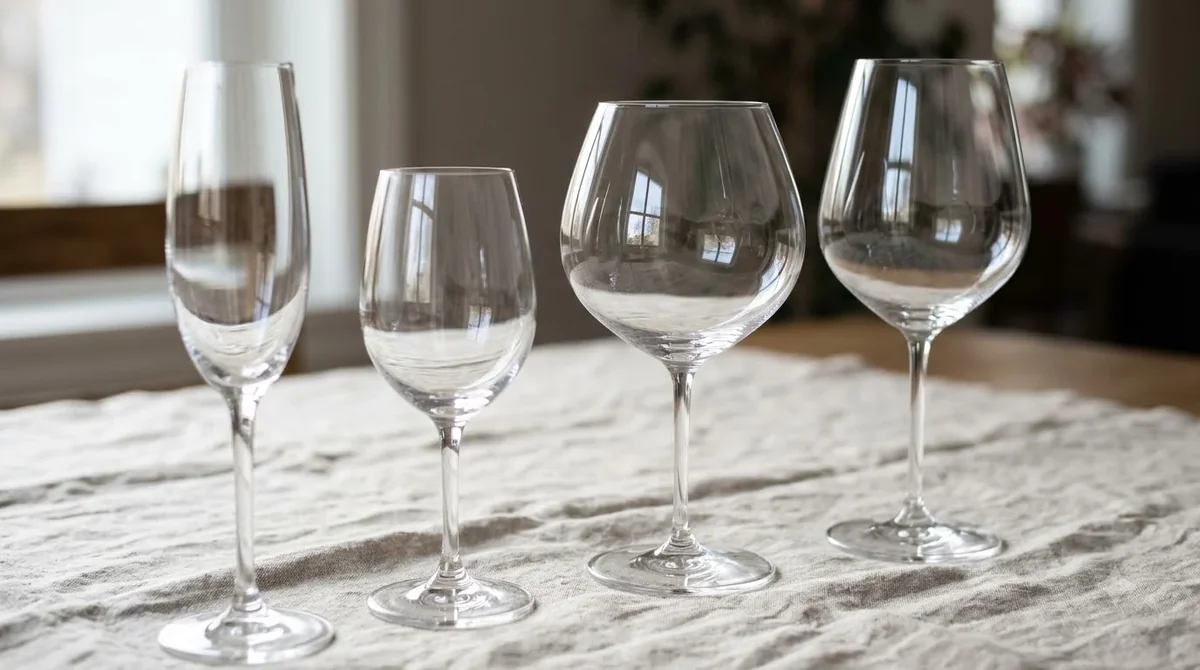
Serve Xarel-lo cold, around 38 to 45 degrees Fahrenheit (3 to 7 degrees Celsius). At that temperature the acidity feels clean and the aromas stay present. A standard white wine glass works well, because it concentrates the aroma without making the wine feel heavy. Decanting is not necessary.
A glass that is too large can hide the aroma, while a glass that is too small can make the wine feel thin. If you pour the wine into a bowl-shaped glass, swirl gently and smell it before tasting. The lemon and herbal notes usually come forward first, followed by the mineral edge on the finish.
Most Xarel-lo wines are meant to be drunk within a few years of the vintage.
Open the bottle close to the time you plan to drink it. Once opened, a light white like this loses its brightness within a day or two, so a half-empty bottle is best finished the same evening or kept tightly closed in the refrigerator.
Most Xarel-lo wines are meant to be drunk within a few years of the vintage. Wine Folly notes that they can be cellared for three to five years, but the freshest style is usually the most enjoyable. If a bottle has been stored warm for a long time, the fruit can fade and the wine can taste flat.
Tip: If you are unsure about a bottle, look for the words “varietal Xarel-lo” or “100 percent Xarel-lo” on the label. Those wines show the grape’s own character best.
Food Pairing Ideas
Because Xarel-lo is dry and acidic, it pairs well with food that has some fat or salt. Wine Folly’s pairing list for Cava, which shares the same acidic profile, includes asparagus, salads, seafood, shellfish, and simple cheese plates. Those same matches usually work for a still Xarel-lo.
Think about the weight of the dish as well as its flavor. A delicate salad with citrus dressing or a plate of steamed shellfish will let the wine’s freshness shine. A heavier dish, such as a rich cream sauce, can overwhelm a light Xarel-lo, so save those dishes for a fuller white or a sparkling wine with more body.
Avoid very sweet desserts, since the wine’s dryness will make them taste flat. Instead, try it with grilled fish, fried snacks, or a plate of olives and cured meats. A plate of fried calamari with a squeeze of lemon suits the wine’s bright acidity for the same reason.

Frequently Asked Questions
Is xarel lo wine sweet or dry?
Xarel-lo wines are usually dry. The grape gives high acidity and a clean, savory finish, so most bottles taste crisp rather than sweet. A sweeter style exists only when the producer leaves residual sugar in the wine, and that is uncommon for varietal bottlings.
Is Xarel-lo the same grape as Cava?
No, but the grape is one of the three main varieties used in Cava. The others are Macabeo and Parellada. A Cava can be made from one or more of them, and the blend affects the final style.
What does xarel lo wine taste like?
Most people describe it as fresh and citrusy, with notes of lemon, green apple, or peach and a slightly savory, mineral edge. The aroma can be more floral and herbal than a typical Chardonnay, depending on how the wine was made.
Should xarel lo wine be served chilled?
Yes. Serve it cold, at roughly 38 to 45 degrees Fahrenheit. Cold temperatures keep the acidity lively and make the wine taste cleaner, especially in warm weather.
Xarel-lo is a useful grape to know if you enjoy crisp, dry white wines with some personality. Start with a varietal bottle to taste the grape on its own, then try a Cava made with it. For more background on the styles in this category, visit Wine by Type, or compare with a similar white in black muscat wine to see how a different grape handles sweetness and aroma.
More in Wine Types & Grapes
 Zinfandel Sugar Content: Dry Red vs. White Zinfandel GramsUpdated Nov 21, 2026
 Best Zinfandel Substitute Options for Sipping and CookingUpdated Nov 21, 2026
 Zweigelt Food Pairing: Best Dishes, Cheeses, and Serving TipsUpdated Nov 21, 2026
 Zinfandel Tannins Explained: How Structure Shapes Every BottleUpdated Nov 21, 2026
 Zinfandel Sweetness Level: Dry Red vs. Sweet White Zin ExplainedUpdated Nov 21, 2026
 Xinomavro Food Pairing: Best Dishes, Styles, and Serving TipsUpdated Nov 21, 2026