

We may earn a commission when you buy through links on this page, at no extra cost to you. Learn more.
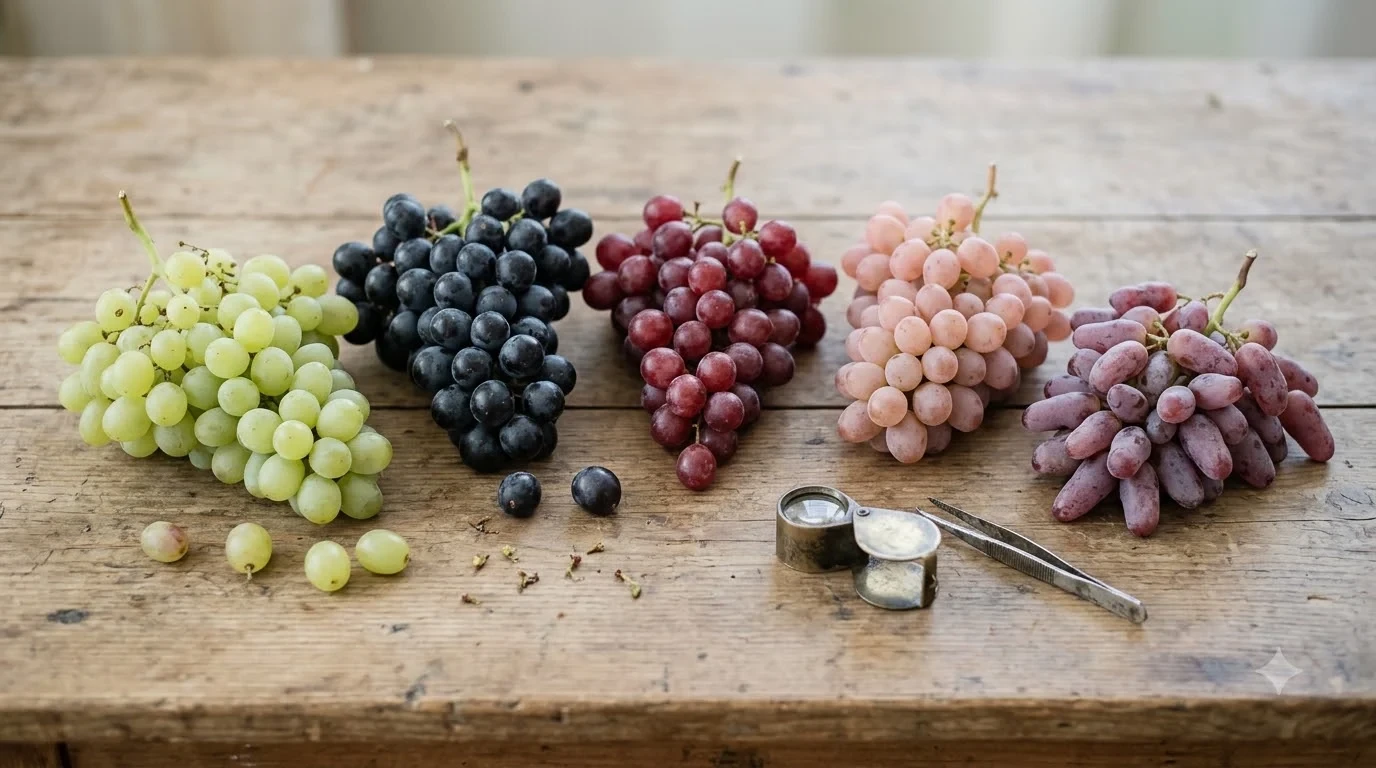
A cava grape is not one variety. Cava is a blend of Macabeo, Parellada and Xarel-lo, the three traditional white varieties, with Chardonnay and Malvasia also permitted. Red and rosé cava use a smaller group of red grapes, including Garnacha tinta, Monastrell, Trepat and Pinot Noir. Knowing which grapes go into a bottle explains most of what you taste in it.
When people search for a cava grape, they usually want to know which variety gives the wine its character. The answer is a set of permitted grapes rather than a single one, and the blend changes with the style and the producer.
The three traditional white grapes
Macabeo, Parellada and Xarel-lo are the core of most white cava. The Wikipedia entry on Cava describes these three as the most popular and traditional varieties for producing cava. Each brings something different to the blend, and producers balance them to suit the house style.
Together, the three grapes give cava its crisp, citrus-led base. Blends built mostly on these varieties usually taste fresh and clean, with the lively acidity that makes cava a good match for seafood, tapas and fried food.
Other permitted white grapes
Chardonnay and Malvasia are also allowed in white cava. Chardonnay adds body and a rounder texture, which is why some cavas feel fuller than a basic blend. Malvasia contributes aromatic lift. These grapes are used in smaller amounts than the traditional three in most bottles, but they can change the feel of the wine noticeably.
A producer who adds Chardonnay is not making a different category of cava. The bottle still follows the same traditional method, and the label still reads as cava.
| Grape | Colour | What it contributes |
|---|---|---|
| Macabeo | White | Core fruit and freshness |
| Parellada | White | Aroma and light, floral lift |
| Xarel-lo | White | Structure and savoury depth |
| Chardonnay | White | Body and a rounder texture |
| Malvasia | White | Aromatic character |
| Garnacha tinta, Monastrell, Trepat, Pinot Noir | Red | Colour and red-fruit notes in red or rosé styles |
Red grapes in cava
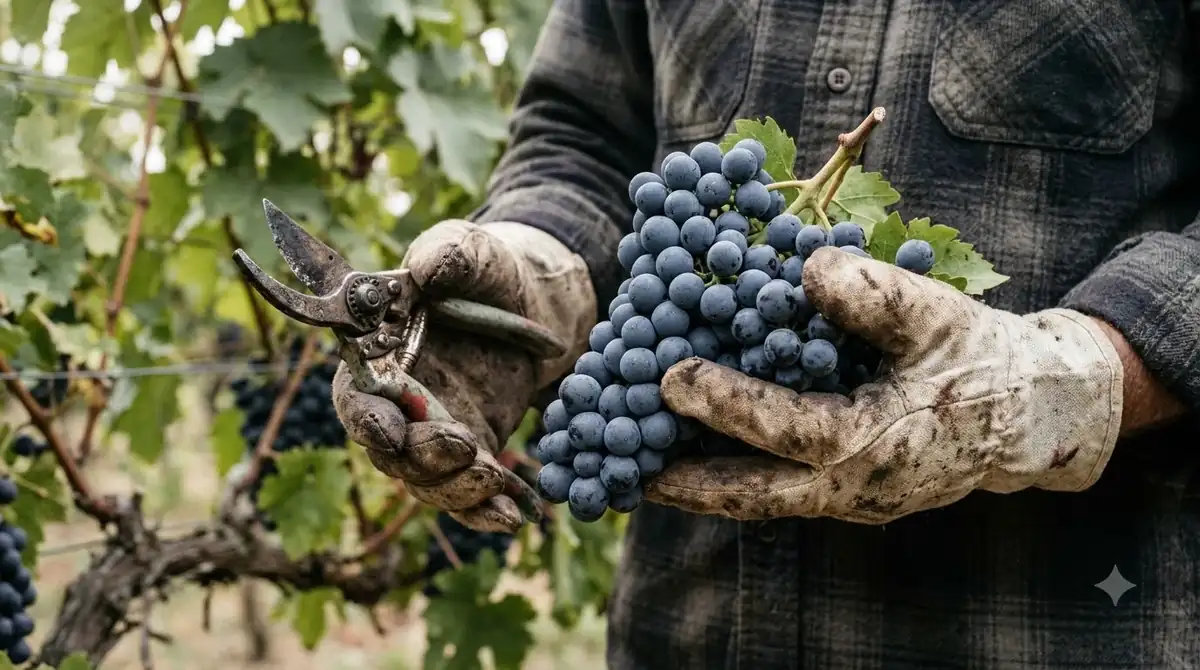
Red and rosé cava rely on a separate group of permitted varieties. The authorized reds listed by Wikipedia are Garnacha tinta, Monastrell, Trepat and Pinot Noir. Trepat is a traditional Catalan grape, and it gives many rosé cavas their pale pink colour and fresh red fruit. Pinot Noir adds fine structure and a more familiar red-fruit profile.
Rosé cava follows a stricter rule than white. Wikipedia notes that blending is not allowed for rosé cava, so the wine is made from red grapes that are kept to the required style rather than mixed in the way a white blend is.

Where cava grapes are grown
The grapes are grown mainly in Catalonia. Cava’s official producer site lists several zones, including Comtats de Barcelona and Valle del Ebro, and describes the new vineyard zoning as central to the wine’s identity. Wikipedia estimates that about 95 percent of all cava comes from the Penedès area of Catalonia, with smaller amounts made elsewhere in Spain.
Soil and climate shape how the grapes ripen, and that is why the same variety can taste different from one vineyard to another. Growers in Penedès use the local conditions to keep acidity high, which suits the sparkling style.
Tip: If you want to taste the grapes side by side, look for a cava labelled as a blend of the traditional three, then try one with Chardonnay. The difference shows up most in the body.
How the blend shapes the taste
A cava blend is built to balance the three traditional white grapes against each other. Macabeo tends to give the fresh, fruity middle of the wine, Parellada brings a lighter floral lift, and Xarel-lo adds structure and a savoury edge that stands up to the bubbles. A producer who leans on Xarel-lo will usually make a more textured wine, while one who leans on Macabeo and Parellada often produces a brighter, lighter style.
The addition of Chardonnay or Malvasia changes the picture again. Chardonnay tends to add weight and a rounder feel to the mouth, which is one reason some cavas taste closer to a richer sparkling wine. Malvasia can bring aromatic character that shows more on the nose than on the palate. Because these choices vary, two cavas from the same region can taste quite different even though both follow the same traditional method.
For a beginner, the simplest way to learn the differences is to compare a traditional blend with one that includes Chardonnay. Pour them side by side and note whether the wine feels lighter and brighter or fuller and rounder. That single comparison teaches more about the grapes than a list of descriptions.
Why the grape list matters when you buy
Knowing the cava grape list helps when a bottle sits among dozens of similar labels on a shop shelf. A wine that lists Macabeo, Parellada and Xarel-lo will usually taste fresh and direct, which suits a simple glass before a meal. A bottle that adds Chardonnay tends to suit a meal with richer dishes, because the extra body holds up better against creamy sauces. Neither choice is better in general; the right one depends on what you plan to eat.
Red and rosé cava take the same logic a step further. Pinot Noir often makes the red-fruit character easier to recognize, while Garnacha tinta and Monastrell bring more colour and body. Trepat is a grape many people do not know yet, and it is worth trying because it shows a distinctly Catalan style. Reading the grape names on the back label is the quickest way to know which direction a bottle will take.
Reading a cava label
Cava labels often include a category word that signals how long the wine has aged on its lees. The category names used by the Cava producer site are Cava de Guarda, Cava Reserva, Cava Gran Reserva and Cava de Paraje Calificado. These terms give a rough sense of age and style, but the aging periods themselves are set by the regulations and are best checked on the producer’s technical sheet, since the source used for this guide does not list them.
Look also for the words brut, extra brut or dry on the bottle. These describe the sugar level, and they matter as much as the grape blend when you choose a wine for a particular meal. A bottle that lists the grapes on the back label gives the clearest picture of its style, so read that panel before buying.
Rosé cava follows its own rules, and the label is the best place to confirm the colour and style. Because rosé cava cannot be made by blending, the wine’s character depends on the red grapes used in the base wine, so the back label often names the variety more clearly than a white bottle would.
Frequently Asked Questions
What is the main grape in cava?
There is no single main grape. Macabeo, Parellada and Xarel-lo are the most popular traditional varieties for white cava, and the balance between them depends on the producer.
Is Chardonnay allowed in cava?
Yes. Chardonnay is among the permitted white grapes, alongside Malvasia. It is often used to add body, but it does not change the wine’s category.
Are there red grapes in cava?
Yes. Garnacha tinta, Monastrell, Trepat and Pinot Noir are the authorized red grapes, used in red and rosé styles.
Where do cava grapes come from?
Most cava is produced in Penedès in Catalonia, and some is made in other Spanish regions such as Aragon and La Rioja. The grapes are grown in those areas before the wine is made by the traditional method.
Cava’s grape list is short, and each variety has a clear role. For a broader view of how grapes shape a wine, the Wine by Type guide covers the main families, and the chablis grape page is a useful comparison for Chardonnay’s role in a still wine.
More in Wine Types & Grapes
 Zinfandel Sugar Content: Dry Red vs. White Zinfandel GramsUpdated Nov 21, 2026
 Best Zinfandel Substitute Options for Sipping and CookingUpdated Nov 21, 2026
 Zweigelt Food Pairing: Best Dishes, Cheeses, and Serving TipsUpdated Nov 21, 2026
 Zinfandel Tannins Explained: How Structure Shapes Every BottleUpdated Nov 21, 2026
 Zinfandel Sweetness Level: Dry Red vs. Sweet White Zin ExplainedUpdated Nov 21, 2026
 Xinomavro Food Pairing: Best Dishes, Styles, and Serving TipsUpdated Nov 21, 2026