

We may earn a commission when you buy through links on this page, at no extra cost to you. Learn more.
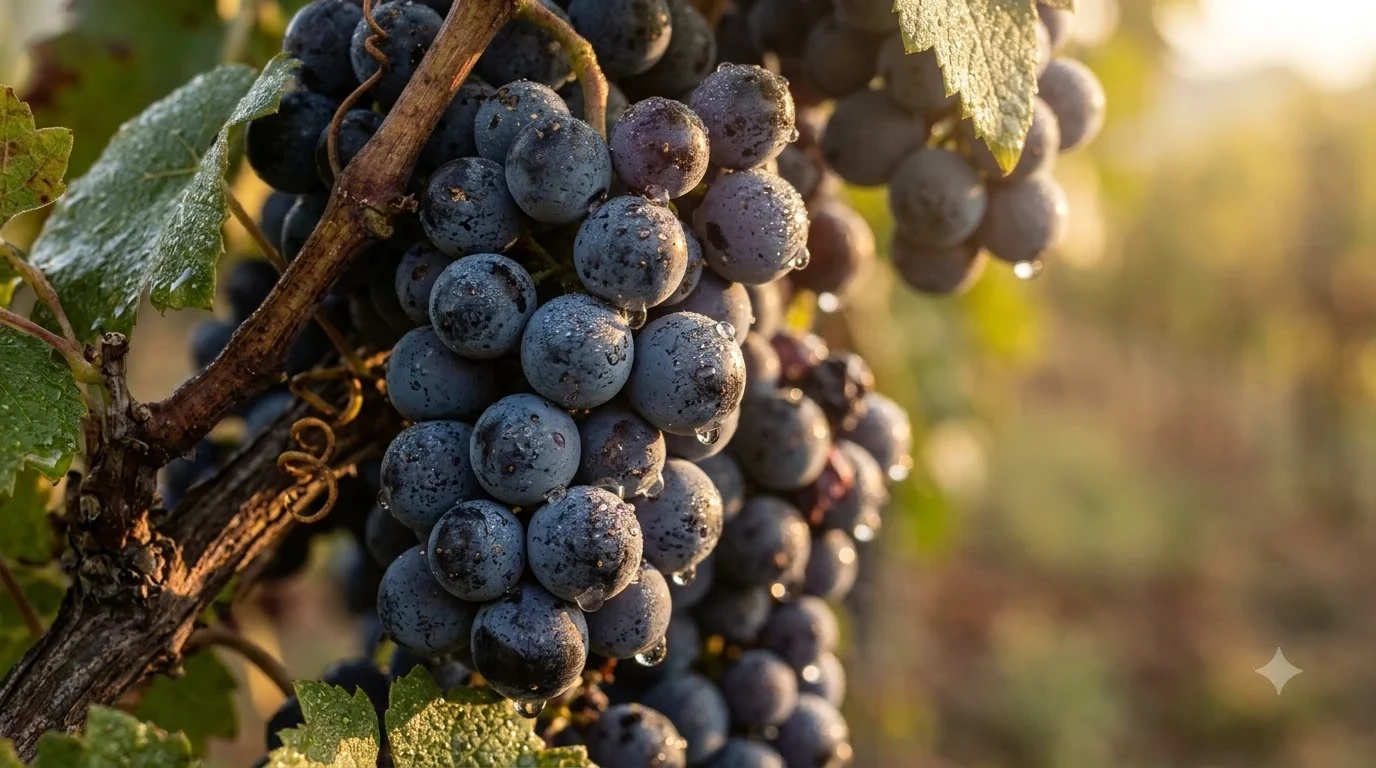
The chablis grape is Chardonnay, because Chablis is a wine region in northern Burgundy and not a grape variety. The official Chablis appellation requires Chardonnay, so every bottle labeled Chablis is made from that one white grape. The name tells you where the wine comes from, and it also signals a lean, mineral style.
This guide explains why Chablis is a place rather than a grape, how Chardonnay becomes the wine’s distinctive style, and how to read Chablis labels. It is written for readers who have seen the word on a wine list and want to know what grape is in the glass.
Why Chablis Is a Place, Not a Grape
Chablis is a town and an appellation in northern Burgundy, about 16 kilometers east of Auxerre in the Yonne department. It is the northernmost appellation in Burgundy, and its cool climate gives the wines more acidity and less fruitiness than wines from warmer parts of the region. The name on the label refers to that place and to the rules that apply there.
Because the name is geographic, a Chablis label does not name a grape. The appellation rules require Chardonnay, so the grape is built into the name. That is why people searching for the chablis grape are really looking for Chardonnay, the white variety that is grown across the world and used in many styles.
Chardonnay and the Chablis Style
Chardonnay originated in Burgundy in France, and Wine Folly describes it as the most widely planted white grape variety in the world. Its profile changes a great deal with climate, winemaking and oak, which is why a Chardonnay from California can taste nothing like a Chablis. In Chablis, the cool climate keeps the grape’s acidity high and its fruit restrained.
The result is what the region is known for: a lean, steely character with a distinctive mineral note. Wine Folly describes Chablis-style Chardonnay as lean and steely, with flavors of tart green apple, lemon and oyster shell. Many top vineyards sit on Kimmeridgian marl, a clay and limestone soil that contains marine fossils, and that soil is often cited as part of the mineral character of the wines.
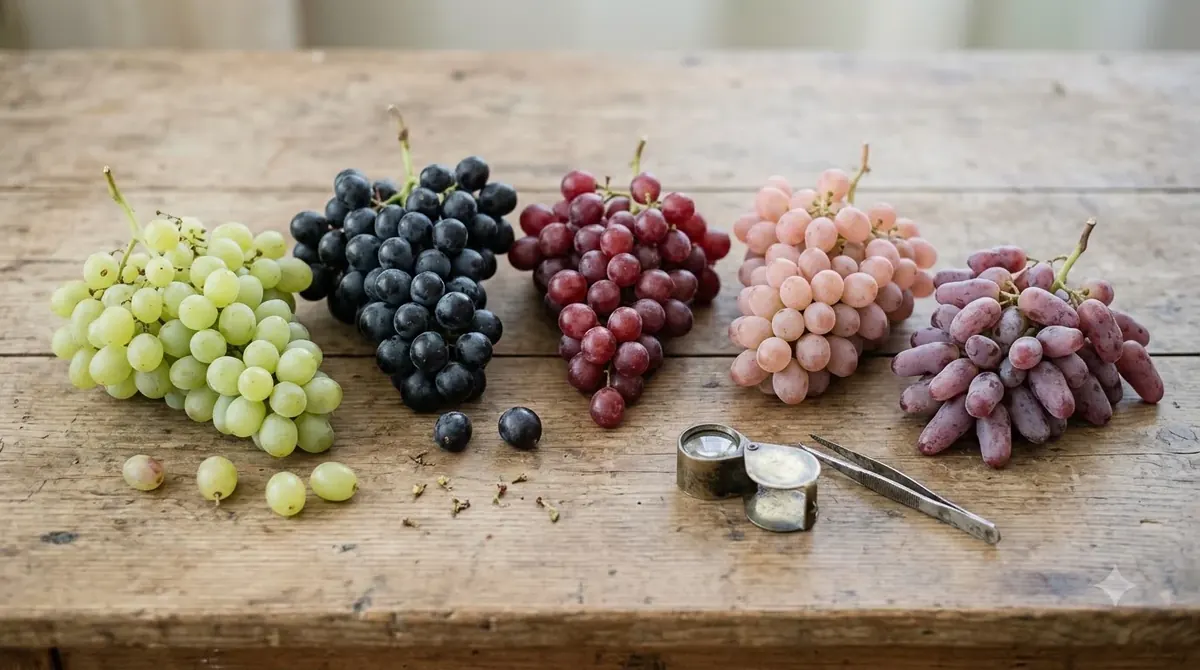
Malolactic fermentation, a secondary process that converts sharp malic acid into softer lactic acid, can add a creamy or yogurt-like aroma in some bottles. Winemakers decide whether to use it, so the same grape can taste sharp and fresh in one bottle and rounder in another.
Chablis is made mainly without much oak. Reference sources note that the wines typically see far less oak than the whites of the Côte de Beaune, and many are fermented in stainless steel. That approach keeps the fruit clean and the acidity sharp, which is why the wine works so well with seafood.
Vintage also matters. A cool growing season can produce a leaner, more austere wine, while a warmer year can give a little more ripeness and body. Because the region’s character is steady, a Chablis from a cooler year is still recognizably Chablis, but the difference in fruit and weight is worth noticing when you compare bottles from different years.
Chablis Appellation Levels
Chablis is sold in several tiers, and the tier on the label tells you about the vineyard and the likely style. The tiers run from the most general to the most specific, and the concentration and complexity usually rise with each step. You do not need to memorize every vineyard to use the system, but knowing the main levels helps when you shop.
| Tier | What it means | What to expect |
|---|---|---|
| Petit Chablis | Entry tier, outlying land | Light, bright and fresh |
| Chablis | Largest tier, most variation between producers | Classic lean, mineral style |
| Premier Cru | About 40 named vineyards, around 750 hectares | More depth and complexity |
| Grand Cru | Seven vineyards on one southwest-facing hill, about 100 hectares | Most concentrated and long-lived |
Tip: If a bottle says Chablis without a Premier Cru or Grand Cru name, it is from the broad appellation. That is a good everyday choice, and it is usually the best place to start learning the style.
How to Serve and Pair Chablis
Wine Folly suggests serving lean, Chablis-style Chardonnay at about 45 degrees Fahrenheit, or 7 degrees Celsius. Oaked styles are better a little warmer, around 55 degrees Fahrenheit, or 12 degrees Celsius, so the richer flavors show. Alcohol for lean styles usually falls between 12 and 13.5 percent by volume.
Lean Chablis pairs naturally with shellfish, especially oysters. Wine Folly also lists sushi, sautéed fish, pâté, chicken piccata and vegetable risotto as good matches. The wine’s acidity cuts through rich or salty food, which is why it is such a common choice in seafood restaurants.
Oaked Chardonnay goes better with richer dishes. Wine Folly suggests crab cakes, linguini with clams, halibut and pork tenderloin with apples. If you are not sure which style you have, check the producer’s notes for words such as unoaked, lean or steely, which point to the Chablis style.
Temperature changes the impression of each style. A lean bottle served too warm can seem flat, while an oaked bottle served too cold can hide its creamy texture. Taking the bottle out of the fridge for a short time before serving, or putting it back in for a few minutes, can help you find the best point for the style on the table.
Other White Grapes You May See
Once you know that Chablis is Chardonnay, it is easier to read other white labels. Many lean white wines come from grapes other than Chardonnay, and the names on the label can be confusing. Learning a few common varieties helps you know what to expect before you open a bottle.
For a wider look at white grapes, the guides on cortese grape and jacquere grape cover two other white varieties, and the chambourcin grape guide covers a red-wine variety from a different family. Comparing these side by side is a practical way to learn how grape and region shape a wine.
A simple tasting exercise helps here. Pour an unoaked Chablis and an oaked Chardonnay from another region, and taste them one after the other. The Chablis will usually show sharper acidity, more mineral character and less butter or vanilla, while the other bottle will feel rounder and fuller. The exercise shows that the grape is the same, but the place and the winemaking change the glass.
Frequently Asked Questions
Is Chablis a grape?
No. Chablis is a wine region and appellation in northern Burgundy. The grape used for Chablis is Chardonnay, which the appellation rules require.
What does Chablis taste like?
Chablis is usually lean, dry and mineral, with flavors of green apple, lemon and oyster shell. Unoaked styles are crisp, while oaked versions can taste fuller and creamier.
Is Chablis the same as Chardonnay?
Chablis is made from Chardonnay, but it is a regional style. Chardonnay from other places can taste richer or more fruity, because climate and winemaking differ.
What is the difference between Petit Chablis and Grand Cru?
Petit Chablis is the entry tier from outlying land and is usually light and fresh. Grand Cru comes from seven named vineyards on one hill and is the most concentrated and long-lived tier.
The chablis grape is Chardonnay, and the Chablis name tells you about the place, the climate and the lean style that comes from them. Read the tier on the label, serve the wine cool and pair it with seafood or light dishes to see the style at its best. For a broader view of grapes, the wine by type section lists the families you are likely to meet on a wine list.
Grape and style reference used for this guide: Wine Folly on Chardonnay.
More in Wine Types & Grapes
 Zinfandel Sugar Content: Dry Red vs. White Zinfandel GramsUpdated Nov 21, 2026
 Best Zinfandel Substitute Options for Sipping and CookingUpdated Nov 21, 2026
 Zweigelt Food Pairing: Best Dishes, Cheeses, and Serving TipsUpdated Nov 21, 2026
 Zinfandel Tannins Explained: How Structure Shapes Every BottleUpdated Nov 21, 2026
 Zinfandel Sweetness Level: Dry Red vs. Sweet White Zin ExplainedUpdated Nov 21, 2026
 Xinomavro Food Pairing: Best Dishes, Styles, and Serving TipsUpdated Nov 21, 2026