

We may earn a commission when you buy through links on this page, at no extra cost to you. Learn more.
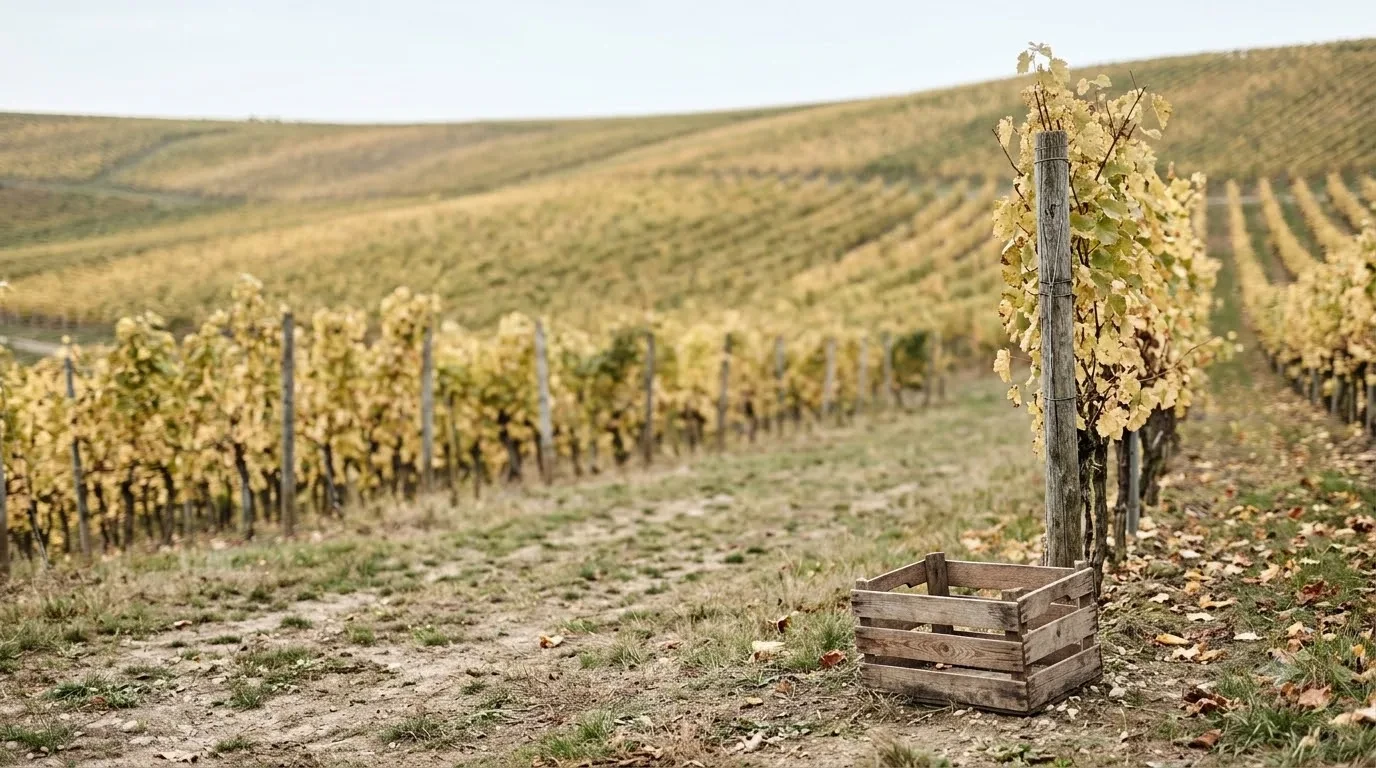
Penedès vineyards cover more than 2,500 hectares in southern Catalonia, Spain, stretching between the Mediterranean Sea and the mountains. The climate is Mediterranean, the soils are varied and often limestone-rich, and the vineyards are divided into ten terroirs, each with its own mix of altitude, sea influence and soil type.
This guide looks at the land behind Penedès wine: where the vineyards sit, how the climate and soils change from one zone to another, which grapes are planted, and how the appellation is moving toward organic farming. It is written for readers who want to understand the vineyards before they choose a bottle. The official details here come from the DO Penedès website, which describes the appellation’s zones and growing conditions.
Where the Penedès Vineyards Sit
Penedès is a natural and historical region in southern Catalonia. Its vineyards lie between the pre-coastal mountain range and the Mediterranean, so every vineyard is shaped by both the sea and the hills. The appellation sits roughly halfway between Barcelona and Tarragona, which places it within easy reach of two major cities and their wine trade.
The Penedès appellation covers more than 2,500 hectares of vineyards. That area is spread across a landscape of valleys, hillsides and coastal strips, and the variety of sites is a big part of what makes the region interesting for growers.
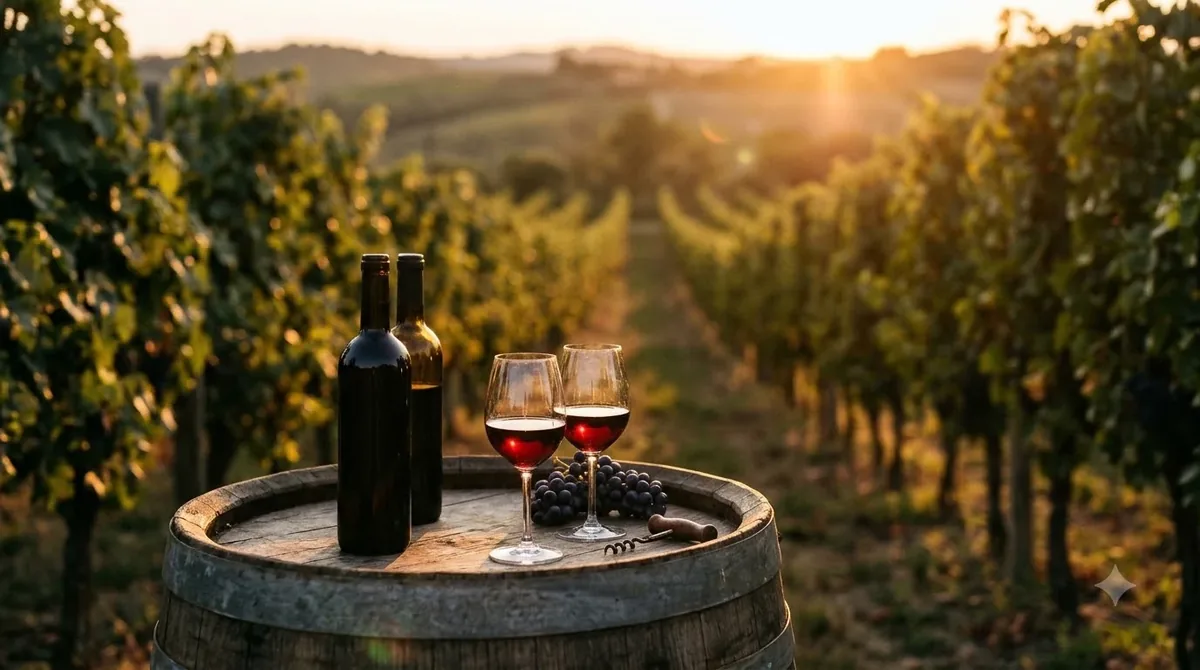
The region’s history of vine growing is long. The DO Penedès describes itself as the appellation with the longest history and viticultural tradition in Catalonia, and Wikipedia’s entry on the region calls it one of the most ancient viticultural areas in Europe. Many of today’s vineyards sit on terraces and slopes that have been worked for generations.
The Mediterranean Climate and Its Variations
The climate of the Penedès vineyards is Mediterranean, with warm, mild conditions across most of the area. The official figures show average annual temperatures from about 11°C to 17°C, and annual rainfall from roughly 500 to 650 mm depending on the zone. Most of the appellation falls in Winkler-Amerine regions III and IV, with some coastal areas in region V.
Across a year, the averages move from about 7.7°C in January to about 22.9°C in July. That long warm season gives the grapes time to ripen, while the cooler months keep the vines dormant and protect them from the worst summer heat.
Altitude and the sea add further variation. Higher vineyards, above 600 meters, receive more frequent rain, and the gap between daytime and nighttime temperatures is wider. Coastal sites are milder because of the sea. Together, altitude and distance from the coast create a wide range of microclimates, and these differences are what growers use when they choose where to plant each variety.
How Soils Shape the Terroir
The soils of the Penedès vineyards are varied, which is one reason the appellation has so many terroirs. The geology includes Triassic materials, slates, granites, limestone, marl and sandstone. Many vineyards sit on alluvial fans, where the deposits carry calcium carbonate in the form of nodules and, in some places, hard layers known as petrocalcic or hardpan horizons.
Slopes tend to have shallow, young soils, while flatter areas have deeper soils. That difference matters for vine vigor and water supply. Shallow soils on slopes usually push the vine to work harder and can give lower yields, while deeper soils on the flats hold more water and can support more vigorous growth. Growers balance these factors through pruning, rootstock choice and the density of planting.

The soil and climate patterns are not uniform, so two vineyards a few kilometers apart can produce grapes with different character. This is why the appellation’s zone name on a label often tells you as much about the wine as the grape variety does.
The Ten Zones of the Appellation
The DO Penedès divides its vineyards into ten zones, which the official site describes as terroirs shaped by soils, climate and altitude. The table below lists them with their English names as given on the official site.
| Zone (Catalan) | English name |
|---|---|
| Alts d’Ancosa | Ancosa Highlands |
| Conca de Foix | Foix Basin |
| Costers de l’Anoia | Anoia Hillsides |
| Costers del Lavernó | Lavernó Hillsides |
| Costers del Montmell | Montmell Hillsides |
| Marina del Garraf | Garraf Coast |
| Massís del Garraf | Garraf Massif |
| Montanyes d’Ordal | Ordal Mountains |
| Turons de Vilafranca | Hills of Vilafranca |
| Vall Bitlles-Anoia | Bitlles-Anoia Valley |
Reading the zone name tells you something about the site. A coastal zone will usually give a milder, more maritime character, while a higher zone can give cooler nights and more diurnal shift. Looking at the zone on a label helps you understand where the fruit came from, even if you are new to the region.
Grape Varieties Planted in the Vineyards
White varieties are the foundation of the vineyards. Xarel·lo is the most important, and it is planted alongside Macabeu and Parellada. Internationally introduced varieties such as Chardonnay, Riesling and Sauvignon Blanc also have a place in the vineyards.
On the red side, indigenous varieties include Ull de Llebre, which is the local name for Tempranillo, along with Garnacha Negra, Samsó, Monastrell, Sumoi Negre and Moneu. International varieties such as Cabernet Sauvignon, Merlot, Pinot Noir and Syrah are planted too. The mix reflects both local tradition and the experiments growers have made over the years.
Planting decisions follow the zones. A grape that ripens well on a sheltered coastal slope may struggle on a high, cool site, and growers match varieties to sites to get the balance of sugar and acidity they want.
For a visitor or a buyer, the practical lesson is that the vineyard map is a guide to style. Coastal and lower zones tend to suit grapes that ripen early and keep a lively freshness, while higher zones with wider temperature swings can give wines with more tension. Those are tendencies rather than rules, and individual vineyards can break the pattern, but they are a useful starting point when you compare bottles from different parts of the appellation.
Organic Farming and the Future of the Vineyards
The appellation is moving toward organic farming. The official DO Penedès site states that from the 2025 vintage, all DO Penedès wines are organic, which is a major shift for a region with such a long history. For vineyard managers, that means changing how they handle pests, weeds and soil care across the appellation.
The Clàssic Penedès sparkling wine has its own rules on top of this. It must be made from 100 percent Penedès grapes, and it must also be organic. That gives buyers a clear signal about the origin and farming of the fruit in those bottles.
Organic work in the vineyard is demanding in a Mediterranean climate. Growers have to manage vegetation cover, soil health and disease pressure without synthetic inputs, and the timing of tasks such as pruning and canopy management becomes more important. The change is also a chance for vineyard teams to rethink how they manage water and soil over the long term, which fits the region’s varied terroirs.
Frequently Asked Questions
How big are the Penedès vineyards?
The DO Penedès covers more than 2,500 hectares of vineyards between the sea and the mountains of southern Catalonia, halfway between Barcelona and Tarragona.
What is the climate like in Penedès?
The climate is Mediterranean, with average annual temperatures from about 11°C to 17°C and annual rainfall from roughly 500 to 650 mm. Altitude and distance from the coast create a wide range of microclimates across the appellation.
How many zones are there in the DO Penedès?
The DO Penedès lists ten zones, including the Garraf Coast, the Anoia Hillsides, the Hills of Vilafranca and the Ordal Mountains. Each zone has its own mix of soils, climate and altitude.
Are Penedès vineyards organic?
The official DO Penedès site says that from the 2025 vintage, all DO Penedès wines are organic. Growers across the appellation are adjusting their vineyard work to meet that standard.
Penedès is a good region to explore if you want to understand how a single appellation can hold many different sites. Start with the zone names, then compare the climate and soil notes with the grapes and styles you enjoy. For more context on the wider Penedès area, read the Penedès wine region guide, and for a broader look at how regions differ, see the wine regions section of this site.
More in Wine Regions
 Willcox Wine Trail: Discover Arizona’s High-Elevation Wine CountryUpdated Nov 20, 2026
 Yakima Valley Wine Region: Find the Best Styles to TryUpdated Nov 20, 2026
 Vosne Romanee Wine Tasting: Identify Aromas and Choose Better PairingsUpdated Nov 20, 2026
 Yakima Valley Wine Festival: Find the Best Seasonal Wine EventsUpdated Nov 20, 2026
 Wales Vineyards: Discover Cool-Climate Wines and Where to VisitUpdated Nov 20, 2026
 Yountville Wine Festival: Discover Napa Wines and Local FoodUpdated Nov 20, 2026