

We may earn a commission when you buy through links on this page, at no extra cost to you. Learn more.
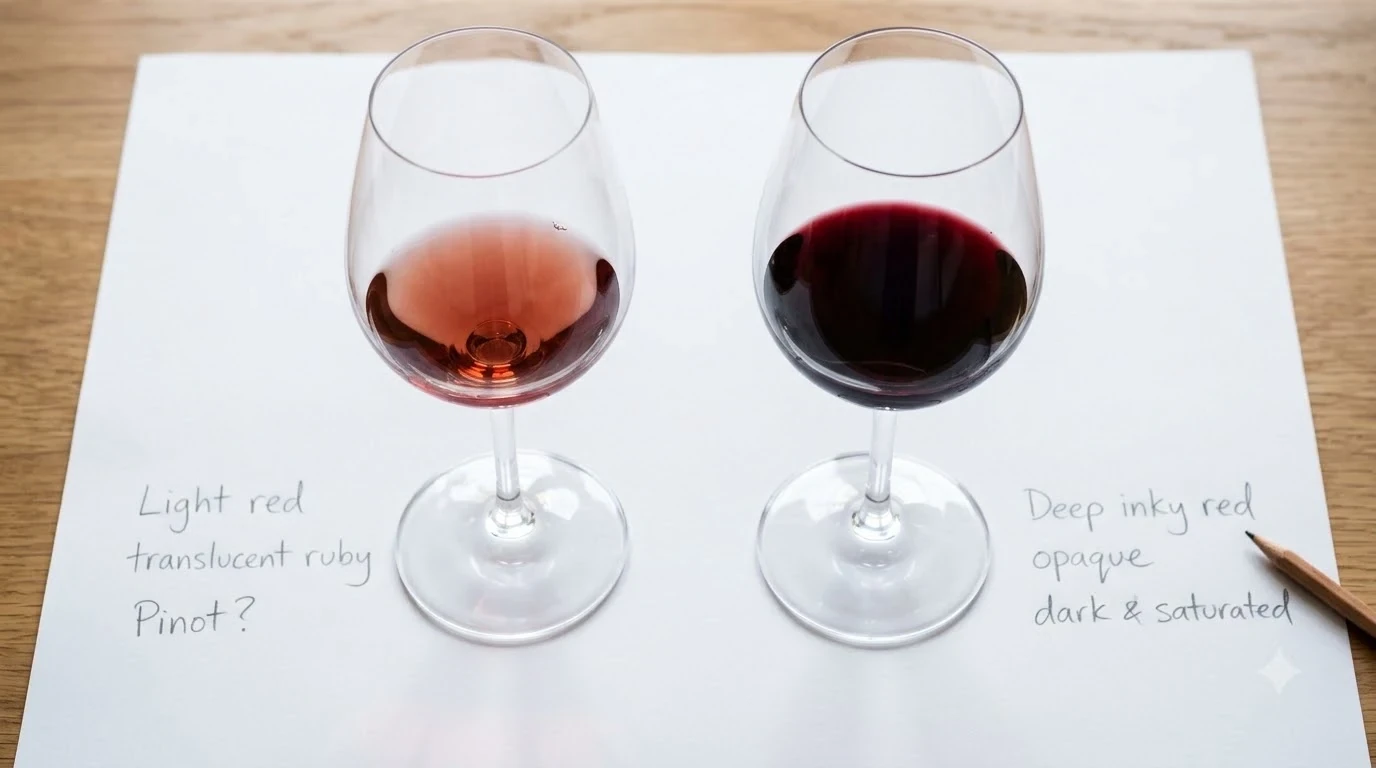
When comparing chenin blanc vs pinot blanc, the primary difference lies in acidity, structural versatility, and genetic heritage. Chenin Blanc is a famously high-acid grape native to France’s Loire Valley that can be vinified into everything from bone-dry whites and traditional-method sparkling wines to unctuous, botrytis-affected dessert bottles. Pinot Blanc, a genetic color mutation of Pinot Noir, offers a softer, rounder palate with medium acidity and delicate orchard-fruit notes, typically produced as a crisp, refreshing everyday dry white.
Choosing between these two white varieties comes down to whether you want electric, mouthwatering tension or a gentle, easy-drinking pour. While both grapes excel in cool-to-moderate climates and occasionally share shelf space in the sparkling wine aisle, they bring markedly different personalities to the dinner table. Understanding how their origins, winemaking treatments, and flavor profiles diverge will help you pick the right bottle for any meal or occasion.
What It Is: Origins and Genetic Backgrounds
Though both grapes are classic European white varieties with deep French roots, they belong to entirely different botanical families and exhibit contrasting behaviors in the vineyard. One is an ancient Loire Valley native known for uneven ripening and piercing tartaric acid, while the other is a quiet genetic offshoot of Burgundy’s most famous red grape.
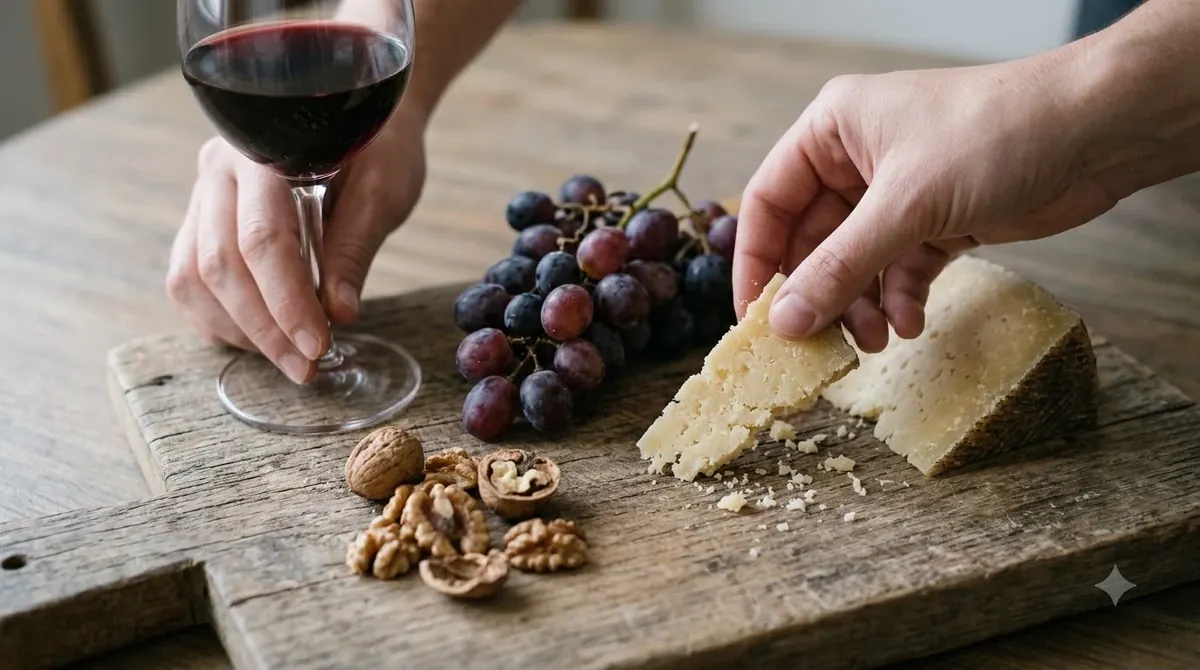
Chenin Blanc originates in the Loire Valley of France, where historical records trace its cultivation back to the ninth century under names like Plant d’Anjou. According to Wine Folly’s comprehensive guide to Chenin Blanc, the grape likely takes its modern name from Mont Chenin in the Touraine district, and it is also widely known as Pineau de la Loire in France and Steen in South Africa. Genetically, Chenin Blanc is an offspring of Savagnin, sharing a family tree with Sauvignon Blanc and Grüner Veltliner. In the vineyard, bunches of Chenin Blanc ripen unevenly, allowing winemakers to harvest different passes for dry, off-dry, or sweet wines from the exact same vines.
Pinot Blanc, by contrast, is not a distinct seedling cross at all, but rather a white-berried genetic mutation of the red grape Pinot Noir. Just as Pinot Gris represents an intermediate greyish-pink mutation with reduced pigment, Pinot Blanc carries inactive anthocyanin genes that leave its skins pale green-yellow. Because it belongs to the Pinot family, Pinot Blanc shares its parent’s affinity for cool climates and early ripening, though it trades Pinot Noir’s dramatic aromatics for subtle, understated charm. You will frequently see it labeled under regional synonyms across Europe, including Pinot Bianco in Italy and Weissburgunder in Germany and Austria.
Flavor and Styles: Piercing Acidity vs. Soft Orchard Fruit
The clearest sensory distinction between these two wines is how they feel on the mid-palate: Chenin Blanc hits with racy, high-strung acidity and honeyed orchard notes, whereas Pinot Blanc delivers a rounder, gentler texture with medium acidity and subtle stone fruit. Winemaking choices like oak aging and residual sugar amplify these differences even further.
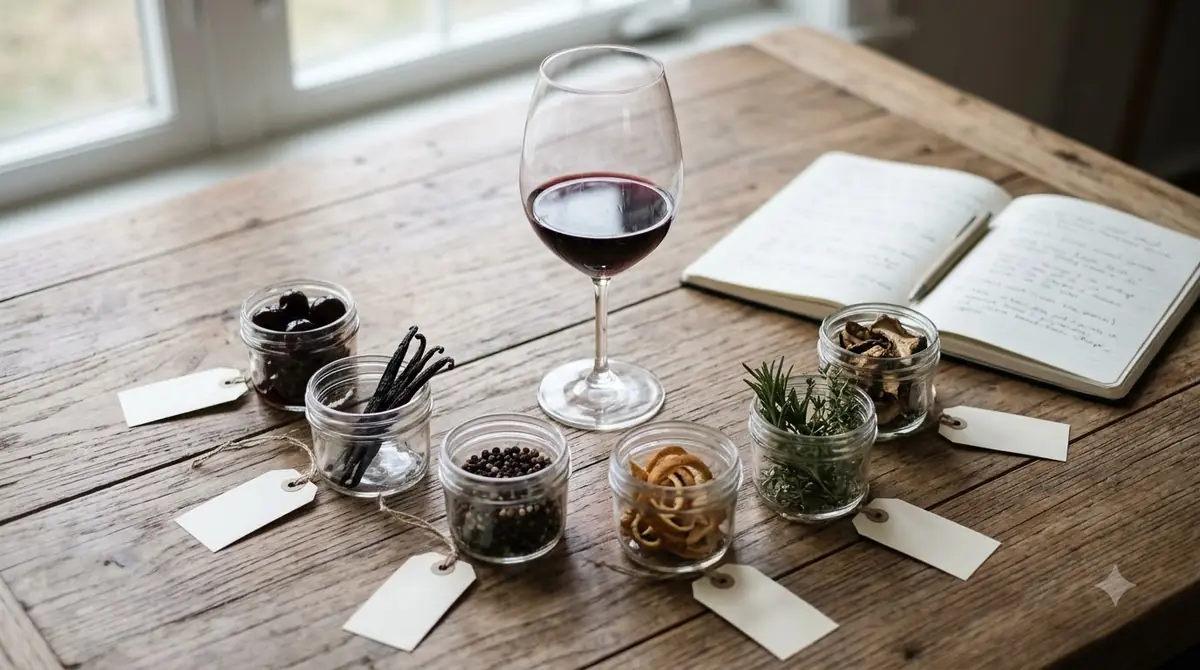
Chenin Blanc is celebrated by sommeliers as a chameleon grape because it spans the entire sweetness and textural spectrum while retaining a backbone of laser-sharp tartaric and malic acidity. Unoaked dry examples burst with green apple, quince, lemon pith, and wet chalk, often accompanied by a faint floral hint of chamomile or damp straw. When fermented or aged in oak barrels—or left on its lees—Chenin Blanc takes on a creamy, textured weight reminiscent of Chardonnay, unfolding layers of baked yellow apple, beeswax, toasted almond, and brioche. At the sweet end of the spectrum, late-harvest and noble-rot bottlings from the Loire Valley concentrate those quince and honey aromas into rich, age-worthy nectars that balance high residual sugar with brisk acidity.
Pinot Blanc takes a much quieter, more linear stylistic path, focusing almost exclusively on dry, approachable table wines and crisp sparkling cuvées. According to Wine Folly’s guide to Pinot Blanc, the grape’s primary flavors revolve around white peach, Bartlett pear, Golden Delicious apple, and delicate white blossoms, backed by medium acidity and a light-to-medium body. Because it lacks the aggressive zing of Sauvignon Blanc or the aromatic punch of Riesling, Pinot Blanc feels smooth and supple on the palate, sometimes showing a faint hint of almond skin or wet stone on the finish. If you enjoy exploring how Pinot Blanc compares to its close relatives, our breakdown of chenin blanc vs pinot gris highlights how skin pigment and phenolic texture shift across the Pinot family.
| Attribute | Chenin Blanc | Pinot Blanc |
|---|---|---|
| Genetic Origin | Offspring of Savagnin (Loire Valley native) | White color mutation of Pinot Noir |
| Acidity Level | High (tartaric and malic drive) | Medium (refreshing, softer finish) |
| Body & Texture | Medium-light to full-bodied (when oaked) | Light to medium-bodied, round |
| Sweetness Range | Bone dry, off-dry, medium-sweet, to luscious dessert | Almost exclusively dry (occasional off-dry or ice wine) |
| Core Aromas & Flavors | Quince, yellow apple, pear, chamomile, honey, beeswax | White peach, pear, green apple, almond, white flowers |
| Typical ABV | 11.5% to 14.5% | 12.5% to 14.5% |
| Ideal Serving Temp | 45–55°F (7–13°C) depending on oak and sweetness | 46–52°F (8–11°C) |
Where It Grows: Global Strongholds and Regional Expressions
While both grapes trace their lineage to France, their modern vineyard footprints look very different on a world map. Chenin Blanc is dominated by South Africa and the Loire Valley, while Pinot Blanc thrives in the cool alpine and continental corridors of Alsace, northern Italy, Germany, and Austria.
Surprisingly to many casual wine drinkers, South Africa—not France—holds the majority of the world’s Chenin Blanc vineyards, accounting for more than half of global plantings. Known locally for centuries as Steen, South African Chenin Blanc ranges from crisp, everyday stainless-steel whites to concentrated, barrel-fermented bottlings made from old bush vines in Stellenbosch and Swartland that show ripe melon, pineapple, and yellow peach alongside bright acidity. France remains the spiritual home of the grape, with roughly thirty percent of global acreage centered in the Loire Valley appellations of Vouvray, Savennières, Saumur, Anjou, and Quarts de Chaume. Smaller but notable plantings also exist in California’s Clarksburg appellation and Washington’s Columbia Valley.
Pinot Blanc finds its strongest foothold across Central Europe and northeastern Italy, where cool nights preserve its delicate fruit profile. In France’s Alsace region, Pinot Blanc is a staple everyday white, frequently blended with its close cousin Auxerrois to add floral lift and mid-palate roundness, and it serves as a primary grape in sparkling Crémant d’Alsace. Across the border in Germany and Austria, where it goes by Weissburgunder, winemakers craft dry, mineral-driven single-varietal bottles in regions like Baden, Rheinhessen, and Styria. In northern Italy’s Alto Adige and Friuli-Venezia Giulia, Pinot Bianco yields crisp, citrus-and-pear-scented whites, while in North America, small pockets flourish in Oregon’s Willamette Valley, California, and Canada’s Okanagan Valley.
How to Serve: Temperature, Glassware, and Cellaring
Proper serving temperature is essential for both varieties because serving either grape straight out of an ice-cold refrigerator will mute its subtle aromatics. However, Chenin Blanc’s broader range of oak treatments and sweetness levels requires a slightly more tailored approach at the table.
Unoaked, dry Chenin Blanc and sparkling Crémant de Loire or Cap Classique show best well chilled at around 45°F to 48°F, which keeps their high acidity crisp and refreshing. If you are pouring a richer, barrel-fermented bottle from Savennières or Stellenbosch, let it warm slightly to 50°F to 55°F—similar to how you would treat white Burgundy—so the honeyed, nutty, and beeswax nuances can open up. A standard tulip-shaped white wine glass works across the board, even for sparkling Chenin Blanc, as the slightly wider bowl captures its quince and orchard-fruit bouquet. While basic dry bottles are meant to be enjoyed within two to three years of vintage, top dry and sweet Loire Valley Chenin Blancs possess the acid structure to evolve in the cellar for decades.
Pinot Blanc is most expressive when served cool rather than frigid, ideally between 46°F and 52°F. At this temperature, its white peach, pear, and floral notes come cleanly into focus without letting the wine feel overly broad on the finish. Serve it in a standard white wine glass with a gently tapered rim to direct its delicate aromas toward the nose. Because most Pinot Blancs are vinified in stainless steel or large neutral casks to preserve primary fruit freshness, they rarely benefit from decanting and are generally at their peak within one to four years of harvest, though top single-vineyard Weissburgunder from Alto Adige or Baden can age gracefully for five to eight years.
Tip: If you pull a bottle of dry Chenin Blanc or Pinot Blanc directly from a standard kitchen refrigerator (usually around 38°F), let it sit on the counter for 15 to 20 minutes before pouring so the orchard-fruit aromatics can wake up.
Food Pairing: Matching Acidity and Texture to the Menu
Because their structural profiles sit at opposite ends of the white-wine spectrum, these two grapes excel with very different styles of cooking. Chenin Blanc’s high acidity cuts through fat, salt, and spice, while Pinot Blanc’s gentle, medium-acid frame shines alongside delicate dishes that an aggressive wine might overwhelm.
Chenin Blanc is one of the most food-friendly white wines in the world thanks to its natural tartaric tension and subtle fruit sweetness. Dry, crisp styles pair effortlessly with briny oysters, goat cheese salads, roast chicken, and fried calamari, where the wine’s zing acts like a squeeze of fresh lemon. Barrel-aged dry Chenin Blanc has the weight to stand up to richer poultry dishes, pork chops with apple compote, and creamy mushroom sauces. When you move into off-dry Vouvray or medium-dry South African styles, a touch of residual sugar makes Chenin Blanc a standout partner for spicy Southeast Asian curries, glazed ham, and sweet-and-sour pork.
Pinot Blanc thrives when the food on the plate is subtle, flaky, or lightly dressed, acting as a supportive partner rather than dominating the meal. Its smooth texture and moderate acidity complement pan-seared trout, halibut, poached shrimp, and crab cakes without clashing with delicate seafood flavors. It is also a classic match for mild, soft-ripened cheeses like Brie or Camembert, quiche, asparagus risotto, and spring vegetable salads dressed with light vinaigrettes or cream. If you are looking for other crisp, food-versatile whites to compare alongside these two, our guides on chenin blanc vs pinot grigio and pinot blanc vs sauvignon blanc break down how herbal and citrus-driven whites behave with similar menus.
How to Choose a Bottle
Browsing the wine shop shelf for either grape becomes much easier once you know which regional cues signal dryness, richness, or sweetness on the label. Both varieties offer tremendous value, often delivering complexity comparable to pricier Chardonnay or Riesling bottles.
When shopping for Chenin Blanc, pay close attention to the appellation and alcohol level on the label to gauge sweetness. A dry Loire Valley bottle from Savennières or Anjou Blanc will typically list an ABV around 12.5% to 13.5% and taste brisk and mineral, whereas Vouvray can be bone dry (Sec), off-dry (Demi-Sec), or sweet (Moelleux)—if a Vouvray label lists an ABV under 11.5%, expect noticeable sweetness. For a fuller, more fruit-forward dry profile, look toward South African regions like Stellenbosch or Paarl, where warmer sunshine yields riper stone-fruit flavors and higher alcohol levels up to 14.5%.
When selecting Pinot Blanc, look to origin for clues about weight and crispness. Bottles labeled Pinot Bianco from Alto Adige in northern Italy or Weissburgunder from Germany’s Pfalz and Baden regions tend to be linear, bright, and mineral-driven. If you prefer a slightly fleshier, rounder white with gentle orchard fruit and occasional hints of lees or neutral oak, reach for a bottle from Alsace, Austria’s Styria, or Oregon’s Willamette Valley. For broader comparisons across different white and red varietals, explore our full Wine vs Wine library.
Frequently Asked Questions
Is Chenin Blanc sweeter than Pinot Blanc?
Not necessarily, though Chenin Blanc is much more likely to be made in an off-dry or sweet style. While Pinot Blanc is almost exclusively fermented completely dry, Chenin Blanc spans everything from bone-dry table wines to honeyed dessert wines, so checking the label for terms like Sec, Demi-Sec, or Moelleux is essential.
Which wine has higher acidity, Chenin Blanc or Pinot Blanc?
Chenin Blanc has noticeably higher acidity than Pinot Blanc. Thanks to its genetic predisposition for high tartaric and malic acid levels, Chenin Blanc delivers a crisp, mouthwatering zing even when grown in warm climates or aged in oak, whereas Pinot Blanc offers softer, medium acidity.
Are Chenin Blanc and Pinot Blanc related?
No, the two grapes are not closely related despite both having “Blanc” in their names. Chenin Blanc is an ancient variety from France’s Loire Valley descended from Savagnin, while Pinot Blanc is a white-berried genetic color mutation of the red grape Pinot Noir.
Which is a better substitute for Chardonnay, Chenin Blanc or Pinot Blanc?
Both can stand in for Chardonnay depending on the style you prefer. Oaked Chenin Blanc from South Africa or Savennières mirrors full-bodied, barrel-aged Chardonnay with its creamy texture and baked-apple notes, while unoaked Pinot Blanc makes a great substitute for crisp, stainless-steel Chardonnay or Chablis.
Ultimately, the choice between Chenin Blanc and Pinot Blanc comes down to structural energy versus understated ease. Reach for Chenin Blanc when you want vibrant acidity, layered quince and honey complexity, or a bottle versatile enough to handle spicy or rich dishes. Pour Pinot Blanc when the occasion calls for a smooth, refreshing, dry white that lets delicate seafood, salads, and soft cheeses take center stage.
More in Wine vs Wine
 Nero d’Avola vs Pinot Noir: Taste, Body, and Pairing DifferencesUpdated Nov 21, 2026
 Chardonnay vs Shiraz: Key Differences in Taste, Serving, and PairingUpdated Nov 21, 2026
 Chardonnay vs Verdejo: How Spain’s Crisp White Compares to the World’s ChameleonUpdated Nov 21, 2026
 Chardonnay vs Sancerre: Key Differences in Taste, Grapes, and PairingUpdated Nov 21, 2026
 Chardonnay vs Malbec: Key Differences in Taste, Body, and PairingUpdated Nov 21, 2026
 Carmenere vs Pinot Noir: Taste, Body, and Food Pairing ComparedUpdated Nov 21, 2026