
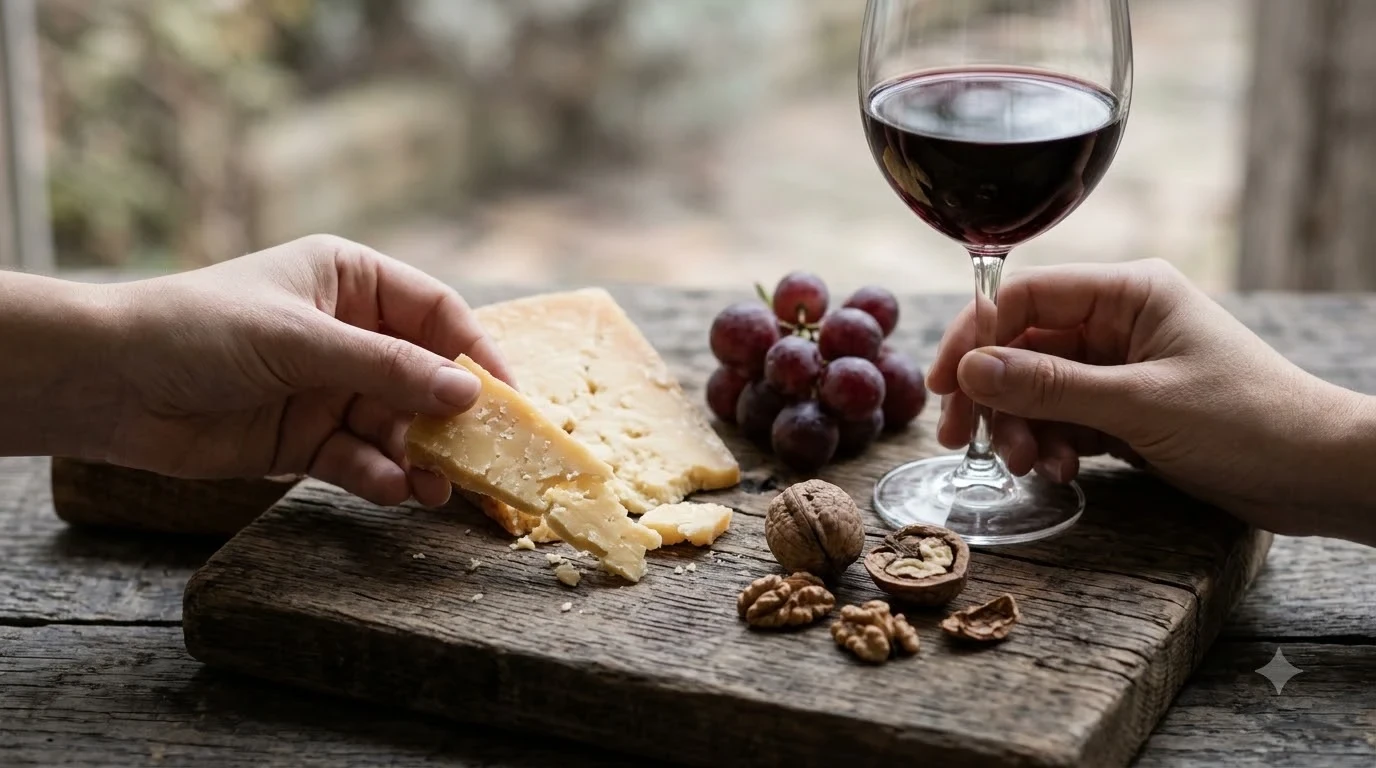

We may earn a commission when you buy through links on this page, at no extra cost to you. Learn more.
When comparing cabernet sauvignon vs tempranillo, the biggest difference comes down to fruit profile, tannin grip, and savory oak character: Cabernet Sauvignon delivers dark blackcurrant fruit and firm, mouth-drying tannins, while Tempranillo leads with red cherry, leather, and warm vanilla spice. Both are dry, medium-to-full-bodied red wines capable of aging for decades, yet they bring completely different personalities to the dinner table. Cabernet Sauvignon thrives as a bold, structured partner for rich steaks, whereas Tempranillo shines alongside roasted meats, smoky dishes, and tomato-based recipes.
If you enjoy dry, oak-aged red wines with serious structure, you have likely crossed paths with both of these classic grapes. Understanding how they differ in the glass makes it much easier to pick the right bottle for tonight’s dinner or decide which style belongs in your wine rack next. Exploring broader Wine vs Wine matchups reveals how climate, skin thickness, and barrel traditions shape every sip.
What Is the Core Difference Between These Two Grapes?
Cabernet Sauvignon is a thick-skinned French variety known for deep color, black fruit, and assertive tannins, while Tempranillo is Spain’s flagship red grape prized for its early ripening, red-fruited core, and affinity for oak aging. Although both grapes sit in the fuller-bodied tier of dry red wine, their natural chemistry pushes them toward distinct flavor families.
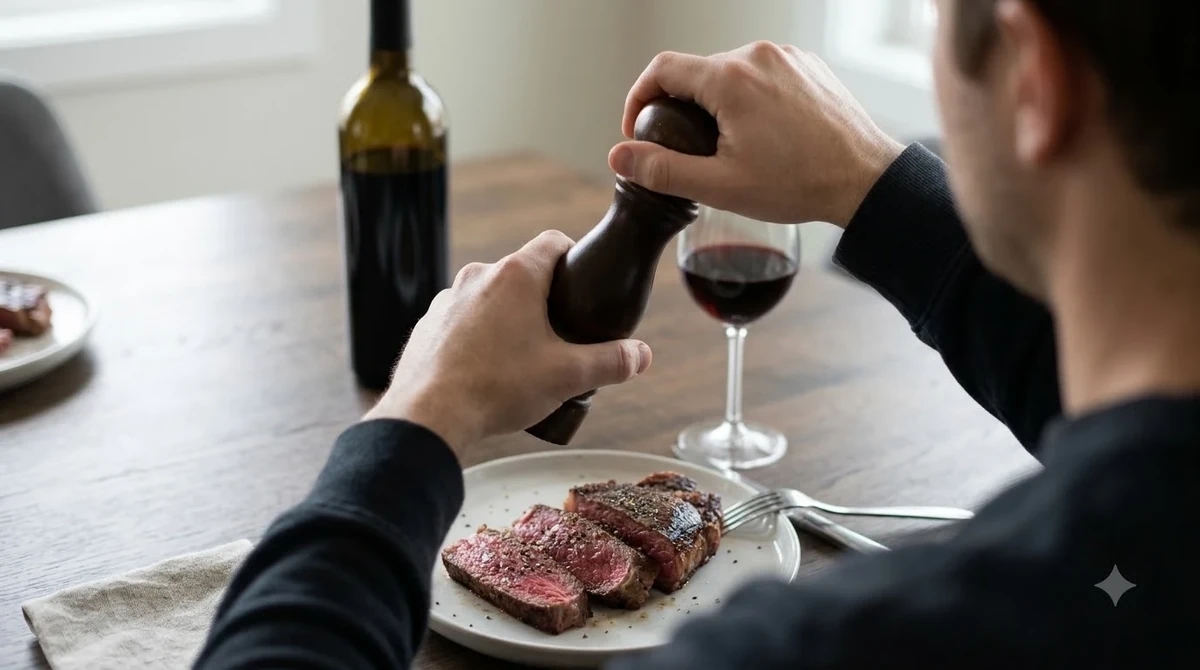
According to Wine Folly, Cabernet Sauvignon naturally produces a full-bodied dry red with medium-high tannins, medium-high acidity, and typical alcohol levels ranging from 13.5 to 15 percent ABV. Because its berries are small with very thick skins, the resulting wine extracts heavy doses of pigment and phenolic compounds during fermentation. That concentration creates an opaque purple-ruby color in the glass and a firm, structural grip across the gums.
Tempranillo takes its name from the Spanish word temprano, meaning “early,” because the vine buds and ripens weeks ahead of many other European red varieties. Its grapes have thinner skins than Cabernet Sauvignon, yielding a slightly more translucent ruby hue that often takes on a brick or ruddy-orange rim as it matures. Rather than overwhelming the palate with sheer weight, Tempranillo balances medium-to-high acidity and moderate-to-firm tannins with a savory, food-friendly texture.
Winemaking traditions widen the gap between the two grapes even further. Cabernet Sauvignon is frequently matured in French oak barrels that accentuate its natural cedar, graphite, and baking spice aromas. Tempranillo has a long history with both American and European oak, absorbing sweet notes of vanilla, coconut, dill, and toasted wood while developing complex secondary flavors of cured leather and dried tobacco leaf.
| Feature | Cabernet Sauvignon | Tempranillo |
|---|---|---|
| Primary Fruit | Blackcurrant (cassis), blackberry, black cherry | Red cherry, plum, dried strawberry, fig |
| Savory & Oak Notes | Cedar, graphite, green bell pepper, dark chocolate | Leather, tobacco leaf, vanilla, dill, clove |
| Body & Tannins | Full-bodied; high, firm tannins | Medium to full-bodied; medium to medium-high tannins |
| Color in the Glass | Deep, opaque purple-ruby | Medium-deep ruby, often with a brick-orange rim |
| Typical ABV | 13.5% to 15% | 13% to 14.5% |
| Serving Temperature | 60°F to 68°F (15°C to 20°C) | 60°F to 65°F (15°C to 18°C) |
Flavor and Styles: How Do They Taste Side by Side?
In a side-by-side tasting, Cabernet Sauvignon tastes darker, denser, and more herbal, whereas Tempranillo feels brighter, earthier, and more savory. Young bottles of each variety showcase fresh fruit, while aged versions trade primary berry notes for tertiary leather, cedar, and spice.
When you swirl a glass of Cabernet Sauvignon, the first impression is almost always concentrated dark fruit—think blackcurrant liqueur, crushed blackberries, and ripe black plum. Behind that fruit sits a signature herbal streak driven by natural compounds called methoxypyrazines, which can smell like eucalyptus, mint, sage, or subtle green bell pepper depending on how warm the growing season was. On the finish, firm tannins leave a lingering, mouth-coating dryness that begs for rich protein.
Tempranillo greets the nose with brighter red berries, sour cherry, and sun-baked plum before shifting rapidly toward earthy, savory territory. Even in youthful, unoaked styles labeled Joven in Spain, the grape carries a dusty, rustic charm alongside fresh strawberry and cherry fruit. Once aged in oak, Tempranillo takes on an unmistakable aromatic profile of sweet vanilla bean, dried dill, cedar box, worn leather, and cigar wrapper.
Aging classifications also play a much larger role on Tempranillo labels than they do on Cabernet bottles. In Spanish regions like Rioja, legally defined tiers tell you exactly how long the wine rested in barrel and bottle before release, ranging from fresh Crianza to structured Reserva and silky, multi-decade Gran Reserva. Cabernet Sauvignon producers rarely follow strict legal aging tiers, leaving buyers to gauge style by regional reputation and vintage age instead—a distinction you also see when comparing cabernet sauvignon vs chianti.
Where Each Grape Grows Best
Cabernet Sauvignon is the world’s most widely planted red wine grape, flourishing across France, California, Washington, Chile, and Australia, while Tempranillo remains deeply rooted in northern Spain with smaller plantings in Portugal, the United States, and South America. Regional climate and soil heavily dictate whether each grape produces an elegant, restrained red or a powerhouse.
Cabernet Sauvignon originated in Bordeaux, France, where Left Bank appellations like Pauillac and Margaux blend it with Merlot and Cabernet Franc to create structured, mineral-driven wines with moderate alcohol and high aging potential. Across the Atlantic, California’s Napa Valley and Washington’s Columbia Valley use abundant sunshine to ripen the grape into plush, velvety, fruit-forward styles. Chile’s Maipo Valley and Australia’s Coonawarra add their own distinct stamps, offering ripe dark fruit laced with signature herbal and eucalyptus accents.
According to Wine Enthusiast, Tempranillo originates in northern Spain’s Rioja and Navarra regions, dating back at least to the 1500s, and remains Spain’s signature red grape. In Rioja, high-elevation vineyards and clay-limestone soils yield nuanced, medium-to-full-bodied wines that balance bright acidity with silky oak integration. Just southwest in Ribera del Duero and Toro, where the grape goes by local names like Tinto Fino and Tinta de Toro, warmer daytime temperatures and dramatic nighttime cooling produce darker, denser, and far more tannic expressions.
Outside Iberia, Tempranillo has found a welcoming home in parts of the American West where warm days and cool nights mimic Spain’s high plateaus. Winemakers in Oregon’s Rogue Valley, Washington’s Yakima Valley, Texas High Plains, and California’s Paso Robles produce varietal Tempranillo that leans slightly riper and more fruit-driven than traditional Rioja while keeping its savory backbone.
How to Serve Both Wines for Peak Flavor
Both Cabernet Sauvignon and Tempranillo taste best served slightly below modern room temperature, ideally between 60°F and 68°F (15°C to 20°C), in large-bowled glasses that give their aromas room to open. Giving young, tannic bottles a brief decant softens their grip and brings out hidden layers of fruit and spice.
Serving either wine at a warm 72°F living-room temperature causes alcohol vapors to flare up, masking delicate fruit and making the finish feel hot. Putting a room-temperature bottle into the refrigerator for 15 to 20 minutes before pulling the cork drops it right into the ideal 60°F to 65°F sweet spot. At that slightly cool temperature, Cabernet’s dark cassis stays crisp and Tempranillo’s cherry and vanilla notes remain balanced.
Decanting strategy depends heavily on the age of the bottle in front of you. Young Cabernet Sauvignon—especially from warm regions like Napa Valley—and bold, youthful Tempranillo from Ribera del Duero benefit from 30 to 60 minutes in a wide decanter to tame their aggressive tannins. By contrast, an older Rioja Gran Reserva or a mature Bordeaux already has delicate, softened tannins and needs only a quick pour into an oversized Bordeaux glass so fragile dried-fruit and leather aromas do not fade too quickly.
Tip: If you are opening a bottle of each side by side, pour the Tempranillo first or serve it slightly cooler at around 60°F so Cabernet Sauvignon’s heavier tannins do not overwhelm your palate early in the evening.
Food Pairing: Matching Each Bottle to the Menu
Cabernet Sauvignon excels alongside rich, fatty cuts of beef and classic steakhouse sides, while Tempranillo is one of the most versatile dinner wines available, pairing effortlessly with lamb, pork, smoked meats, and tomato- or spice-driven dishes. Matching the weight and savory profile of your meal to the right grape prevents the wine from clashing with the food.
Cabernet Sauvignon’s high tannin content acts like a natural palate cleanser when paired with marbled beef, prime rib, braised short ribs, or rack of lamb. The fat and protein in the meat bind to the wine’s astringent tannins, softening the grip in your mouth while unlocking sweet dark fruit flavors. Avoid pairing young, heavily tannic Cabernet with spicy chili heat or acidic tomato sauces, as both can amplify bitterness and make the wine taste metallic.
Tempranillo’s higher perceived acidity and savory leather-and-spice notes make it far more adaptable across varied menus. It shines with Spanish tapas like chorizo, jamón ibérico, and aged Manchego cheese, but it also handles smoky barbecue ribs, herb-crusted pork tenderloin, grilled vegetables, and pasta in roasted red pepper or tomato sauce without missing a beat. Even aged, delicate Rioja pairs wonderfully with roasted mushrooms and truffle dishes that might feel too earthy for a massive Napa Cab.
How to Choose Between Cabernet Sauvignon and Tempranillo
Choose Cabernet Sauvignon when you want an intense, full-throttle red built around dark berry fruit and firm structure, and reach for Tempranillo when you prefer savory complexity, smoother tannins, and effortless food pairing. Reading the front and back labels carefully will point you straight to the exact style you enjoy.
If you already love bold reds like Syrah, Malbec, or Bordeaux blends, Cabernet Sauvignon is the natural fit. Look for cooler-climate regions like Bordeaux, Washington’s Columbia Valley, or Chile’s Maipo Valley if you prefer crisp acidity and herbal cedar notes, or choose Napa Valley and Paso Robles for plush, ripe blackcurrant richness. Curious drinkers who enjoy Cabernet’s herbal side might also explore cabernet sauvignon vs carmenere to see how another Bordeaux grape highlights savory green pepper and dark plum.
If you gravitate toward Chianti, Pinot Noir, or earthy, aged reds that never feel heavy or syrupy, Tempranillo will likely win you over. On Spanish labels, look for the aging tier that matches your mood: Crianza offers bright red fruit and light vanilla for casual weeknight meals, Reserva delivers balanced oak spice and leather, and Gran Reserva provides silky, complex maturity for special occasions. If you want a Tempranillo that rivals Cabernet in sheer power and dark fruit concentration, look for bottles labeled Ribera del Duero or Toro instead of traditional Rioja.
Frequently Asked Questions
Is Tempranillo sweeter than Cabernet Sauvignon?
No, both Tempranillo and Cabernet Sauvignon are made almost exclusively as dry red wines with negligible residual sugar. Tempranillo can sometimes seem sweeter on the palate because aging in American oak barrels imparts warm vanilla, coconut, and baking spice aromas that mimic sweetness, even though the wine itself is completely dry.
Which wine has more tannins, Cabernet Sauvignon or Tempranillo?
Cabernet Sauvignon generally has higher, firmer tannins than Tempranillo due to its smaller berries and much thicker grape skins. While powerful styles of Tempranillo from Ribera del Duero or Toro can pack plenty of grip, most Rioja and New World Tempranillo bottlings feel smoother and more supple on the mid-palate.
Are Cabernet Sauvignon and Tempranillo ever blended together?
Yes, winemakers in both Spain and the New World occasionally blend Cabernet Sauvignon and Tempranillo together. In Spain’s Ribera del Duero and parts of Rioja, small percentages of Cabernet Sauvignon are legally permitted to add dark color, structure, and aging backbone to Tempranillo-based wines.
Which grape is better for long-term cellaring?
Both grapes are among the world’s finest candidates for long-term cellaring, easily aging for 10 to 25 years or more in top vintages. Cabernet Sauvignon relies on its dense tannins and dark fruit core to evolve slowly, while top Rioja Reserva and Gran Reserva Tempranillo rely on bright acidity and extended barrel aging to stay vibrant for decades.
Whether you pour a dark, structured glass of Cabernet Sauvignon or an earthy, oak-kissed bottle of Tempranillo, both grapes offer unforgettable character for red wine lovers. Keep a bottle of each on hand so you always have the right match for a sizzling steak or a savory, spice-rubbed roast—and if you enjoy comparing classic European reds against Bordeaux’s flagship grape, check out our guide to barolo vs cabernet sauvignon next.
More in Wine vs Wine
 Nero d’Avola vs Pinot Noir: Taste, Body, and Pairing DifferencesUpdated Nov 21, 2026
 Chenin Blanc vs Pinot Blanc: Key Differences in Taste, Acidity, and PairingsUpdated Nov 21, 2026
 Chardonnay vs Shiraz: Key Differences in Taste, Serving, and PairingUpdated Nov 21, 2026
 Chardonnay vs Verdejo: How Spain’s Crisp White Compares to the World’s ChameleonUpdated Nov 21, 2026
 Chardonnay vs Sancerre: Key Differences in Taste, Grapes, and PairingUpdated Nov 21, 2026
 Chardonnay vs Malbec: Key Differences in Taste, Body, and PairingUpdated Nov 21, 2026