

We may earn a commission when you buy through links on this page, at no extra cost to you. Learn more.
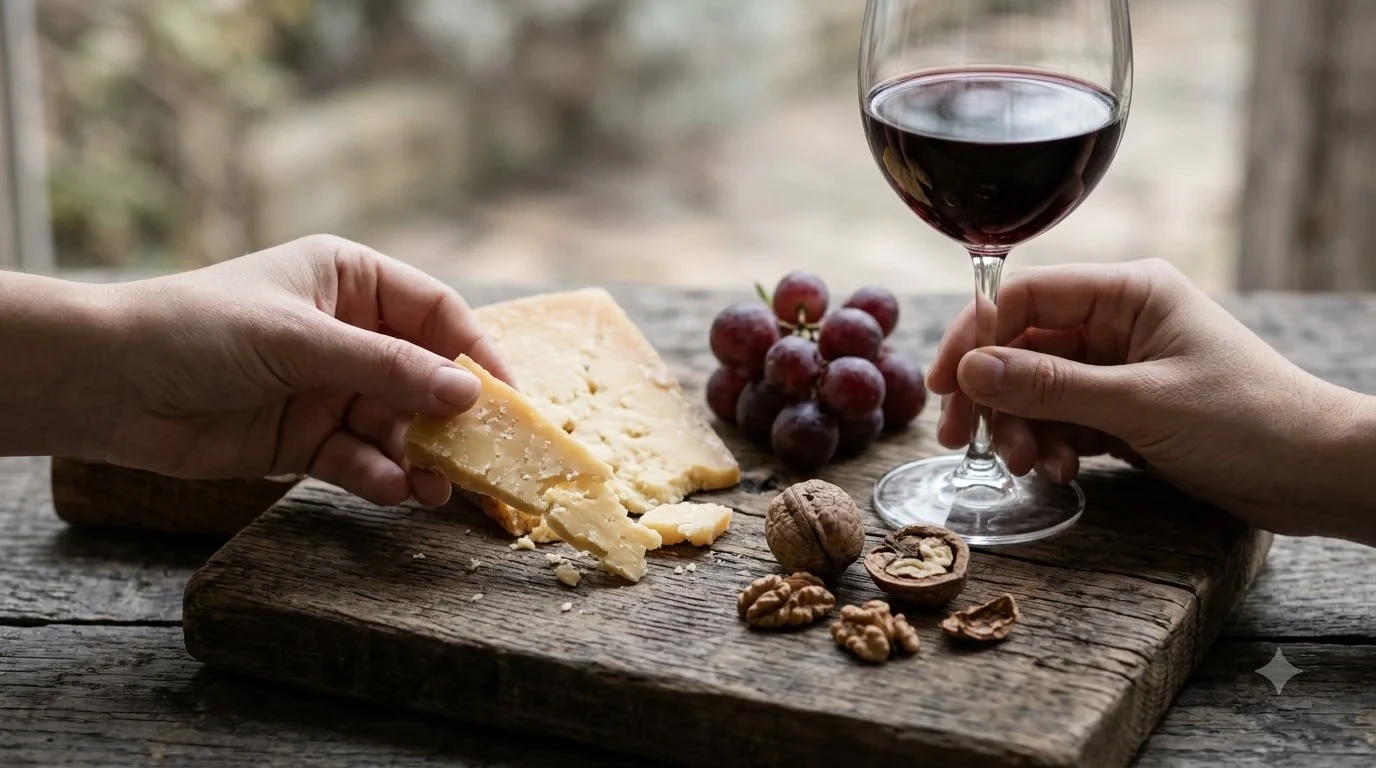
When comparing cabernet sauvignon vs pinotage, both are dry, full-bodied red wines, yet Cabernet Sauvignon delivers structured dark fruit with cedar and herbaceous notes, while Pinotage offers plush red and black berries layered with distinctive smoke, spice, and earthy warmth. Cabernet Sauvignon originated in France as a natural cross between Cabernet Franc and Sauvignon Blanc and now dominates vineyards worldwide. Pinotage was bred in South Africa in 1924 by crossing Pinot Noir with Cinsaut, giving it a softer tannin profile alongside bold, smoky aromatics.
Choosing between these two reds often comes down to whether you prefer classic Bordeaux-style grip or South Africa’s signature smoky richness. While both varieties thrive in warm climates and take well to oak barrel aging, their genetic roots push them in distinct directions at the table and in the cellar. Looking closely at their origins, flavors, and ideal serving habits makes it easy to pick the right bottle for dinner.
What Is the Difference Between Cabernet Sauvignon and Pinotage?
Cabernet Sauvignon and Pinotage are both man-made or natural grape crossings, yet they belong to completely different wine families. Cabernet Sauvignon brings thick skins, high tannins, and savory herbal structure, whereas Pinotage inherits brighter red fruit and gentler astringency from its Pinot Noir parentage.
According to Wine Folly’s Cabernet Sauvignon guide, DNA research at UC Davis in 1996 confirmed that Cabernet Sauvignon arose in the 1600s as a spontaneous crossing of Cabernet Franc and Sauvignon Blanc. That heritage explains why the grape produces small, thick-skinned berries packed with color, firm tannins, and a subtle green bell pepper compound called methoxypyrazine. Over the past few centuries, it has grown to cover more than 720,000 acres across almost every major wine-producing country.
Pinotage has a much more recent and deliberate origin story. In 1924, South African viticulture professor Abraham Izak Perold crossed Pinot Noir with Cinsaut—known locally at the time as Hermitage—hoping to combine Pinot Noir’s aromatic elegance with Cinsaut’s heat tolerance and generous yields. Although the grape was largely overlooked for half a century, South African winemakers eventually unlocked its potential, turning Pinotage into the country’s flagship homegrown red variety.
| Attribute | Cabernet Sauvignon | Pinotage |
|---|---|---|
| Genetic Parentage | Cabernet Franc × Sauvignon Blanc | Pinot Noir × Cinsaut |
| Primary Origin | Bordeaux, France | Stellenbosch, South Africa |
| Body | Full-bodied | Medium-full to full-bodied |
| Tannin Level | Medium-plus to high | Medium to medium-plus |
| Acidity | Medium-plus | Medium |
| Typical ABV | 13.5% – 15.5% | 13.5% – 15% |
| Core Flavors | Black currant, black cherry, cedar, tobacco, black pepper | Strawberry, sour cherry, blackberry, plum, smoke, coffee |
| Serving Temperature | 60°F – 68°F (15°C – 20°C) | 60°F – 68°F (16°C – 20°C) |
Flavor and Styles: How Do They Taste?
In the glass, Cabernet Sauvignon leans toward concentrated black fruits, dried herbs, and firm oak spice, while Pinotage balances bright red berry notes against dark plum and unmistakable campfire smoke. Both grapes are vinified primarily as dry red wines, though winemaking choices heavily shape their final texture.
Classic Cabernet Sauvignon showcases black currant, black cherry, and blackberry framed by savory accents of cedar, tobacco, licorice, and cracked black pepper. Old World bottlings from Bordeaux tend to feel slightly lighter on their feet with firmer acidity and pronounced earthy grip, whereas New World versions from California, Chile, or Australia deliver riper fruit, softer edges, and vanilla notes from extended aging in French or American oak barrels. Much like when comparing cabernet sauvignon vs carmenere, Cabernet Sauvignon stands out for its linear, authoritative tannic backbone.
Pinotage presents a more polarizing and expressive aromatic profile. Reviewers at Wine Enthusiast note that poorly handled Pinotage can sometimes show off-putting hints of acetone or rubber, yet well-made examples offer lush layers of deep strawberry, sour cherry, blackberry, and ripe plum wrapped in toasted oak, sweet baking spice, coffee, and woodsmoke. Modern South African producers craft everything from fresh, un-oaked, fruit-driven styles to deeply concentrated, cellar-worthy bottlings aged in new oak casks.
Where Each Grape Grows Best
Cabernet Sauvignon is a global traveler planted from France to Napa Valley, while Pinotage remains overwhelmingly concentrated in South Africa’s Western Cape. Both varieties need plenty of sunshine to ripen fully, though cooling coastal breezes keep their acidity intact.
France leads the world with roughly 124,000 acres of Cabernet Sauvignon, anchored by Bordeaux’s Left Bank appellations where gravelly soils retain heat and help late-ripening berries reach maturity. Chile follows with around 100,000 acres, the United States holds roughly 95,000 acres led by Napa Valley and Washington’s Columbia Valley, and Australia plants about 65,000 acres in regions like Coonawarra and Margaret River. Even South Africa itself dedicates around 41,000 acres to Cabernet Sauvignon, making it the country’s most widely planted red grape.
Pinotage, by contrast, is almost synonymous with South Africa, thriving across coastal and inland wards such as Stellenbosch, Swartland, Paarl, and Franschhoek. In Stellenbosch’s decomposed granite and sandstone slopes, old bush vines yield concentrated, structured Pinotage with serious aging capacity, while warmer Swartland vineyards produce plush, spiced expressions. Small experimental plantings exist in countries like New Zealand, the United States, and the United Kingdom, yet South Africa remains the undisputed benchmark for anyone exploring the grape.
How to Serve Cabernet Sauvignon and Pinotage
Both Cabernet Sauvignon and Pinotage taste best served slightly below standard room temperature, ideally between 60°F and 68°F (15°C to 20°C). Giving structured bottles time to breathe in a decanter before pouring softens their tannins and opens up complex secondary aromas.
Because modern homes often sit above 70°F, pouring either red straight from the kitchen counter can make the alcohol taste hot and the fruit seem jammy. Placing a bottle in the refrigerator for 15 to 20 minutes before opening brings it right into the sweet spot where fruit clarity, acidity, and oak spice stay balanced. Lighter, fruit-forward styles of Pinotage can even handle a slightly cooler chill toward the lower end of that range without losing their aromatic charm.
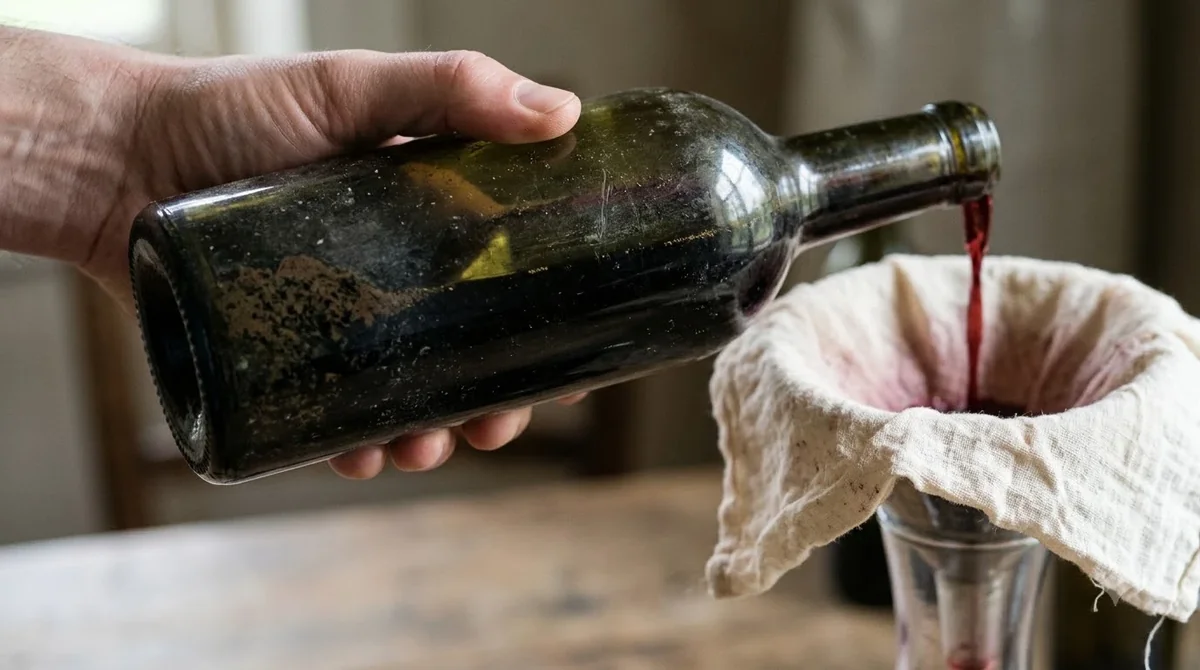
Glassware and aeration also play meaningful roles in how both wines perform. Pouring into a large, tall-bowled Bordeaux glass gives swirling room so oxygen can tame Cabernet Sauvignon’s firm tannins and blow off any initial reductive smoke in a young Pinotage. Decanting structured, oak-aged bottles of either grape for 30 to 60 minutes helps integrate wood spice and reveals subtle floral and earthy undertones.
Tip: If a young Pinotage smells overly smoky or sharp right after pulling the cork, pour it into a decanter or wide wine glass and wait 15 minutes—brief exposure to air lets the fresh strawberry and dark plum fruit step forward.
Food Pairing: Matching Each Red at the Table
Cabernet Sauvignon excels alongside rich, fatty cuts of red meat that tame its high tannins, while Pinotage shines with smoky, charred, or spiced dishes that echo its savory notes. Both wines rely on protein, fat, and umami to soften their structure and highlight their fruit core.
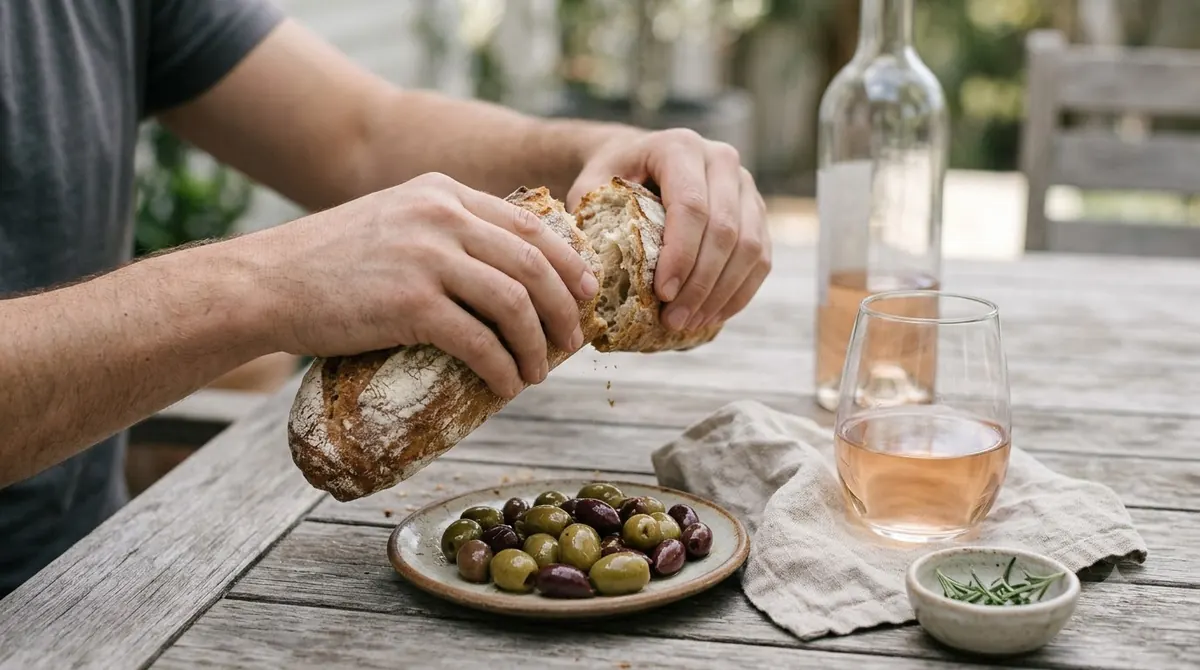
Cabernet Sauvignon’s firm grip and bright acidity act like a palate cleanser after every bite of marbled beef or lamb. Classic pairings include grilled ribeye steak, braised short ribs, roasted rack of lamb, mushroom risotto, and aged hard cheeses like sharp cheddar or Pecorino. Avoid pairing dry Cabernet with sweet desserts or dark chocolate, as sugar and bitterness clash with the wine’s tannins and make it taste astringent.
Pinotage is built for open-flame cooking, especially South African braai and American backyard barbecue. Its smoky, earthy undertones and juicy red-and-black fruit complement smoked brisket, baby back ribs, venison, grilled sausages, and chargrilled burgers topped with aged gouda or gruyere. If you enjoy exploring savory food wines across regions, our guide to cabernet sauvignon vs chianti shows how Italian acidity tackles rich dishes differently than South African smoke.
How to Choose Between Cabernet Sauvignon and Pinotage
Pick Cabernet Sauvignon when you want classic structure, unmistakable dark berry power, and predictable elegance, and choose Pinotage when you crave smoky complexity, softer tannins, and adventurous character. Both varieties offer rewarding bottles across everyday and cellar-worthy tiers.
Label clues make it easier to predict what is inside the bottle before you pull the cork. For Cabernet Sauvignon, look for cooler or maritime regions like Bordeaux, Washington State, or Stellenbosch if you prefer savory herbs, graphite, and higher acidity, or choose warmer appellations like Napa Valley, Paso Robles, or Barossa Valley for plush black cherry and vanilla oak. Note that in the United States, a wine labeled Cabernet Sauvignon can legally include up to 25 percent of other blending grapes to round out texture and flavor.
When shopping for Pinotage, check whether the producer emphasizes fresh fruit or extended oak aging. Entry-level bottlings often highlight juicy red berries and smooth tannins meant for immediate enjoyment, whereas estate reserve wines from Stellenbosch or Swartland spend months in oak barrels and develop deeper coffee, spice, and leather complexity. You will also spot South African “Cape Blends,” which combine Pinotage with Cabernet Sauvignon and Merlot to unite Bordeaux structure with Cape smokiness—a fascinating bridge if you are still exploring Wine vs Wine styles across the globe.
Frequently Asked Questions
Is Pinotage sweeter than Cabernet Sauvignon?
No, both Pinotage and Cabernet Sauvignon are typically fermented completely dry with virtually no residual sugar. Pinotage can sometimes taste perceptionally sweeter because its ripe strawberry, plum, and vanilla oak notes feel plush on the mid-palate, whereas Cabernet Sauvignon’s higher tannins and firmer acidity create a drier, more astringent finish.
Which wine has higher tannins, Cabernet Sauvignon or Pinotage?
Cabernet Sauvignon generally has higher tannins than Pinotage due to its small berries and thick skins. While old-vine, oak-aged Pinotage can still deliver satisfying grip, its Pinot Noir and Cinsaut parentage naturally gives it medium to medium-plus tannins that feel smoother when young.
Can Pinotage age in the cellar like Cabernet Sauvignon?
Yes, top-tier Pinotage from respected South African regions like Stellenbosch can age gracefully for 5 to 15 years, developing savory notes of leather, dried fruit, and warm spice. However, everyday fruit-forward Pinotage is crafted for drinking within a few years of release, whereas structured Cabernet Sauvignon routinely ages for a decade or longer.
What is a Cape Blend?
A Cape Blend is a signature South African red wine blend that must contain between 30 percent and 70 percent Pinotage, most commonly paired with Cabernet Sauvignon, Merlot, or Shiraz. Winemakers use this style to merge Cabernet Sauvignon’s structured blackcurrant backbone with Pinotage’s smoky richness and plush berry fruit.
Both Cabernet Sauvignon and Pinotage reward red wine lovers who enjoy full-flavored, food-friendly bottles with distinct regional personality. Whether you reach for the structured cassis and cedar of Cabernet Sauvignon or the smoky berry warmth of Pinotage—or even a Cape Blend that brings both together—serving them slightly below room temperature will let every layer shine. If you enjoy comparing classic structured reds, take a look at how barolo vs cabernet sauvignon stack up next.
More in Wine vs Wine
 Nero d’Avola vs Pinot Noir: Taste, Body, and Pairing DifferencesUpdated Nov 21, 2026
 Chenin Blanc vs Pinot Blanc: Key Differences in Taste, Acidity, and PairingsUpdated Nov 21, 2026
 Chardonnay vs Shiraz: Key Differences in Taste, Serving, and PairingUpdated Nov 21, 2026
 Chardonnay vs Verdejo: How Spain’s Crisp White Compares to the World’s ChameleonUpdated Nov 21, 2026
 Chardonnay vs Sancerre: Key Differences in Taste, Grapes, and PairingUpdated Nov 21, 2026
 Chardonnay vs Malbec: Key Differences in Taste, Body, and PairingUpdated Nov 21, 2026