

We may earn a commission when you buy through links on this page, at no extra cost to you. Learn more.
When comparing cabernet sauvignon vs petite sirah, Cabernet Sauvignon delivers structured, savory elegance built on blackcurrant, cedar, and firm tannins, while Petite Sirah offers an opaque, teeth-staining pour packed with dense blueberry, black pepper, and mouth-coating grip. Both varieties produce dry, full-bodied red wines with high aging potential and elevated alcohol levels, typically ranging from 13.5 to 15.5 percent ABV. Cabernet Sauvignon relies on architectural acidity and classic oak spice, whereas Petite Sirah trades subtle aromatics for sheer concentration and muscular fruit weight.
Shoppers browsing the bold red aisle often treat these two grapes as interchangeable steakhouse companions, yet they stem from entirely different genetic lineages and behave uniquely at the dinner table. Understanding how each variety balances fruit ripeness, tannin texture, and regional character makes selecting the right bottle for tonight’s menu far easier. Across Wine vs Wine matchups, few pairings pit global prestige against cult California power quite like this one.
What Is Cabernet Sauvignon vs Petite Sirah?
Cabernet Sauvignon and Petite Sirah are distinct red wine grape varieties with separate French origins, despite both thriving in warm New World vineyards. While Cabernet Sauvignon dominates global plantings, Petite Sirah remains a niche specialist prized for deep pigment and intense tannin.

According to Wine Folly’s Cabernet Sauvignon guide, DNA testing at UC Davis in 1996 revealed that Cabernet Sauvignon is a natural 17th-century crossing of red Cabernet Franc and white Sauvignon Blanc from Bordeaux, France. Its thick skins protect the berries against rot and inclement weather while contributing abundant phenolics that give the finished wine its signature structure. Over time, it became the world’s most widely planted premium red grape, spanning more than 720,000 acres across Europe, the Americas, Australia, and South Africa.
Petite Sirah, known officially in France as Durif, originated much later in 1880 when French botanist François Durif crossed Syrah with Peloursin, a rare grape from the French Alps. As explained in Wine Folly’s Petite Sirah guide, the name refers to the small size of the individual berries growing in tight clusters rather than a lighter style of wine. Because small berries yield a much higher skin-to-juice ratio than average wine grapes, Petite Sirah produces extraordinarily dark, concentrated red wine with formidable tannin levels.
Flavor Profile and Structural Differences
Cabernet Sauvignon emphasizes layered savory complexity alongside dark fruit, whereas Petite Sirah pushes pure, saturated berry intensity and cracked pepper spice to the forefront. In the glass, their visual opacity and tannin architecture separate them before you even take a second sip.
| Characteristic | Cabernet Sauvignon | Petite Sirah |
|---|---|---|
| Color in the Glass | Deep ruby to garnet with translucent edges | Opaque, inky purple-black right to the rim |
| Primary Fruit Notes | Blackcurrant (cassis), black cherry, plum | Blueberry, blackberry jam, boysenberry, black plum |
| Savory and Spice Notes | Cedar, graphite, tobacco leaf, green bell pepper | Black pepper, dark chocolate, coffee, licorice |
| Tannin Structure | Medium-high to high; firm, drying, and architectural | Very high; dense, chewy, and mouth-coating |
| Acidity Level | Medium-high; crisp enough to lift rich sauces | Medium to medium-high; smooth yet lively |
| Typical Alcohol (ABV) | 13.5% to 15.5% | 13.5% to 15.5% |
| Aging Potential | 10 to 20+ years for structured bottlings | 10 to 20+ years due to heavy tannin and pigment |
Classic Cabernet Sauvignon showcases blackcurrant, black cherry, and cedarwood, often accompanied by subtle herbal notes of bay leaf or green peppercorn caused by natural aromatic compounds called methoxypyrazines. Winemakers frequently age Cabernet Sauvignon in French oak barrels for nine to 22 months, imparting baking spices, vanilla, and toasted wood that frame its firm tannins. Even in warm climates where fruit turns plush and jammy, well-made Cabernet retains a linear spine of acidity that keeps the finish dry and focused.
Petite Sirah delivers an immediate wave of blueberry, blackberry, and dark plum wrapped in smoky black pepper, cocoa, and sweet baking spice from oak aging. Reviewers at specialty wine publications consistently note that its texture is its defining trait: the tannins feel broad, velvety, and chewy rather than sharply astringent. While Petite Sirah is fermented dry, its lush blue-and-black fruit profile often creates an impression of mid-palate sweetness that contrasts with Cabernet’s drier, graphite-laced finish.
Where Each Grape Grows Best
Cabernet Sauvignon adapts to a wide range of maritime and Mediterranean climates worldwide, while Petite Sirah concentrates heavily in warm, sun-drenched California vineyards. Regional growing conditions dramatically influence whether either wine leans herbal and earthy or ripe and opulent.
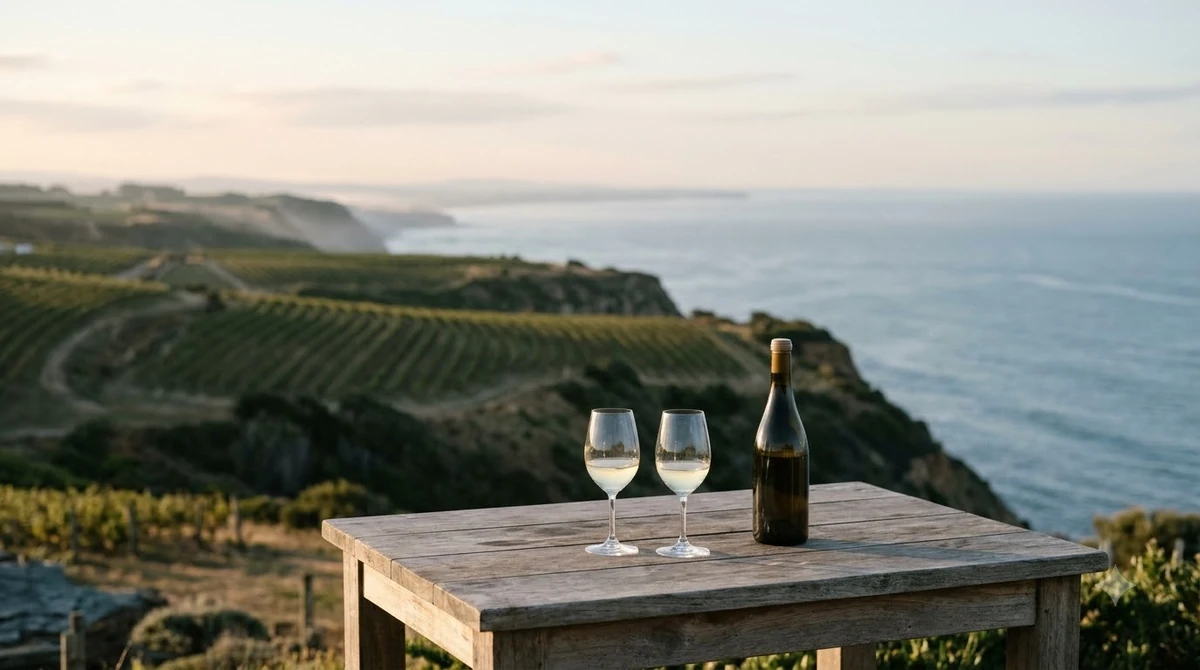
France leads global Cabernet Sauvignon acreage, led by Bordeaux’s Left Bank subregions such as the Médoc and Graves, where gravelly soils drain water quickly and produce earthy, cedar-driven wines built for decades in the cellar. In the United States, California’s Napa Valley, Sonoma County, and Paso Robles alongside Washington’s Columbia Valley produce benchmark New World expressions marked by riper black cherry fruit and polished oak. Chile’s Maipo and Colchagua Valleys and South Australia’s Coonawarra also craft acclaimed regional styles showing distinct mint, eucalyptus, or green peppercorn accents.
Petite Sirah largely faded from its French homeland because its tight grape clusters proved susceptible to fungal rot in damp autumn weather. Instead, it found an ideal home in California’s warm inland valleys and coastal mountain ranges, including Napa Valley, Sonoma, Lodi, Paso Robles, and Lake County. Warm days ripen its thick skins fully while cool evening breezes preserve natural acidity, and smaller plantings in South Africa and South America yield vibrant, fruit-forward bottles with softer finishes.
How to Serve and Decant Both Wines
Both Cabernet Sauvignon and Petite Sirah require cool cellar temperatures and generous aeration to tame their dense tannins and high alcohol. Serving either bottle straight from a warm kitchen counter dulls its fruit aromatics and accentuates alcoholic heat.
Aim for a serving temperature between 60 and 68 degrees Fahrenheit (15 to 20 degrees Celsius) for both varieties. Placing a bottle in the refrigerator for 15 to 20 minutes before opening brings room-temperature wine down into the ideal zone where acidity feels crisp and dark fruit shines. Oversized Bordeaux-style wine glasses with tall bowls allow volatile aromas of cassis, violet, and black pepper to collect while directing the wine toward the center of the palate.
Decanting is especially worthwhile for young bottles of either grape. Give structured Cabernet Sauvignon roughly one hour in a wide-base decanter to soften drying tannins and open up nuanced cedar and tobacco notes. Young Petite Sirah benefits from 60 to 90 minutes of air exposure, which smooths out its chewy grip and rounds its dense blueberry fruit; older vintages over ten years old only need gentle decanting right before pouring to separate natural sediment.
Tip: Pour Petite Sirah carefully over a white tablecloth and keep sparkling water handy—its exceptionally high anthocyanin pigment stains teeth, lips, and fabrics far faster than Cabernet Sauvignon.
Food Pairing: Matching Weight and Tannin
High-tannin red wines rely on dietary fat, protein, and savory umami to soften their astringency on the palate. While both grapes excel alongside hearty meat dishes, Cabernet Sauvignon prefers classic steakhouse preparations whereas Petite Sirah thrives with smoky, spiced, and slow-cooked fare.
Cabernet Sauvignon is the textbook partner for marbled ribeye steak, roast prime rib, rack of lamb, and braised beef short ribs. The high fat and protein content in seared red meat binds to Cabernet’s structured tannins, cleansing the palate between bites while allowing subtle cassis and herb flavors to emerge. Vegetarian cooks can achieve a similar softening effect with grilled portobello mushrooms, aged gouda, gruyère burgers, or rich mushroom stroganoff.
Petite Sirah demands bold, intensely seasoned food that will not be overwhelmed by its inky weight and peppery spice. Slow-smoked beef brisket, barbecue pork ribs, black bean chili, and pepper-crusted venison match its muscular fruit without losing their own flavor. Its natural black pepper and clove notes also stand up remarkably well to heavily spiced dishes like Indian lamb curry, mole sauces, and sharp aged cheddar.
How to Choose Between Cabernet Sauvignon and Petite Sirah
Choosing between these two reds comes down to whether you want structured elegance or maximum fruit concentration, as well as the specific dishes on your table. Knowing how winemakers also blend these grapes together helps you read back labels with confidence.
Reach for Cabernet Sauvignon when hosting a formal dinner, pairing classic roasted meats, or looking for nuanced secondary notes like cedar, graphite, and dried herbs. If you enjoy comparing Cabernet’s structural profile against other classic Old World reds, exploring barolo vs cabernet sauvignon highlights how tannin and acidity behave across different climates, while cabernet sauvignon vs carmenere shows how Cabernet stacks up against its herbaceous Bordeaux cousin.
Pick Petite Sirah when cooking smoky barbecue, serving spicy braised meats, or pouring for guests who love full-bodied, dark-fruited California reds without excessive oak dryness. Because Petite Sirah adds deep color and mid-palate richness, winemakers frequently blend small percentages of it into Cabernet Sauvignon and Zinfandel to boost texture. If you are still calibrating your palate across the red wine spectrum, comparing petite sirah vs pinot noir illustrates the widest possible gap between heavy, opaque reds and light, translucent styles.
Frequently Asked Questions
Is Petite Sirah sweeter than Cabernet Sauvignon?
No, both Petite Sirah and Cabernet Sauvignon are typically fermented completely dry with virtually no residual sugar. Petite Sirah often tastes sweeter on the mid-palate because its ripe blueberry and blackberry flavors combine with smooth acidity, creating an impression of fruit sweetness rather than actual sugar content.
Are Petite Sirah and Syrah the same grape?
Petite Sirah and Syrah are separate varieties, though they are directly related. Petite Sirah (also called Durif) is a cross between Syrah and the rare French grape Peloursin, resulting in smaller berries, much darker color, and noticeably firmer tannins than pure Syrah.
Which wine ages longer: Cabernet Sauvignon or Petite Sirah?
Top examples of both wines easily age for 10 to 20 years or more in a cool cellar. Cabernet Sauvignon tends to develop more complex tertiary flavors of leather, cedar, and dried currant over time, whereas Petite Sirah relies on its massive tannin and pigment reserves to stay remarkably youthful and dark for decades.
Why do winemakers blend Petite Sirah into Cabernet Sauvignon?
Winemakers often add small amounts of Petite Sirah to Cabernet Sauvignon to deepen the wine’s color, soften sharp edges on the mid-palate, and boost overall tannin grip. Under United States labeling laws, a wine labeled as Cabernet Sauvignon can legally contain up to 25 percent of other blending grapes like Petite Sirah.
Whether you pour a structured, cassis-driven Cabernet Sauvignon or an inky, pepper-laced Petite Sirah, both grapes reward proper serving temperatures and generous decanting. Matching Cabernet’s savory precision to classic steaks and Petite Sirah’s bold weight to smoky, spiced dishes ensures every bottle shows its best side at the table.
More in Wine vs Wine
 Nero d’Avola vs Pinot Noir: Taste, Body, and Pairing DifferencesUpdated Nov 21, 2026
 Chenin Blanc vs Pinot Blanc: Key Differences in Taste, Acidity, and PairingsUpdated Nov 21, 2026
 Chardonnay vs Shiraz: Key Differences in Taste, Serving, and PairingUpdated Nov 21, 2026
 Chardonnay vs Verdejo: How Spain’s Crisp White Compares to the World’s ChameleonUpdated Nov 21, 2026
 Chardonnay vs Sancerre: Key Differences in Taste, Grapes, and PairingUpdated Nov 21, 2026
 Chardonnay vs Malbec: Key Differences in Taste, Body, and PairingUpdated Nov 21, 2026