

We may earn a commission when you buy through links on this page, at no extra cost to you. Learn more.
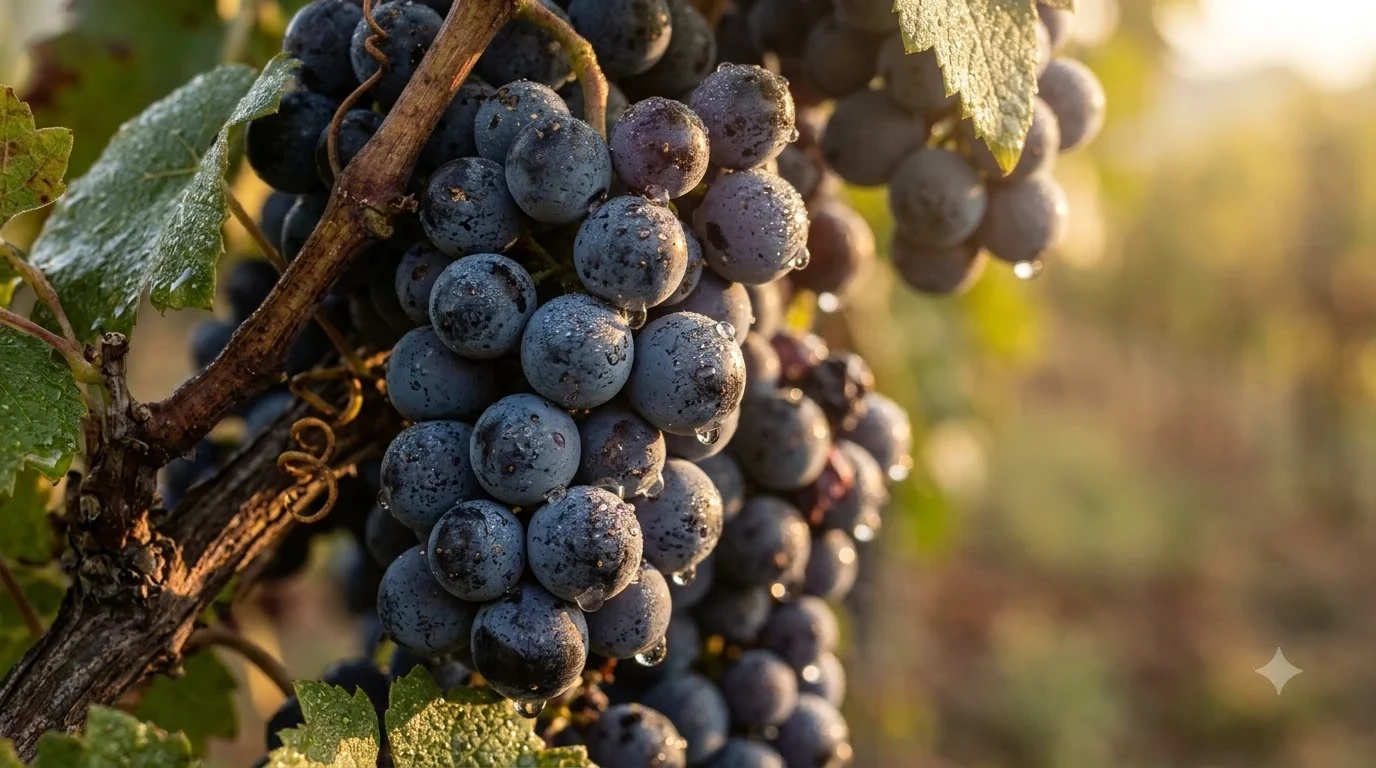
The petite sirah grape makes dark, inky red wines with bold tannins, high acidity, and flavors of blueberry, black pepper, and dark chocolate. It is a distinct variety, also known as Durif, that was bred in France in the 1800s. Today it is grown mostly in California, with significant plantings in Australia and Israel, and its wines are prized for depth and longevity.
This guide explains where the petite sirah grape came from, how its wines taste, where it is grown, and how to serve and pair a bottle. If you have seen the name on a shelf and wondered how it differs from syrah, the sections below answer that question directly.
Where the Petite Sirah Grape Came From
The grape was bred by the French botanist François Durif, who kept a nursery in Tullins. Plantings are dated to the 1860s, and the crossing that produced the variety is usually given as around 1880. Its parents are syrah and a rare French grape called Peloursin, and a DNA study at UC Davis in 1997 identified syrah as the pollen source.
Because of that origin, the grape is closely related to syrah but is not simply a smaller version of it. The name “petite sirah” took hold in California, where winemakers adopted it because it sounded more appealing than Durif. In France the variety is almost gone today, so most of the wine you will find comes from the New World.
The naming still causes confusion. DNA testing showed that most California bottles labeled petite sirah are actually Durif, and the two names are not treated as fully interchangeable on US labels. The spelling “Petite Syrah” is a common mistake, and historically that term referred to a small-berried clone of syrah rather than this grape.
Flavor Profile and What to Expect
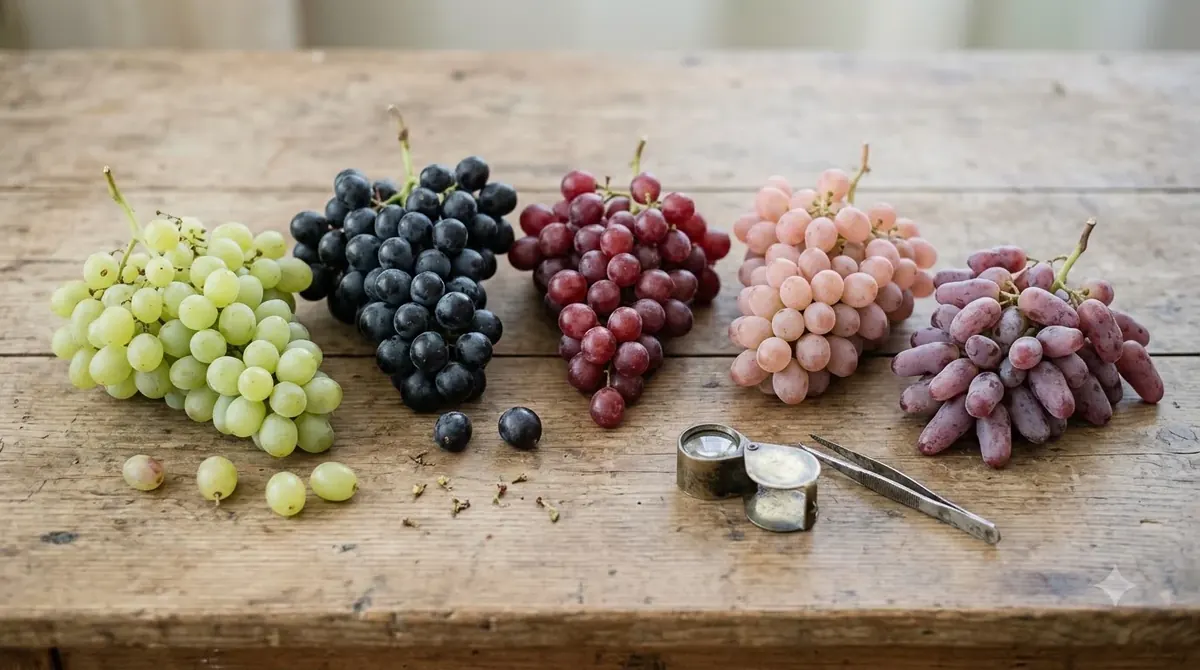
A petite sirah wine is typically deep in color, with a dense, almost black appearance. The aromas and flavors center on blueberry, plum, and dark chocolate, with black pepper and a herbal or black tea note on the finish. Wine Folly describes the style as dry and full-bodied, with high tannin and medium acidity.
The tannins are the defining feature. They make the wine feel firm and grippy on the palate, which is why young bottles often taste tight. The same structure is what allows the best examples to age well. Sources give different ranges for how long these wines can age, with one guide suggesting a cellar life of ten years or more and another noting that some bottles can hold for twenty years or longer.
Alcohol is usually high. Wine Folly lists these wines at over 15 percent ABV, so the bottle often feels warm and weighty even when the fruit is not sweet. Oak can add its own character, and new oak barrels can bring a melted chocolate aroma to the glass.
| Trait | Typical petite sirah | What it means at the table |
|---|---|---|
| Color | Deep, dense, nearly opaque | Signals a bold wine with plenty of extract |
| Tannin | High | Needs fat or protein to feel smooth |
| Acidity | Medium to high | Keeps the wine lively with rich dishes |
| Fruit | Blueberry, plum, dark chocolate | Pairs well with roasted and smoky flavors |
| Aging | Often a decade or more | Good candidate for cellaring |
Where the Grape Is Grown
California is the center of petite sirah production, and most of the bottles sold in the United States come from there. The state’s warm inland valleys suit the vine well, and many producers have built their reputations on older vineyards that still carry the variety. When you see an older vine designation on a label, it usually signals a more concentrated, structured wine.
Australia is the other major producer. Official records from around 2000 put the Durif area in the Riverina and Riverland regions at more than 740 acres, and the grape has remained a regular part of Australian red blends. Israel is also named by some critics as a source of high-quality examples, and smaller plantings appear in Brazil, Argentina, Chile, and Mexico.
Because the grape has spread to so many places, the label is your best guide. Check the country, the state or appellation, and whether the bottle is 100 percent petite sirah or a blend. Those details tell you more about the style than the name alone.
In the United States, the grape also turns up in Texas and several other states. Ontario’s Niagara Peninsula has a small planting as well. Wherever it grows, the variety reflects its surroundings, so a wine from a cool site will usually show brighter acidity than one from a hot valley.
How to Serve and Pair Petite Sirah
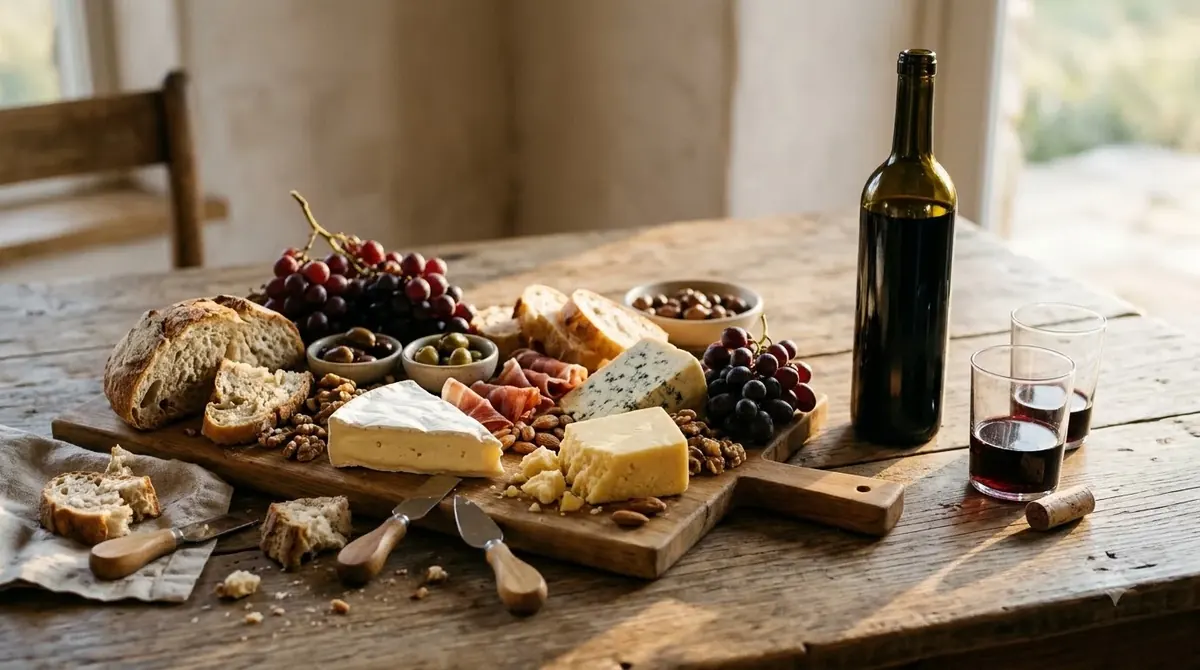
Petite sirah is a wine that rewards a little preparation. Wine Folly suggests serving it at about 60 to 68 degrees Fahrenheit, or 15 to 20 degrees Celsius, which is slightly cooler than many people expect for a red. That range keeps the tannins from tasting heavy while still letting the fruit show.
The same source recommends decanting for about an hour. Decanting softens the grip of a young bottle and gives the aromas room to open. A universal or large red-wine glass works well, because it lets the wine breathe and gives the bold fruit space to develop.
For food, look for rich, fatty, and savory dishes. Grilled steak, beef stroganoff, and braised meats match the structure of the wine. Wine Folly also points to umami-rich foods, and many people enjoy petite sirah with spicy curries or barbecue, where the fruit and acidity cut through the heat and smoke.
Tip: If a young bottle feels too tight, open it before the meal and taste it again as it warms. Many drinkers notice the fruit becoming easier to find once the wine has time in the glass.
How to Choose a Bottle
Look at the label to see whether the wine is a single-variety petite sirah or a blend. Blends with zinfandel or other red grapes tend to be softer and more approachable, while a single-variety bottle usually shows the grape’s full structure. Older vintages can be excellent, but a young bottle from a well-regarded producer is also a good place to start.
Check the region. A petite sirah from a warm valley will often taste riper and fuller, while one from a cooler site can have brighter acidity and a leaner finish. If you prefer lighter reds, you may find the style more enjoyable when served a little cooler and paired with food.
Many people who enjoy bold reds also like muscadine grape wines for their contrast in sweetness and body, and some compare petite sirah with pinot noir grape styles because both can be served slightly cool. For a full overview of styles, see the Wine by Type guide, which covers white varieties such as chardonnay grape as well.
Frequently Asked Questions
Is petite sirah the same as syrah?
No. Petite sirah is a distinct grape, also called Durif, that was bred from syrah and Peloursin. The two are related, but their wines differ in structure and in the way the fruit tastes.
What does petite sirah taste like?
Expect dark fruit such as blueberry and plum, with dark chocolate, black pepper, and a firm, tannic finish. The wine is usually full-bodied and deeply colored.
Does petite sirah need to age?
Many bottles are enjoyable young after some time in a decanter, but the structure allows some examples to develop for a decade or more. Check the producer’s guidance for the specific wine.
What foods go well with petite sirah?
Rich, savory dishes work best. Grilled steak, beef stroganoff, braised meats, and spicy barbecue all suit the wine’s tannin and acidity.
The petite sirah grape is a rewarding choice for anyone who likes big, structured reds. Start with a California bottle, serve it slightly cool, and give it a short decant before the meal. Drink responsibly, and enjoy the depth that this grape brings to the table.
More in Wine Types & Grapes
 Zinfandel Sugar Content: Dry Red vs. White Zinfandel GramsUpdated Nov 21, 2026
 Best Zinfandel Substitute Options for Sipping and CookingUpdated Nov 21, 2026
 Zweigelt Food Pairing: Best Dishes, Cheeses, and Serving TipsUpdated Nov 21, 2026
 Zinfandel Tannins Explained: How Structure Shapes Every BottleUpdated Nov 21, 2026
 Zinfandel Sweetness Level: Dry Red vs. Sweet White Zin ExplainedUpdated Nov 21, 2026
 Xinomavro Food Pairing: Best Dishes, Styles, and Serving TipsUpdated Nov 21, 2026